

Visite audio de Mostar : Des monuments aux mosquées
Un seul impact de balle sur un mur de Mostar en dit plus sur la survie et l'espoir que mille guides. Au-delà des ponts dignes de cartes postales, des couches cachées de conflits et de culture façonnent chaque pierre de cette ville des Balkans. Cette visite audio autoguidée vous mène dans des ruelles où seuls les habitants s'attardent et dans des histoires que la plupart des touristes n'entendent jamais. Suivez chaque étape pour découvrir non seulement les sites, mais aussi leurs histoires secrètes. Que s'est-il passé au Stadion pod Bijelim Brijegom qui a résonné dans les chambres politiques bien au-delà de Mostar ? Pourquoi la mosquée Karađoz Bey conserve-t-elle une ombre de mystère malgré son dôme doré ? Qu'est-ce qui relie un monument fané à la République croate d'Herceg-Bosna aux rumeurs chuchotées dans les cafés de fin de soirée ? Traversez des siècles de batailles, de renaissances, d'amour et de pertes. Découvrez le drame gravé dans les façades et le silence brisé par des triomphes improbables. Voyez Mostar changer à chaque pas. Déverrouillez ces histoires inédites maintenant – commencez votre voyage là où les légendes persistent encore.
Aperçu du tour
À propos de ce tour
- scheduleDurée 30–50 minsAllez à votre propre rythme
- straightenParcours à pied de 4.5 kmSuivez le sentier guidé
- location_onEmplacementMostar, Bosnie-Herzégovine
- wifi_offFonctionne hors ligneTéléchargez une fois, utilisez n'importe où
- all_inclusiveAccès à vieRéécoutez n'importe quand, pour toujours
- location_onCommence à Maison Muslibegović
Arrêts de ce tour
Afficher 8 arrêts de plusAfficher moins d'arrêtsexpand_moreexpand_less
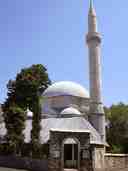
To spot the Karađoz Bey Mosque, look straight ahead for a grand stone building boasting a large rounded dome and a tall, slender minaret pointing high into the sky. Imagine…Lire plusAfficher moins
To spot the Karađoz Bey Mosque, look straight ahead for a grand stone building boasting a large rounded dome and a tall, slender minaret pointing high into the sky. Imagine you’re in Mostar in the 16th century-the scent of fresh stone dust in the air as artisans, perhaps even under the eye of the master architect Mimar Sinan, put the finishing touches on a new mosque. This isn’t just any mosque; Mehmed Beg built it with the hope that its dome would touch the heavens and its minaret would be the tallest in town, standing at a dramatic 34.5 meters. Can you see those arches and the double portico outside? Those sheltered worshippers from sun and rain, as merchants shuffled by with their donkeys. Over centuries, this mosque has watched Mostar’s fortunes rise and fall-surviving even the chaos of World War II and heartbreak during the Bosnian War, when it was nearly lost to rubble. But like any great star of history, the Karađoz Bey Mosque made its comeback with a shiny renovation in 2004, its dome once again gleaming in the sunshine. So, take a look-you're standing before a survivor, a monument to faith, and the heart of the neighborhood.
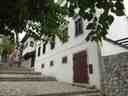
Ouvrir la page dédiée →To spot the Herzegovina Museum, look for a bright white building with dark wooden shutters and a stone staircase winding right past its entrance-just off to your right as you…Lire plusAfficher moins
To spot the Herzegovina Museum, look for a bright white building with dark wooden shutters and a stone staircase winding right past its entrance-just off to your right as you climb the steps. Now, take a deep breath-you’re standing at one of Mostar’s treasure chests! The Herzegovina Museum isn’t just a building; it’s a portal through centuries. Imagine the clatter of horses’ hooves echoing down these very stones-archaeologists have unearthed relics here that whisper secrets of ancient Herzegovina. Step inside and you might stumble upon Džemal Bijedić’s Memorial House, honoring a Yugoslav leader whose story ended in a twist of fate-a tragic plane crash in 1977. Across town, the museum takes you to Svetozar Ćorović’s house, where ink-stained manuscripts reveal the ups and downs of Mostar’s writers and poets. The adventure doesn’t end there: you’ll find priceless antiques, mysterious tools of daily life, and even stories of the Old Bridge itself-destroyed, reborn, and now a UNESCO world wonder. Each corner of the museum adds a layer, from archaeology to ethnology, weaving together the city’s languages, traditions, and bursts of laughter from families who once lived in these rooms. Bet you didn’t think history could be this much fun!
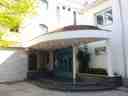
Ouvrir la page dédiée →To spot the Cultural Center Mostar, just look for the inviting pale building with a curved red-tiled canopy, turquoise doors, and a green sign above that reads “Centar za…Lire plusAfficher moins
To spot the Cultural Center Mostar, just look for the inviting pale building with a curved red-tiled canopy, turquoise doors, and a green sign above that reads “Centar za Kulturu”-you can’t miss it at 13 Rade Bitange. Now, imagine you’re right in the heart of Mostar’s buzzing artistic soul! This spot is more than just a building; it’s where the city’s imagination comes to play, especially when July arrives, and the Mostar Summer Festival kicks off. For over twenty years, this lively tradition has turned what might seem like an ordinary entrance into a portal of wonder-where you might catch the echo of a violin, the laughter of a puppet show, or the moment when a poet’s words float through the warm air. Every summer, the centre bursts with concerts, theatre shows, art exhibits, and book presentations, each night wrapping the city in a magical, creative glow. Don’t be surprised if you catch a whiff of stage makeup or hear the nervous giggles of performers in the wings-here, excitement is in the air! All year round, artists and dreamers gather behind these turquoise doors, spinning stories and connecting Mostar’s past to its vibrant present. If these walls could talk, they’d sing you melodies, whisper poetry, and maybe even crack a joke or two. Welcome to Mostar’s creative heartbeat!
Ouvrir la page dédiée →You’re standing now in front of a site that saw the stormiest chapters of recent history: the heart of what was once called the Croatian Republic of Herzeg-Bosnia. It’s a little…Lire plusAfficher moins
You’re standing now in front of a site that saw the stormiest chapters of recent history: the heart of what was once called the Croatian Republic of Herzeg-Bosnia. It’s a little ironic-it never quite existed in the way a country usually does. Picture the early 90s: Yugoslavia is shaking apart, old alliances are crumbling, and everyone is trying to redraw the map. Now and then, you could almost imagine the air itself was buzzing with tension. November 18th, 1991-Croatian leaders gathered with a plan, declaring this region a “political, cultural, economic and territorial whole.” Think of it as a club with a lot of rules, but not much official recognition; even the Constitutional Court refused to let it join the party, calling it unconstitutional in 1992. It wasn’t just Herzeg-Bosnia; a northern neighbor- the Bosnian Posavina-joined forces, bringing their chessboard of territories to nearly a third of the country. But no matter how many times they claimed new ground, the lines kept shifting, thanks to the fierce battles of the Bosnian War. Mostar was supposed to be the capital, but imagine trying to run a country when your headquarters are in a war zone-bullets flying, bridges crumbling, neighbors becoming enemies. At times, the city’s strategists made decisions from a small town called Grude, far from the front lines. It’s like holding a board meeting underwater while sharks circle. In the initial chaos, the Croat and Bosniak forces were even on the same side against shared threats. They formed the HVO, the Croatian Defence Council-a military force that started off with locals defending their own communities. In the early days, their strategy meetings must’ve sounded like lines from an action movie: “We’ll protect our people at all costs!” But by late 1992, the old alliance frayed, and a bitter Croat-Bosniak war erupted within the already raging Bosnian conflict. The creators of Herzeg-Bosnia imagined a new state with its own school lessons (in Croatian, of course), its own currency (there were three floating around: Herzeg-Bosnia’s dinar, the German mark, and the Croatian dinar-talk about complicated shopping), and its own football league. I bet the referees had a tough job-especially with everything else happening on and off the pitch. The fighting here was relentless. Much of Mostar was left in ruins. The leaders of Herzeg-Bosnia tried everything, even proposing a confederation with Croatia, but nothing cemented their sovereignty. When big international powers swooped in-a real “parents are coming home, clean up the mess!” moment-the Washington Agreement in 1994 pressed pause on the Croat-Bosniak war. Eventually, the Federation of Bosnia and Herzegovina was formed, and Herzeg-Bosnia was supposed to quietly dissolve. But, like an actor who refuses to exit the stage, it lingered into 1996, its influence still strong in local banks, schools, and utilities. Efforts to revive Herzeg-Bosnia still pop up today, sort of like those TV shows that just won’t quit. Even politicians in the 2000s argued, “If the Serbs have their Republika Srpska, why can’t we try again?” Others insist it’s better to work together in a united Bosnia, arguing a breakup would bring disaster. Emotions here can still run high when the topic comes up. Now, every November 18th, some locals celebrate the day of Herzeg-Bosnia’s foundation. There’s even a memorial plaque for Mate Boban, its first leader, just nearby. But before you start looking for a Herzeg-Bosnia passport, keep in mind-this “state” never quite stepped into the spotlight as a fully recognized country. Still, it left behind stories of ambition, hardship, and a community’s search for identity in a time when everything felt uncertain. And that, as they say, is not just history-it’s an ongoing conversation, still echoing through the streets of Mostar. Curious about the etymology, background or the area and population? Don't hesitate to reach out in the chat section for additional details.
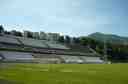
Ouvrir la page dédiée →To spot the Stadion pod Bijelim Brijegom, look for the large, bowl-shaped stadium with banks of empty white seats stretching out in front of you, flanked by tall floodlights, and…Lire plusAfficher moins
To spot the Stadion pod Bijelim Brijegom, look for the large, bowl-shaped stadium with banks of empty white seats stretching out in front of you, flanked by tall floodlights, and set beneath the leafy hills and apartment blocks of central Mostar. Now, as you stand at the legendary Stadion pod Bijelim Brijegom, imagine the roar of nearly 9,000 fans packed into the stands on a game day, flags waving and chants echoing across the city. This isn’t just a football pitch-it’s a living, breathing symbol of Mostar’s spirit. Built in 1958, this stadium rose up with the sweat and teamwork of locals, especially ambitious students, who traded books for bricks to create a home for football lovers. Back then, it was the pride of FK Velež Mostar, whose red shirts raced towards glory in legendary Yugoslav Cup battles, and even dared to dream big in Europe by reaching the quarter-finals of the UEFA Cup. But during the dark days of the Bosnian War, the stadium’s cheers turned to silence as the city itself split along the Neretva River-west to the Croats, east to the Bosniaks. The ground suffered scars, and the tension spilled over into the fate of this very field. FK Velež was forced out, and since then, HŠK Zrinjski Mostar made the stadium their fortress, their fans giving the stands a new pulse and the city’s old wounds a reminder with every match. Today, those stands are getting a facelift-with shiny new seats to welcome even more supporters. Yet, through all the noise and history, the biggest legend here might be the wish of Velež’s faithful to return one day. Until then, every kickoff at Bijeli Brijeg carries the story of a city divided and united by football-where passions run as deep as the river nearby. Now, who’s up for a penalty kick contest?
Ouvrir la page dédiée →

Foire aux questions
Comment commencer le tour ?
Après l'achat, téléchargez l'application AudaTours et entrez votre code de réduction. Le tour sera prêt à commencer immédiatement - il suffit d'appuyer sur lecture et de suivre l'itinéraire guidé par GPS.
Ai-je besoin d'Internet pendant le tour ?
Non ! Téléchargez le tour avant de commencer et profitez-en pleinement hors ligne. Seule la fonction de chat nécessite Internet. Nous recommandons de télécharger en WiFi pour économiser vos données mobiles.
S'agit-il d'une visite de groupe guidée ?
Non - il s'agit d'un audioguide en autonomie. Vous explorez indépendamment à votre propre rythme, avec une narration audio diffusée par votre téléphone. Pas de guide, pas de groupe, pas d'horaire.
Combien de temps dure le tour ?
La plupart des tours durent entre 60 et 90 minutes, mais vous contrôlez totalement le rythme. Faites des pauses, sautez des arrêts ou arrêtez-vous quand vous le voulez.
Et si je ne peux pas finir le tour aujourd'hui ?
Pas de problème ! Les tours disposent d'un accès à vie. Faites une pause et reprenez quand vous le souhaitez - demain, la semaine prochaine ou l'année prochaine. Votre progression est sauvegardée.
Quelles sont les langues disponibles ?
Tous les tours sont disponibles dans plus de 50 langues. Sélectionnez votre langue préférée lors de l'utilisation de votre code. Note : la langue ne peut pas être changée après la génération du tour.
Où accéder au tour après l'achat ?
Téléchargez l'application gratuite AudaTours sur l'App Store ou Google Play. Entrez votre code de réduction (envoyé par e-mail) et le tour apparaîtra dans votre bibliothèque, prêt à être téléchargé et commencé.
Si vous n'appréciez pas le tour, nous vous rembourserons votre achat. Contactez-nous à [email protected]
Paiement sécurisé avec 


