

Tour de audio de Denver: Maravillas de la Milla de Altura y Leyendas Arquitectónicas
A una milla sobre el nivel del mar, el horizonte de Denver esconde secretos tan imponentes como las Montañas Rocosas y escándalos enterrados más profundamente que sus minas de oro. Aquí, cada grieta en la acera cerca de la Corte Suprema de Colorado susurra dramas judiciales, y las fachadas acristaladas de Brooks Tower reflejan batallas más audaces que cualquier ascenso a la montaña. Este es tu tour de audio autoguiado por el vibrante corazón del centro de Denver. Descubre las historias, rebeliones y giros que la mayoría de los visitantes pasan por alto en el 16th Street Mall y más allá. ¿Por qué un solo veredicto en la Corte Suprema provocó conmoción en la nación? ¿Qué oscuro acuerdo en Brooks Tower cambió la fortuna de la ciudad de la noche a la mañana? ¿Y por qué los jugadores de ajedrez a lo largo de la 16th Street son famosos por un enigma de medianoche sin resolver? Pasea por corredores de poder y ecos de protesta. Siente la oleada de posibilidades en cada esquina. Deja que leyendas olvidadas moldeen el pulso bajo tus pies. Conéctate y recorre la historia no contada de Denver, donde los secretos se alzan tan altos como el horizonte.
Vista previa del tour
Sobre este tour
- scheduleDuración 40–60 minsVe a tu propio ritmo
- straighten3.6 km de ruta a pieSigue el camino guiado
- location_onLocationDenver, Estados Unidos
- wifi_offFunciona sin conexiónDescarga una vez, úsalo en cualquier lugar
- all_inclusiveAcceso de por vidaReprodúcelo en cualquier momento, para siempre
- location_onComienza en Torre Daniels & Fisher
Paradas en este tour
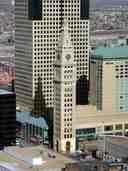
Look for a tall, slender clock tower topped with a pointed roof and large clock faces on all four sides-it stands out right in the heart of the city, poking up above its neighbors…Leer másShow less
Look for a tall, slender clock tower topped with a pointed roof and large clock faces on all four sides-it stands out right in the heart of the city, poking up above its neighbors like it’s auditioning for skyline royalty. Standing here, imagine the year is 1910-horses clatter down the street and the brand-new Daniels & Fisher Tower is the absolute giant of Denver, so tall that people joked if you tripped at the base, you’d land somewhere out in California! Designed to look like Venice’s famous bell tower, its handsome arches and four giant clock faces made sure no one in Denver could ever fib about the time again. This wasn’t just any old tower-it was attached to a department store that bustling Denverites flocked to, hats and gloves at the ready. While the store is long gone, the clock tower stubbornly refused to let history sweep it away. It survived not just the wrecking ball in the 1970s, but also the era when department store shopping was as trendy as avocado toast is today. Renovated for modern life, it’s now home to offices, residents, and even a cabaret down in the basement. And let’s not forget the 2-and-a-half-ton bell still resting at the very top, like a cherry on a sundae-Denver’s very own timekeeper ever since.
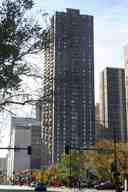
Open dedicated page →Look straight ahead and up to spot Brooks Tower-it’s a tall, dark, and slim residential skyscraper with balconies running up both sides like vertical stripes, dominating the…Leer másShow less
Look straight ahead and up to spot Brooks Tower-it’s a tall, dark, and slim residential skyscraper with balconies running up both sides like vertical stripes, dominating the skyline around the intersection. Alright, welcome to Brooks Tower! Imagine the energy of Denver in the late 1960s-when everyone was talking about the space race, bell-bottom jeans, and… skyscrapers? That’s right! Brooks Tower shot up in 1968, right here at 1020 15th Street, and for a while, it was the king of the Rockies, the tallest building not just in Denver but in the whole mountainous region. If buildings could brag, this one would definitely have a “tallest in town” sash, at least until 1974 rolled around and it was edged out by the neighboring 633 17th Street. But at 420 feet, 42 stories tall, Brooks Tower didn’t just break records-it broke the mold: it was Denver’s very first high-rise where people could actually live. Up until then, Denverites had to keep their home dreams closer to earth. Now, take in that shaped-for-views exterior-those cylindrical curves aren’t just for show. Max Ratner, the architect all the way from Ohio, wanted residents to get panoramic views of both the city lights and the snowy Rocky Mountains. Just picture the sunsets! And if you’re searching for a bit of old-school gold rush spirit, peek around the front garden-there’s a 12-foot copper statue known as "The Old Prospector," built in 1891, standing as a cheeky reminder that this site used to be the heart of Denver’s mining action. Imagine miners clanging their pickaxes just under your feet. Building Brooks Tower was no breeze. Aaron Brooks and his Realty and Construction crew faced delays, wild weather, and labor disputes. There was even a courtroom drama, with legal wrangling over delays-someone should’ve sold tickets! But by June 1968, the tower was standing strong, and by February 1969, people were moving in. Just a few years later, in the 1970s, the second floor became a Denver legend-the Ebbets Field music club. No need for baseball gloves, but you may have caught superstar acts tearing up the stage. Chuck Morris and Barry Fey opened this hotspot, and by the mid-70s, it was the place to see and be seen, winning "Club of the Year" from Billboard magazine. After a show, you could just ride the elevator straight up to bed-talk about perks! Brooks Tower has always matched the times. Originally built for renters, it got a drastic makeover in 1995: the largest conversion to condos this city had ever seen. One news report said 517 units were converted, but homeowners nowadays argue it’s more like 565. Some real estate sites even claim there are over 800, but unless someone’s stacking condos like pancakes, nobody’s quite sure how that happened! If you lived here, you’d have your pick of studios, sprawling penthouses, and those famous balconies. Downstairs? Swimming pool, fitness center, shops, and a team keeping things safe around the clock. That’s city living in style. But like any grand old building, Brooks Tower needed a plumbing upgrade after decades of busy residents. Starting in 2017, crews spent years replacing ancient pipes, sometimes discovering that the original blueprints were as reliable as a weather forecast in March. Even so, the multi-million dollar project wrapped up without anyone having to abandon their home in a flood of plumbing drama. So as you stand outside and gaze up at this towering neighbor, imagine the many chapters it’s seen-from miners with dreams of gold to disco-loving club goers, from legal soap operas to today’s urbanites enjoying sunrise coffee on a balcony. Brooks Tower helped turn this area from run-down to lively, and its story is still high-rise and full of surprises. Don’t forget to wave hello to that Old Prospector-he’s been watching over Denver a lot longer than even the tallest cranes! Wondering about the architecture, condominium conversion (1995) or the notable events and renovations? Feel free to discuss it further in the chat section below.
Open dedicated page →
Show 11 more stopsShow fewer stopsexpand_moreexpand_less
To spot Boettcher Concert Hall, just look ahead for a large, modern building with sweeping, curved lines and wave-like designs all around-its unique round shape and those circular…Leer másShow less
To spot Boettcher Concert Hall, just look ahead for a large, modern building with sweeping, curved lines and wave-like designs all around-its unique round shape and those circular ceiling discs inside make it stand out from any regular concert hall. Now, imagine stepping into a space where music swirls above your head and slides down the walls like invisible ribbons-welcome to Boettcher Concert Hall! Designed in 1978, this hall was a true pioneer, the very first symphony hall in-the-round in the entire United States. Instead of the usual long rows, here the stage sits right in the center, with the audience wrapped around so closely that even folks in the “nosebleeds” are barely 65 feet away-close enough to see the conductor’s eyebrow wiggles! The walls aren’t just angled for drama-they’re carefully canted to bounce sound in every direction, making sure notes twinkle and boom just right whether you’re listening to a soft flute or a thunderous timpani. Wavy bands called “undulating acoustic fascias” run around the inside, expertly scattering sound so every corner feels alive. Oh, and don’t trip on the acoustical moat under the stage! It’s not there for tiny concert alligators, but to help those deep, rumbly bass notes really resonate. When the hall first opened, it wowed some, puzzled others-imagine a massive musical spaceship landing in Denver, only sometimes the seats looked emptier than expected. The clever design counted on a full house for perfect acoustics, so when seats were missing their music lovers, the sound could get a little, well, moody-hot and cold spots here and there. But Boettcher didn’t give up. In 1993, a sweeping renovation added special curtains, acoustic panels, and new tweaks so the space could literally change its “mood” to match whatever performance was happening-even in the middle of a show! The Colorado Symphony calls Boettcher home, with everything from classical masterpieces to wild movie nights drawing over 150,000 fans every year. There was a moment of drama in 2014 when city leaders nearly decided to knock the whole thing down or shrink it for smaller crowds. The debate stirred up as much passion as a Beethoven finale-how do you balance history, community, and the need for something new? For now, Boettcher has stood its ground, echoing with every drumbeat and violin, right in the beating heart of Denver’s arts scene. What a place, right? If these walls could sing, they’d never stop! For a more comprehensive understanding of the design, tenants or the potential closure, engage with me in the chat section below.
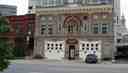
Open dedicated page →To spot the Denver Firefighters Museum, look for a light-brick, two-story firehouse with bold white garage doors, an arched balcony above the entrance, and a big sign reading…Leer másShow less
To spot the Denver Firefighters Museum, look for a light-brick, two-story firehouse with bold white garage doors, an arched balcony above the entrance, and a big sign reading “Denver Fire Department Museum” just over the doorway. Now, you’re standing in front of what was once the heart of firefighting in Denver-Historic Station No. 1, opened all the way back in 1909. Imagine this spot over a century ago. Picture horse-drawn fire wagons thundering out these big doors, smoke in the air, and firefighters scrambling into action-maybe even a dog or two racing out after them (no promises on Dalmatians today, though). This building has seen some changes. Before it stood here, the very first Station No. 1 was at 15th and Broadway, but they tore that down to make way for the Pioneer Monument. So, this became the new number one, designed by architect Glen W. Huntington for what seemed a wild price of $20,000 in 1909. The building itself is famous, named a Denver Landmark and snagging a spot on the National Register of Historic Places, so you’re basically standing next to a celebrity-just one that doesn’t ask for autographs. Step inside, and you’ll discover a world built on bravery and serious firepower. The museum holds over 30,000 artifacts: everything from alarm boxes that look straight out of an old detective novel, to helmets that only a firefighter could love. The main floor gallery will have you tracing the steps of actual firefighters through the ages-spot the hand-pulled and horse-drawn engines, and check out boots that might make you wonder how anyone ran in them. Kids love the 911 teaching phone, sliding down the pint-sized firefighter pole, and donning the mini gear-not to mention a touch cart full of real tools. Head upstairs for a peek into what firefighter life is really like. You’ll get a sense of their training routines, glimpse Denver’s biggest blazes, and snoop around the old dorm rooms-and who hasn’t been curious about what firefighters eat for breakfast? With a mix of hands-on displays, lively exhibits, and a children’s gallery packed with puppet shows and hopscotch, the museum welcomes everyone, from local kids to globetrotting firefighters. Over 20,000 visitors swing by each year; turns out, a good fire story never gets old, especially when you can touch the helmets. So whether your heart races at the sound of a siren or you’re just into quirky old buildings, this is a Denver story you can walk right into. Wondering about the fire station no. 1, funding or the visitor demographics? Feel free to discuss it further in the chat section below.
Open dedicated page →To spot the Denver Mint, look for a grand, two-story stone building with impressive arched windows, a tile roof, and perfectly manicured, round trees in front-right across the…Leer másShow less
To spot the Denver Mint, look for a grand, two-story stone building with impressive arched windows, a tile roof, and perfectly manicured, round trees in front-right across the street and behind a sturdy iron fence. Welcome to the Denver Mint! Take a moment; you’re standing before a place where money is made-literally! Imagine the weight of history behind those solid granite walls, echoing with the clink and clatter of coins. This remarkable building started operating in 1906, but its roots stretch all the way back to the rowdy days of the Colorado Gold Rush. Picture gold dust flowing from miners’ pouches, the sun glinting off nuggets, and hopeful fortune seekers swapping tall tales as they waited to cash in their treasures. Let’s rewind to the late 1850s, when three ambitious men-Austin and Milton Clark, along with Emanuel Gruber-opened a bustling brokerage here in Denver, hoping to save miners from shipping gold all the way back east. Their solution? Why, to mint gold coins right here! Clark, Gruber & Co. churned out $10 gold pieces at jaw-dropping speeds-imagine the rhythmic jingling of coins as they hit the minting table. Think about it: in just under three years, they minted nearly $600,000 worth of “Pike’s Peak Gold.” Each coin was a miniature work of art, with mountains, eagles, and stars, all celebrating Colorado’s new place in the world of gold. But, as quick as gold fever came, Congress stepped in. In 1862, with the nation divided by Civil War and the wild frontier rumbling with tension, the US Treasury bought Clark, Gruber & Co.’s little mint for $25,000-a hefty sum back then (although, compared to today’s coin output, it might cover a week’s worth of quarters from this place!). The mint then became an official Assay Office. Miners brought their gold here, and workers-faces smeared with dust and sweat-melted the raw treasure down, assaying and stamping shiny gold bars to be returned to hopeful prospectors. All that gold didn’t just stay here, though. Some made its way east, some stayed in Colorado, and a lot was turned into coins when, finally, in 1906 the Denver Mint started producing coins as a full branch mint. With machines rattling and workers bustling, over 167 million coins were made in the very first year alone. You can almost imagine the metallic symphony inside-the steady hum of machinery, the sharp clack of presses, and the laughter of workers swapping gold rush stories at lunch. And talk about star power! The Denver Mint is the largest coin producer in the world. It even made cameo appearances in Hollywood-like in Sylvester Stallone’s "Cliffhanger," where movie money took center stage, and in old Western TV shows, where schemers dreamed up heists. My favorite twist? In a Burt Reynolds flick, a gang had to sneak gold back into the mint to cover up a crime. Talk about a reverse robbery! Architecturally, it stands as proud as any Florentine palace, with a design inspired by the grand Palazzo Medici-Riccardi in Italy. Take a look at the sturdy granite, detailed frieze, and that tile roof. The lobby is graced with murals that celebrate mining, manufacturing, and commerce-not just echoing the city’s past, but its dreams for the future. So next time you jingle some change in your pocket, give a wink to the Denver Mint; it just might be where your coins got their start. And hey, don’t get any ideas about movie-style heists-you’d have more luck striking gold in the Rockies!
Open dedicated page →But the heart of the DAM beats in the Martin Building, to your left-the only completed design in the U.S. by legendary Italian architect Gio Ponti. When it opened in 1971, locals…Leer másShow less
But the heart of the DAM beats in the Martin Building, to your left-the only completed design in the U.S. by legendary Italian architect Gio Ponti. When it opened in 1971, locals loved to debate if it was a castle, a spaceship, or a pile of gem-like ice cubes. Ponti himself shrugged and called art a treasure, and these thin but jealous walls defend it. They’re adorned with over a million glass tiles that catch the ever-changing Denver sun. At first, the museum struggled to build enough space for all the art people wanted to give it. The Kress Foundation even staged something like an art hostage situation: “Nice collection we’ve got. Build us a new home, or no classics for you!” It took several failed city bond votes and lots of hustle, but the DAM finally got its first big South Wing in 1954 and kept growing from there. But here’s where things really got colorful. In 2016, the museum kicked off a $150 million renovation-imagine the world’s fanciest home makeover, but with more skylights and fewer reality TV tears. They expanded and unified the campus, topped off Ponti’s castle with a sparkling welcome center made from curved glass, and created dazzling new galleries, a shiny café, and even a grand event space where you can party under the city lights. If all that art leaves you hungry, The Ponti restaurant has you covered, championing Colorado ingredients-just don’t try eating the sculptures. Inside, the DAM’s collection is almost as diverse as Denver itself: over 70,000 works spanning centuries and continents, from British portraits to bold Latin American masterpieces, Bauhaus geometry to wild West gunfights. The museum is renowned for its collection of Indigenous American art-hundreds of intricate baskets, beadwork, carvings, and modern pieces by living artists shake up stereotypes and tell vibrant new stories. Its galleries are so dynamic that one visitor likened walking into the Hamilton Building to entering a funhouse-an art lover’s funhouse, where Vincent van Gogh shares wall space with contemporary protests, and a life-size sculpture named Linda lies so realistically asleep that people whisper for fear of waking her. Discussing the displays, critics have debated if the Hamilton Building is better as sculpture or as museum space-some claim Picasso’s paintings get dizzy from all the angles. But that’s exactly the point; the DAM’s leadership wanted to blow the dust off the idea of what a museum should be. Why just hang art when you can create a whole new way of seeing it? Tens of thousands of kids, families, and artists now take part in learning programs, making the DAM as much about creativity as contemplation. Stroll the plazas, and you’ll find sculptures like a gigantic broom and dustpan-proof the city’s not afraid to have a laugh at itself. The museum’s funding comes from a blend of public support, generosity, sales taxes, and a dose of Colorado spirit. So whether you’re a first-timer or a seasoned art buff, the DAM proves that Denver puts its heart-and plenty of sharp corners-into every brushstroke and building block. Eager to learn more about the collections, selected collection highlights or the funding? Simply drop your inquiries in the chat section and I'll provide the details you need.
Open dedicated page →Right in front of you is a tall, modern building with sweeping glass windows and grand, white columns-just look for the structure that gleams proudly across the street from the…Leer másShow less
Right in front of you is a tall, modern building with sweeping glass windows and grand, white columns-just look for the structure that gleams proudly across the street from the Colorado State Capitol, with its name: Ralph L. Carr Colorado Judicial Center. Alright, take a deep breath and let your imagination time-travel. We’re about to unravel the story of justice-Colorado style! Since 1876, the Colorado Supreme Court has been the busiest referee in the land when it comes to state law. Judges in black robes don’t exactly ride into courtrooms on horses these days, but in the old days, it might have felt that way. The Supreme Court started out in the original state capitol, but by the late 1970s, it got a building of its own-raised bizarrely high on two giant columns that made it look more like a modern art sculpture than a courthouse. Fun fact: underneath that building was a 150-foot mural depicting historical figures famous for justice, like Moses, Hammurabi, and Martin Luther King Jr. If you’d stood here back then, you'd have seen people pressing their noses to a window in the sidewalk, trying to catch a glimpse down into the law library below. Of course, even murals don’t last forever-the old building was imploded in 2010 to make way for what you see before you: the sleek, impressive Ralph L. Carr Colorado Judicial Center, named after a governor known for bravely opposing Japanese American internment during World War II. Now, within these walls, seven justices-one chief and six associates-shape how the laws of Colorado are interpreted. They’re chosen through a process that’s sort of like a job interview, reality show, and election, all rolled into one. First, hopefuls apply to a judicial commission, which hands three names to the governor. The governor picks a lucky winner, who serves a two-year test run before facing a retention election. Keep your fingers crossed-since 1966, no justice has ever lost! Not even on Judge Survivor: Denver Edition. Inside, imagine stepping into a court session. The fifth floor courtroom’s circular well is almost theatrical, with a bright podium in the middle (I always think it looks like a stick of lipstick), surrounded by a semicircular bench where the justices sit. Through grand, brass-colored doors, the judges process in, ready to decide the fate of some of Colorado’s trickiest legal mysteries. Not all cases make it here; the justices pick just a handful of certiorari petitions for review each year-only about 6% get their day in Supreme sunlight. Most people wait a lifetime for their number to be called, so lawyers get very excited whenever they hear from the top court! The Supreme Court’s reach goes far beyond Denver: it handles big-ticket cases, like water rights, election disputes, attorney discipline, and even giant questions about the state’s constitution. Over the years, this court has tackled hot-button issues-a ballot initiative to repeal the Taxpayer Bill of Rights, the nationwide fight for LGBTQ rights in Romer v. Evans, plastic bag fees in Aspen, rule battles over oil and gas drilling, and even the fiery 2023 decision that briefly barred Donald Trump from Colorado’s presidential ballot under the insurrection clause. All the court’s opinions are posted for the world to see, first as “slip opinions” online, and eventually published in law books with names like the Pacific Reporter and Colorado Reporter. So every word spoken in those stately halls can echo for decades-or, as I like to say, nobody ever really retires from the Colorado Supreme Court... at least, not their words! Speaking of retirement, judges must hang up their robes at 72, but not before they’ve baked up a few more spicy legal decisions. So as you stand here, look up and imagine the layers of history, drama, and debate inside this building-where laws are not just written but argued, shaped, and set in Colorado stone. Next time you walk past a courtroom, give the building a respectful nod-after all, this is where justice is always in session, and the next chapter could be written any day! Fascinated by the powers and duties, membership or the court building? Let's chat about it
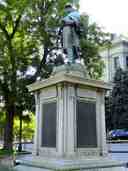
Open dedicated page →Look just ahead for a tall granite pedestal with a life-sized bronze Union soldier on top, holding his rifle, wearing a slick raincoat and a sturdy hat-he’s your unmistakable…Leer másShow less
Look just ahead for a tall granite pedestal with a life-sized bronze Union soldier on top, holding his rifle, wearing a slick raincoat and a sturdy hat-he’s your unmistakable guide to Denver’s Civil War history. Picture yourself in Denver in 1909: The city buzzes with excitement, horses clip-clop by, and people in hats and long skirts gather as a bronze soldier appears for the very first time. Crafted by Jack Howland and cast by the Bureau Brothers, this sturdy cavalryman stands about 8 feet tall in boots and spurs, a raincoat against all weather, gripping his rifle and saber as he stands watch over Colorado’s Capitol. For over a century, he endured sun, snow, and pigeons (and let’s be honest, bird droppings were just another battle). Generations passed him by, some stopping to remember lost soldiers or snap a quick photo. But in 2020, tension in the nation spilled onto the streets and with a dramatic crash-boom!-our soldier was toppled from his perch. Today, the statue rests at the History Colorado Center, waiting for its next adventure, while Denver debates whether the old soldier will stand guard again at Lincoln Park or call a brand new spot home. History, as you can see, never just stands still-even when it’s made of bronze!
Open dedicated page →In front of you is a grand gray granite building with a towering gold dome that glints in the sunlight-just look straight ahead and you can’t miss it shining above the…Leer másShow less
In front of you is a grand gray granite building with a towering gold dome that glints in the sunlight-just look straight ahead and you can’t miss it shining above the trees! Imagine yourself standing on history here, right at the base of the Colorado State Capitol-where every stone and shimmer tells a tale. Back in the 1890s, busy workers and slightly grumpy mules hauled vast blocks of Colorado white granite from Gunnison, bit by bit, all to create something that would echo the mighty United States Capitol. You’d have heard the clink and clatter of tools bouncing off stone, echoing across Denver. The main attraction is hard to miss: that enormous gold dome above you, shining like the world’s fanciest trophy. Fun fact-it’s covered in real gold leaf, added in 1908 to celebrate the legendary Colorado Gold Rush. Imagine Denver’s citizens looking up for the first time as the dome caught the sunlight, feeling both awe and maybe a little bit jealous. Inside, this grand building is decked out like a palace, but with a Rocky Mountain twist! Colorado Rose Onyx-a rare rose-colored marble found only near Beulah, Colorado-lines the halls. The Capitol used up every last bit of it, so if you ever go marble shopping, you’re out of luck! Peek around and you’ll find gleaming floors made of Yule Marble, which sometimes reveals mysterious images-like the face of George Washington or even the “unsinkable” Molly Brown, just waiting to be discovered by the eagle-eyed visitor. Want a secret? The exact elevation of Denver-one mile above sea level-is marked right here, just climb the steps to the famous “mile high” marker. But here’s where it gets tricky! In classic Colorado fashion, they’ve got three markers on different steps, each claiming to be “one mile high,” thanks to upgrades in measuring tools over the decades. That’s right, even Mother Nature can’t make up her mind! Today, the State Capitol isn’t just a home for lawmakers and the Governor-it’s a piece of living history. With its stained glass windows showing off Colorado’s proudest moments, a portrait of every U.S. president (including some painted stories and a little presidential drama thrown in for good measure), and its place in Denver’s Civic Center, every brick and gleaming panel buzzes with stories old and new. So take a long look, and let the gold dome remind you-Colorado was never afraid to aim high, and wrap history in a little sparkle.
Open dedicated page →





Preguntas frecuentes
¿Cómo empiezo el tour?
Después de la compra, descarga la app AudaTours e ingresa tu código de canje. El tour estará listo para comenzar de inmediato - solo toca play y sigue la ruta guiada por GPS.
¿Necesito internet durante el tour?
¡No! Descarga el tour antes de empezar y disfrútalo completamente sin conexión. Solo la función de chat requiere internet. Recomendamos descargar en WiFi para ahorrar datos móviles.
¿Es un tour guiado en grupo?
No - esta es una audioguía autoguiada. Exploras de forma independiente a tu propio ritmo, con narración de audio reproduciéndose en tu teléfono. Sin guía, sin grupo, sin horario.
¿Cuánto dura el tour?
La mayoría de los tours toman 60–90 minutos para completar, pero tú controlas el ritmo completamente. Pausa, salta paradas o toma descansos cuando quieras.
¿Qué pasa si no puedo terminar el tour hoy?
¡No hay problema! Los tours tienen acceso de por vida. Pausa y continúa cuando quieras - mañana, la próxima semana o el próximo año. Tu progreso se guarda.
¿Qué idiomas están disponibles?
Todos los tours están disponibles en más de 50 idiomas. Selecciona tu idioma preferido al canjear tu código. Nota: el idioma no se puede cambiar después de generar el tour.
¿Dónde accedo al tour después de comprarlo?
Descarga la app gratuita AudaTours desde App Store o Google Play. Ingresa tu código de canje (enviado por email) y el tour aparecerá en tu biblioteca, listo para descargar y comenzar.
Si no disfrutas el tour, te reembolsamos tu compra. Contáctanos en [email protected]
Paga de forma segura con 


