
Audioguía de Londres: Un Paseo Sónico por las Joyas Ocultas del Norte de Londres
A la sombra del Alexandra Palace, donde un palacio una vez transmitió las primeras imágenes de televisión del mundo y un frondoso parque esconde secretos reales, el norte de Londres bulle con historias no contadas que esperan justo al lado de la carretera principal. Recorre esta audioguía autoguiada para desenterrar dramas y delicias que la mayoría de los visitantes pasan de largo. ¿Por qué un incendio arrasó el Alexandra Palace una noche fatídica, despertando a la ciudad? ¿Qué fantasmas ferroviarios desaparecidos aún persisten en la estación de Alexandra Palace mientras los trenes se deslizan? ¿Y cómo florecen las flores entre el estruendo de ruedas y acero en el Depósito de Bounds Green? Muévete entre avenidas bañadas por el sol y vías de hierro, descubriendo reliquias de rebeliones, decretos reales, carreras de caballos perdidas y milagros cotidianos forjados en ladrillo y vapor. Cada paso abre la superficie pulida de Londres para revelar susurros de escándalos y regresos espectaculares. ¿Listo para vislumbrar el corazón secreto de Londres? Empieza ahora: el pulso oculto de la historia late bajo tus pies.
Vista previa del tour
Sobre este tour
- scheduleDuración 40–60 minsVe a tu propio ritmo
- straighten4.5 km de ruta a pieSigue el camino guiado
- location_onUbicaciónLondres, Reino Unido
- wifi_offFunciona sin conexiónDescarga una vez, úsalo en cualquier lugar
- all_inclusiveAcceso de por vidaReprodúcelo en cualquier momento, para siempre
- location_onComienza en Parque Alexandra, Londres
Paradas en este tour
To spot Alexandra Park, look for a long, broad path lined with tall, leafy trees standing shoulder to shoulder, arching overhead to create a green tunnel-it's an unmistakable…Leer másMostrar menos
To spot Alexandra Park, look for a long, broad path lined with tall, leafy trees standing shoulder to shoulder, arching overhead to create a green tunnel-it's an unmistakable leafy boulevard spreading out in front of you. Welcome to Alexandra Park! If you listen closely, you might just hear the rustle of the trees above you as you stand here beneath this grand leafy canopy. You’re standing at the gateway to a place that’s packed with history, drama, and just a touch of royal flair. Picture this: over 200 acres of rolling hills and flat lawns, carefully stitched together where wild woodland and farmland once sprawled. They called it Tottenham Wood back in the day-which, frankly, sounds more like the setting for a fairy tale than a north London landmark. Flash back to 1863: there’s a royal wedding in the air. Alexandra of Denmark gets hitched to the Prince of Wales, the future King Edward VII. To mark the occasion, they lay out this very park and its grand palace, dreaming up a showpiece to rival Crystal Palace down south. Apparently, having a Great Exhibition wasn’t enough-northerners needed their own palace for sports, science, and Sunday strolls. But unlike most stories about royalty, this one comes with a strict command: keep it public, keep it fun, and let everyone in for free, forever! That’s thanks to the Alexandra Park and Palace Act of 1900, which made the park a gift to the people-so go ahead, frolic as much as you can. Go back not too long ago, and you’d hear the thundering hooves of horses racing on the Frying Pan racetrack (named, charmingly, for its unusual squashed shape). Now, don’t rush to place your bets-the only runners you’ll spot these days are folks huffing their way through the weekly Parkrun. Still, you might want to keep your eyes out for cricket balls or the occasional stray football, as local clubs have taken over where racehorses once reigned. Now, try standing somewhere with a good view of the hill-that’s where Alexandra Palace itself towers over the land, an eye-watering piece of Victorian ambition. From here, brave souls claim you can see clear across London to the North Downs-or at least as far as the famous Crystal Palace transmitter. And if you look up at the palace’s towers, imagine a time not so long ago when they bristled with antennas and the BBC beamed the newest thing called "television" to the entire nation. For get this: between 1936 and 1981, TV signals shot out from the Palace’s tall mast, bringing news, drama, and maybe one or two cooking disasters into British living rooms. It hasn’t always been smooth sailing here. In 1980, a massive fire tore through the palace, sending smoke swirling above the park-talk about drama! Most of the building was gutted, but don’t worry, the Phoenix didn’t just rise from the ashes; it came back as a superstar conference and exhibition venue. You could say Alexandra Palace is a bit like James Bond: it never dies, it just gets a new mission. Strolling through the park today, you’ll find a sparkling little lake (home to every variety of quacking and honking waterfowl). Fallow deer once grazed here-but after a life of public adoration, they've retired to the quieter countryside in Devon. Now the park is designated as a local nature reserve, winning awards for being such a haven for both humans and wildlife, and even scoring a Grade 1 for Nature Conservation. Not too shabby! If the sound of a sizzle or the promise of fresh bread gets you moving, you might stumble into a bustling farmers market at the foot of Muswell Hill, or even the odd food festival. There’s always something going on-be it fireworks in November, craft beer in July, or just that quiet Saturday morning jog. And if you ever hear the friendly laughter of children from the direction of Alexandra Park School or Rhodes Avenue Primary, that’s the echo of a neighbourhood that grew up together with this park, sharing its boundaries, its postcode, and its heart. So take a deep breath-this isn’t just a park, it’s history with a dash of adventure, dressed in thousands of shades of green.
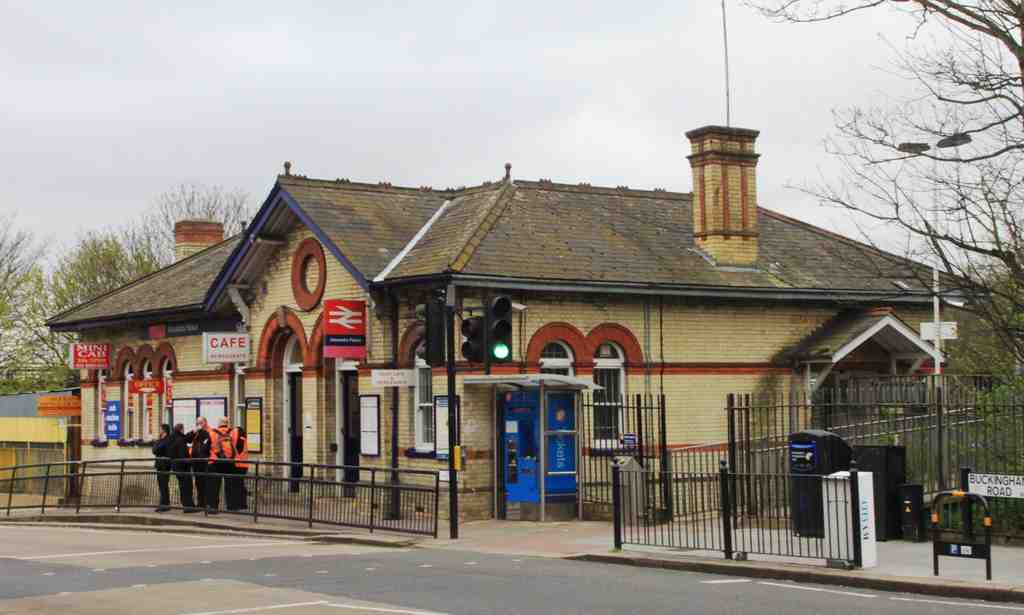
Abrir página dedicada →To spot Alexandra Palace railway station, look for a low, yellow-brick Victorian building with arched windows and a blue-framed gable right on Buckingham Road-just follow the red…Leer másMostrar menos
To spot Alexandra Palace railway station, look for a low, yellow-brick Victorian building with arched windows and a blue-framed gable right on Buckingham Road-just follow the red British Rail logo and you can’t miss it! Alright, you’re standing outside Alexandra Palace railway station-an unsung hero of rail travel, tough enough to survive while its two sibling stations, just like socks in a washing machine, mysteriously disappeared over the years. Take a deep breath and picture the buzz of trains on tracks stretching toward London King's Cross just a few miles down the line, the air tingling with possibility and the faint scent of strong platform coffee. This unassuming station has worn more identities than an undercover detective. It started life in 1859 simply as Wood Green, expecting a quiet existence, but before long the dramatic rise of Alexandra Palace nearby thrust it right into the limelight, and in 1864, it picked up a glitzy new title: Wood Green (Alexandra Park). Imagine Victorian London-the clatter of carriages, the buzz of anticipation in the air as crowds made their way here to see Alexandra Palace, that grand “People’s Palace” perched on the hill. The station became a hub, carrying everyone from eager families with picnic baskets to proper gentlemen in top hats (and, if you look hard enough, probably a fox sneaking in for a free ride). For a time, it seemed like the area would be blanketed with railways; not just this station, but another right at the Palace itself, and one at Palace Gates too. But as history loves a twist, only this one survived while the others slipped quietly into obscurity-leaving behind ghostly memories and the occasional oddball enthusiast hunting for old platform remains in the undergrowth. Next, take in the beautiful old station frontage-those bricks have seen over a century and a half of stories. Trains, of course, have thundered past, from the days of steam to today’s silent, electric Great Northern expresses. The London and North Eastern Railway took over during the roaring twenties, and the station’s name would boomerang, reverting to Wood Green in 1971 then-like a pop star making a comeback-snapping back to Alexandra Palace in 1982. Now, look closer and you’ll spot echoes of modern life. Maybe you see the blue ticket machines and Oyster readers, silently beeping away as Londoners tap in and out, a far cry from the days when “contactless” meant merely avoiding eye contact with the ticket inspector. Plans were even made, more than once, to turn this spot into the grand terminus of an underground line-imagine the hum of excited voices about to travel beneath the city, only to have the project swept away like dust in the wind when rail magnate Charles Yerkes changed the route. Not everything here is about trains rushing onward. Today, the station is a little green jewel thanks to the Friends of Ally Pally Station-a band of tireless volunteers who turned the platforms into gardens bursting with roses, herbs, fruit, and art. Some folks come for the train, end up staying for the tulips! Their monthly Gardening Parties keep the platforms lively, and their biggest project-the Bedford Rose Garden-rose (pardon the pun) from lockdown days, built up by a community sharing seeds, saplings, and neighborly cheer. Listen closely and you’ll hear the past still quietly echoing in the present. The hustle of old commuters, the hopes of 1920s railway planners, and the laughter of modern gardeners all blend into one unlikely but welcoming symphony. Even now, as you stand among the cheerful bustle-maybe dodging a pigeon or two-you’re a part of its story. And who knows? If Crossrail 2 ever makes Alexandra Palace its terminus, the station will once again become a gateway to countless new adventures, its history rolling on like the tracks heading north and south. So next time someone tells you train stations are just places to pass through, tell them the tale of Alexandra Palace station-it’s living proof that sometimes, waiting for your train is just the beginning of the story.
Abrir página dedicada →To spot Bounds Green Depot, look ahead for a large, grey industrial shed with shiny metal sides and a maze of train tracks leading right into its open doors. Take a moment to…Leer másMostrar menos
To spot Bounds Green Depot, look ahead for a large, grey industrial shed with shiny metal sides and a maze of train tracks leading right into its open doors. Take a moment to imagine yourself at the heart of London’s railway action-Bounds Green Depot, standing grand and a little mysterious with the rumble of trains echoing all around. This place is like a pit stop for superheroes, except the heroes here are trains. When you peek at those big train sheds, just think-inside, sleek AT300 trains for London North Eastern Railway, Hull Trains, and the stylish Lumo are getting their tune-ups, oil changes, and top-secret polish. Back in 1987, this depot wasn’t just full of fancy futuristic trains. The mighty diesel Class 08s and speedy HSTs called this place home, while the growls of main line engines filled the air. Over time, some trains, like the sturdy Class 91, said farewell and switched homes to Neville Hill-imagine a dramatic goodbye, waving off as the sun set on an era! Every train here has a story, and every bolt and spark means someone’s heading off on a new adventure tomorrow. Give a little wave to the depot-it’s the unsung hero of your train journeys, working behind the scenes, day and night.
Abrir página dedicada →
Mostrar 9 paradas másMostrar menos paradasexpand_moreexpand_less
To spot the old site of Palace Gates railway station, look for the area at the corner where Bridge Road meets Dorset Road-you’ll notice some houses and a few railway sidings that…Leer másMostrar menos
To spot the old site of Palace Gates railway station, look for the area at the corner where Bridge Road meets Dorset Road-you’ll notice some houses and a few railway sidings that hint at what used to be a bustling end-of-the-line stop. Now, let’s jump back in time, just for a moment! Imagine yourself in 1878, right where you’re standing, with the air thick with excitement and the puff of steam all around as Palace Gates railway station opens its doors for the very first time. That’s right-the Great Eastern Railway brought crowds of Londoners here, all eager for a ride to the grand Alexandra Palace, which bristled with Victorian wonders on the hill nearby. But it wasn’t all fun and games. Just up the road, the rival Great Northern Railway had their own Wood Green station, with staff looking across at Palace Gates and wondering who would win the passenger race. I like to imagine there were a few grumpy conductors who made their tea twice as strong just to keep up with the competition. In 1929, a connection was put in to Bowes Park on the GNR Hertford Loop Line, but honestly, it mostly carried grumbling freight wagons instead of bright-eyed travelers. Through the years, the station saw fashions change, coal dust settle, and children run along the platforms with ice creams (and maybe a pigeon or two stealing the odd crumb). But by the 1960s, the world had gotten a bit too fast, and with other lines and the shiny new Piccadilly underground taking over, Palace Gates was losing its passengers. As the last train pulled away in 1963, the platforms emptied, leaving only the sound of the wind rustling old timetables. If you look closely today, you might see the ghost of a platform edge, a bit of embankment here or the old bridge abutments there-whispers from a time when this quiet corner was the very last stop on a journey full of steam, stories, and a hint of rivalry.
Abrir página dedicada →To spot London Turkish Radio, just look for the bold black and red “LTR” sign, with swirling red waves and a crescent moon and star above-it’s impossible to miss, especially if…Leer másMostrar menos
To spot London Turkish Radio, just look for the bold black and red “LTR” sign, with swirling red waves and a crescent moon and star above-it’s impossible to miss, especially if you’re scanning the building fronts. Now, as you stand right here, imagine for a moment it’s late at night back in 1990. The city is quiet, and all you can hear is the faint buzz of London’s midnight. Across the radio waves, something new, something electric, breaks through the silence-a voice, music, laughter, and conversation, all broadcast in Turkish, just for one hour, between midnight and 1 a.m. That’s how it all started: at a time when most people were tucked away in bed, Turkish Radio was sending little rays of home to London’s Turkish-speaking community. But here’s the twist-one hour wasn’t nearly enough. The response from listeners was so wild that the station soon scored a licence to broadcast 24 hours a day. By 1994, it became London Turkish Radio, or LTR, growing bigger, bolder, and louder, like a drum roll that wouldn’t stop. Imagine people all over Haringey and beyond tuning in-families cooking together, shopkeepers tuning in behind the counter, Londoners of all ages connecting to their roots and each other through stories and songs. LTR became the heartbeat of London’s Turkish community-the only fully licensed station in Europe playing in Turkish round the clock, outside of Turkey and Northern Cyprus. At its peak, over 80,000 people in Haringey alone would tune in, their radios humming with music, chatter about politics, and all the local gossip you could ever want. Even when AM radio days faded, LTR found new listeners across the globe through the internet, from London to Los Angeles, and Tokyo to Sydney. So, if you listen carefully, standing here, you might just catch a whisper of that excitement, the secret joy of a midnight broadcast that turned into a worldwide community. Not bad for a radio station that started in the dead of night! Now, who’s ready to put on their dancing shoes-or maybe just their thinking cap-for the next stop?
Abrir página dedicada →To spot where Noel Park and Wood Green railway station used to be, look for the spot where Pelham Road meets The Broadway-today, this area is hidden underneath the busy Wood Green…Leer másMostrar menos
To spot where Noel Park and Wood Green railway station used to be, look for the spot where Pelham Road meets The Broadway-today, this area is hidden underneath the busy Wood Green Shopping City, with not a single old brick in sight. Now, let’s hop into our imaginary time machine, shall we? Close your eyes for a moment and picture standing here, but instead of the sound of buses and shoppers, you hear the hiss and clatter of steam engines. It’s 1878, and the Great Eastern Railway has just opened “Green Lanes” station-a humble, smoky hub at the edge of London. In those days, you’d see Victorian hats bobbing about and smell fresh coal lingering in the air as passengers bustled to catch the very first trains. As the years rolled on, the station grew right alongside the neighbourhood, changing its name more times than a secret agent-first Green Lanes & Noel Park when the vast Noel Park estate popped up, and finally Noel Park and Wood Green Station. But the poor station couldn’t compete-the shiny new Piccadilly Line had arrived, whisking folks to the city with lightning speed. By 1963, the last train had chugged away, the tracks fell silent, and eventually, every trace was swept away beneath the paths you’re walking now. So next time you’re shopping for socks, just imagine a steam train rumbling by-now that would liven up the checkout queue!
Abrir página dedicada →To find Noel Park, look for the rows of charming terraced houses made of warm yellow and red brick with matching pointed porch roofs, standing together on the corner-just ahead…Leer másMostrar menos
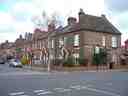
To find Noel Park, look for the rows of charming terraced houses made of warm yellow and red brick with matching pointed porch roofs, standing together on the corner-just ahead and to your right as you walk. Welcome to Noel Park! Take a deep breath and picture the world around you changing. It’s the 1880s, and where you’re standing now was mostly open fields and farms, grazed by cows and sheep, with the only sounds the rustle of wind and the distant chug of a steam train. But then, a bit of magic happened-well, the magic of bricks and good intentions! In the blink of a historic eye, these rows of cozy houses sprung up, all thanks to a company with a truly impressive name: the Artizans, Labourers & General Dwellings Company. Now, Noel Park isn’t just any ordinary neighborhood-it’s a planned community, a kind of Victorian dream-come-true. A forward-thinking architect named Rowland Plumbe was given the blank canvas and asked to build a place where working families could escape the smoky centre of London and find fresh air, gardens, and their own front door. Can you picture it? In those days, most workers crowded together in city housing, but here in Noel Park, everyone got not just a house, but their own front AND back garden. Not quite Downton Abbey, but not bad if you like a bit of grass between your toes. As you look up and down the street, imagine the area freshly built: young trees lining the avenues, little shop terraces springing up at the corners, and kids running over to school-built to fit hundreds, though soon it was packed beyond capacity. There were no pubs allowed to be built here, by the way, because the company that built the estate had a no-nonsense attitude to drink. In fact, even now, you won’t spot a traditional pub inside the old Noel Park boundary-a true rarity for London! The real secret of Noel Park’s success, though, was the railway. When it opened in the 1880s, the nearby Green Lanes station (later called “Noel Park & Wood Green”) meant that tired Londoners could head out in the morning and be home for dinner, surrounded by the chirping of sparrows, not the clatter of horse carts. But it wasn’t all smooth sailing. After hundreds of houses had sprung up, there was a tiny snag-many of the very workers they wanted to move here couldn’t afford the train fares to get into town! This led to some tense negotiations and, eventually, special “workman’s fares” for the trains. There were a few hiccups-missing ledgers, a sneaky foreman overcharging for building materials, and even the odd empty house waiting for its first tenants. As you stroll, notice the different brick patterns and shapes-no two streets are quite the same, a clever trick to make sure nobody ever feels like just another face in the crowd. You might spot the grander houses nearer the estate’s heart (hello, fancy turrets and snazzy details!), and the more modest but still lovely homes on the edges. Through the decades, Noel Park kept changing. It survived bombs in World War II, dances in the grand old theatre on the high street, and the coming of the giant Shopping City that now towers nearby. Some houses were damaged, but the spirit of the place held together-as did most of the unique Victorian buildings. Over time, many of the houses turned to council housing, but careful rules were set to keep them looking true to their roots-from chimney pots to garden fences-even as the world modernized and baths finally arrived inside. Today, you’re not just standing on any street-you’re inside one of London’s earliest true “garden suburbs,” a vision of green and community that inspired neighborhoods around the world. Who knows? Maybe if you listen closely, you’ll catch the echo of Victorian children playing hopscotch, or the proud voices at a Sunday street fair, marveling at the rare sight of a little patch of nature in the heart of a city. And that, my friend, is the story of Noel Park! If you're curious about the location, 20th century or the modern noel park, the chat section below is the perfect place to seek clarification.
Abrir página dedicada →To spot Lordship Lane, just look straight ahead for a long stretch of road lined with parked cars and Victorian terraced houses on both sides-on your left, there’s a leafy line of…Leer másMostrar menos
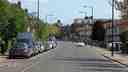
To spot Lordship Lane, just look straight ahead for a long stretch of road lined with parked cars and Victorian terraced houses on both sides-on your left, there’s a leafy line of trees and to your right, a neat row of chimneys and red-brick buildings, while traffic quietly hums along. Alright, take a deep breath and step into the story of Lordship Lane, Haringey-a stretch of road that’s been a witness to centuries of bustling change and a few surprises along the way! Imagine you’re standing here a thousand years ago. There wouldn’t have been roads, cars, or even chimneys. Just you, thick forests of oak, ash, and beech, and somewhere through the woodland mist, a path slowly being beaten down by the footsteps of early villagers. That first path? It wound its way from the leafy clearing of Wood Green, straight to the ancient Roman road called Ermine Street-think of it as the motorway of its day, only the tolls were wild boars. This area, before any king or queen put their stamp on London, lay within the Edmonton Hundred. Now, don’t be fooled; that wasn’t a group of particularly enthusiastic Edmonton fans-Hundreds were old English divisions, a way to parcel up the land for tax and law. The true rulers of the road, though, were the Lords of the Manor. Their manor house, Bruce Castle, still stands tall not too far from where you’re standing, a medieval giant turned museum of local secrets. Fast forward to the 1600s-you’d see fields of crops stretching north and south, much of the woodland finally cleared, and Jamie Oliver most definitely not running a farm shop. Parts of the lane were called Berry Lane, though by the early 16th century, the grander name “Lordship Lane” had stuck. The crops changed with the seasons, the lanes morphed, and the pub at the corner-His Lordship’s Tavern-opened its doors by 1875, no doubt serving a pint or two and a good story. Trams began to rattle down the road in 1904, bells ringing and sparks flying, making their way from Wood Green to Tottenham. By 1936, the trams were replaced by the futuristic marvel of trolleybuses, which in turn were swapped for diesel buses in the 1960s. (Let’s just say the smells and sounds improved… a bit.) As you walk, imagine the crowd: over on your left, the shops once curled around the corner; to the right, a grand bank-today’s Barclays-watched over what used to be a small, green square called Spouters Corner. This wasn’t just a pretty spot. It was a hotspot for fiery speeches and political rallies-a place for voices, arguments, and, occasionally, a Christmas fir tree twinkling in the winter dusk. Further along, you’ll come across traces of resilience. Buildings like Pickering Court stand on the site of a co-op grocery store, once the unlucky target of the only significant bomb strike here in World War II. That’s why you might spot a modern 1950s house nestled next to a classic Victorian terrace-war’s unpredictable fingerprints on the cityscape. For a moment, picture laughter echoing from what once was the Tottenham Lido, opened in 1937, a buzzing summer escape until the 1980s, long before Hollywood Green’s Showcase Cinema made its appearance. Those splashes and summer cheers may have faded, but the memories linger if you listen closely. School children have scampered along this lane since 1906, filling Lordship Lane Primary School with their excited chatter. And let’s not forget the air of mystery carried along Church Lane, leading to All Hallows Church, with whispers of Scottish royalty gifting land and ancient towers that have watched over Haringey since the Middle Ages. As for transport, well, this lane’s seen it all-trams, trolleys, buses, and, on occasion, a flood of fines enough to make Haringey Council the star of Channel 4 News. That’s one record for the books! So as you stand here, with modern cars lining the curb and distant echoes of the past all around, you’re at the heart of a living, breathing slice of London, where every step forward is also a step back in time. Keep your eyes and ears open; here on Lordship Lane, history is never far underfoot!
Abrir página dedicada →To spot the A105 road, just look straight ahead for a wide main road lined with shops on both sides, including a bold grey building on your right and colourful storefronts to your…Leer másMostrar menos
To spot the A105 road, just look straight ahead for a wide main road lined with shops on both sides, including a bold grey building on your right and colourful storefronts to your left. Welcome to the A105 road-no, it’s not just a jumble of letters and numbers, but one of London’s oldest and most important routes! Picture this road in its heyday: streams of horse carts trudging along in the foggy morning, Victorian traders with muddy boots, and the occasional runaway chicken clucking across the lane. The A105 stretches all the way from Canonbury up to Enfield Town, weaving through the city’s changing heart. For locals, this bit of road is famous as Green Lanes, one of London’s longest streets-and you really could get lost daydreaming (or shopping!) as you walk along. If you feel your feet itching for bargains, you’re in luck: this strip leads right into Shopping City, so keep your wallet close. Long ago, the A105 ran even further north, connecting tiny hamlets and farmland, but today, it’s been trimmed down and still buzzes with London energy. It’s a place where memories gather like dropped coins-a road with stories in every shop window and footsteps echoing from the past to the present. So as you listen, breathe in the city, imagine all the adventures that have stormed past you on these very pavements, and keep your eyes peeled-you never know who or what might turn up next!
Abrir página dedicada →You’ll spot the St Barnabas Greek Orthodox Church just ahead on your right, with its tall pointed steeple and a blossoming tree out front, behind a black iron fence. Now, imagine…Leer másMostrar menos
You’ll spot the St Barnabas Greek Orthodox Church just ahead on your right, with its tall pointed steeple and a blossoming tree out front, behind a black iron fence. Now, imagine taking a deep breath and smelling the faint hint of spring petals from the tree before you, while the tall white walls and sharp steeple of St Barnabas tower serenely in front of you. The church wasn’t always telling stories in Greek-it started off all the way back in 1876 as a lively Baptist chapel, likely filled with the sounds of Sunday hymns echoing off those very walls. But hold on, the plot thickens! In 1904, a mysterious new congregation, the Catholic Apostolic, took over. Imagine candlelight flickering through your fingers and the air humming with secrets and prayers that crossed both time and tradition. For over half a century, their rituals filled the space with an almost mystical atmosphere, until the mid-1960s, when the echoes faded again. In the 1970s, the Greek Orthodox community saw the potential in this timeless building and gave it a fresh heartbeat. So now, if you listen closely, maybe you’ll hear the faint music of old hymns blending with the joyful Greek chants, and the laughter of the community that’s called it home ever since. This church is like a treasure chest-each group left behind keys to its story, waiting for curious visitors like you to unlock them.
Abrir página dedicada →To spot Bowes Park, look straight ahead for a cozy street lined with Victorian-style shops and colorful storefronts, with a mix of pizza takeaways, a dental practice, and quirky…Leer másMostrar menos
To spot Bowes Park, look straight ahead for a cozy street lined with Victorian-style shops and colorful storefronts, with a mix of pizza takeaways, a dental practice, and quirky local businesses packed closely together on both sides. Welcome to Bowes Park, where it feels like you’ve stepped into the heart of a friendly London village - only with fewer shepherds and more takeaways. Now, close your eyes for a second and imagine the busy sounds of Myddleton Road - the laughter outside the café, the clink of cups in the Greek bakery, children racing bicycles past the barbershop, and someone tuning a piano in the café down the way. This spot, right on the borders of Wood Green, Palmers Green, and Bounds Green, is a patchwork of communities and stories, woven together in a shape locals call “The Triangle.” In the 1880s, before pizza shops and dental care filled the air with the scent of garlic and mouthwash, this area was just the land belonging to a manor called Bowes. The name goes so far back that you’d have to travel all the way to 1396 to read it scrawled as “Bowes” by a medieval scribe. And get this - the original “Bowes” family had some truly legendary arches in their blood (well, at least their name, “Arcubus,” means ‘of the bows or arches’ in Latin). Can you picture bowler-hatted gentlemen strolling past a grand manor, while the city of London rumbled just miles away? As London grew, Bowes Park became a playground for creative and curious minds. Sci-fi fans, brace yourself: Arthur C. Clarke, the man behind 2001: A Space Odyssey and dreams of far-off galaxies, once lived just around the corner on Nightingale Road with his brother Fred. If you ever find yourself pondering alien monoliths while in the local bakery, now you know who to thank. But the magic of Bowes Park isn’t locked in the past. Myddleton Road, the spine of this vibrant triangle, is the headquarters of community life these days. Local heroes meet as the “We Love Myddleton Road” group, which makes it sound a bit like a romance novel, but their real love story is with regeneration. Together with the police and council, they’ve turned the street from ghostly abandoned shops to somewhere you can eat baklava, browse vintage furniture, and pick up a baguette - all before noon if you walk fast. With help from English Heritage, many storefronts have been restored in the old timber-frame style, bringing a touch of timeless charm back to the block. Here, tradition isn’t just for show - it’s lived. The Bowes Park Summer Festival fills the air with music and delicious smells each year, and the Myddleton Road Market brings everyone out to hunt for treasures and taste treats from every corner of the world. Speaking of corners, don’t miss the New River, which quietly snakes beneath your feet and under Myddleton Road, all thanks to Sir Hugh Myddelton, who would surely approve of this ongoing current of community spirit. Religion, too, leaves a mark here, with St Michael at Bowes Church and Trinity at Bowes Methodist Church greeting passersby on Palmerston Road. And for fans of eccentric buildings, Shaftesbury Hall, a rare “tin tabernacle,” tells its own story of almost being bulldozed. Local determination saved it, echoing with community spirit all over again. And as if Bowes Park wasn’t already a star, it’s had its moment in the spotlight: Myddleton Road lit up TV screens in the cult comedy Spaced and hosted moments of movie mischief in The Infidel and The Blockheads’ music videos. So stand for a spell, take in the mix of old and new, and you’ll find the pulse of North London beating strong. One street, countless stories - and possibly, somewhere nearby, a science fiction writer dreaming up his next world to conquer. Yearning to grasp further insights on the community and grassroots campaigns, transport or the in popular culture? Dive into the chat section below and ask away.
Abrir página dedicada →

Preguntas frecuentes
¿Cómo empiezo el tour?
Después de la compra, descarga la app AudaTours e ingresa tu código de canje. El tour estará listo para comenzar de inmediato - solo toca play y sigue la ruta guiada por GPS.
¿Necesito internet durante el tour?
¡No! Descarga el tour antes de empezar y disfrútalo completamente sin conexión. Solo la función de chat requiere internet. Recomendamos descargar en WiFi para ahorrar datos móviles.
¿Es un tour guiado en grupo?
No - esta es una audioguía autoguiada. Exploras de forma independiente a tu propio ritmo, con narración de audio reproduciéndose en tu teléfono. Sin guía, sin grupo, sin horario.
¿Cuánto dura el tour?
La mayoría de los tours toman 60–90 minutos para completar, pero tú controlas el ritmo completamente. Pausa, salta paradas o toma descansos cuando quieras.
¿Qué pasa si no puedo terminar el tour hoy?
¡No hay problema! Los tours tienen acceso de por vida. Pausa y continúa cuando quieras - mañana, la próxima semana o el próximo año. Tu progreso se guarda.
¿Qué idiomas están disponibles?
Todos los tours están disponibles en más de 50 idiomas. Selecciona tu idioma preferido al canjear tu código. Nota: el idioma no se puede cambiar después de generar el tour.
¿Dónde accedo al tour después de comprarlo?
Descarga la app gratuita AudaTours desde App Store o Google Play. Ingresa tu código de canje (enviado por email) y el tour aparecerá en tu biblioteca, listo para descargar y comenzar.
Si no disfrutas el tour, te reembolsamos tu compra. Contáctanos en [email protected]
Paga de forma segura con 


