AudaTours logoAudaTours

Audioguía de Tarragona: Viaje por la Antigua Tarragona

Guía de audio10 paradas

El rocío del mar persiste donde una vez rugieron leones y tronaron carros, pero Tarragona guarda sus secretos más feroces justo debajo de las piedras bañadas por el sol. Un audioguía autoguiado te invita a salirte del camino habitual y a desvelar historias tejidas a través de antiguas arenas, túneles sombríos y plazas bulliciosas—ecos de la grandeza romana y travesuras medievales que la mayoría de los visitantes nunca perciben. ¿Qué destino de rebelde silenció a miles dentro del anfiteatro de Tarraco una tarde sofocante? ¿Qué túneles olvidados se retuercen bajo el circo, aún ocultando pistas dejadas por astutos aurigas? ¿Quién convocó una misteriosa celebración en la Plaza de la Fuente—solo para que una plaza vacía y unas bolas desaparecidas robaran el protagonismo? Recorre el cambiante poder de Tarragona, leyendas susurradas y escándalos juguetones mientras el corazón estratificado de la ciudad se despliega bajo tus pies. Siente el pulso de siglos perdidos con cada giro. Las piedras recuerdan. Atrévete a descubrir lo que aún se niegan a contar—comienza tu viaje ahora donde la historia se alza salvaje sobre el Mediterráneo.

Vista previa del tour

map

Sobre este tour

  • schedule
    Duración 30–50 minsVe a tu propio ritmo
  • straighten
    2.4 km de ruta a pieSigue el camino guiado
  • location_on
    UbicaciónTarragona, España
  • wifi_off
    Funciona sin conexiónDescarga una vez, úsalo en cualquier lugar
  • all_inclusive
    Acceso de por vidaReprodúcelo en cualquier momento, para siempre
  • location_on
    Comienza en Anfiteatro de Tarraco

Paradas en este tour
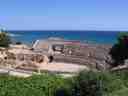
  1. If you look towards the sparkling blue sea, you can’t miss the giant oval-shaped stone structure nestled just behind the city walls-that’s the Tarraco Amphitheatre, where stone…Leer másMostrar menos

    If you look towards the sparkling blue sea, you can’t miss the giant oval-shaped stone structure nestled just behind the city walls-that’s the Tarraco Amphitheatre, where stone steps curve down toward a sunlit arena, almost as if they’re inviting you into an ancient spectacle. Now, close your eyes for a moment and imagine the smell of salty sea air mixing with the dust from centuries-old stones beneath your feet. Right where you’re standing, thousands of Romans once gathered for the ultimate showtime. This amphitheatre sprang to life at the end of the 2nd century AD, in the heyday of Roman Tarraco-back then, the city was a true power player, the capital of the province Hispania Citerior Tarraconensis. Romans really knew how to party: think 14,000 people packed into these stone seats, all buzzing with excitement, waiting to see gladiators and wild beasts burst into action. Picture it: the crowd roars as doors beneath the arena creak open. Behind the scenes, there were pulleys, winches, and cages hiding beneath your feet, ready to whisk animals or gladiators up into the sunlight. Sometimes, they even stretched a giant canopy-called a velum-over the audience, shielding them from the sizzling Spanish sun. If you were a VIP, you got the best seat; if not, well, hope you enjoyed your view from the nosebleeds! The amphitheatre wasn’t just about entertainment, though. In 259 AD, during a dark time for Christians, the city’s bishop Fructuoso and his two brave deacons, Augurio and Eulogio, met a fiery fate right here on the sand, condemned by Emperor Valerian’s orders. Imagine the hush falling over the crowd, the heat from the flames, and the somber realization that sometimes, the show was all too real. As centuries rolled on, the amphitheatre’s glory faded but its spirit stayed alive. With the coming of Christianity, it lost its bloodthirsty moments, and clever builders pinched its giant stones to raise a basilica on this very spot. Where fights and fate once decided winners and losers, prayers now echoed within church walls. By the 5th century, the arena had another role: it became a resting place for the faithful, with tombs and mausoleums snuggling the church. But history had more transformations in store! When the city faced the Islamic invasion, the site stood silent for ages-until the 12th century, when a brand-new church rose, dedicated to Santa Maria del Milagro. (Although, funnily enough, even that church couldn’t outlast history! It survived till only 1915.) If you look closely, you’ll still spot clues from every era: massive stone blocks that used to support roaring crowds, a basilica’s old outline, and silent tombs, all stacked like time’s layered cake. So next time you see a wild arena on TV, remember: the specials effects had nothing on the real roaring lions, gladiators, and drama right here by the sea. Welcome to the original blockbuster-minus the popcorn!

    Abrir página dedicada →
  2. To spot the Roman Circus of Tarraco, look just ahead for a stretch of ancient stone walls and a tall, round tower-these impressive ruins stand out against the modern city…Leer másMostrar menos

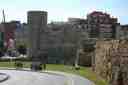
    To spot the Roman Circus of Tarraco, look just ahead for a stretch of ancient stone walls and a tall, round tower-these impressive ruins stand out against the modern city buildings that surround them. Now, let your mind race back almost two thousand years. You’re standing in front of what was once one of the most pulse-pounding spots in all of Roman Hispania: the Circus of Tarraco! Imagine the sound of thousands of excited spectators roaring and shouting, their cheers echoing through the air as four-horse chariots thundered down this elongated stadium, dust flying behind them. It was built at the end of the first century AD, reportedly on the orders of Emperor Domitian himself-which makes you wonder, did he ever pop in for a quick chariot race, or was he more of a “watch from the imperial box” kind of guy? In its prime, the circus could fit an astonishing 23,000 people. That’s a lot of togas and a massive popcorn line! The arena was long and narrow, finished with a dramatic curve at one end. The architecture was so clever that not only were there seats built right into strong, vaulted tunnels, but the entire building blended into the city’s landscape. Sometimes I wonder if ancient engineers invented hide-and-seek by accident. The real stars here were the ludi circenses-the circus games. Horse races featuring teams of two or four, thundering wheels, and drivers called aurigas, racing for glory, fortune, or just not to get run over. There was drama, wild bets, and plenty of competition. If you listen very closely, you might almost hear the pounding hooves and the rumble of wooden wheels on stone. But time changed everything. By the mid-5th century, Roman power faded, the grand circus lost its crowds, and the space was transformed. People built new homes right inside the old arena, using the original walls and vaults for support. Strangely enough, this helped preserve the structure, tucking it right into Tarragona’s heart-and now, experts say it’s probably the best-preserved Roman circus on the planet. What you can visit today are those strong eastern walls, the triumphal gateway, and echoing tunnels beneath the stands. These tunnels almost disappear into the city’s belly, holding onto secrets, shadows, and maybe the ghostly cheers of a lucky charioteer crossing the finish line. So snap a photo next to those ancient stones and picture yourself in the race of a lifetime-minus the risk of a runaway chariot!

    Abrir página dedicada →
  3. Directly ahead of you spreads the wide, flat expanse of Plaza de la Fuente-just look for a grand open square wrapped with colorful old buildings, lively café terraces, and,…Leer másMostrar menos

    Directly ahead of you spreads the wide, flat expanse of Plaza de la Fuente-just look for a grand open square wrapped with colorful old buildings, lively café terraces, and, presiding proudly at the far end, the neoclassical town hall. Welcome to the beating heart of Tarragona-Plaza de la Fuente! Take a deep breath, you’re standing in a place that’s seen more stories than the balconies that line its painted facades. Imagine it: this plaza actually sits right on top of what used to be a chunk of the ancient Roman circus arena, where crowds once roared at chariot races, and maybe the occasional gladiator wishing they’d chosen accounting instead. Now, it’s the city’s main living room, buzzing with laughter and café chatter from early morning coffees to late-night toasts. Life has always centered around Plaza de la Fuente. Since the 1300s, it’s hosted Tarragona’s legendary fairs, drawing everyone from medieval merchants with squeaky carts to kids chasing dreams-and maybe chickens-across the stones. Back in those days, this was the only place big enough for public gatherings, earning it the name “plaza del Corral.” Don’t be surprised if you feel some echoes of ancient applause or the ghostly cheer of medieval market-goers as you look around. Now, picture this: the plaza under your feet was slowly patched together over centuries. As new buildings grew up, every architect added their own flavor to the mix. That’s why the facades are such a patchwork of styles-each one telling a different story from the city’s age of wine riches and the rush of trade at the bustling port. Peek at the streetlamps, too; they were designed by Ramón Salas in 1889 and stand tall like silent sentinels, lighting generations of nighttime revelers. If you look toward the south side, the grand, pale building anchoring the square is Tarragona’s city hall-a neoclassical beauty that’s watched over countless celebrations and, let’s be honest, a few political dramas. Now, here’s a mystery for you: beneath your feet is a hidden world-an underground parking garage, built with quite a stir as Tarragona worried about tunneling too close to ancient Roman remains. Talk about parking on history! Speaking of quirky stories, last June 23rd at 12:30, there was meant to be a big party right here to celebrate… well, something that only existed in people’s heads. No one showed up, and rumor has it, folks were actually hunting for some missing balls that never appeared. That’s Tarragona for you-full of surprises and more than a few playful legends. Before you wander off, here’s your local tip: if you ever find yourself hungry, nearby at the Nou Estadi they serve lamb so famously rare you’ll have time to write a novel before it’s ready. If you see Alan Godoy, ask him if the wait’s shorter now-just don’t expect anyone to find those missing balls!

    Abrir página dedicada →
Mostrar 7 paradas másMostrar menos paradasexpand_moreexpand_less
  1. To spot the National Archaeological Museum of Tarragona, just look for the big, rounded stone building peeking out from behind all those tall green palm trees, with a classical…Leer másMostrar menos

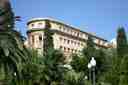
    To spot the National Archaeological Museum of Tarragona, just look for the big, rounded stone building peeking out from behind all those tall green palm trees, with a classical statue by the windows and rows of square windows along the top. You’ve arrived at a true time machine! Standing here, you can almost hear the echoes of Roman sandals across marble floors. This museum is the oldest of its kind in Catalonia, home to a treasure chest of wonders from the days when Tarragona was called Tarraco and ruled by Roman emperors and clever merchants. Imagine ancient coins clinking, the hush of scholars in togas, and mosaic artists crafting glittering tales out of tiny stones-some of those very mosaics are inside, just waiting to tell their story. An antique or two in there might’ve been lost for centuries, maybe rediscovered by a lucky goose-okay, more likely by historians, but it’s fun to imagine! Most of this incredible collection comes from discoveries made in the last 150 years, but some pieces date all the way back to the 16th century-older than some of the dust in your attic! Out front, the trees whisper ancient gossip, while the museum itself guards secrets from Roman times to Early Christian days-there’s even a library for extra curious minds. As a proud member of the Roman Europe network, this place links Tarragona to a whole continent of ancient mysteries and grand adventures. Are you ready to step inside and chase the footsteps of Roman history? Don’t worry, you won’t need sandals-or a toga.

    Abrir página dedicada →
  2. Inside, the air is gilded with inspiration. Paintings shout across the galleries, and sculptures seem to whisper secrets if you listen close. Like a good mystery novel, the…Leer másMostrar menos

    Inside, the air is gilded with inspiration. Paintings shout across the galleries, and sculptures seem to whisper secrets if you listen close. Like a good mystery novel, the collection moves from Tarragona’s own artists to the work of giants like Joan Miró. The highlight? Maybe it’s the vivid colors, the dramatic light, or that one painting that always looks like it’s winking at you. Hey, if a painting winks back, maybe you’ve spent too long at the museum. So, take a deep breath, let your imagination run wild, and remember: sometimes, the boldest stories aren’t on the street-they’re painted on the walls.

    Abrir página dedicada →
  3. Look ahead for ancient stone walls and grand arched ceilings, with impressive ruins and carved figures standing beneath a vaulted chamber-the Roman Forum of Tarraco will be right…Leer másMostrar menos

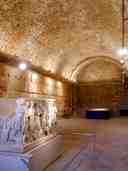
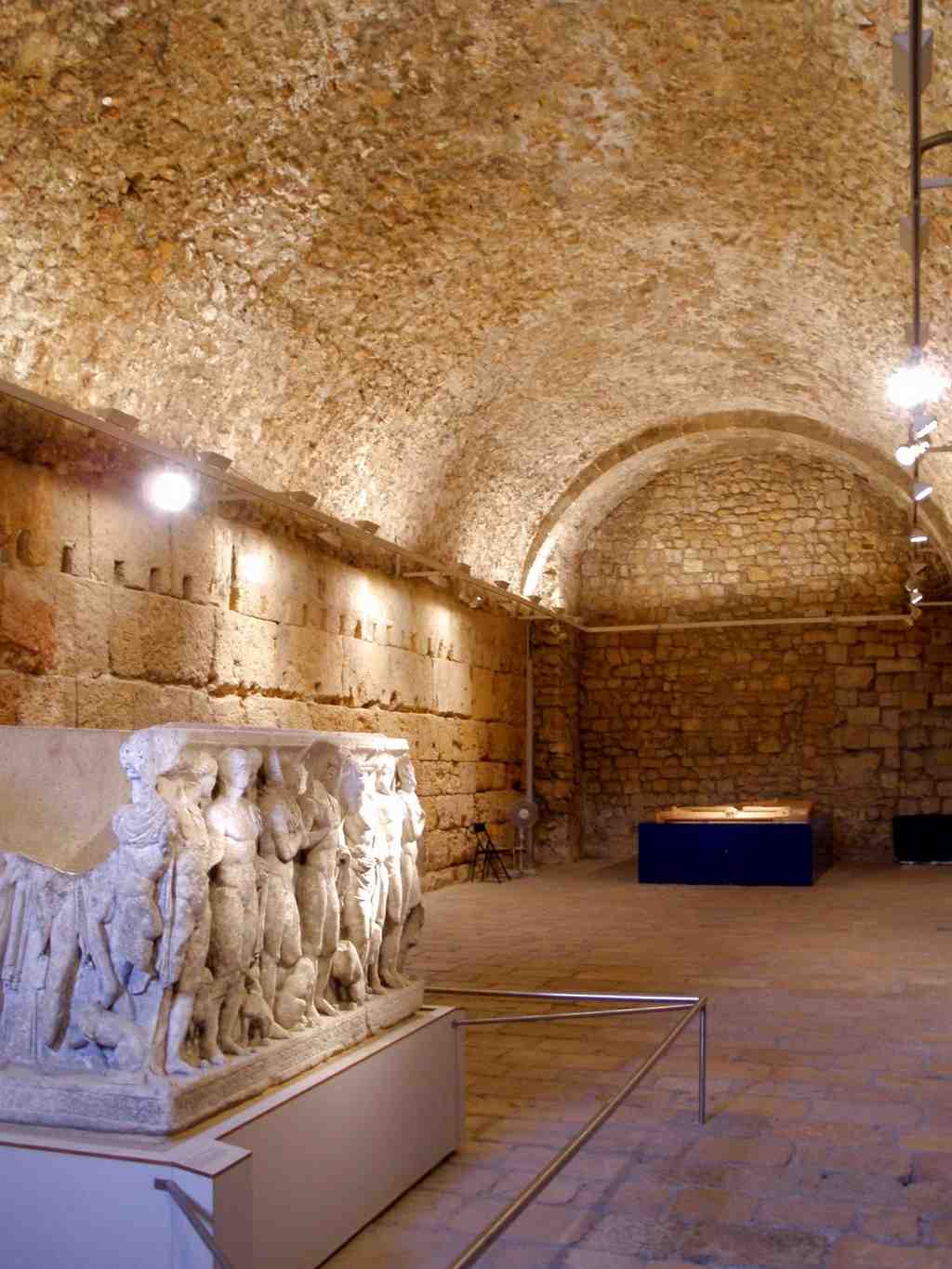
    Look ahead for ancient stone walls and grand arched ceilings, with impressive ruins and carved figures standing beneath a vaulted chamber-the Roman Forum of Tarraco will be right in front of you. Now that you’re standing here, take in the coolness of the old stone and imagine: nearly two thousand years ago, this spot was the beating heart of Roman Tarragona-known to the ancients as Tarraco. Picture a vast space bigger than 20 football fields, filled with the sound of sandals on marble. Back in 73 AD, Emperor Vespasian himself ordered this forum to be built, creating not just a plaza but what some locals might have called the “super-mall” of ancient Spain. It was the center for Roman administrators, priests, and powerful officials, but also for locals who wanted to see and be seen. What you see around you once formed the most enormous public square ever built in the entire Roman Empire-so big it would have dwarfed even the forum back in Rome! Imagine that: 318 meters long and 175 meters wide, surrounded by tall columns as high as two giraffes stacked on top of each other. There were not one, but two grand squares here-a sacred plaza for worship, and a larger plaza for dazzling political displays, oaths of loyalty, and the occasional juicy bit of gossip. If Augustus, the emperor, ever strolled through here, he’d have needed a map just to find the snack stands. Just above you, the most important religious ceremonies took place at a massive altar. The plaza’s perimeter was lined with porticos, so on a hot day you could watch the show in the shade. It wasn’t all fun and games, though-behind these walls was the Council Chamber for the whole province, a treasury strong enough to protect Roman gold, and even a state archive where officials, no doubt, argued about taxes. Every governor, priest, and advocate had their job to do-just imagine the political debates echoing beneath these very arches. If we go back even further in time, the buildings surrounding these plazas later turned into homes, with kids playing in the old temples and traders setting up market stalls where senators once walked. During the Middle Ages, a web of narrow streets began criss-crossing the interior of the square, creating the medieval city layout you see today. So, if you ever feel lost in the winding streets of Tarragona, blame the Romans-they started the whole maze! And there’s still a little mystery in the air-the Temple of Augustus, with its immense columns, once stood here somewhere, but historians haven’t found its exact spot. Maybe if you listen closely, the stones might still whisper the secrets of the emperors. Today, you can still see fragments of the ancient vaults and walls, and even the stone steps that connected the ceremonial plaza to the lower circus-so watch your step, you might end up in a Roman chariot race! Before you leave, take one last look at these mighty arches and feel the echoes of power, worship, and intrigue. Only a few stones remain, but here in Tarraco, every rock has a story.

    Abrir página dedicada →
  4. To spot the Roman Catholic Archdiocese of Tarragona, just look up ahead for a grand stone cathedral rising above the rooftops, with an impressive tall bell tower and a huge…Leer másMostrar menos

    To spot the Roman Catholic Archdiocese of Tarragona, just look up ahead for a grand stone cathedral rising above the rooftops, with an impressive tall bell tower and a huge circular rose window facing the city. Now, as you stand outside this magnificent cathedral, imagine time swirling around you-and perhaps a few mischievous Roman ghosts peeking from the windows! Welcome to the living heart of spiritual power in Tarragona, where sandstone walls whisper stories stretching back almost two thousand years. Long before Tarragona had modern snacks or selfie sticks, it was one of the oldest cities in Spain, a place of Iberian coins, enormous cyclopean walls, and, eventually, the marching boots of the mighty Romans. The Romans picked Tarragona as their headquarters for governing all of eastern Spain-a big deal, considering they were the ancient world’s equivalent of a global corporation. Right where you’re standing, the city became the capital of first Hispania Citerior and later the entire province of Tarraconensis. Of course, with great power comes great paperwork-and spiritual responsibility. The early Church here is said to have even gotten a visit or two from not just anyone, but James and Paul! Imagine the excitement (and probably a mad dash to tidy the altar). The first confirmed bishop’s story is a bit more dramatic: Saint Fructuosus, who bravely faced martyrdom alongside his deacons Augurius and Eulogius, as written in the third-century Acts. As centuries spun by, Tarragona’s bishops became regulars at church councils, representing their see at Arles in 314, sending letters to popes, and even starring as subjects in papal decrees. But peaceful times didn’t last-if these walls could talk, they’d definitely complain about the Vandals, the Suevi, and the Alani, who trampled through in the 5th century. Then came the Visigoths, who in 475 decided a bit of demolition was the way to go. Yet, out of the dust, Tarragona’s church rose again-stubborn as a mule and twice as resilient! By 516, the city’s Archbishop John was so organized he convened the province’s bishops for councils tackling everything from stubborn monks to holy matters. The bishops here were definitely multitaskers-one even got a commentary on the Song of Solomon dedicated to him. And talk about traveler miles! Tarragona’s bishops traveled to councils all over Spain, sometimes in person, sometimes by trusty substitute. Then, in the early 8th century, the city’s echoes were shattered again-this time by the thunder of the Muslim invasion. In 719, Tarragona was destroyed, and for a while, its territory and religious clout passed to other cities. The see’s title played a game of musical chairs between Barcelona, Narbonne, Vich, and back-popes, counts, and bishops all trying to outsmart one another like a medieval episode of “The Apprentice.” By 1116, you could say Tarragona’s luck changed-at least if you were rooting for the home team. Ramón Berenguer III, who bore the very impressive nickname “the Great,” officially retook the city. Bishop Olegarius, who’d already been a canon, abbot, and bishop (talk about padding a résumé!), became the champion of Tarragona’s renewed spiritual might. He was so devoted, he governed, recolonized, and even showed up to big church councils from Toulouse to Reims, and Lateran to Clermont, all while surviving the sometimes dangerous politics of medieval Spain. One archbishop, Hug de Cervelló, sadly didn’t make it-murdered by the sons of a feuding Norman noble. But for all its drama, something extraordinary flourished here: A cathedral that became the crowning place for Kings of Aragon, a hub for councils debating issues from Templars to feuds between rival city factions. One archbishop even picked up the future King James I in his arms on the day he swore his oath (imagine the scene-“Don’t drop the future monarch!”). Another, Asparec de la Barca, was so dedicated to Christian expansion he sent money, soldiers, and, if they’d let him, probably sandwiches for the king’s campaign in Majorca. Through wars, reforms, and even the Inquisition, the Archdiocese of Tarragona endured, growing in strength, population, and architectural splendor. Today, as you gaze up at those intricate rose windows and gothic towers, know you’re looking at the beating heart of centuries-not only of faith, but also of power, drama, and very determined bishops. If walls could talk, these would probably say: “Relax, we’ve survived everything from Visigoths to inquisitions… and the odd enthusiastic tourist!”

    Abrir página dedicada →
  5. To spot the Portal de Sant Antoni, look for a grand stone archway with ornate carvings right in the middle of the ancient city wall directly ahead of you. Now, get ready to…Leer másMostrar menos

    To spot the Portal de Sant Antoni, look for a grand stone archway with ornate carvings right in the middle of the ancient city wall directly ahead of you. Now, get ready to imagine yourself stepping back in time! Before you stands the Portal de Sant Antoni, built in 1737 - a time when sailors still argued about which way was north, and royal messengers might come clattering through, their horses’ hooves echoing off these very stones! This mighty Baroque gate isn’t just a door; it’s a declaration. Notice that elaborate coat of arms perched above the arch? That belonged to King Philip V of Spain, just to remind everyone who called the shots around here. He’s got two fierce lions guarding the shield, looking like they haven’t blinked in centuries. Below it, look for the city’s own coat of arms, proudly shouting, “Welcome to Tarragona!” or maybe “Behave yourself!” depending on who you ask. Can you picture the locals bustling about on market days, some giving a nervous glance at the lions, others pausing for a secret gossip? Every stone here has overheard centuries of secrets, seen triumphs, and maybe joined in a festival or two. On misty mornings, you might almost expect to hear distant drums or the dramatic entrance of a royal carriage. So, as you stand here, take a breath - you’re brushing shoulders with history, and these Baroque stones are still standing watch, making sure every story finds its way home.

    Abrir página dedicada →
  6. To spot the Provincial Department of Tarragona, look for a large, pale yellow building with red accents on the upper floor, big windows, and three grand street lamps out front,…Leer másMostrar menos

    To spot the Provincial Department of Tarragona, look for a large, pale yellow building with red accents on the upper floor, big windows, and three grand street lamps out front, directly across from a row of parked scooters. Welcome to the Provincial Department of Tarragona! Imagine yourself back in the early 1800s, when this spot wasn’t just a plain building, but the bustling nerve center of the province-a place simmering with debates, decisions, and probably enough paperwork to flatten a Roman chariot. Originally set up in 1822, its very first president was Jacobo Gil de Avalle, someone who probably never imagined that over a century later, you’d be standing here listening to me ramble. Things quickly took a turn for the dramatic in 1835, thanks to political tension and even some Carlist guerrilla action; the first real plenum only gathered here after the dust settled. Over the years, as Tarragona grew, so too did the council’s reach-giving this stately building a kind of magnetic pull for the region’s most important decisions. Fast forward to the present and you’ll see this isn’t just a relic but an active center of civic life, led by Noemí Llauradó i Sans since 2019. It’s where the pulse of local government beats, where voices rise, and-on a long day-where yawns echo down the corridors after late-night debates! Fun fact: its role is changing. The law now hints that one day, town councils will replace the work done here, and a new council might take its place. But don’t let the calm exterior fool you. Inside, history brewed with every vote-handling revolts, reforms, and countless presidents whose names get longer the more you read. So, as you look up at these walls, imagine the echo of old arguments, victories, disappointments, and hope radiating from every window. Maybe if you listen closely, you can almost hear the voices of past debates drifting on the breeze. Before we march to our final stop, take one last glance and picture the decisions that shaped Tarragona right here!

    Abrir página dedicada →
  7. Directly in front of you, you’ll spot a giant, rugged stone wall stretching ahead, so just look for the towering ancient blocks rising above the trees and the castle-like tower at…Leer másMostrar menos

    Directly in front of you, you’ll spot a giant, rugged stone wall stretching ahead, so just look for the towering ancient blocks rising above the trees and the castle-like tower at the far end. Ah, here you are-standing by the Wall of Tarragona, and I hope you packed your imaginary shield, because you’re right where Roman soldiers once marched and patrolled! Picture this: the air filled with shouts and clangs, dust swirling around the feet of guards as they kept watch for sneaky invaders or wandering goats trying to join the city (hey, Roman problems!). These walls, tough and tall, were built to protect the city nearly two thousand years ago. Imagine strong Romans stacking these stones with sweat on their brows and gossip about the latest gladiator on their lips. But there’s a twist-over the centuries, many tried to break through, but the wall just stood there, like the world's strictest bouncer at a Roman party. By 1884, people realized: “Hey, this wall isn’t going anywhere!” and so it was given special protection as a site of cultural interest. Listen carefully and you might hear whispers of ancient celebrations, tense standoffs, or maybe a lost legionnaire wondering where he left his helmet. The Wall of Tarragona isn’t just stone and mortar; it’s a silent storyteller, guarding centuries of adventure, drama, and a touch of Roman mischief.

    Abrir página dedicada →

Preguntas frecuentes

¿Cómo empiezo el tour?

Después de la compra, descarga la app AudaTours e ingresa tu código de canje. El tour estará listo para comenzar de inmediato - solo toca play y sigue la ruta guiada por GPS.

¿Necesito internet durante el tour?

¡No! Descarga el tour antes de empezar y disfrútalo completamente sin conexión. Solo la función de chat requiere internet. Recomendamos descargar en WiFi para ahorrar datos móviles.

¿Es un tour guiado en grupo?

No - esta es una audioguía autoguiada. Exploras de forma independiente a tu propio ritmo, con narración de audio reproduciéndose en tu teléfono. Sin guía, sin grupo, sin horario.

¿Cuánto dura el tour?

La mayoría de los tours toman 60–90 minutos para completar, pero tú controlas el ritmo completamente. Pausa, salta paradas o toma descansos cuando quieras.

¿Qué pasa si no puedo terminar el tour hoy?

¡No hay problema! Los tours tienen acceso de por vida. Pausa y continúa cuando quieras - mañana, la próxima semana o el próximo año. Tu progreso se guarda.

¿Qué idiomas están disponibles?

Todos los tours están disponibles en más de 50 idiomas. Selecciona tu idioma preferido al canjear tu código. Nota: el idioma no se puede cambiar después de generar el tour.

¿Dónde accedo al tour después de comprarlo?

Descarga la app gratuita AudaTours desde App Store o Google Play. Ingresa tu código de canje (enviado por email) y el tour aparecerá en tu biblioteca, listo para descargar y comenzar.

verified_user
Satisfacción garantizada

Si no disfrutas el tour, te reembolsamos tu compra. Contáctanos en [email protected]

Paga de forma segura con

Apple PayGoogle PayVisaMastercardPayPal

AudaTours: Audioguías

Tours a pie autoguiados entretenidos y económicos

Probar la app arrow_forward

Amado por viajeros de todo el mundo

format_quote Este tour fue una excelente manera de ver la ciudad. Las historias fueron interesantes sin parecer demasiado guionadas, y me encantó poder explorar a mi propio ritmo.
Jess
Jess
starstarstarstarstar
Tour de Tbilisi arrow_forward
format_quote Esta fue una forma sólida de conocer Brighton sin sentirme como un turista. La narración tenía profundidad y contexto, pero no se excedía.
Christoph
Christoph
starstarstarstarstar
Tour de Brighton arrow_forward
format_quote Empecé este tour con un croissant en una mano y cero expectativas. La app simplemente vibra contigo, sin presión, solo tú, tus auriculares y algunas historias geniales.
John
John
starstarstarstarstar
Tour de Marsella arrow_forward

Audioguías Ilimitados

Desbloquea el acceso a TODOS los tours del mundo

0 tours·0 ciudades·0 países
all_inclusive Explorar Ilimitado