

Tour de audio de Toulouse: Leyendas, Revolución y Ritmos de la Ciudad Rosa
Bajo los tejados bañados por el sol y los carruseles giratorios de Toulouse, siglos de intriga yacen ocultos a plena vista. Este tour de audio autoguiado desvela capas de calles ordinarias y plazas bulliciosas, revelando los dramas secretos y las leyendas olvidadas de la ciudad. ¿Quién lo arriesgó todo en la resistencia encubierta desde una discreta esquina? ¿Qué estatuas desaparecidas y puertas medievales dividieron una vez a amigos de enemigos en el corazón de la Place Wilson? ¿Por qué un noble científico temió por su vida mientras la revolución transformaba una humeante posada en la Rue Lapeyrouse? Pasea entre ecos de batallas políticas, noches rebeldes, triunfos artísticos y momentos silenciosamente borrados por el tiempo. Cada paso desvela la apariencia de la historia mientras grandes fachadas, rumores susurrados y leyendas de la ciudad danzan a tu alrededor como la luz vespertina de Toulouse. ¿Listo para seguir los pasos de héroes y soñadores donde el pasado aún se agita bajo tus pies? Dale al play: la verdadera Toulouse te espera justo después de la próxima esquina.
Vista previa del tour
Sobre este tour
- scheduleDuración 40–60 minsVe a tu propio ritmo
- straighten1.8 km de ruta a pieSigue el camino guiado
- location_on
- wifi_offFunciona sin conexiónDescarga una vez, úsalo en cualquier lugar
- all_inclusiveAcceso de por vidaReprodúcelo en cualquier momento, para siempre
- location_onComienza en Plaza Wilson
Paradas en este tour
Look around for a large, circular square surrounded by harmonious brick buildings and shady trees, with a carousel and fountains at its center-this is Place Wilson, often bustling…Leer másMostrar menos
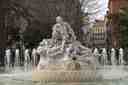
Look around for a large, circular square surrounded by harmonious brick buildings and shady trees, with a carousel and fountains at its center-this is Place Wilson, often bustling with people, music, and laughter. Take a moment right here: in the heart of Toulouse’s Saint-Georges neighborhood, you stand at Place du Président-Thomas-Woodrow-Wilson. It might seem like any lively city square, but under your feet, history runs deep like the Garonne. Imagine the sound of students chatting at late-night cafés, the clink of coffee cups, and the distant hum of cinema-goers bustling to the theaters. This has always been a place where life pulses, whether you’re catching the Ville shuttle, hopping off the Metro at Capitole, or grabbing a bike at a VélôToulouse station. But this square hasn’t always been called Place Wilson. It might surprise you, but for centuries-from the days of the medieval Villeneuve family to more recent times-it’s played a dramatic role in Toulouse’s story. Back in the Middle Ages, the mighty Villeneuve family had their tower around here, linked closely with the city’s rulers. In 1216, Simon de Montfort met with the city’s consuls right on this spot as his army besieged Toulouse. Try to picture the city walls, just outside the gate known as Porte Villeneuve, the distant clang of armor, and whispered negotiations. Fast forward a few hundred years to 1562: war shakes Toulouse. Protestant fighters are forced from the city through that same ancient gate, led away after fierce battles at the nearby Capitole. To keep them out for good, Catholic townsfolk seal the gate and install a statue of the Virgin Mary-Notre-Dame du Rempart-to stand as a guardian and, perhaps, a warning to anyone who might threaten the city’s peace. As Toulouse grew, the square changed along with it. In the late 1700s, carriages rattled over cobblestones, causing chaos and accidents as drivers came to pay tolls at the Capitole. The city decided to solve the problem: in 1783, a new vision began. An ambitious architect, Jacques-Pascal Virebent, drew grand plans for a double square-one “inside” the city, one “outside”-divided by a monumental gateway. Work stuttered-wars and revolutions kept breaking out-but by the early 1800s, teams of workers finally tore down almost 300 meters of medieval wall, sculpting the Place into its modern shape. Names here have come and gone like changing tides. It’s been Villeneuve Square, then Angoulême after the nobleman who entered Toulouse in triumph with British Wellington’s army. Then came Lafayette, the hero of two worlds, after the winds of revolution swept the monarchy away. Later, politics shifted again-a column was almost built here to celebrate “restored liberty”-but plans changed, rulers changed, and by the end of World War I, the square was officially named for Woodrow Wilson, honoring the US President who allied with the French and stood for peace after so much conflict. But Place Wilson hasn’t just lived in the world of politics. In 1876, the ornate Square Lafayette was built in the center, once dazzling with iron railings and crowned by the sculpture of Moses breaking his chains. Over the years, the garden grew crowded with trees-look around for a cypress from Virginia, a female ginkgo, an American red oak, tulip trees, and even a weeping cedar whispering in the wind. In spring, the air smells green, and when you close your eyes, you might imagine the splash of water from the central fountain and the call of birds overhead. Right at the heart of all this is the Monument to Goudouli, Pèire Godolin, a beloved poet. This marble statue, finished after many delays in 1908, shows Godolin resting with his hat and book, a gentle smile on his lips, beside an enchanting nude figure pouring water from an urn-she’s the Garonne, the river that’s always been Toulouse’s lifeblood. Children play around the fountain, lovers meet on its benches, and time seems to linger, just for a moment. War scarred this place too: during World War II, there were plans to move the Goudouli monument to the Jardin des Plantes, but the people of Toulouse objected fiercely, determined to keep their poet in the city’s heart. The square also features a bust of Armand Silvestre, another son of Toulouse, sculpted in gleaming white stone. And in the winter, the branches here gather soft fog, while in summer, the square is all light and music. Finally, look for the carousel, a more recent arrival in 2007, but already beloved, with painted horses circling in a blur of color and laughter-a final note in the ever-evolving song of Place Wilson. Here, centuries of memory, poetry, and joy mingle in the air, inviting you not just to pass through, but to pause and be part of Toulouse’s living story.
Abrir página dedicada →
Mostrar 12 paradas másMostrar menos paradasexpand_moreexpand_less
Directly in front of you, the Square Charles-de-Gaulle opens as a wide, elegant plaza, framed by leafy trees, smooth granite lines, and a dramatic historic building with a pointed…Leer másMostrar menos
Directly in front of you, the Square Charles-de-Gaulle opens as a wide, elegant plaza, framed by leafy trees, smooth granite lines, and a dramatic historic building with a pointed spire-the Capitole’s eastern tower-rising just beyond the public benches and bustling crowd; simply face the open space with the building’s decorative façade and tall clock tower to find your bearings. Now, take a breath and picture the square not just as a modern gathering space, but as a pocket where the layers of Toulouse’s story settle like dust-shimmering a bit in the sunlight. Right now, you might hear the low murmur of conversations, the clang of a coffee cart, and the shush of footsteps crossing the big gray stones. A few kids might be laughing near the fountain, and pigeons strut like they’ve always lived here. But this place has changed shape many times. In the 1870s, city planners decided to carve a new road-Rue d’Alsace-Lorraine-straight through the medieval heart of town. Imagine the creak and crash as old buildings were cleared. The city’s Maison Commune, the old collective house, was torn down right where you’re standing, and part of its great stone doorway was carried off and rebuilt at the Jardin des Plantes. Even the ornate iron gates were removed decades later to make way for wide sidewalks. They wanted sunlight and open air, a square where the city could move and breathe. And breathe it did! This new plaza became the centerpiece of the Capitole quarter, on a ground shaped like an irregular trapezoid, surrounded by busy streets-Rue Lafayette to your left, Rue Ernest-Roschach behind, Rue d’Alsace-Lorraine and Rue du Poids-de-l’Huile crisscrossing nearby. Each name is a clue, a map of the tangled city. North of here, there’s even a spot dedicated to “Laïcité”-the secular spirit so deeply woven through French civic life; the very idea is celebrated here every December 9th, the day set aside for national reflection on secularism. After the war, liberation swept all of France. In 1944, as the Nazis retreated and the Resistance stepped out of the shadows, this square received a new name to honor Charles de Gaulle-the towering general who called France to freedom on June 18, 1940, and later became the nation’s president. Imagine the electricity when de Gaulle himself visited Toulouse that very September. Since then, a granite monument bearing his face and the Lorraine cross has stood here-silent but powerful-reminding everyone who walks past of how fragile and precious freedom can be. Now, let your eyes wander to one of the square’s best-loved quirks: the monuments sprinkled through the space. Look for Jean Jaurès, the bronze figure with a story almost as dramatic as the man it honors. The statue was first raised in 1929, then faced a small tragedy-when the Germans needed metal during World War II, parts of Jaurès’ statue were melted down. Later, what was left-his head and some heroic reliefs-was worked into a new monument. But misfortune kept following: the head was stolen (twice!), hidden away, then replaced, lost, and replaced again. These scars are like wrinkles, telling stories of struggle as much as of peace. You’ll also see the gentle sculpture called “Maternity” by Jean-Louis Toutain-a mother and child cast in swooping, modern shapes-right at the heart of the square. Touching it, you might notice some small damage; even art suffers the honesty of playground games and clambering children. The park caretakers have patched it up, but it’s a living thing, part of the city’s pulse. And if you’re here when the sun is hot, children squeal in delight at the “dry fountain”-14 jets of water that leap right from the granite, sparkling and cool, no pool to splash in but irresistible nonetheless. Since 2015, grownups aren’t allowed to play in it-the stones get slippery and there were a few tumbles-but there’s something mesmerizing about the water anyway. Finally, just pause for a second, and listen. The square is the city’s pulse: at your feet, metro trains hush and rumble below, cyclists zip past on VélôToulouse rides, and music sometimes drifts from the open cafés. And statues: don’t miss Claude Nougaro-Toulouse’s poet and singer-arms open as if to embrace the whole city, his words inscribed on his shoulders, still echoing with life. All around, you’ll find gigantic trees-cedars, a sycamore, hackberries-that give cooling shade in the summer and golden leaves in the autumn. Through all these changes-the stones, the art, the laughter, the politics-Square Charles-de-Gaulle keeps changing and surviving, holding fast at the heart of Toulouse, each day adding just a little more to its tangled, beautiful story.
Abrir página dedicada →To spot Toulouse, look around for grand buildings made of pinkish brick, wide boulevards, and lively city squares - the classic red bricks and bustling atmosphere are a giveaway…Leer másMostrar menos
To spot Toulouse, look around for grand buildings made of pinkish brick, wide boulevards, and lively city squares - the classic red bricks and bustling atmosphere are a giveaway that you are in the heart of the “Pink City” of southern France. Now, let me take you on a journey through Toulouse’s extraordinary story. Imagine standing right here, where dusty brick buildings glow warmly under the southern sun, and the distant hum of city life fills the air. Toulouse is no ordinary town; this city has grown and transformed through thousands of years-all the way from the days of cave dwellers to today’s students, scientists, and rugby fans. Long ago, the land near the bend in the Garonne River attracted the first settlers, drawn to its strategic crossroads between the Atlantic and Mediterranean. By the time the Romans arrived in the first century, they saw the potential and built the city of Tolosa, laying streets in a tidy grid you can still trace today. The stone foundations of that ancient city lie right beneath your feet. Over time, Toulouse became a seat of power. After the Romans left, the city was captured by the Visigoths in the swirling age of barbarian invasions-imagine warriors clashing by the riverbanks, and the city walls humming with tension. Then, as part of the sprawling Frankish kingdom, Toulouse rose as a bustling capital of Aquitaine. Picture medieval markets in these very streets, with chatter in dozens of different languages and the calls of traders selling Toulouse’s best: violets and bright blue woad. By the Middle Ages, a powerful dynasty ruled the County of Toulouse, making it the beating heart of Occitania. Sweet, sun-dried bricks gave the city its famous rosy hue, earning Toulouse its nickname, “la ville rose.” In those days, city and countryside were alive with the scent of violets, later to become a local symbol. Some even called it the city of violets or “cité Mondine,” in honor of the noble Raymonds who ruled here. Toulouse didn’t settle for just local fame. With the opening of the Canal du Midi, built by visionary Pierre-Paul Riquet, the city took a leap into world history. Suddenly, boats carried goods between the Atlantic and Mediterranean, and Toulouse became a major trading hub. If you listen closely, maybe you can almost hear the water lap against the canal locks. War, too, has left its mark. In the 19th century, city leaders looked to Paris for inspiration. Narrow medieval alleys gave way to broad boulevards, light and air filling what were once shadowy lanes. Engineers and architects like Virebent and Maguès raced to widen the ancient streets, even recycling stone from the demolished city walls to build up the modern city. And Toulouse wasn’t just tearing down walls-it grew up and out, with rolling suburbs and new districts stretching beyond the old ring roads. By the late 1800s, businesses buzzed along railway lines and on the Garonne’s wharves; you could almost hear the whistle of trains and the clattering of cargo. Toulouse embraced the future-first with mills and then as a cradle of flight. Today, Airbus’s giant jets stand in vast hangars, testament to the city’s transition into a European aerospace capital. The city’s universities are legendary, home to 100,000 students-and Toulouse is alive day and night with energy, ideas, and endless debate. Sports, of course, are a passion here, especially rugby. The local team is the pride of the city, cheered on at every match. And to reward yourself after a day of history and wandering, try some cassoulet, famous Toulouse sausage, or a sweet treat flavored with violets-a taste of the city’s spirit. Standing here, you are part of a living, breathing story that has survived wars, floods, revolutions, and even wild southern winds-those gusts, the autan, that locals joke can drive you mad. And above it all, the daytime skies are bright, with over 2,200 hours of sunshine each year. Toulouse is a city where ancient streets echo with new voices, a crossroads where past and future shake hands. As you walk on, remember that what you see isn’t just old stones and wide avenues-it’s the energy of centuries, alive all around you. Intrigued by the geography, metropolis or the communication routes and transport? Explore further by joining me in the chat section below.
Abrir página dedicada →To spot the landmark, look for the tall, pale obelisk standing quietly within a patch of greenery nearby-it rises above the surrounding park and catches the sunlight, making it…Leer másMostrar menos
To spot the landmark, look for the tall, pale obelisk standing quietly within a patch of greenery nearby-it rises above the surrounding park and catches the sunlight, making it easy to find as you walk. Now, close your eyes for a moment and picture the city not as it is today, but as it was on an early morning in April 1814. The chill air buzzes with nervous energy, boot heels drum on cobbled streets, and everywhere, a sense of unease hovers between hope and dread. This very ground was once a battlefield, and the story of the Battle of Toulouse is one of both confusion and courage, rivalry and uncertainty. It’s Easter Sunday, the sun still low and stubborn clouds hanging over the rooftops. Far off, you hear the distant thunder of cannons and the scattered reports of musket fire. Marshal Soult, his uniform muddied and his eyes hollow from sleepless nights, commands the French forces. He knows his soldiers are weary-only just pushed out of Spain by the relentless armies of England, Spain, and Portugal. Toulouse, the heart of the south, becomes his last stronghold. The weight of every command he issues settles heavily on his shoulders. But the city is not with him. Local farmers eye Soult's troops with suspicion, refusing to provide food or help defend the walls. Some whisper against Napoleon, hoping for change. If you listen, you can almost hear the anxious conversations carried on the wind-the city caught between two worlds, neither for nor against the emperor. Suddenly, the calm shatters. Wellington, the British commander-clever, persistent, and, let’s be honest, a little lucky-launches his assault. Imagine the muddy banks of the Garonne now packed with soldiers, shouts echoing as red-coated British regiments attempt to cross, only to be halted at Saint-Cyprien by determined French defenders. On the other side, Scottish troops march steadily towards the city’s northern Ponts-Jumeaux, met with a storm of cannon fire-five thundering French guns, three hundred men defying wave after wave of attackers. It must have seemed endless: hours of musket smoke, the desperate cries of wounded men, the panic as news swept through the city that enemy soldiers were appearing along the banks. Yet, so much chaos is hidden behind a simple message: the outcome wasn’t decided here by bullets alone. Wellington’s army pushed hard, faltered, and then tried again, fighting for every inch. Spanish allies attempted crossings at Matabiau and Jolimont, only to be driven back again and again. For a while, despite everything, the city holds. But then, the tide turns. The British find a path through the mud and the flooded Hers river, launching a fierce attack on the Cépière redoubt. French reinforcements hurry in, but fate intervenes-General Taupin, leading his men with reckless bravery, falls on the fields of Jolimont, and the defenders start to buckle. By nightfall, both sides are exhausted. And then, as quietly as a secret whispered in a dark street, Soult makes his decision. Under the moonlit sky, he leads his army out of Toulouse, slipping away while the city sleeps. The next day, Wellington’s men march in victorious, cheered on by royalists, while the news finally spreads-Napoleon has already been defeated elsewhere. So stand here a moment and let the ordinary sights and sounds of Toulouse fade away. Imagine the crack of muskets, the fog of war clinging to the pink brick walls, and the uncertain hope of a city caught between empires. The obelisk before you, standing watch since 1839, remembers everything: the victories, the losses, and the day Toulouse’s fate hung by a thread. Eager to learn more about the context, battle or the epilogue? Simply drop your inquiries in the chat section and I'll provide the details you need.
Abrir página dedicada →Look straight ahead for a grand building with elegant arched windows, stone columns, and a classical façade-its polished exterior and large entrance doors announce you’ve reached…Leer másMostrar menos
Look straight ahead for a grand building with elegant arched windows, stone columns, and a classical façade-its polished exterior and large entrance doors announce you’ve reached the Théâtre du Capitole. Standing here, you can almost hear the echo of voices and orchestras from centuries past. Imagine Toulouse in 1736: this spot saw noblemen, powdered wigs, and swirling dresses as the city built its first real theatre, letting the rising sounds of opera and drama drift through the cobbled streets. After years of excitement, the stage faded, until in 1818, the theatre was reborn-rebuilt with new hopes and brighter lights. But in 1917, disaster struck: a fire roared through these walls. For a moment, it felt like Toulouse’s music might be silenced forever. But the people wouldn’t let it end. By 1923, the Théâtre du Capitole stood proud once more. Inside its 1,156 red velvet seats, generations gasped at ballets, shivered at tragedies, or cheered for brave tenors. Over the years, passionate directors took center stage-Michel Plasson with his creative flair, followed by Jacques Doucet, then sonorous Nicolas Joel, and finally Frédéric Chambert, who directed the company through a grand renovation, forcing performances into alternate mysterious venues while dust and anticipation filled these walls. As you gaze up now, think of all the dramatic entrances-onstage and off. Whether opera, ballet, or symphony, this place is Toulouse’s beating artistic heart, refusing ever to fade into silence.
Abrir página dedicada →As you walk forward, look for a lively crowd in colorful traditional clothing dancing and gathering in front of the grand wooden doors and warm red-brick arches of a classic…Leer másMostrar menos
As you walk forward, look for a lively crowd in colorful traditional clothing dancing and gathering in front of the grand wooden doors and warm red-brick arches of a classic Toulouse building-this tells you that you’ve found the Forom des langues du monde. It’s not just any ordinary day when you arrive here. Imagine the air buzzing with melodies from every corner of the planet-African drums, the quick twirl of a flamenco dress, the sing-song tones of faraway languages, and laughter that floats across the square. For one special Sunday each May, this spot transforms into the Forom des langues du monde, a jubilant celebration where over a hundred languages echo beneath the Toulouse sky. This isn’t your typical language fair. Since 1993, the Forom has brought together the voices of the world, not just to showcase differences, but to prove how music, dance, and words can draw strangers together like family. In the early days, this was called the Forum, but someone with a spark of Occitan pride-the old local language-suggested calling it “Forom” as a gentle rebellion, a little wink to Toulouse’s roots. This tiny change in a name told everyone: this event was about openness, not just the usual “my language is special” routine. Now, picture Claude Sicre, a local troubadour and one of the Forom’s spirited hosts, calling out to the crowd with playful warmth, or the poet Henri Meschonnic debating the magic of words alongside public thinkers. There’s a sense of curiosity and mischief-a tension between the seriousness of fighting for endangered languages and the joy of simply listening to sounds you’ve never heard before. The Forom isn’t about saving just Occitan or French, but about defending every tongue, whether it’s spoken by millions or only a handful. The real revolution here is the idea that all languages-no matter how big or small-deserve a stage. Under the plaza’s famous Occitan cross, stalls burst with colors and stories: Chinese calligraphy next to Berber tales, Occitan folk songs mingling with the lullabies of the Pacific Islands. Children weave between tables, picking up new words like rare coins. Anyone can join a conversation or sway to the beat-there are no walls, no tickets, just open hearts. So take a deep breath and soak up the wild, generous spirit of the Forom. Here, in the sunshine and shade, you stand at a crossroads of languages and dreams. The Forom invites you not just to watch, but to belong, even if only for a dancing moment.
Abrir página dedicada →Just ahead, look for battered medieval stone walls and the remnants of powerful siege machines-imagine yourself amid a clash where castle towers and catapults once stood tall…Leer másMostrar menos
Just ahead, look for battered medieval stone walls and the remnants of powerful siege machines-imagine yourself amid a clash where castle towers and catapults once stood tall against the sky. Now, let’s step back into Toulouse in the early 1200s. The air is sharp with spring rain, the ground trembling beneath the relentless crashes of stone shot from massive wooden trebuchets. Picture the city not as the peaceful place you see now, but a fortress under siege, its people desperate and determined, the smell of smoke lingering as flames lick at rooftops. It’s the year 1217, and Simon de Montfort, a feared crusader known far and wide, is laying siege to Toulouse-a city rebelled against him, exhausted by years of war and anxious for freedom. For Simon, the road here was paved in ambition. The previous year, for the first time, Simon’s aura of invincibility had cracked at Beaucaire-his failure there sowed fatigue and unrest among his knights and barons. They quietly pleaded for peace, but Simon, learning that Count Raymond VI of Toulouse was gathering an army, couldn’t ignore the challenge. He marched his men to Toulouse, his gaze cold and determined. The city, sensing the threat, captured his advance guard-an act that made the tension in the air almost electric. Simon, furious, threatened to punish the city with heavy fines or worse: complete destruction. Yet, not all hearts burned with vengeance. Folquet de Marseille, the bishop and a calming voice, tried to soothe Simon’s rage, mediating as the city sent a delegation-only for Montfort to seize them, deepening the sense of fear. As armies maneuvered and alliances shifted, the people inside Toulouse knew the odds were against them. Shadows grew long, both from the catapults outside the walls and the dread of what might happen next. Simon’s men set fire to the Jewish quarter in a bid to sow confusion, but the city responded by throwing up barricades faster than flames could spread. The siege began with raw uncertainty and wild hope. Simon eventually retreated to nearby Château Narbonnais, putting the city’s notables in chains, exiling some, and demanding an enormous ransom-thirty thousand marks of silver. What little goodwill he had left quickly turned to hatred among the citizens. He left for a while, arranging marriages to tie his family to powerful allies, only to return at Christmas with a fresh tax for his army. The drums of conflict never seemed to stop. When 1217 dawned, Simon found himself caught in a web of shifting alliances and betrayals. In his absence, the city opened its gates to Raymond VI, who surprised everyone by returning not from Provence, where Simon thought he was, but from Aragon. As townsfolk busied themselves rebuilding broken walls and preparing new defenses, old friends returned as enemies and new heroes rose from the chaos. Outside, the French forces, led on by Simon and his brother Guy, beat at the city’s gates. Assault after assault, they fell-repelled by the fierce resistance of Toulouse’s defenders. Inside, rumors swirled of secret tunnels and brave sorties. The defenders even rebuilt machines-mangonneaux and pierrières-hurling huge stones back at the besiegers. Winter dragged in, battles paused only by the icy air and hunger on both sides. Spring came, and along with it, hope. Floods from a great storm washed away the barricades in the Saint-Cyprien quarter, opening the city to Simon’s men briefly, but reinforcements from Catalonia and Aragon soon arrived to help the defenders. Both sides grew desperate. Simon ordered a great wooden siege tower built, looming ominously over the walls, threatening to end the stalemate. But history sometimes delights in irony. On June 25, 1218, as battle raged around the tower, Simon spotted his beloved brother falling, his horse cut from under him. He rushed to help, his armor heavy, heart racing above the screams and shouts. At that very moment, a stone-launched from a defender’s mangonneau-hurtled through the sky and struck him down. Simon de Montfort was killed instantly, his crusading dreams shattered amid dust and chaos. His son Amaury inherited only defeat and the grim memory of that day. The morale of the besiegers collapsed, and just weeks later, the siege was lifted. Never again would the Montforts threaten Toulouse as before. The city, scarred but unbowed, had survived not only fire and famine, but the ambitions of men who seemed, for a moment, unstoppable. And as centuries flowed by, when kings and counts stitched Toulouse into the fabric of France, the defiant spirit that saved it in 1218 would echo through its streets-perhaps even in the step of every visitor, like you, standing here today.
Abrir página dedicada →Directly ahead of you, rising high above the narrow street, is a towering red-brick façade set tightly between the buildings, marked by a grand Gothic arched doorway and a…Leer másMostrar menos
Directly ahead of you, rising high above the narrow street, is a towering red-brick façade set tightly between the buildings, marked by a grand Gothic arched doorway and a powerful wall-belfry with turrets and spiked crenellations-look up, and you can’t miss its dramatic presence. You’re now standing before the Église Notre-Dame du Taur, a place where legend, tragedy, and faith have mingled for centuries. Imagine the air thick with suspense, the clatter of footsteps from medieval pilgrims still echoing faintly along the street. This church was born from a story both brutal and mysterious-a tale beginning in the year 250, when Saturnin, the very first bishop of Toulouse, was sentenced to a martyr’s death for refusing to worship Roman gods. He was tied by angry townsfolk to a raging bull, dragged through the ancient city, and, at this very spot, his body broke free from the beast. You might even feel a chill as you picture the dust settling and the crowd falling silent, the legend forever rooted in this ground. Not long after, Saint Hilaire, the third bishop, built an oratory here as a marker, a humble brick vault topped by a simple shrine for pilgrims to mourn and remember. Over time, that oratory was believed to be at the exact place you now stand-though archaeology has not confirmed these earliest stones, making the location all the more mysterious. By the late 4th century, the growing cult of Saturnin inspired a larger sanctuary, and for over 150 years, his relics were protected here until a grand procession, thick with incense and music, carried them to the new basilica of Saint-Sernin. The legend claims that even after all those years, his remains gave off sweet fragrances-one of the telltale signs of sainthood, according to Rome. Fast forward through the centuries and imagine the scene in the 570s: noblewomen in heavy cloaks, stone masons and priests building a new church on the site. Its name was “Église du Taur”-the church of the bull, forever marking that fateful rampage. The story of Saturnin became so famous that by the 12th century, the church was called Saint-Sernin du Taur, and only in 1534, after nearly 1300 years, did it take the name we know now, Notre-Dame du Taur, in honor of the Virgin Mary. The statue of the Virgin you would find inside was relocated here centuries later, blessed as the protectress of old Toulouse. Now, take in the sight before you: that mighty brick façade is both a prayer and a fortress, climbing 42 meters high-the second tallest “clocher-mur” or wall-belfry in the region after Saint-Étienne at Montaudran. It’s like a red-brick mountain, its twin levels shot through with open arches and topped by a spiky triangular gable. Turrets stand at the edges, guardians overlooking the faithful, while the nested arcades and brick patterns recall the neighboring basilica of Saint-Sernin. Above, three “ouilles” or arched bell openings on each level once let the peal of bells roll across the rooftops, and the carillon here counts thirteen bells, the oldest from the 15th century, the newest cast in 1893. Step closer to the portal: two grand niches house statues rescued from the demolished chapel of Rieux-Saint Francis of Assisi and one mysterious apostle, standing guard under beautiful, flowing Gothic arches. The original statues were lost to the violence and chaos of the French Revolution, and were later replaced, layers of memory and loss built into the very stones. The Gothic door, much like the one at the old Cordeliers’ convent, welcomes you with deep ribbed arches, topped by a niche holding a weathered statue of the Virgin, gazing outward since the 18th century. Inside, the church is a single vast space, classic “Southern Gothic”-one soaring nave, with pale light filtering through tall windows and echoing off ancient stone. In the 14th century, the nave was far shorter and ended above the presumed crypt of Saturnin; only in the 15th century did it stretch to its current form, enlarged just as the famed Holy Shroud arrived from Cadouin, drawing crowds from across France. More chapels, more prayers, more murals and music-each generation leaving something behind. And if you listen closely, the grand organ, forged by the Puget family and recently restored, still fills the air during the holy seasons, just as it did in 1880 when it first thundered to life for a dazzled audience. Paintings along the walls recall the genealogy of Jacob and the triumphant sacrifice of Saturnin, a perpetual dialogue between suffering and glory. In the chapels, look for a gently shimmering statue of Our Lady from the 16th century, once believed to shield the city from danger, still dressed in brocade gowns according to the church calendar, her fate intertwined with the city’s own hopes and fears. So, as you stand here, pressed between the living walls of Toulouse, you’re not just outside a church-you’re at a crossroads where legend, faith, and the rolling passage of centuries all meet. Take a moment to let the mystery and grandeur of Notre-Dame du Taur settle around you.
Abrir página dedicada →Look just ahead along the gently narrowing, brick-lined street, shadowed by rows of old shops and tall, elegant buildings, and you’ll spot Rue du Taur stretching out between the…Leer másMostrar menos
Look just ahead along the gently narrowing, brick-lined street, shadowed by rows of old shops and tall, elegant buildings, and you’ll spot Rue du Taur stretching out between the Place du Capitole and the historic basilica of Saint-Sernin. Let’s stand still for a moment and let Rue du Taur work its magic on your senses. Imagine the gentle buzz of footsteps on stone, a distant bell chiming, the murmur of café conversations echoing off the ochre brick. It’s easy to believe you’re walking on a street where centuries of stories hide around each bend. Now, the Rue du Taur is a lively pedestrian way, welcoming shoppers, locals, and curious wanderers like us, but underneath its timeless charm lies a story both dramatic and haunting-a street born of martyrdom, legend, and the slow current of history. Long before fountains and shops, before rows of books and students, this same stretch was a road outside the old Roman city of Tolosa. Picture a dusty, ancient path lined with tombs, a necropolis marking the edge of civilization, the air heavy with mystery and memories. It was here, if you listen closely and let your imagination dream just a little, that the brutal tale of Saturnin, the city’s first bishop, unfolded. In the year 250, persecuted for his faith, he was tied to a wild bull and dragged through the streets, from the steps of the Capitole temple-now Place Etienne-Esquirol-to this very spot. The legend says it was here, by the side of the old road, that the ropes finally snapped and Saturnin’s body fell to the earth. Two young women, known as the “saintes puelles,” found his broken form among the graves, and quietly, courageously, buried him. Mourning and memory echoed through the stones, and later, in the 4th century, Bishop Hilaire raised a chapel to honor the martyr-a seed from which timeless faith would bloom. Wander forward, letting your hand brush against the centuries-old walls, and you’ll see layers of Toulouse’s history stacked one over the other. By the Middle Ages, Rue du Taur was the main artery-Grand-rue-connecting the southern and northern gates of the growing city. Can you hear the clatter of horses and tradesmen’s laughter? The city bustled here, and noble families built their houses with watchful towers-look for the square Maurand tower at number 56, once home to guardians of the mighty Saint-Sernin Abbey. Education, too, found a home in these stones. After the 13th century’s university was established, students filled new colleges founded by noble patrons. Right here, the College de Maguelone welcomed young scholars to study law, founded by the Cardinal of Maguelone, while nearby, in a medieval house, the College of Perigord trained future civil and canon lawyers. The air was thick with the debates and excitement of learning, a tradition you can almost hear in the laughter and debate of the students who still flock these lanes today. Keep an eye on the buildings, from intricate 18th-century Neo-classical façades to grand hotels tucked between simple shops. Number 38 was the exclusive Mazzoli residence, born from the dreams of a St. Petersburg family. Resist the urge to peek through the curtained windows of number 36, where Liliane Simonetta, a Swiss-French heroine of the Resistance, once risked her life to hide fugitives from the Nazis. At number 21, chemist, artist, poet, and musician Georges Gaudion was born-imagine the wild swirl of scientific ideas and creative mischief that shaped his childhood here. Not every building lines up like obedient soldiers. Some lean and twist, like number 22’s creaking timber frame, echoing the city’s oldest days. Trade leaves its print too-a tangle of shop signs, smell of fresh bread, produce baskets, and, at times, the secret smoke of revolution. For a time during the French Revolution, this bustling lane was renamed Rue de la Philosophie, when revolutionary zeal swirled through its stones and the past seemed up for grabs. As you walk the Rue du Taur, let your attention drift: one moment, it’s the echo of medieval prayer in the church’s lone nave, the next, the sharp laughter of 20th-century Spanish refugees in the renovated Esquile college, or the soft click of a projectionist’s reel in the Cinémathèque, nestled inside an old chapel. Rue du Taur is a living tapestry where martyrdom and memory, revolution and resistance, intellect and intrigue all leave their marks. Every window, ironwork, and corniced door here has seen the changing tides of Toulouse. Let yourself wander, and perhaps you’ll hear, beneath the lively clamor of today’s world, a faint thread of ancient grief, scholarly debate, laughter, and hope, winding endlessly along the stones under your feet. Yearning to grasp further insights on the location and access, odonymy or the heritage and places of interest? Dive into the chat section below and ask away.
Abrir página dedicada →In front of you, you’ll spot a wide, open square paved with soft rose granite and surrounded by grand neoclassical buildings, dominated by the ornate and imposing Capitole palace…Leer másMostrar menos
In front of you, you’ll spot a wide, open square paved with soft rose granite and surrounded by grand neoclassical buildings, dominated by the ornate and imposing Capitole palace with its long rows of arcade windows-just lift your eyes east, and the majestic facade will take your breath away. Now, pause a moment and let the spirit of Place du Capitole settle over you. Imagine the centuries of footsteps echoing across these stones, from market traders calling out early each morning, to high-society couples strolling to grand cafés. Three hundred years ago, this was just a tangle of medieval streets and fortifications, with ancient Roman walls buried beneath what your feet now touch. In fact, under the ground here once stood Toulouse’s city gates-the very throat through which merchants, travelers, and the noise of the outside world poured in and out. The story of this place unfolds almost like a drama. As the 1600s faded into the Age of Enlightenment, Toulouse’s leaders-called "capitouls"-yearned for a vast square to reflect their growing power. Plans for a “royal square” began, though progress moved as slowly as a midsummer’s river. By the 18th century, the east end of Place du Capitole finally revealed a dazzling new façade for the Capitole-the city hall, still buzzing with politics today. Standing here, you might picture the best artisans of Toulouse, climbing high scaffolding, laying pink bricks and pale stone, determined to express the city’s pride and ambition. This square became Toulouse’s beating heart. For anyone passing through-from humble farmers on market days, to revolutionaries in the grip of the French Revolution-this was the place to gather, celebrate, and sometimes to fear. During the “Reign of Terror,” you would have heard the clanging of the guillotine right here, where crowds shivered at grisly executions. But days of light returned; in the 1800s, the entire square was dressed anew in harmonious rows of arcades and terraces-designed by the city’s own Jacques-Pascal Virebent-becoming as elegant as any great Parisian boulevard. Imagine horse-drawn coaches lining up along the cobbles, musicians filling the air with melodies, and waiters weaving between café tables with trays of wine and cassoulet, as day slipped toward the gentle glow of gas lamps. All around, luxury hotels and proud restaurants like the Bibent and the Florida opened their doors, drawing artists and adventurers alike-sometimes even plotting history in whispers; in 1914, at Café Bibent, conspirators drafted plans that would rattle all of Europe. But there’s more beneath your gaze. In recent times, archaeologists uncovered the ghostly traces of Roman gateways and walls during the digging of underground car parks-reminders that every inch of this plaza is layered with old stories, even those that can’t be seen anymore. Not all was easy grandeur and celebration. A devastating fire, world wars, and occupation marked Place du Capitole with both sorrow and hope. As German troops fled in 1944, thousands of residents poured into the square, cheering the hard-won liberation of their city-a scene utterly alive, trembling with relief and pride, the very spirit of resistance echoing inside the arcades. Today, the square is the heart of Toulouse’s fêtes, markets, protests, concerts, victories, and everyday lives. It’s the meeting point for festivals, the finish line of hiking trails, and the elegant living-room where students and friends bask in sunlight. In 1995, the artist Raymond Moretti crowned its paving stones with an intricate cross of Toulouse-a symbol you can find right beneath your feet, tying together centuries of dreams. So while you stand here, listen carefully. With every step along the rose-paved expanse, you echo the past-monks hurrying to their colleges, soldiers preparing for street battles, poets composing beneath arcades, lovers meeting at twilight. The Place du Capitole is not just the center of a city-it’s the stage of Toulouse itself, and today, you’re strolling right across its spotlight.
Abrir página dedicada →As you step onto Rue Saint-Rome, look straight ahead at the narrow, lively street lined with elegant shopfronts, ornate balconies, and a mix of brick and half-timbered…Leer másMostrar menos
As you step onto Rue Saint-Rome, look straight ahead at the narrow, lively street lined with elegant shopfronts, ornate balconies, and a mix of brick and half-timbered facades-it’s bustling with activity, so let your eyes follow the flow of pedestrians between beautiful old buildings that almost seem to press in close above you. Imagine yourself walking through this bustling artery of Toulouse, feet tapping against ancient stones worn smooth by centuries of traffic. The air smells faintly of coffee and fresh bread; shop doors open and close, their bells chiming faintly in the background. But while Rue Saint-Rome might feel effortlessly modern in its pace and style, the layers of history here run deep-so deep you can almost hear the echo of medieval market cries between the shop displays. Long before the glittering boutiques and trendy café windows, this street was at the very heart of Roman Tolosa, running directly along the cardo maximus-the main north-south route through the ancient city. Imagine the clatter of wagon wheels and resounding calls of merchants hawking their wares as you pass. In the Middle Ages, Rue Saint-Rome was divided into separate sections, each with its own distinct character and industry: from butchers displaying their meats on heavy wooden benches-giving rise to the name “rue des Bancs-Majous,” or street of the big benches-to leather workers tanning deer skins, filling the air with the sharp, earthy scent of chamois. Step by step, every stone tells a story. At number 2, you’ll find the Maison et Tour de Serta, its façade still boasting the crisscross pattern of timber and brick that was once typical before fire and wealth replaced so many of these houses with grander, safer brick mansions. Back in the fifteenth century, this corner was alive with construction, as Pierre de Serta, an ambitious merchant-turned-city-councilor, erected his grand staircase tower that still looms over “the four corners of the Changes.” Imagine climbing those narrow, twisting stairs-seventy steps in all-where every footfall tells a tale of the merchant families who once jockeyed for power and prestige. Keep walking and you’ll see the splendor of Toulouse’s merchant class on full display. At number 21 stands the Hôtel Comynihan, a masterpiece of baroque drama with its ornate stone faces-symbols of day and night-gazing down from above, and hay-wagons rumbling by as the city’s most influential families entered through grand archways. Look up at the classic façades, see the intricate wrought-iron balconies, and picture silk-clad city councillors exchanging rumors of revolution and royal edicts in salons lit by flickering candlelight. But Rue Saint-Rome hasn’t always been so stately. Over the centuries, it’s been repeatedly ravaged by fire-the great blazes of 1463 and 1523 left entire blocks smoldering as neighbors rushed to save what little they could. Then the rebuilding began: wooden houses gave way to the brick that defines old Toulouse today, but glimpses of the street’s earlier, humbler past can still be found above doorways or in the fanciful carvings that decorate shop beams. Commerce is truly woven into the DNA of Rue Saint-Rome. In the sixteenth century, book printers and sellers gave the central section the nickname “rue des Libraires,” and later, in the age of revolutions, the whole street was rebranded as “Rue de la Liberté,” echoing with the cries of revolutionaries as churches were closed, priests swore new oaths, and even the wealthy Poulhariès family faced the guillotine far from their beloved city. Each era left its mark: from haberdashers and milliners, to tailors for the grand dames of Toulouse, to quirky shops like the Fouillis Américain, where jeans and pop culture ushered in a new, youthful energy during the twentieth century. Look for the subtle scars and transformations: modern storefronts mixed with remnants of Renaissance carving, doors where students once entered the Collège Saint-Rome, founded in a converted Benedictine convent. And don’t miss the sudden burst of cosmopolitanism that colored the postwar decades, as Jewish and Asian shopkeepers brought in new wares, and crowds flocked for sales and sweets, making Rue Saint-Rome the city’s favorite promenade. By the 1970s, it became one of Toulouse’s first pedestrian streets, and to this day, crowds surge on weekends, breathing new life into stones that have seen everything from medieval trade to modern fashion, and even the collapse of a centuries-old building in 2024, a poignant reminder that this living street is always changing. So, as you stand in the middle of all this, surrounded by laughter, footsteps, and the gentle hum of city life, take a moment to let the centuries swirl around you. You’re not just in a shopping street-you’re walking through layers of drama, resilience, reinvention, and delight. Want to explore the location and access, odonymy or the heritage and places of interest in more depth? Join me in the chat section for a detailed discussion.
Abrir página dedicada →You’re looking for a long, lively avenue lined with grand, stone-and-brick buildings in both Haussmannian and Art Nouveau styles; as you step onto Rue d’Alsace-Lorraine, look…Leer másMostrar menos
You’re looking for a long, lively avenue lined with grand, stone-and-brick buildings in both Haussmannian and Art Nouveau styles; as you step onto Rue d’Alsace-Lorraine, look north and south for a perfectly straight, bustling street bordered by elegant façades, busy shops, and the hum of city life. Now, let me take you on a vivid journey through the story hidden behind these stones and shopfronts. Imagine yourself here in the late 1800s-not in the modern, bustling center of Toulouse, but in a maze of narrow lanes, centuries-old houses packed tightly together. Progress was the word of the day, and an ambitious engineer named Urbain Maguès had a vision: to carve two grand thoroughfares through the medieval heart of the city, one east-west, one north-south. The north-south axis, simply called the “Longitudinal Street” at first, was finally christened in 1872 as Rue d’Alsace-Lorraine, a name echoing with the sting of national loss-Alsace and Lorraine, those cherished provinces taken from France after a bitter war with Prussia just the year before. This new street wasn’t born quietly. Picture the rumbling of carts and protests in the air as the city expropriated old houses, tearing a bold, arrow-straight line from Place Rouaix north to Boulevard de Strasbourg. The men in charge had to secure funding from a Belgian bank-it seems not everyone in Toulouse believed this was progress! By 1878, the first elegant apartments and grand stores appeared, luxurious by the standards of their time, drawing merchants and well-heeled shoppers who marveled at the novelty of city living in flats above wide, arcaded shopfronts. As the decades passed, Rue d’Alsace-Lorraine grew into Toulouse’s main artery of business, beauty, and bustle. Hear the clatter of streetcars in the early morning as bakers and butchers opened their doors, light streaming from newly installed gas lamps-the city’s pride in 1873, illuminating 600 meters between Rue Lafayette and Place Rouaix. The street’s rectilinear avenue quickly stitched together neighborhoods which had long been separated, forming the boundary between Capitole and Carmes to the west and the stately Saint-Étienne and stylish Saint-Georges to the east. Look around you and breathe in the layers of time. Here at No. 14 stood the Grand Hôtel Tivollier, an emblem of 19th-century glamour complete with electric bells, hydraulic lifts, and the mouthwatering scent of pâtés wafting from its basement. Further along, No. 37-39 was home to the first Monoprix, Toulouse’s answer to Parisian department stores, where the spirit of commerce blossomed spectacularly-and at No. 37-39 Au Capitole, built for Aux Dames de France, which would later become Galeries Lafayette, and now houses Primark. This was where generations of shoppers pressed their noses to sparkling windows, children’s laughter mixing with the sales pitches of eager clerks. But the street hasn’t only been a palace for commerce. During the dark days of the German Occupation in World War II, the Grand Hôtel de la Poste at No. 38 was commandeered as the headquarters for the occupying forces. Today it stands as the consulate of Slovenia-a symbol of modern diplomacy in a place once defined by hardship. As you make your way, look up at the mosaic façade at No. 42 bis, the Hall de la Dépêche, glittering blue and gold with Art Deco flair, designed as the proud headquarters of Toulouse’s newspaper empire in 1924. This new building, bold and modern, stood out against its Haussmannian neighbors-a reminder that the street is always changing, always ahead of its time. Other addresses whisper their own secrets. The neo-classical palace at No. 2 once housed Toulouse’s powerful consular court, while at No. 46, the building was commissioned by an opera singer and decorated with the image of Méphisto, recalling the flamboyance of stage and song. No. 59, with its domed rotonda and grand balcony, began as a bustling bank-the city’s financial pulse beating strong-and at No. 75, the Ravel Building, statues and balconies still celebrate the spirit of industry and trade. For centuries, Rue d’Alsace-Lorraine has mirrored Toulouse’s ambition and resilience. Once a symbol of modernity that sparked controversy, it now welcomes buses and bicycles, trams and shoppers, with much of its long stretch transformed into pedestrian paradise. At any hour of the day, the air shivers with the life of the city-whispers of the past and optimism for what’s still to come. So as you stand in front of these proud façades, listen closely: you might just hear echoes of old protests, the first gas lamps hissing on at twilight, and the laughter of generations threading through the rhythm of Toulouse today. Fascinated by the location and access, odonymy or the heritage and places of interest? Let's chat about it
Abrir página dedicada →


Preguntas frecuentes
¿Cómo empiezo el tour?
Después de la compra, descarga la app AudaTours e ingresa tu código de canje. El tour estará listo para comenzar de inmediato - solo toca play y sigue la ruta guiada por GPS.
¿Necesito internet durante el tour?
¡No! Descarga el tour antes de empezar y disfrútalo completamente sin conexión. Solo la función de chat requiere internet. Recomendamos descargar en WiFi para ahorrar datos móviles.
¿Es un tour guiado en grupo?
No - esta es una audioguía autoguiada. Exploras de forma independiente a tu propio ritmo, con narración de audio reproduciéndose en tu teléfono. Sin guía, sin grupo, sin horario.
¿Cuánto dura el tour?
La mayoría de los tours toman 60–90 minutos para completar, pero tú controlas el ritmo completamente. Pausa, salta paradas o toma descansos cuando quieras.
¿Qué pasa si no puedo terminar el tour hoy?
¡No hay problema! Los tours tienen acceso de por vida. Pausa y continúa cuando quieras - mañana, la próxima semana o el próximo año. Tu progreso se guarda.
¿Qué idiomas están disponibles?
Todos los tours están disponibles en más de 50 idiomas. Selecciona tu idioma preferido al canjear tu código. Nota: el idioma no se puede cambiar después de generar el tour.
¿Dónde accedo al tour después de comprarlo?
Descarga la app gratuita AudaTours desde App Store o Google Play. Ingresa tu código de canje (enviado por email) y el tour aparecerá en tu biblioteca, listo para descargar y comenzar.
Si no disfrutas el tour, te reembolsamos tu compra. Contáctanos en [email protected]
Paga de forma segura con 


