AudaTours logoAudaTours

Cheltenham Audio-Tour: Cheltenhams Straße der Ehrfurcht und Ausgelassenheit erkunden

Audioguide11 Stopps

Eine ruhige Straße in Cheltenham birgt Geschichten von Geheimgesellschaften, dramatischen Comebacks und Legenden des Bierzapfens, gleich jenseits des alltäglichen Trubels. Schalten Sie diese selbstgeführte Audio-Tour frei, um Sandford wie ein Insider zu erkunden und lebendige Geschichten und bemerkenswerte Orte zu entdecken, die die meisten Besucher übersehen. Welches mysteriöse Ereignis führte dazu, dass Trinity Cheltenham fast aus der Geschichte verschwand, nur um dann mit neuem Leben zurückzukehren? Welche mächtigen Persönlichkeiten prägten schattenhafte Rituale in der Cheltenham Masonic Hall – und welche Geheimnisse werden in ihren schrägen Steinmauern angedeutet? Warum zieht das preisgekrönte Pint des Sandford Park Alehouse Jahrzehnte nach seiner Eröffnung immer noch Liebhaber an, direkt unter einem unscheinbaren Eisenportal? Verfolgen Sie die Schritte von Rebellen und Visionären, während Sie von hoch aufragenden Kirchtürmen zu stillen, von Intrigen erfüllten Hallen und schließlich zu lachgefüllten Gasthäusern wandern. Diese Reise enthüllt Sandfords Herzschlag: Drama, Skandal, Gemeinschaft und Triumph, die durch Stein und Gesang widerhallen. Bereit, die elegante Oberfläche der Stadt zu enthüllen? Beginnen Sie Ihr Abenteuer – Sandfords wahre Geschichten warten dort, wo nur wenige zuvor gesucht haben.

Tourvorschau

map

Über diese Tour

  • schedule
    Dauer 30–50 minsEigenes Tempo
  • straighten
    3.2 km FußwegDem geführten Pfad folgen
  • location_on
  • wifi_off
    Funktioniert offlineEinmal herunterladen, überall nutzen
  • all_inclusive
    Lebenslanger ZugriffJederzeit wiederholen, für immer
  • location_on
    Startet bei Trinity Cheltenham

Stopps auf dieser Tour

  1. To spot Trinity Cheltenham, look for a grand, pale stone church with two tall tower-like sections on either end, framed by leafy trees and standing right along Portland Street-its…Mehr lesenWeniger anzeigen

    To spot Trinity Cheltenham, look for a grand, pale stone church with two tall tower-like sections on either end, framed by leafy trees and standing right along Portland Street-its gothic windows and sturdy presence make it hard to miss! Alright, imagine this: you’re standing right here, just as people in Cheltenham would have nearly 200 years ago, staring up at these impressive towers rising above you, with the sandstone façade catching the fickle British light-one minute golden, the next cloudy grey, but always standing proud. You’re at Trinity Cheltenham, a true survivor with as many stories as a mischievous vicar after Sunday tea. The story begins all the way back in 1824-yes, you heard me right, before Wi-Fi, television, or even the invention of the tea bag! Back then, Trinity was built as an overflow for the bustling Parish Church in the town centre. It was first known simply as “Trinity,” but like a celebrity trying out new stage names, it tried being “Holy Trinity” for a while before returning to its roots. The first minister was the ambitious Reverend Francis Close, a man so influential that he got a whole school named after him-Dean Close School. He was a bit of a legend in Cheltenham, and when the doors first opened, the new church rang with the booming voice of another famous churchman, Reverend Charles Simeon. But don’t be fooled-in those early days, things didn’t always run smoothly. Fast-forward over a century and a half, and by the 1970s, Trinity was teetering on the brink of closure, its echoing halls nearly silent. It took the steely resolve of a retired missionary, Canon Lawrence Totty, to breathe new life into the church. With the spirit of a man who simply refused to let Trinity fade into history, Totty and his successors managed to not just save the church but energize it. Funny how things work out-with a bit of faith and a bit of stubbornness! Afterwards, energetic new vicars and pastors continued to revitalize things. Trinity transformed into a lively place, serving everyone from toddlers to students to the wise old birds at the back. By the 1990s, this place was a whirlwind of activity. The arrival of Mark Bailey as pastor in 1994 sparked a wave of renovations-think new spaces, new faces, and soon, so many people that one building wasn’t enough! That’s how Trinity House came into the family in 2000, just behind where you’re standing now, and later, the Fusion building joined in too. The vibe? Imagine a Sunday with hundreds of people coming and going, laughter echoing off the stone walls, modern music mixing with ancient prayers, and volunteers rushing around spreading good cheer (and hopefully, good biscuits too). As the 2000s rolled on, there were challenges and even a little drama-let’s just say Trinity had its ups and downs, and sometimes Sunday wasn’t always smooth sailing! Yet, faith has a way of turning set-backs into comebacks. These days, Trinity bustles with life-hosting Alpha courses, kids’ groups, and lively events for every age. It’s famous not only for its numbers-over a thousand regular worshippers, one of the largest in the whole UK-but also for being a pillar in Cheltenham’s community. And just recently, the church has been championing programmes to help young people find their way in the world. Standing here, you’re part of a place that’s seen nearly two centuries’ worth of stories-of joy, struggle, clever vicars, community love, and those never-ending church teas. Now that’s a legacy worth celebrating!

    Eigene Seite öffnen →
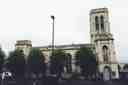
  2. To spot the Cheltenham Masonic Hall, look for an imposing cream-colored stone building right in front of you, with tall columns, arched doorways, and a stately, temple-like…Mehr lesenWeniger anzeigen

    To spot the Cheltenham Masonic Hall, look for an imposing cream-colored stone building right in front of you, with tall columns, arched doorways, and a stately, temple-like feel-its unusual sloping sides stand out even from the pavement. Welcome to Cheltenham’s not-so-secret temple of secrets! While you stand here, imagine yourself whisked back to the early 1800s. Cheltenham was bustling with change, regency fashions, and a town full of visionaries-fifteen of whom decided, “You know, it’s high time we had our own Masonic hangout.” And voilà, in 1823 the Cheltenham Masonic Hall was born-the second-oldest purpose-built Masonic Lodge in England, no less. London’s Grand Lodge didn’t even have their own dedicated lodge room until years later, so Cheltenham was ahead of the curve (not bad for a spa town!). The Foundation Lodge itself dates all the way back to 1753. That’s right-while the rest of the country was busy inventing the sandwich or arguing about wigs, these masons were quietly laying the bedrock of Cheltenham society. When the lodge moved here in 1817, they rolled up their sleeves and got to work, led by George Allan Underwood, a member who seemed to design half the important buildings in town. He didn’t just design this hall but also the Imperial Spa, the long room at Montpellier Spa, and even the Municipal Offices you’ll see later on our tour. The plot for this imposing lodge was snapped up for £670-quite a princely sum at the time-thanks to another Lodge member, Sir James Agg-Gardiner. He even gifted the land and helped raise the £4,000 needed to bring the building to life. How did the brethren pay for it? By selling £25 shares-now that’s some crafty fundraising! If you look up, you’ll spot something odd-the upper stories aren’t quite straight; the sides slope in, mimicking the mysterious tombs of Egypt. As if the Freemasons needed to be any more mysterious! Throughout its history, this building has remained the town’s oldest public space still used for its original purpose-not a church, but a lodge, filled with rituals, tradition, and enough masonic regalia to make Indiana Jones jealous. Inside, the refectory walls once displayed scenes of Knights Templar stalls and medieval effigies, and the dining room ceiling resembled the folds of a great tent canopy, gently illuminated by candlelight and swirling with tobacco smoke. During the early 1900s, parts of the hall were even papered over when it served as a dance academy-a true ballroom blitz! The main meeting room feels like stepping onto the stage of a grand Regency play: a lofty ceiling, blue as midnight, with golden stars scattered across it. In the middle glows a sunburst-a secret ventilator in disguise. Golden honeysuckle patterns, inspired by ancient Greek design and symbolizing loyalty, wind around the friezes and return again in the stunning ironwork, backed by rich, crimson velvet. Take a mental peek at the west end: there’s a gallery, guarded by two elegant Ionic pillars, crowned with globes-celestial and terrestrial-quietly hinting that Masonry aspires to universality. Some 400 Freemasons meet here today, carrying on traditions in rooms that have echoed with toasts, speeches, and the clink of firing glasses for 200 years. If you imagine entering, you’d step through a heavy timber door, past double doors into a dining room ringed with painted shields-every inch a Knights Templar encampment. Spiral staircases snake up to robing rooms and a tiny museum, storied with relics. The central pipe organ, installed in 1832 and believed to be from the late 1700s, still belts out its tunes for ceremonies, having out-sung the ghosts of time. The Lodge Room houses honored chairs carved in the Georgian era, crested with royal crowns and the tools of the trade: squares, compasses, plumb rules, and more. Above every door, masonic symbols loom-be it the Paschal Lamb or a knight’s armor, quietly hinting at centuries of ceremonies and secrets. And along the walls, Honours Boards etched with names, from the town’s MPs and doctors to a certain Dr Edward Jenner, inventor of the smallpox vaccine, all of them leaving their mysterious mark on Cheltenham’s story. So, as you stand outside this historic hall, picture the centuries of ritual, laughter, and shadowy intrigue that have unfolded behind those walls. And remember-while it’s called a lodge, it’s never just about club sandwiches. It’s about building traditions strong enough to last across the ages... and maybe, sneaking in a dance or two when nobody’s looking!

    Eigene Seite öffnen →
  3. To spot the Sandford Park Alehouse, look for a tall, cream-colored building with the name written simply above its door, a small black iron porch, and a row of bicycles parked…Mehr lesenWeniger anzeigen

    To spot the Sandford Park Alehouse, look for a tall, cream-colored building with the name written simply above its door, a small black iron porch, and a row of bicycles parked outside on the High Street. Now, let’s imagine the story behind this lively spot. You’re standing where locals and visitors have gathered for years, but it wasn’t always full of clinking glasses and cheerful chatter. Once, the walls here quietly watched carriages rattle by and shopkeepers sweep their stoops. But in 2010, the alehouse opened its doors, and suddenly the air was filled with laughter, music, and the tempting smell of brewing hops. You can almost picture the cheers when, just a few years later, the Sandford Park Alehouse won the grand prize-CAMRA’s National Pub of the Year in 2015. This isn’t just any old pub; it’s the best in the land according to serious beer lovers! Imagine the building’s old brickwork, proud and probably a little astonished to find itself the home of the UK’s top pint-pourers. And don’t be fooled by its modest look. This spot is a Grade II listed building, meaning every wall and window whispers stories from the past-if you lean in and listen close, maybe the echo of a celebration or the clink of a champion’s glass will reach your ears. Just be careful, if you hear too much laughter, you might find yourself drawn in for “just one more.”

    Eigene Seite öffnen →
8 weitere Stationen anzeigenWeniger Stationen anzeigenexpand_moreexpand_less
  1. Take a look ahead and spot the tall, grand cream-colored building with elaborate pillars and an impressive arched gateway at the ground floor-yep, that’s Cheltenham Town Hall…Mehr lesenWeniger anzeigen

    Take a look ahead and spot the tall, grand cream-colored building with elaborate pillars and an impressive arched gateway at the ground floor-yep, that’s Cheltenham Town Hall right in front of you! Let’s set the scene: it’s 1902, the streets are packed with people in smart hats and long coats, excitement buzzing in the crisp air. The old Assembly Rooms-once the beating heart of local gatherings-have just been knocked down for a bank, and Cheltenham aches for a new place to dance, dine, and make a little bit of history together. Enter Frederick William Waller, an architect with a flair for drama. When he drew up plans for this magnificent building, he went big-tall Corinthian columns, a sweeping arcaded entrance for horse-drawn carriages, and a towering pediment staring down the street with serious classical ambition. And after months of construction clamor, the doors opened in 1903, with Sir Michael Hicks Beach himself (an ex-Chancellor and local legend) here to cut the ribbon. Now, Cheltenham Town Hall isn’t your typical seat of government-no politicians locked inside, just the whole town invited in for concerts, balls, and every kind of festival you can imagine. Step inside (well, in your imagination for now) and you’d find a main hall as large as dreams, with soaring ceilings, rows of Corinthian pillars, and room for a thousand eager guests. Just to the left, the Central Spa dispensed famous town waters, served from an octagonal table that looks like something straight out of a fairy-tale banquet. These urns, crafted from Doulton ware, still stand ready-ironically proof that Cheltenham has always taken its hydration (and its ceramics) very seriously. The Hall is full of secrets: those statues up on either side of the stage? Kings Edward VII and George V, staring out in regal plaster, added in 1916. The organ that can shake the roof is a gift from a couple named Burrow-installed in 1928 by Rushworth and Dreaper, all the way from Liverpool. And if you listen closely, you might just hear echoes of Sir Norman Wisdom singing in army charity concerts during World War II, his nervous laughter drifting back from the wings as Rex Harrison urges him to chase his dreams. Through the years, Cheltenham Town Hall has been everything: a circus of festivals, a stage for Antiques Roadshow, a dance floor packed ‘til dawn. Every inch of this classical wonder is packed with stories-and who knows, maybe your footsteps will be the next ones to echo beneath the grand arches.

    Eigene Seite öffnen →
  2. Look just ahead for a tall, cream-coloured building with bold white columns and a dark green door beneath a little arched window-this is the Cheltenham Synagogue, quietly tucked…Mehr lesenWeniger anzeigen

    Look just ahead for a tall, cream-coloured building with bold white columns and a dark green door beneath a little arched window-this is the Cheltenham Synagogue, quietly tucked along Synagogue Lane. As you stand here, imagine the year is 1839: the air smells faintly of fresh plaster and the chatter of builders echoes down the narrow lane. This elegant Regency building went up when Cheltenham was the “place to be,” full of visitors flocking to its fancy spas. The local Jewish community, meeting since 1820 in rented rooms, finally laid the cornerstone on a sunny July day, dreaming of a place of their own. Designed by William Hill Knight-the same architect behind the Cheltenham Public Library, which you’ll see later-the synagogue mixes stately Doric columns and a regal pediment that could even make ancient Greeks a bit jealous. Step inside in your imagination and look up. The first thing you’d notice is a breathtaking, saucer-shaped dome filled with soft daylight from a lantern overhead, crafted by Nicholas Adam. Beneath it, the Georgian Torah ark and bimah-brought all the way from the London New Synagogue in 1761-still stand, their journey by wagon costing a whopping £86. Now that’s dedication for you! The original pews have rattan seats, which creak faintly as people sit, and on the wall hang prayer boards-one praying for Queen Victoria (her name painted right over past British kings, in a royal game of “whose turn is it now?”). But as Cheltenham’s spa fame faded, so did the synagogue’s congregation, falling silent in 1903. Decades of ghostly quiet passed, until 1939, when new footsteps echoed on the tiles. The synagogue became a safe haven again-first for evacuees from London during the war, then for refugees and American soldiers stationed nearby. Imagine the stories from those walls: whispers of hope, music, and prayers for peace in a world turned upside-down. So next time you see those proud Regency columns, think of this little building: once closed, then alive with voices from across continents, never forgetting its role as a shelter through history’s storms. Not bad for a building hidden down a Cheltenham lane, wouldn’t you say?

    Eigene Seite öffnen →
  3. Right in front of you, you can’t miss the tall, pointed stone spire of St Gregory’s Church rising above the corner of St James’ Square and Clarence Street-a true beacon for anyone…Mehr lesenWeniger anzeigen

    Right in front of you, you can’t miss the tall, pointed stone spire of St Gregory’s Church rising above the corner of St James’ Square and Clarence Street-a true beacon for anyone with an eye for dramatic architecture! Now, picture yourself back in 1809. Cheltenham wasn’t quite as bustling as today, but there was a bold priest, Father Augustine Birdsall, just arrived from Douai Abbey in France, rolling up his sleeves to build a humble chapel on this spot. The town folk must’ve wondered if he was building a chapel or maybe just trying to get first place in Cheltenham’s unofficial “most ambitious project” contest! Well, time marched on, and by the 1850s, the little chapel just couldn’t keep up with a growing Catholic community. Enter Charles Hansom-not only an architect, but the brother of Joseph Hansom (inventor of the Hansom cab, for those keeping track of family trivia), and father to another architect. He brings with him big plans and even bigger blueprints. From 1854 to 1857, the church took shape, designed in glorious Gothic Revival style-think soaring arches, stonework so detailed you’d swear it was made by magical stonemasons, and windows designed by Hardman & Co. that could stop the sun just to admire the colors. Walk inside and you’d see an altar and reredos so intricate, it almost looks like lace made from stone-thanks to Farmer & Brindley and the Boulton family of skilled local carvers. And just when you thought the church was finished, they decided, “Why not add a tower and a spire that’s so tall, even the clouds have to go around it?” So work continued, with the crowning spire finally finished in 1876. This church has seen generations come and go-Sunday masses still fill its pews with prayers, laughter, and probably a few nervous glances at that towering spire (just hoping it’s not a windy day). So as you stand in the shadow of St Gregory’s, imagine the stories held within these walls-the determination, the artistry, and a community that just keeps on growing. And who knows, maybe if you listen very closely, you’ll hear a monk from Douai Abbey quietly urging the stonemasons to hurry up, because tea is nearly ready!

    Eigene Seite öffnen →
  4. To spot The Wilson, just look for a grand sandstone building with lots of tall arched windows, towering columns at the entrance, and a pointy turret rising up at the corner-it's…Mehr lesenWeniger anzeigen

    To spot The Wilson, just look for a grand sandstone building with lots of tall arched windows, towering columns at the entrance, and a pointy turret rising up at the corner-it's right here on Clarence Street, looking like it’s been plucked from a classic Victorian drama. Welcome to The Wilson! Take a moment to feel the energy of the place-imagine carriages clattering by on a breezy morning in 1899, when the doors first swung open to a crowd buzzing with excitement. This wasn’t just any building; it was a palace of art, knowledge, and adventure. Originally known as the Cheltenham Art Gallery and Museum, this spot has seen nearly everything: curious locals peering through glass cases, kids staring in awe at shiny treasures, and crowds marveling at colors that seemed to leap off the canvases. But the story gets even cooler-this building was named The Wilson in 2013, after Cheltenham’s own Edward Wilson, the polar explorer who faced fierce blizzards and biting winds on a heroic trek to the South Pole. Step closer and you’ll almost hear the snowy crunch of his boots and the flapping of tents in an endless white landscape-though, don’t worry, it’s much warmer here! Getting this wondrous building to what you see now was a real quest. Imagine architects battling over blueprints, and Baron de Ferrieres, a flashy mayor with a flair for the dramatic, donating priceless paintings from Belgium and the Netherlands-plus enough money to build a whole gallery wing! With each extension, from Hugh Casson’s grand entrance to the slick new spaces of 2012, the museum grew into a treasure chest of secrets. Close your eyes and take a deep breath. Imagine the scent of old furniture, the glitter of silver, and hundreds of years of masterpieces whispering their stories. From rare Arts and Crafts to ancient archaeology and even oriental costumes, every step inside is a leap across centuries. Ready to go in? Who knows-you might walk out feeling like an explorer yourself! Just try not to mistake the modern art for a particularly abstract coat rack… it’s been done before!

    Eigene Seite öffnen →
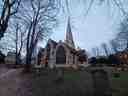
  5. To spot Cheltenham Minster, St Mary’s, look for the striking stone church right ahead with a tall, pointed spire reaching into the sky, framed by old gravestones and surrounded by…Mehr lesenWeniger anzeigen

    To spot Cheltenham Minster, St Mary’s, look for the striking stone church right ahead with a tall, pointed spire reaching into the sky, framed by old gravestones and surrounded by leafless trees. Welcome to Cheltenham’s one and only medieval survivor! Imagine standing here centuries ago, with the wind fluttering your cloak and the sound of footsteps crunching on gravel. This old church-St Mary’s, now known as Cheltenham Minster-has been watching over the town for more than 850 years. If these sturdy stone walls could talk, just imagine the tales they’d tell: stories of monks, kings, rebels, and townsfolk, and even a few sheep wandered in for warmth on a chilly night, or so the legend goes! The church you see before you actually replaced an even older Saxon church from the 8th century. In the dusty pages of the Domesday Book, the land and church belonged to Regenbald-a man with a name so odd, you’d half expect him to be a wizard. But instead, he was William the Conqueror’s chancellor, and eventually, he handed the church to Cirencester Abbey. Then, centuries later, along came Henry VIII, who-like the world’s worst estate agent-turfed out the monks, snapped up the church during the English Reformation, and turned it into crown property. Ownership danced from one hand to another-nobles, rectors, and maybe someone who claimed to be the cousin of an earl until finally, in 1863, Edward Walker became the guy in charge, and trust me, he had a lot of opinions on church improvements! As you look up at its pointy spire and bell tower, think about this: the very tip dates all the way back to about 1200. Later, in the fourteenth century, a broach spire was added-don’t worry, it’s just architectural code for “super pointy and elegant.” The church’s windows, with tracery carved in styles dating between 1250 and 1350, glint with astonishing Victorian stained glass, as if someone swapped in rubies and sapphires for ordinary glass. Step closer, and you’ll notice that the architecture is a real patchwork-like the church couldn’t decide on its favorite medieval style, so it wore them all! From the Early English bones to the fancier decorated Gothic touches and the intricate lierne vaulting of the north porch, St Mary’s is a walking timeline of English building fashions, plus some very fancy woodwork thanks to the Victorians. It’s a Grade I listed building, so no sneaking in and swapping the spire for a disco ball, tempting as that might be. Now, listen carefully-I mean, really listen, because above you is a bell tower that’s been ringing out across Cheltenham for centuries. In 2018, it got a brand-new peal of twelve shining bells from John Taylor & Co, but cast your mind back, and you’d have heard just six bells in 1680. The ring grew over the years until entire marathons of bell ringing echoed through town. In 1889, they set a record: an ear-popping 15,227 changes, ringing for nearly ten hours straight. That’s commitment-or maybe madness! There’s emotion and memory carved into every corner inside. There’s a memorial to Captain Henry Skillicorne, who made Cheltenham’s first spa a hit (it’s said the spa waters were so good, even King George III popped in for a taste in 1788 and attended services here). There’s also the tale of priest John English, who was locked away by the Puritans-clearly, being a priest in the old days was a risky business. But if you’re trying to find the church on your own, you might need a map and a strong sense of adventure. It used to stand out above the fields, the landmark everybody could see, but in the craziness of the Regency period, Cheltenham’s sprouting shops and offices nestled the church right out of sight. If you’d arrived in Victorian times, you’d see new churches popping up all around, just to keep up with the town’s booming crowds. And did you know the church even had a doppelganger moment? In 1859, St Mary’s was condemned as unsafe-cue the dramatic music-and for a while, the congregation moved over to a wooden church wrapped in corrugated iron, which must have been as cozy as a biscuit tin in winter. Some folks wanted to build a new St Mary’s, but passionate opposition (and maybe a few heated tea-fueled debates) saved this old beauty. Instead, she got a much-needed restoration and a makeover worthy of a medieval star. In 2013, St Mary’s was officially crowned the Cheltenham Minster-a fancy title for a grand survivor. And thanks to the Friends of St Mary’s, new chapters are being written all the time. So, next time you hear bells or see the spire peeking above the rooftops, remember this isn’t just a church; it’s the heart and history of Cheltenham itself, quietly holding secrets and laughter for another few centuries. Now, onward-let’s see what other treasures Cheltenham has in store!

    Eigene Seite öffnen →
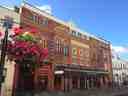
  6. You’ll spot Cavendish House right ahead by its bold, golden letters high above the ground floor windows, with glossy black trim and bursts of colorful flower baskets hanging…Mehr lesenWeniger anzeigen

    You’ll spot Cavendish House right ahead by its bold, golden letters high above the ground floor windows, with glossy black trim and bursts of colorful flower baskets hanging proudly along the front-just look for the wide display windows reflecting the street’s bustle. Picture yourself standing here nearly two centuries ago, when Cheltenham was just beginning to find its elegant stride-let’s step back in time together. Imagine walking along The Promenade in 1823, past horse-drawn carriages and ladies in bonnets bustling through crowds. You’d see a little drapery shop-humble in appearance, but packed with dreamy ribbons, shimmering silks, and the softest shawls you could ever wish to touch. This was the very beginning of Cavendish House, opened by Clark & Debenham, who moved their business all the way from London near Cavendish Square. Back then, the store sold everything a fashionable family needed-muslins, gloves, lace, fancy goods, and even items for family mourning, because apparently, in the 1800s, you could never have too many types of black silk! As the trade flourished, Cheltenham’s little shop began to sparkle with promise, a shine you can still see in the golden letters above these windows. Fast-forward a couple of decades; Clark retires from business, and new partners join, with double-barreled names that make it sound like a law firm-Pooley and Smith. They continue the expansion, running simultaneous ventures in London, Cheltenham, and even launching a shop up in Harrogate. By the 1840s, the Cheltenham branch was like a small empire: rooms stretching further back than you’d imagine, with twenty different departments and even secret workrooms out the back, bustling with the quiet snip of scissors and the steady hum of sewing needles. One of my favorite tales is about the store’s Fashion Book-a catalogue that became the talk of the town, allowing customers to order the latest trends by mail. Imagine excitement arriving on your doorstep; a box of lace and silk, fresh from Cheltenham, ready to make you the envy of your neighbors. When George Hewitt became the sole owner here by 1883, the store had transformed yet again. Cavendish House officially became a limited company, pulling in investors with a vision for the future. Pretty soon, the shop got a fancy facelift: picture plate glass windows-quite the luxury in 1891-with a gorgeous frieze of colored leaded glass shining overhead. Just a few years later, electric lighting brought the night to life, making the newest gowns shimmer and sparkle long after sunset. Cavendish House had a knack for gobbling up rival shops-a silk mercery here, a gentlemen’s outfitter there. By the 1920s, it felt more like a kingdom: music shop on one side, stable-turned-showrooms on the other, all connected by corridors stretching right out to Regent Street. Those with a keen nose might even catch a whiff of pipe tobacco from the gentlemen’s outfitter, mingling with the heavy scent of fresh wool and linen. By 1931, after another grand renovation, Cavendish House dominated the Promenade with a colossal 287-foot frontage-practically a shopping palace. Inside, floors gleamed, showrooms sprawled, and Cheltenham buzzed with parties and big sales, the sort where you might lose your mother in the hosiery department and not see her again until Christmas. Ownership of Cavendish House changed hands more times than a hot potato: from JJ Allen to House of Fraser, and then, as recently as 2024, the doors finally closed after 201 years of trading. You can just about hear the echoes of footsteps on old wood and the giggle of shopgirls chatting after hours. But here’s a twist: in June 2024, part of the building reopened, hosting pop-up market stalls on three floors, the scent of coffee and baked bread once more sneaking out to tempt passersby. It’s a fresh chapter for Cheltenham’s oldest department store-proof that while fashions change, the spirit of Cavendish House lingers, just waiting for the next crowd of shoppers eager for something new. So as you peer through the glass and take in that grand sign, know that you’re standing on layers of stories, glamour, and maybe a few half-forgotten secrets waiting to be rediscovered. Now, who’s up for a spot of window shopping before we wander onward?

    Eigene Seite öffnen →
  7. You can spot the Everyman Theatre on Regent Street by its ornate red-brick façade, large ‘EVERYMAN’ banners, and the glass canopy above the entrance surrounded by charming windows…Mehr lesenWeniger anzeigen

    You can spot the Everyman Theatre on Regent Street by its ornate red-brick façade, large ‘EVERYMAN’ banners, and the glass canopy above the entrance surrounded by charming windows and stone details-just look for the grandest building with a creative sparkle to your left. Welcome to the Everyman Theatre, Cheltenham-step right up, and let your imagination take center stage outside this historic showstopper! Just imagine the excitement bustling along Regent Street, the crisp air tingling with the promise of something magical behind those ornate doors. This isn’t just any theatre; opened as the New Theatre and Opera House in 1891, it was designed by the legendary theatre architect Frank Matcham. In those days, people flocked here by the hundreds-back when the seating was all benches, and the main hall could squeeze in nearly 1,500 eager faces. Picture the rustle of velvet dresses and the top hats, audience hearts pounding as Lillie Langtry herself took the opening night stage in ‘Lady Clancarty’. The walls you see today have seen every mood and spectacle you can imagine. In 1929, when cinemas were all the rage, this place didn’t want to miss out. Suddenly, reels whirred, lights flickered, and the smell of popcorn joined the hint of old stage makeup, but the law insisted that live shows must continue-and so, drama and cinema lived side-by-side, a bit like two actors sharing a spotlight (and the occasional squabble about who gets the last biscuit backstage). Now, during World War II, things got extra dramatic! The Everyman became a Garrison Theatre, humming with music, bustle, and laughter from both locals and American soldiers stationed nearby. The Blitz sent famous London actors running for safety, and Cheltenham became their temporary stage-imagine waiting here, shivering with nerves and hope, as some of Britain’s most famous actors performed right in front of you, the distant sound of air raid sirens melting into applause. After the war, Cheltenham’s leaders took the reins, but by 1959 the magic was at risk of fading. The theatre doors swung shut-the applause died away-and it looked like Our Hero might bow out forever. But in true showbiz fashion, a dramatic twist! The Cheltenham Theatre Association posted a desperate ad: “Urgent-Wanted £3,000 at once, to re-open Cheltenham Opera House.” The people listened, rallied, and saved their beloved theatre. They gave it a new name, the Everyman Theatre, and a grand reopening in 1960 with a world premiere-talk about an epic comeback! Since then, the Everyman has refused to exit stage left. Stars-like William Gaunt, Penelope Keith, and Windsor Davies-sparkled here before they were famous. It even shut down briefly in the 1980s for a full makeover, only to dazzle audiences again, just in time for “My Fair Lady.” And in 2011, workers peeled away layers of pink paint to return the auditorium to Matcham’s original lavish elegance-golden cherubs, marbled arches, and all. It’s also home to a story or two that only a theatre could tell. In 2023, a pantomime about Mother Goose made headlines by scrapping a cheeky song after some audience feedback-a reminder that while the shows go on, the Everyman always listens to its crowd. So, as you stand outside this grand red-brick dream factory, take a deep breath and imagine every laugh, gasp, and song echoing off those walls. The curtain never really falls at the Everyman, and tonight’s story might just be the best one yet.

    Eigene Seite öffnen →
  8. Look for a long, grand row of pale, cream-colored terraced buildings stretching along the Promenade, with towering columns and tall sash windows, facing the green expanse of the…Mehr lesenWeniger anzeigen

    Look for a long, grand row of pale, cream-colored terraced buildings stretching along the Promenade, with towering columns and tall sash windows, facing the green expanse of the Long Garden right in front of you. So here you are, standing before one of Cheltenham’s finest pieces of architectural showmanship-the Cheltenham Municipal Offices! Take in the sweeping curves of that endless terrace, all buttoned up in its elegant cream coat, with huge Ionic columns showing off like the stars of the Promenade. Back in the 1820s, this dazzling row was just a twinkle in the eye of Samuel Harward and his trusty architect, George Allen Underwood. Imagine the dust and shouts as builders bustled to finish what was then called “Harward’s Buildings.” When the final brick was laid in 1840, this place was so classy that local historian David Verey once claimed it could stand proudly next to any terrace in Europe. Not bad, eh? As you gaze at those 63 bays stretching along the street, picture a different kind of Cheltenham. In the mid-19th century, these very walls echoed with the chatter of doctors, lawyers, and shopkeepers rather than council workers. A few decades later, keen-eyed locals might’ve spotted a fellow named Hugo van Wadenoyen, an early photographer, snapping away from his base at number 79-just imagine the vintage cameras and the endless search for good light on these grand steps! Now, cast your gaze across the Long Garden in front, with its tidy lawn and leafy trees. It’s more than just pretty grass-this peaceful stretch is steeped in poignant memories. At one end, you’ll spot a bronze soldier with arms reversed, watching over Cheltenham in eternal silence. That statue was unveiled in 1907 to remember those lost in the Second Boer War. Wander a little further and you’ll see another statue-a tribute to Edward Wilson, a daring Cheltenham-born polar explorer who braved the wilds of Antarctica. The Municipal Offices themselves, those seven grand houses in the center, became the Borough Council’s HQ in 1916, just as the world trembled with the Great War. It’s here that, in front of the main doors, a war memorial stands-first to honor Cheltenham’s fallen in World War I, and after 1945, names from the Second World War were etched alongside them. The memorial has seen its moments of revival, with a careful restoration, giving a bit of sparkle back to these silent stories of courage and sacrifice. If you could wander upstairs, you’d find striking art, including a portrait of General Lord Ismay, Churchill’s right-hand man in World War II-imagine the council meetings under those watchful eyes! Not to be outdone by history, the future calls too: in 2025 the council began talks to turn these grand halls into a luxury hotel and spa. So, the next time you trot down the Promenade, you might walk past travelers living it up in rooms where history was made. Quite the glow-up for an old council office, right?

    Eigene Seite öffnen →

Häufig gestellte Fragen

Wie starte ich die Tour?

Laden Sie nach dem Kauf die AudaTours-App herunter und geben Sie Ihren Einlösecode ein. Die Tour ist sofort startbereit – tippen Sie einfach auf „Play“ und folgen Sie der GPS-geführten Route.

Benötige ich während der Tour Internet?

Nein! Laden Sie die Tour vor dem Start herunter und genießen Sie sie vollständig offline. Nur die Chat-Funktion benötigt Internet. Wir empfehlen den Download über WLAN, um mobiles Datenvolumen zu sparen.

Handelt es sich um eine geführte Gruppentour?

Nein – dies ist ein selbstgeführter Audioguide. Sie erkunden unabhängig in Ihrem eigenen Tempo, wobei die Audioerzählung über Ihr Telefon abgespielt wird. Kein Reiseleiter, keine Gruppe, kein Zeitplan.

Wie lange dauert die Tour?

Die meisten Touren dauern 60–90 Minuten, aber Sie kontrollieren das Tempo vollständig. Pausieren Sie, überspringen Sie Stopps oder machen Sie Pausen, wann immer Sie wollen.

Was, wenn ich die Tour heute nicht beenden kann?

Kein Problem! Touren haben lebenslangen Zugriff. Pausieren Sie und setzen Sie sie fort, wann immer Sie möchten – morgen, nächste Woche oder nächstes Jahr. Ihr Fortschritt wird gespeichert.

Welche Sprachen sind verfügbar?

Alle Touren sind in über 50 Sprachen verfügbar. Wählen Sie Ihre bevorzugte Sprache beim Einlösen Ihres Codes. Hinweis: Die Sprache kann nach der Tour-Generierung nicht mehr geändert werden.

Wo greife ich nach dem Kauf auf die Tour zu?

Laden Sie die kostenlose AudaTours-App aus dem App Store oder von Google Play herunter. Geben Sie Ihren Einlösecode (per E-Mail gesendet) ein, und die Tour erscheint in Ihrer Bibliothek, bereit zum Download und Start.

verified_user
Zufriedenheit garantiert

Wenn Ihnen die Tour nicht gefällt, erstatten wir Ihnen den Kaufpreis. Kontaktieren Sie uns unter [email protected]

Sicher bezahlen mit

Apple PayGoogle PayVisaMastercardPayPal

AudaTours: Audioguides

Unterhaltsame, budgetfreundliche, selbstgeführte Stadtrundgänge

App ausprobieren arrow_forward

Beliebt bei Reisenden weltweit

format_quote Diese Tour war eine großartige Möglichkeit, die Stadt zu sehen. Die Geschichten waren interessant, ohne zu konstruiert zu wirken, und ich liebte es, in meinem eigenen Tempo erkunden zu können.
Jess
Jess
starstarstarstarstar
Tbilisi-Tour arrow_forward
format_quote Das war eine solide Art, Brighton kennenzulernen, ohne sich wie ein Tourist zu fühlen. Die Erzählung hatte Tiefe und Kontext, übertrieb es aber nicht.
Christoph
Christoph
starstarstarstarstar
Brighton-Tour arrow_forward
format_quote Habe diese Tour mit einem Croissant in der einen Hand und null Erwartungen gestartet. Die App schwingt einfach mit einem mit, kein Druck, nur man selbst, Kopfhörer und ein paar coole Geschichten.
John
John
starstarstarstarstar
Marseille-Tour arrow_forward

Unbegrenzte Audioguides

Schalten Sie Zugriff auf JEDE Tour weltweit frei

0 Touren·0 Städte·0 Länder
all_inclusive Unlimited erkunden