AudaTours logoAudaTours

普林斯顿语音导览:门户、传奇与思想盛宴

语音指南20 景点

在普林斯顿高耸的哥特式拱门和阳光斑驳的草坪之外,隐藏着一个充满秘密战争、窃窃私语和丑闻与胜利交织的故事的城市。现在,您有机会通过自助语音导览探索普林斯顿,漫步于这些殿堂,品味传奇,解开谜团,让这座城市标志性和被忽视的地标焕发生机。 为什么一场关于教育标准的激烈争论会在普林斯顿特许学校的核心爆发?哪些神秘的午夜聚会塑造了传奇的Hoagie Haven经久不衰的统治——又是哪种三明治差点引发了一场学生叛乱?在修道院旅馆(Cloister Inn)里,谁曾在那古老的石拱顶下策划过改变世界的交易,又是哪个臭名昭著的恶作剧至今仍被人津津乐道? 从历史悠久的操场到充满活力的餐馆,穿梭于常春藤缠绕的阴谋和百年宿怨之中。这并非一次普通的漫步——每一步都充满戏剧性,揭示出一个您在明信片上永远看不到的普林斯顿。 准备好揭开大多数游客从未听闻或品尝过的秘密了吗?冒险现在开始——普林斯顿的秘密正等待着您。

导览预览

map

关于此导览

  • schedule
    持续时间 60–80 mins按照自己的节奏
  • straighten
    10.6 公里步行路线跟随引导路径
  • location_on
  • wifi_off
    离线工作一次下载,随处使用
  • all_inclusive
    终身访问随时重播,永久有效
  • location_on
    从 普林斯顿特许学校 开始

此导览的景点

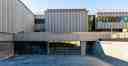
  1. To spot Princeton Charter School, look for a broad, modern low building with lots of windows out front and a tall, three-story brick and cream structure behind it, set on a wide…阅读更多收起

    To spot Princeton Charter School, look for a broad, modern low building with lots of windows out front and a tall, three-story brick and cream structure behind it, set on a wide lawn with a flagpole and a bright orange cone at the edge of the grass. Welcome to Princeton Charter School, where the journey from pencil boxes to pre-algebra happens all under one surprisingly stylish roof! If you listen closely, you might almost hear the sharper clatter of lunch trays and the distant buzz of energetic students running free at recess. But, let’s wind back just a little, to where it all began-back before the playgrounds, before the awards, even before the first math test. In the mid-1990s, a group of determined local parents was dreaming big. They craved a school with challenging classes, where every student would know exactly what they needed to learn, and-just as important-be known personally in return. When the Charter School Program Act passed in 1995, thunder rumbled across Princeton’s education scene (well, maybe not thunder, but you get the idea). These parents seized the moment, wading into debates hotter than a New Jersey summer. The local school board was nervous-maybe even a little dramatic-about finances and change, but the charter moved ahead like a well-aimed dodgeball. After scouring Princeton for the perfect home, PCS set up shop in what was once an unassuming office building out here in North Princeton-a place with promise, if not exactly Hogwarts vibes. The first ever Head of School, Charles Marsee, arrived and the dream took off. Out of all the eligible families, a whopping third applied. Imagine the suspense as those names spun in the very first lottery! Seventy-two kids got golden tickets, and in 1997, the school opened its doors. Right away, test scores soared-legend has it, even the pencils stood a little taller those first weeks. The school's reputation for excellence only grew. By 2002, PCS was the first charter in the country to be accredited by the American Academy of Liberal Education-not bad for a then-five-year-old! That same year, the youngest students moved into a brand-new K-4 building designed by a Princeton University architect, which must have made everyone feel a little bit fancy. Not long after, Princeton Charter School was named a national Blue Ribbon School-first of many accolades. This isn’t a school for coasting through. PCS built its reputation on “core academic skills,” with an extra few sprinkles of math and English each day for every student, and a silent reading period always penciled into the schedule for a much-needed breather-or a bit of one-on-one help. Every grade is small by design, making it a place where every student really does “feel known.” In total, there are about fifty students in each grade, from kindergarten’s busy 5-year-olds all the way up to eighth grade, where students get ready for the next step-high school or even a private academy. Walk around the campus and you’ll spot more than just classrooms. The Marsee Center, once a farmhouse from the 1800s, now houses the administrative offices. The Campus Center, built in 2010, is the heart of daily extras-think gym, art rooms, and a black box theater for those soon-to-be-Broadway stars. The playground bustles with life, and Smoyer Park plays host to home meets for cross country and field hockey. PCS isn’t just about academics, though. Sports teams suit up for basketball, lacrosse, and soccer, and clubs range from jazz ensemble to the Mathcounts squad. The science bowl team? Well, they basically own the New Jersey regionals. In 2023, Princeton Charter School was again honored as a National Blue Ribbon School. That’s right-a double-blue-ribbon winner-none of the horses in nearby stables can say that! At its heart, PCS is all about giving every local family a true choice in education-a chance to be part of a close-knit, diverse, and high-achieving community. As you stand outside, let your imagination run wild with stories of spelling bees, whispered secrets across the soccer field, and the satisfying clang of a recess bell. Alright, time to head off to our next tasty destination: the legendary Hoagie Haven!

    打开独立页面 →
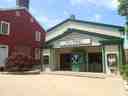
  2. Right in front of you, you’ll spot Hoagie Haven by its bright yellow-and-black sign above a low brick storefront, with a huge sandwich painted right in the middle-just glance for…阅读更多收起

    Right in front of you, you’ll spot Hoagie Haven by its bright yellow-and-black sign above a low brick storefront, with a huge sandwich painted right in the middle-just glance for big windows set in orange and black trim. Welcome to Hoagie Haven, a spot where hunger meets its match and students, locals, and night owls become part of the family. The story of this legendary sandwich shop begins back in 1974. Picture it: Princeton’s chilly air, students dashing through town, all looking for something filling before the next big exam. In 1976, Emily and George Roussos stepped in and took over the place, giving it the care of a mom-and-pop shop-and sticking with the quirky name, Hoagie Haven, as if to promise a cozy escape for everyone looking for a hero-sized sandwich. Inside, the smell of sizzling cheesesteaks and golden fries fills the air, drawing people like moths to a neon, cheese-scented flame. If you listen closely, you might still hear the click and crank of their classic old cash register-one of those heavy, clunky relics returned by the Roussos when they came back in 2003, stubborn as ever about keeping tradition alive. After a whirlwind of owners and a little family drama, ownership finally landed with Mike, Niko, and Costa Maltabes in 2005. Now, as you peer through those orange-framed windows, you’re looking into a treasure chest of Princeton memories and midnight snacks. Through thick and thin, Hoagie Haven became the town’s late-night lighthouse, dwarfed by bigger competitors like Subway, but outlasting them by simply being better-and tastier. When Subway tried to muscle in just down the road, it didn’t take long for the locals to decide which sandwich truly packed the most joy (and delicious calories). Subway closed its doors, leaving Hoagie Haven as the undefeated champion. The menu isn’t just a list-it’s an adventure. Regulars whisper about the “Body Bag” and the “Phat Lady,” which might sound dangerous but only threaten your hunger. Imagine a cheesesteak so loaded with fries and mozzarella sticks that it needs a support group for overeaters. Haven even brought out wild “Fat Sandwiches,” inspired by Rutgers legends, so you could carry an entire meal in each bun. If you’re lucky, you might hear tales of local celebrities dropping by or catch old-timers debating which sandwich truly conquers all. No matter the time, you’ll find Hoagie Haven lit up with laughter, the sizzle of the grill, and stories being made-one hoagie at a time. If you ever need comfort, excitement, or simply a sandwich the length of your forearm, this is where you’ll find it. Welcome to the Haven-where legends, and lunches, are made.

    打开独立页面 →
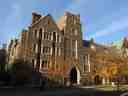
  3. If you look straight ahead, you’ll spot a striking stone building with arched gothic windows, two tall brick chimneys, and flowering trees flanking its entrance-this is Cloister…阅读更多收起

    If you look straight ahead, you’ll spot a striking stone building with arched gothic windows, two tall brick chimneys, and flowering trees flanking its entrance-this is Cloister Inn, right here on Prospect Avenue. Welcome to Cloister Inn! If you listen closely, you can almost hear echoes of laughter and clinking glasses drifting through the air. Founded in 1912, Cloister is one of Princeton’s legendary eating clubs-a neo-Gothic gem that looks like it’s been plucked straight from the English countryside and dropped right here between the Cap and Gown Club and Charter Club. The present building, designed by R.H. Scannell and Charles Lewis Bowman, sprang up in 1924, and its stone façade and arched doors give it that “Hogwarts meets Princeton” vibe we all secretly wish for. Picture ivy trailing down the walls, the heavy scent of spring blooms, and the soft crunch of gravel under your shoes as students in varsity jackets hurry past. But Cloister hasn’t always been this calm oasis. Imagine the tumult of 1972-Princeton changed, times were wild, and this club closed its doors to undergrads, inviting instead alumni of every vintage until it reopened in 1977, swinging wide once more for students old and new. If you’re not into drama, you’ll like Cloister’s “sign-in” method-a democratic twist on the club scene, where membership is decided by a lottery, not a nerve-wracking bicker. Their motto? “Where everybody knows your name.” Take that, Cheers! Now, don’t let the cozy motto fool you-Cloister is home to an impressive bunch who could probably out-row, out-cycle, and out-swim most of us. Over the years it’s been a favorite haunt for athletes, especially Olympians. Picture a room full of rowers comparing blisters, or a cyclist resting tired legs under these very windows. There’s golden medalist Caroline Lind, fencer Susie Scanlan, and more than a handful of world-class rowers like Chris Ahrens and Nick Mead-each one with stories that could fill a trophy case. Swimming, cycling, rowing-you name it, Cloister’s got an Olympian for it. Imagine hearing the dull thud of oars or the gentle splash of water, and wonder if the next champion is inside scarfing down a post-practice snack. But Cloister isn’t just muscle and medals. It’s also a haven for thought and creativity. The name may ring a bell from the bestselling novel “The Rule of Four” by Ian Caldwell-he was a Cloister member, weaving scenes from this very building into fictional intrigue. He's in good company: screenwriter Craig Mazin, journalist Nicholas Confessore, and even Supreme Court Justice Elena Kagan once walked these halls. And what a parade of public-minded folks have come through here! Former New York Governor Eliot Spitzer, Anne-Marie Slaughter of New America, and ambassadors galore-the halls buzz with memories of impassioned debates and world-changing plans scribbled late into the night. If these old stones could talk, they’d probably argue politics with more passion than a caffeinated debate team. The club’s history shows that Cloister has always been about community, whether alumni or undergrads, jocks or writers, rowers or diplomats. Maybe that’s why the legend lives on, with each class adding its own layer of memory, mystery, and mirth. As you stand in front of these arched windows and imposing stone walls, try to imagine the secrets they keep-who plotted a prank here, who traded a secret handshake, and who dreamed a dream that changed the world. On a quiet morning, you might even hear the click of polished shoes on flagstone, echoing from a century ago. At Cloister Inn, you’re not just looking at history-you’re standing right where it happened, and where it’s still being made every day.

    打开独立页面 →
再显示 17 个站点显示更少站点expand_moreexpand_less
  1. To spot the Office of Population Research, just look ahead for a modern brick and glass building with striking metal awnings lining the rooftop; its main entrance stands out with…阅读更多收起

    To spot the Office of Population Research, just look ahead for a modern brick and glass building with striking metal awnings lining the rooftop; its main entrance stands out with tall stone pillars and large glass doors. Alright, time to step into one of Princeton’s best-kept secrets-though it’s been influencing the world since 1936! Before you is the Office of Population Research, or OPR for those in the know. Imagine the air buzzing with curiosity, a place where big questions about how people live, move, and thrive are tackled every single day. In fact, this is the oldest population research center in the entire United States-picture it taking root here, the brainchild of a man named Frederick H. Osborn. He strutted out of Princeton with a diploma and a lot on his mind, and ended up laying the foundation for this very center. Back then, Princeton already dreamed big, but OPR was thinking even bigger-about cities growing, families changing, and how people shape the world. Pop quiz: Who was its first director? That honor goes to Frank W. Notestein, who didn’t just run OPR but became a bigwig at the United Nations not long after. Rumor has it, during the 1940s, you might have found him sitting here, coffee in hand, plotting how demographic science could change the future. His work here echoed all the way to the Population Council, where he brought his Princeton smarts to the world stage. Taking the torch after him was Ansley J. Coale, director from 1959 to 1975-a quarter-century filled with data, important discoveries, and probably a few debates over who had the best office plant. And OPR wasn’t just a clubhouse for directors; early faculty like Irene Barnes Taeuber helped invent the very science of demography. It’s almost as if these walls have been absorbing the secrets of human populations for nearly a century! Fast forward to today-don’t be fooled by the modern look. The research inside is red hot, with teams working on healthcare, social inequality, the sciences of migration, and even the tangled mysteries of cities growing like wild vines across the globe. If you hear echoes of New York Times or Wall Street Journal headlines bouncing off the glass, that’s because OPR’s work is so groundbreaking, it’s been cited all over. Now, about the academic adventure inside-imagine halls where students wrestle with equations, plot demographic curves, and sometimes wonder if their coffee intake counts as a biosocial interaction. The OPR trains scholars of all sorts: PhDs in Demography (think: population puzzle-masters), joint degrees with a focus on social policy, and a certificate program tailor-made for those needing a splash of demography in their academic recipe. It’s exclusive-only a handful make it through each year, armed with stats, math, and plenty of curiosity. But OPR loves company. Walk the corridors, and you’ll find collaborations with economics, sociology, maybe even a visiting historian lost in the maze. And OPR’s reach goes way beyond Princeton, crossing the Atlantic to Vienna’s famed Wiggenstein Centre and shaking hands with the United Nations. So, as you stand here, picture decades of passionate debate, big data, and a quest to unlock the patterns hidden in humanity. Not bad for a spot that looks like a calm corner of campus, right? Now, onward to the next stop-let’s hope the stories keep multiplying, just like the world’s population!

    打开独立页面 →
  2. The story begins back in 1951, but to understand it, we have to make a quick detour to Yale in the late 1940s. Picture a room filled with professors arguing-passionately but…阅读更多收起

    The story begins back in 1951, but to understand it, we have to make a quick detour to Yale in the late 1940s. Picture a room filled with professors arguing-passionately but politely, of course-about how to prevent the next world war. They’re part of the Yale Institute of International Studies, a pioneering think tank that believed the world needed fresh ideas to keep the peace and avoid another global catastrophe. These scholars thrived on working together, chewing over urgent problems like international cooperation and America’s place on the world stage. Enter the new president of Yale, A. Whitney Griswold. Now, imagine a man who liked research done solo, preferably on issues far in the past-not noisy teams brainstorming about global crises over coffee. Tensions reached their peak in 1951. There’s even a bit of a soap opera here: some personal grudges mixed in, spiced with academic rivalry and debates about tenure. As a result, Frederick S. Dunn-Yale alum, expert in international relations, and the instigator of our story-gathered up five of his closest colleagues. Like a professor’s version of “Oceans 11,” Dunn, Percy Corbett, Gabriel Almond, Klaus Knorr, William Kaufmann, and Bernard C. Cohen made the bold choice to leave Yale, taking their ideas (and, rumor has it, their best coffee mugs) to Princeton. The front page of The New York Times screamed the news: “Yale fumbled, Princeton recovered the ball.” You can almost hear the collective gasp in the ivory towers of both universities! It was as if the academic Super Bowl had just happened, but instead of a trophy, Princeton scored a new intellectual powerhouse. When they arrived, Princeton President Harold W. Dodds rolled out the orange carpet. The new Center of International Studies was born within the Woodrow Wilson School, setting out to “promote world peace and mutual understanding among nations.” Princeton wasn’t just aiming for top-notch chemistry and engineering-it wanted to be just as cutting-edge in cracking the mysteries of diplomacy and foreign policy. If you listen closely, maybe you can still hear echoes of those early brainstorms drifting through the halls: “How do we avoid catastrophic total war?” “Should we share our cookies at the faculty lounge?” The answer to one was yes, the other… also yes, if you’re asking me. The Center was immediately unique: multidisciplinary, global, and forward-thinking. It welcomed not just political scientists but also historians, sociologists, and economists, all bent over maps and manuscripts late into the night. In its first few years, CIS had some “moving day” headaches. Not every Princeton department was thrilled to have these newcomers walking their turf, and integration had its share of bumpy moments. Some stars soon departed, but others stayed and built a new tradition. One of the Center’s greatest legacies was “World Politics,” a journal that quickly became the heavyweight champion in its discipline. For decades, it set the standard, spotlighting big questions about security, development, and the chessboard of global politics. A little fun fact: in the 1970s, “World Politics” ranked the best out of more than 60 international affairs journals-a victory that probably called for an extra round at the faculty pub. If you stretch your imagination, you can picture the dozens of books, papers, and multi-volume projects that flowed from this spot: works that shaped everything from global legal systems to the very language scholars use today. “The Politics of the Developing Areas”-a book with a catchy title-helped popularize the term for newly independent countries in Asia, Africa, and Latin America. The Center thrived, partly thanks to support from big-name foundations like Rockefeller. There were even Compton fellowships, named for a Princeton student lost in World War II-a touching tribute and a reminder that every project at the Center was rooted not just in theory, but in lived human experience. By the late 1990s, CIS boasted over sixty-five faculty members and a lively cast of visiting fellows from around the globe. Eventually, in 2003, the Center outgrew its own skin. It joined forces with Princeton’s regional studies programs to form today’s Princeton Institute for International and Regional Studies-a new chapter, but one still carrying the DNA of that unlikely migration from Yale. So, as you stand here, know that you're on the ground where scholars once dreamed up plans to make peace the default setting for our world-and where, thanks to a little academic drama, Princeton scored one of its greatest intellectual touchdowns.

    打开独立页面 →
  3. To spot Theatre Intime, look for the entrance to the Hamilton Murray Theater up ahead, often marked by a cozy, low-slung porch leading to a softly lit set that looks just like a…阅读更多收起

    To spot Theatre Intime, look for the entrance to the Hamilton Murray Theater up ahead, often marked by a cozy, low-slung porch leading to a softly lit set that looks just like a backyard garden scene, complete with white chairs, a trellis of flowers, and a ladder leaning in the shadows. As you stand here, take a deep breath and listen closely-you might just hear the faint echoes of laughter and applause drifting through the air. Welcome to Theatre Intime, Princeton’s living room for drama, where every show is brewed, cooked, and served by students from start to finish, without so much as a penny of direct support from the university! Now that’s what I call pure, organic theater-locally sourced, highly dramatic. It all began in 1920, when a feisty group of Princeton undergrads decided the world needed more drama-and they weren’t just talking about finals week. By 1922, those visionaries had claimed the Hamilton Murray Theater, and Theatre Intime was born. The tradition was simple: students do everything-casting, tech, lighting, even ticket prices. If you’ve ever wanted to see a bunch of twenty-year-olds organize a full Shakespeare production, you’re in exactly the right spot! Let your mind wander back a hundred years. Imagine the smell of painted wood, the rustle of paper scripts, frantic footsteps scurrying across the creaky backstage. Through these doors, budding actors-some names you might recognize, like Jimmy Stewart or Wentworth Miller-learned their craft, sweated through their lines, and maybe argued over who last washed the costume socks. But what you see before you is not just a theater; it’s a portal to some of the most dramatic moments in American stage history. Theatre Intime has hosted American premieres of works by giants like Jean Cocteau and W. H. Auden. It wasn’t just about the classics, though-at any moment, someone was making theater history with a bold original play or a rollicking musical. Because the entire operation is student-led, leadership changes as routinely as seasons change in Princeton. Every semester, the Managing Board is elected: one student is wrangling costumes, another is wrangling actors (which, trust me, is just as tough), and a third keeps the house running smoothly. Once a year, the Executive Board takes shape, planning an entire season out of dozens of submitted proposals. It’s a lottery of creativity, tension, and a little theatrical magic. Theatre Intime’s resilience is legendary. In the late 1920s, swept up by their own dramatic success, the group launched a summer offshoot, the University Players, producing shows with early-career stars like Henry Fonda and Joshua Logan. Later, Princeton Summer Theater grew from these roots, selling subscriptions to pay the actors-a wild summer adventure for the brave and the bold! Even COVID-19 was just a plot twist; in 2020-2021, productions paused, but new festival pieces kept the creative fires burning until seats were filled again. Standing here, you’re surrounded by echoes of the shows that have charged these walls since 1920: Shakespeare’s King Lear raging against the storm, a bucket of fake blood in Sweeney Todd, even some green ogres in Shrek the Musical! There’s always something new: one semester, it’s ancient tragedy like Eurydice, and the next it might be Carrie: The Musical (bring your poncho for that one). Imagine the anticipation before a premiere-the nervous tang of stage makeup, muffled giggles from behind the curtains, and the magic of that first spotlight falling on the main character. The theatre’s sets often transform the stage into anything, from a foggy London night to a sunlit suburban garden, like the one you see now. So, as you stand outside Theatre Intime, think of every nervous audition, every thunderous curtain call, and every story that started because a group of Princeton students simply couldn’t keep the drama inside. If these walls could talk, they'd probably ask for a bigger dressing room-and maybe remind you that the next act here is always “to be continued.”

    打开独立页面 →
  4. To spot the Princeton University Art Museum, just look for the large, castle-like building with its reddish-brown stone base, cream-colored upper walls, and rows of arched…阅读更多收起

    To spot the Princeton University Art Museum, just look for the large, castle-like building with its reddish-brown stone base, cream-colored upper walls, and rows of arched windows; it’s right ahead, nestled among tall, leafless trees and usually surrounded by a lively mix of students and visitors. As you stand here, imagine you’re opening the door to a treasure chest of human creativity! The Princeton University Art Museum is not just any old gallery; it’s a monument to stories-big ones, tiny ones, and even a few quirky ones-collected over more than two and a half centuries. Now, picture the year 1755. Princeton was still called the "College of New Jersey" and its very first piece of art was a stately portrait of Governor Jonathan Belcher. He gave it as a gift, probably hoping his fashion sense would become as legendary as the college itself! But fate had other ideas; that painting and a regal portrait of King George II burned during the fireworks of the American Revolution and the fiery Nassau Hall blaze in 1802. Still, Princeton pressed on, determined to keep its spirit of art and learning alive. Fast-forward to 1882. President James McCosh, a forward-thinking Scotsman, and his trusty sidekicks dreamed up a true art museum for Princeton. Back then, art history itself was a fledgling subject! They appointed Allan Marquand, a man who probably wore a serious face but secretly gave his heart (and wallet) to art, as the first museum director. Early collections were crammed into Nassau Hall until a purpose-built, fireproof building was designed in 1890. It’s almost like they thought, “This time, let’s NOT let a fire eat our art collection, shall we?” Every period added something spectacular-first it was Greek vases and Roman marbles, later mysterious medieval stained glass, Renaissance paintings, and the glitter of coins and curious trinkets from every corner of the world. Some of the museum’s most jaw-dropping pieces came from university digs in ancient Antioch; Princeton students and professors discovered centuries-old Roman mosaics under Syrian soil, packed them up, and, brick by mosaic brick, brought them home. In the 20th century, the museum burst its seams several times. They added new wings, from the Gothic McCormick Hall to slick modern wings in the 1960s and 1980s. Portraits, sculptures, ancient Egyptian mummy cases, and paintings by legends like Monet and Van Gogh found their way here. Did you know, Princeton’s art stash includes a window from Chartres Cathedral and Picasso’s Head of a Woman? Plus, there’s a small army of outdoor sculptures scattered across campus-a kind of “art scavenger hunt” for the adventurous. Let’s not forget photos! Princeton’s museum was one of the first to take photography seriously. Imagine browsing through over 27,000 photos, from the earliest days of the camera to wild, imaginative works of today. The museum even has its own superhero connection-the Monuments Men and Women. These were art-lovers-turned-heroes in World War II who rescued masterpieces from the chaos of war, and several were Princeton folks. The connection was so strong that the Monuments Men Foundation made Princeton part of its museum network. The museum has always been for everyone, from students using masterpieces to ace their tests, to locals wandering through on a rainy Sunday, to globe-trotters seeking a brush with antiquity. There’s even a free, 24-hour open house planned for the museum’s dazzling new re-opening in 2025! So whether you’re here for Greek pottery, Chinese calligraphy, snazzy pop art, or to just rest your feet and imagine history’s artists whispering advice, there’s a spot for you-and maybe a secret story waiting in every corner. All this, and it’s free! So when those doors open again, step inside and let these halls sweep you around the world and through time. And if you see a painting wink at you… well, that’s just the art saying hello! Interested in a deeper dive into the collections, private collections on long-term loan or the looted art controversies? Join me in the chat section for an insightful conversation.

    打开独立页面 →
  5. To spot First College, look for the large stone building just ahead of you with steep gabled rooftops, tall narrow windows, and a pointed archway entrance framed by golden-leaved…阅读更多收起

    To spot First College, look for the large stone building just ahead of you with steep gabled rooftops, tall narrow windows, and a pointed archway entrance framed by golden-leaved trees. Welcome to First College, where Princeton’s residential life once got a fresh and lively makeover! Imagine it’s the late 1950s-rock and roll is new, students wear saddle shoes, and a group of bold Princeton students decides they want something different from the old tradition of “eating clubs.” Instead, they gather together to form something called the Woodrow Wilson Lodge. No, they didn’t have a secret handshake, but they did seek a place where you could both chow down and chew the fat-talk about blending academic, social, and residential life. Their first meeting place? Madison Hall, which today hides inside Rockefeller College, almost as if it’s keeping a delicious secret. Fast forward a little, and the story truly starts to buzz in 1961. President Robert Goheen dedicates Wilcox Hall, thanks to a generous gift from T. Ferdinand Wilcox, an alumnus proud enough to practically roar. Suddenly, the Lodge finds itself the proud owner of a shiny, cheerful new headquarters with everything a college student could dream of: a dining room where the aroma of fresh meals danced in the air, a library for late-night crams, billiards tables for the clever hustlers, and cozy lounges that felt like home even on gray Princeton days. Now, picture a whole quadrangle taking shape around Wilcox Hall: rows of sturdy halls-Dodge-Osborn, 1937, 1938, 1939, and Christian Gauss, all sturdy, stately dorms marching toward the future. If only those old walls could talk! By 1966, the dream was big enough to become a real college, named after Woodrow Wilson, who’d once been Princeton’s president, turning his ideas on academic and social integration into a campus-wide experiment. Every student walking through these halls became part of a story, drawn together by pizza nights, study marathons, and the occasional prank-always on the right side of fun, of course. First (or then, Wilson) College had a remarkable cast of characters guiding the ship: Julian Jaynes of the psychology department led the way as the first Master, and the leadership baton passed through hands both wise and quirky, from English professors to experts in Near Eastern Studies-imagine dinner-table debates that could travel from Shakespeare to the sands of Arabia in seconds. The college changed again in 2007, trying out life as a four-year home before going back to its two-year roots, always paired with Butler College, its friendly rival and future roommate. Of course, not everything remains the same forever. Amid changing tides-sometimes smooth, sometimes stormy-the story took a serious turn. In 2020, Princeton made an extraordinary decision, removing the Woodrow Wilson name after recognizing that some legacies simply don’t match the values we strive for today. With this, the name became First College, a symbol of both “firsts” in tradition and new beginnings. Now, whispers fill the air about the coming Hobson College, named for Mellody Hobson, soon to be the first Princeton college named after a Black woman-a truly historic moment. First College’s story doesn’t just rest in bricks and ivy. It’s about all the students who ever called these halls home: the shy freshmen, the wisecracking sophomores, the RCAs (those upperclass mentors with infinite snacks), and even a handful of graduate advisers. There was always someone to organize a trip, rescue you from a late-night study funk, or convince you to join a midnight snowball fight when the first flakes fell outside. So as you stand here, take a deep breath and listen-not just for echoes of ancient laughter or the rustle of leaves, but for the promise that every college can start the next chapter on its own terms, always moving with the times, and always reaching for something better. Now, let’s head to our next stop, where more stories await!

    打开独立页面 →
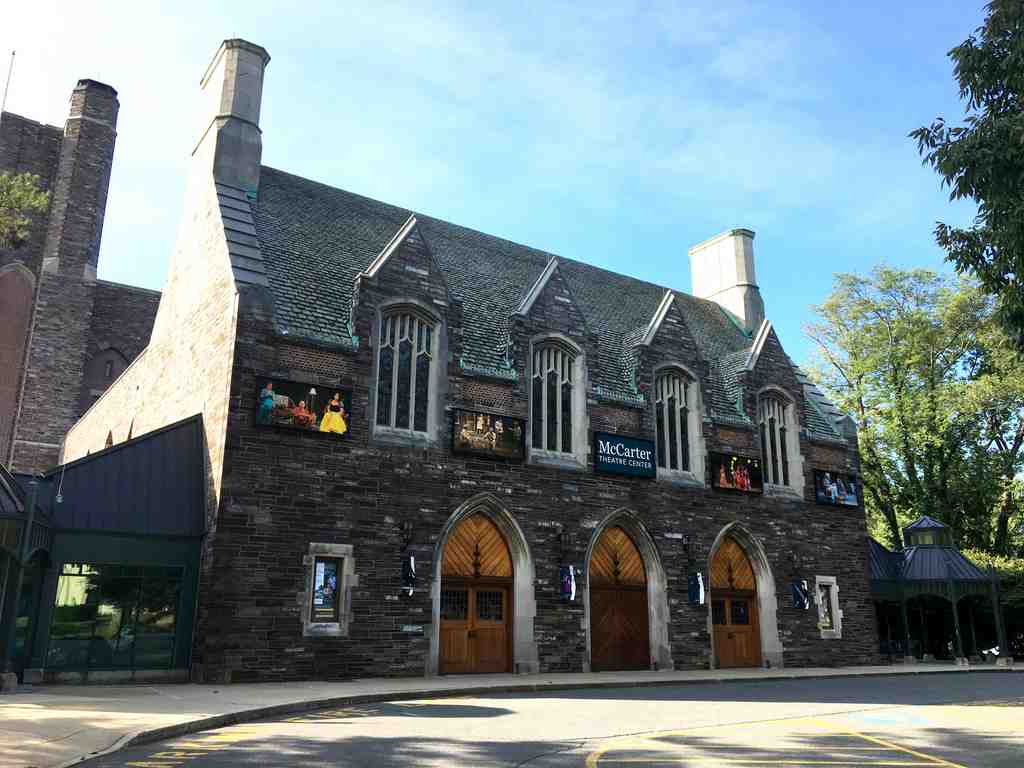
  6. To spot McCarter Theatre in front of you, just look for a grand, gray stone building with a steep, slate roof, tall windows, and two strikingly large wooden doors-almost like it…阅读更多收起

    To spot McCarter Theatre in front of you, just look for a grand, gray stone building with a steep, slate roof, tall windows, and two strikingly large wooden doors-almost like it should be welcoming you into a medieval storybook rather than a Tony Award-winning playhouse. Welcome to the legendary McCarter Theatre, where drama and laughter have danced together for almost a century. Take a breath, close your eyes for just a moment, and imagine-it's the year 1930. The world outside is gripped by the Great Depression, yet in Princeton, a great stone castle rises, promising adventure. With a flourish of trumpets and a rustle of excited chatter, the golden doors swing wide, and the very first audience tumbles in, ready for a night with the Princeton Triangle Club. On that night, stars of the future-Joshua Logan, James Stewart-share jokes backstage, nerves jangling like coins in a pocket. In its early years, the McCarter was so close to Broadway, geographically and artistically, that it became the pre-Broadway launching pad. Imagine large crowds streaming beneath those stone towers-and inside, the cavernous auditorium bathed in the warm glow of footlights. Here, the greats of American theater found their home before hitting the bright lights of New York: Thornton Wilder’s “Our Town” had its first heartbeat right where you’re standing, and “You Can’t Take It With You” was born not in Manhattan, but right here on this New Jersey stage. Just picture Katharine Hepburn, Gene Tierney, and even the iconic Kim Stanley nervously waiting in the wings, surrounded by mountains of stage props and crisp playbills. Music drifted from the McCarter just as often as Shakespearean soliloquies. In the 1930s, the world’s best orchestras stormed through-imagine the Philadelphia Orchestra’s strings shivering into the night, and the thunderous applause following legendary performers like Jascha Heifetz or the young George Balanchine’s American Ballet dancers pirouetting onstage. But not all times were easy. As Broadway changed, out-of-town tryouts faded, and McCarter faced its own dramatic twist: could it survive without the sparkle of pre-Broadway premieres? The lifeline arrived from Princeton University, which swept in like a hero to save the day. From then on, McCarter had the institutional backbone to match its creative heart. By the turbulent 1960s, a fresh cast of stars arrived, both onstage and behind-the-scenes, shaking the rafters with new ideas. Rosemary Harris, Donald Moffat, Edward Asner-these names filled the playbills-but it was also a haven for daring directors ready to commission bold new works. With time, McCarter evolved from a single grand hall to a bustling theater complex, thanks to thoughtful renovations and the addition of a cozy second stage, the Berlind Theater. Creativity now had even more space to roam. What’s most magical about McCarter, though, is its beating heart: the people. It isn’t just a place where stars are born, but one where 100,000 community members get to join in-students, families, budding playwrights, all swept up in the magic of the stage. You might even hear the distant echoes of children’s laughter from a school program or the low murmur of actors pacing before a big opening night. Today, as you stand under the pointed arches and gaze at those old stone walls, you’re sharing space with nearly a century’s worth of triumphs, tragedies, and standing ovations. New productions still sparkle to life under Artistic Director Sarah Rasmussen and Executive Director Martin Miller-just as they have, wave after wave, since 1930. And if you listen closely as you pass, you might hear the whispered secrets of giants who once took their first bow here. So before you leave, take a dramatic pause and let your imagination fill these stones with scenes of hope, heartbreak, and hilarity-because the McCarter truly is where stories come to life, and where, for almost a hundred years, Princeton has come to laugh, wonder, and dream.

    打开独立页面 →
  7. To spot the Hobey Baker Memorial Rink, look for a sturdy stone building with a wide, gently sloping wooden roof and large arched windows, usually surrounded by a lively crowd-just…阅读更多收起

    To spot the Hobey Baker Memorial Rink, look for a sturdy stone building with a wide, gently sloping wooden roof and large arched windows, usually surrounded by a lively crowd-just follow the sounds of cheering and look for rows of bright orange seating inside. Welcome to the legendary Hobey Baker Memorial Rink! Imagine stepping back nearly a century, the cold Princeton air tingling on your cheeks, as you walk toward this storied building. The first thing you'll notice is the sound of skates carving across the ice -that’s history in motion. This arena, with its glowing wooden beams stretching above, has been the home of Princeton hockey since the early 1920s. It’s named for the heroic Hobey Baker, class of 1914, who could dash across a football field and glide across the ice with the same unstoppable energy. After World War I, Baker’s legend followed him, and when the university decided to build an arena, they honored his spirit with this lasting tribute. As you stand here, picture the excitement shimmering in the air on game night-over 2,000 fans squeezing in, their breath frosting the glass, the orange benches buzzing with conversation and shouts. This rink is more than just hockey; it's also where figure skaters twirl, where students clumsily chase broom balls, and where, once, the university basketball team had to borrow the space after a fire burned down their gym. Talk about chilly dribbling! But don’t let the old-school charm fool you. Behind those doors, time hasn’t stood still. Over the years, they've added locker rooms and even a skate sharpening room (because dull blades are no fun). Listen for laughter and the new sound system’s booming music -they even upgraded the scoreboard, making sure the excitement shines brighter with every game. So next time you hear puck against stick echo in the rafters, remember: you’re hearing the heartbeats of generations of Tigers, all brought together under this mighty, wooden roof.

    打开独立页面 →
  8. To spot Prospect House, look for a grand, two-story stone mansion with a tall square tower, broad lawns, and elegant balconies-right in front of you, framed by trees and…阅读更多收起

    To spot Prospect House, look for a grand, two-story stone mansion with a tall square tower, broad lawns, and elegant balconies-right in front of you, framed by trees and sunlight. Now, as you stand on this lush green lawn and gaze at the stately Prospect House, imagine yourself in a scene right out of a classic novel. The year is 1851, and the brand-new stone house gleams under the sun, its rustically cut sandstone glowing gold in the afternoon light. Designed by John Notman, who thought America needed a dash of Italian flair, Prospect House is brimming with elegant details: look up to see the wide eaves with ornate brackets and the central porte-cochere beckoning guests inside. The air is alive with anticipation-maybe you catch the faint. But the story doesn’t start here. Long before Prospect House was built, this very site was a humble farm. Picture George Washington himself making his way up the old farmhouse steps, perhaps enjoying a meal after a long day during the American Revolution. The scene shifts; decades later, the estate transforms as Thomas Fuller Potter dreams of a house fit for a lord. The land, once muddy and horse-trodden, now features landscaped grounds and a home that makes passersby stop and gawk. By 1878, this impressive property caught the eye of two generous brothers, Alexander and Robert Stuart. With a sweep of their pen, they donated it to Princeton, where it soon became home to the university’s president. One of those presidents was none other than Woodrow Wilson. Imagine him, deep in thought, pacing these rooms or leaning over a balcony as he planned his next big move-eventually leaving Prospect House to become Governor of New Jersey, and then, President of the United States. That’s some serious career advancement! You half expect to hear the clink of dishes from a grand dinner party in the dining room that stretches out the back, a later addition by designer Warren Platner. And that’s not the only presidential connection-a secluded February day in 1913 saw a secretive yet joyful wedding here, when Frances Cleveland, widow of President Grover Cleveland, married professor Thomas J. Preston, Jr. at Prospect House. Talk about an A-list campus event! These days, Prospect House isn’t a private mansion or presidential residence-it’s where Princeton’s professors come to relax and chat, and maybe tell a ghost story or two. Recognized as a National Historic Landmark, the house still stands as a reminder that, sometimes, the buildings around us have more drama and character than half the campus plays put together. So take another look and try to imagine the echoes of history in every stone.

    打开独立页面 →
  9. You’ll spot the Scheide Library just ahead inside the grand and welcoming Firestone Library, easily recognized by its warm wood-paneled rooms, shelves packed tight with old books,…阅读更多收起

    You’ll spot the Scheide Library just ahead inside the grand and welcoming Firestone Library, easily recognized by its warm wood-paneled rooms, shelves packed tight with old books, and the classic scholarly atmosphere-just follow your nose toward that magical smell of aged paper and polished brass. Welcome, my friend, to a cozy corner of campus where the past whispers and the pages practically turn themselves: the Scheide Library. Imagine for a second you’re stepping into a room lined with wooden shelves, centuries-old books peering out at you like old friends waiting to share their secrets. The sunlight filters through stained glass, casting a hush over the scene. It’s quieter than a mouse in slippers here-after all, you’re surrounded by some of the world’s rarest treasures. Decades ago, this wasn’t a university library at all. It was a private collection built by three generations of the Scheide family. Each Scheide-William T., John H., and the final collector, William H.-was part book hunter, part treasure keeper. Together they built a literary kingdom. And when William H. Scheide passed away in 2015, his gift to Princeton created a sensation: nobody had ever handed the university a present quite so valuable! This library’s collection still makes other librarians break into a cold sweat of envy. Now, here’s the jaw-dropper: this little spot is home to all four of the first printed Bibles. Yes, including the legendary Gutenberg Bible-a book so rare it could make Indiana Jones trade in his hat just for a peek. These sacred tomes stand as the only group outside Europe. Add in handwritten music by Bach and Beethoven, Abraham Lincoln’s own scribbles, a copy of the Declaration of Independence, and first editions of Shakespeare and Milton-well, you have a room that could make even the ghost of William Shakespeare feel underdressed. William H. Scheide wasn’t just a collector, either-he was so passionate about Bach that he started the Bach Aria Group to make sure those soaring cantatas never got dusty. His private collecting was always for the public good, and today, scholars and dreamers alike can dive into these wonders. So, as you stand here, imagine what it’s like to turn one of those ancient pages. It’s a reminder that sometimes, the grandest adventures begin with opening a book.

    打开独立页面 →
  10. To spot FitzRandolph Gate, look for two tall stone pillars topped with powerful stone eagles, and an ornate black ironwork arch decorated with Princeton’s coat of arms, right at…阅读更多收起

    To spot FitzRandolph Gate, look for two tall stone pillars topped with powerful stone eagles, and an ornate black ironwork arch decorated with Princeton’s coat of arms, right at the edge of Nassau Street before you enter campus. Now, as you stand in front of this magnificent iron gateway, imagine yourself back in the early 1900s. The air is filled with anticipation, and the gate’s elegant black ironwork almost glimmers in the sunlight, practically daring you to peek through to what lies beyond. This isn’t just any entrance - this is the grand FitzRandolph Gate, the very front door to Princeton University! And would you believe, the whole thing exists because of a family whose generosity stretches over centuries, and even a little drama involving a will and a rather unfortunate skeet-shooting accident. But let’s not get ahead of ourselves. Picture Nathaniel FitzRandolph, a man with big dreams and a knack for rallying folks together-back in the 1700s, he convinced people to bring the College of New Jersey, as Princeton was then known, right here to this very spot. He donated more than four acres, ensuring Nassau Hall and all of Princeton’s history could flourish. Fast forward a couple of generations, and Nathaniel’s great-grandson, Augustus Van Wickle, leaves money in his will to build this gate in Nathaniel’s honor. Sadly, Augustus meets his end at a skeet-shooting tournament-proof that rich family histories sometimes come with a dose of unpredictable excitement. The gate you see was completed in 1905, crafted by the famous architects McKim, Mead & White, whose work almost whispers “you’re about to enter somewhere exceptional.” For much of its existence, these gates were closed and locked, only swinging open for two occasions: graduation and the famous alumni P-rade. Can you imagine the suspense? Gates barred for most of the year, as if concealing the secrets of the university! But in 1970, a group of spirited seniors decided it was time for Princeton to throw its gates wide open for good-as a symbol of welcome to the world. But beware! Legends say if any student leaves through these gates before graduating, their diploma will disappear, just like a magician’s rabbit-so freshmen march in, but only graduates march out. Now, every fall, the new class parades through at the Pre-Rade, stepping into a tradition as old as the trees overhead, with laughter, hope, and just a tinge of superstition. So go ahead, admire those swirling iron patterns, the proud eagles, and picture the countless students whose stories began-or ended-right at these gates. Princeton’s heart starts here, and by standing with FitzRandolph Gate before you, you’re peeking into centuries of ambition, legend, and welcome.

    打开独立页面 →
  11. Look for a cream-colored building with dark green trim, a triangular roof, and a classic ticket booth right out front-just a few steps off Nassau Street, beside a deep red…阅读更多收起

    Look for a cream-colored building with dark green trim, a triangular roof, and a classic ticket booth right out front-just a few steps off Nassau Street, beside a deep red colonial-style house. Welcome to the Princeton Garden Theatre, where movie magic has been lighting up Nassau Street for over a century! Pause for a moment and take in the sight: this vintage cinema almost looks like it’s stepped straight out of another era, greeting each visitor under its crisp marquee. If the walls could talk, they’d share tales full of laughter, drama, and a little suspense-sometimes from the movies, sometimes from the audience! Let’s set the scene back in the early 1900s. At that time, Princeton’s theater choices were a little lacking. The Triangle Club had to perform in an old campus Casino with acoustics so bad, even a whisper sounded like a mystery. Alexander Hall was too big, too echoey-more suited for grand speeches than for intimate performances. Enter Professor Donald Clive Stuart, who had a vision: a cozy little theater, inspired by the boutique Princess Theatre in New York, one that would welcome not just local performances but the grand Hollywood invention-motion pictures. Fast forward to 1919, and the Princeton Theater Company sprang into action, targeting this spot at the corner of Nassau and Vandeventer. The land hugged Bainbridge House, a Revolutionary War relic where British officers once argued their next move. Picture this: a rose garden glowed beside the house, so when it came time to name the theater, “Garden” just fit. Originally, the plan called for a stage as grand as any Broadway hope, but progress brought change (and a little budget reality), so the Garden Theater pivoted to focus on cinema-with a sly promise to maybe, just maybe, add a stage later. In 1920, with $60,000 spent (including a shiny new organ), 1,000 seats ready, gallery boxes for extra flair, and palms and ferns draped for good measure, the Garden Theatre opened its doors. Imagine the buzz as people entered for the very first show-a silent comedy called Civilian Clothes-while a live orchestra played and the audience, no doubt, rustled in anticipation. Now, although some legends say the Triangle Club performed here, that was just a rumor from early planning-live theater would eventually find its Princeton home at McCarter Theatre a decade later. Today, the Garden isn’t just a movie house-it’s a gathering spot for film lovers, kids out for Saturday matinees, folks eager for classic and international films, and even those who enjoy a good Q&A. Hollywood Summer Nights fill the screen with old favorites-Jaws and Casablanca still draw big crowds, so practice your best “Here’s lookin’ at you, kid” if you show up for that! And if you detect a whiff of popcorn on the breeze, you’re in the right place. Membership keeps this gem running, with locals supporting the theater and earning discounted tickets. It’s even hosted big names and live broadcasts from across the globe. So, as you stand in front of this living piece of Princeton history, you might just hear the echoes of a century’s worth of applause, laughter, dramatic gasps-and the excited murmurs of moviegoers still ready for one more night at the movies.

    打开独立页面 →
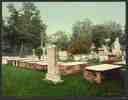
  12. Directly ahead, you’ll spot Princeton Cemetery by its old wrought-iron gates and the tall, stately trees peeking over the stone wall-just look for the peaceful rows of headstones…阅读更多收起

    Directly ahead, you’ll spot Princeton Cemetery by its old wrought-iron gates and the tall, stately trees peeking over the stone wall-just look for the peaceful rows of headstones nestled comfortably behind these historic barriers. Welcome to Princeton Cemetery, known as the “Westminster Abbey of the United States”-though I promise, nobody here will give you a British accent. Owned by Nassau Presbyterian Church, this quiet plot of land has witnessed more stories, secrets, and famous last words than just about anywhere else in town. As you stand here, you might hear the subtle sound of leaves brushing against weathered stone, setting the mood for a walk with Princeton’s departed legends. Step through these gates and you’re walking with the ghosts of presidents, poets, professors, and plenty of plot twists. Beneath the grass lies Grover Cleveland, the only U.S. president to serve two non-consecutive terms. Imagine his spirit pacing, still trying to explain electoral math to Rutherford B. Hayes and Franklin Pierce. Right nearby is his wife, Frances Folsom Cleveland Preston, and their daughter Ruth-yes, she’s the supposed namesake for the Baby Ruth candy bar. Now, whether that’s actually true or just a sweet legend depends on who’s telling the story, but it makes for great cemetery trivia. And just in case Hamilton wasn’t dramatic enough, Aaron Burr is buried here too. He was vice president, adventurer, duelist-and yes, the infamous man who shot Alexander Hamilton and walked away, mostly unscathed, except for a treason trial later on. Talk about having skeletons in your closet! Burr’s father is here as well-Aaron Burr Sr., a president of Princeton University, and beside them, you’ll find Jonathan Edwards, yet another Princeton University president (and the “Sinners in the Hands of an Angry God” preacher). Some families collect baseball cards, but the Burr-Edwards clan liked university presidencies. You’ll also find some real brainpower underground. Picture this: the grave of John von Neumann, who helped invent the computer. Or Kurt Gödel, the mind behind incompleteness theorems-he and Von Neumann might just be endlessly debating logic, even now. And don’t miss John Tukey and Frank Anscombe, statisticians who turned numbers into fascinating puzzles and patterns. If you stand quietly, maybe you’ll pick up some math by osmosis…or at least get a tingle of curiosity. Beyond presidents and professors, look for Sylvia Beach, whose Paris bookshop launched the first edition of James Joyce’s *Ulysses.* Or George Gallup, whose name lives on in polling every election season. There’s even Harold Bender the linguist, Michael Graves the architect, and William G. Thompson-a mayor of Detroit, because why not? From Civil War generals like George Dashiell Bayard and David Hunter, to signers of the Declaration of Independence like John Witherspoon, each stone is a doorway into another story, another century. And as you imagine the mix of quiet conversations and silent secrets, you might hear the distant crunch of gravel underfoot as another visitor pays respects. This peaceful resting place is more than a collection of tombstones-it’s Princeton’s greatest tale, told chapter by chapter beneath your feet. If you listen closely, you just might hear the echo of history itself. Now, ready for the next mystery?

    打开独立页面 →
  13. To spot Elements, look for a sleek, modern building on Witherspoon Street, with a minimalist design and a stylish "e" logo-just like the one in front of you now. Welcome to…阅读更多收起

    To spot Elements, look for a sleek, modern building on Witherspoon Street, with a minimalist design and a stylish "e" logo-just like the one in front of you now. Welcome to Elements-Princeton’s very own culinary phoenix! Now, picture this: you’re standing where cars used to get their tires changed and engines fixed, right next to a gas station. But don’t worry, the only thing firing up here now is the kitchen! Elements was dreamed up by Steven Distler, a private equity wizard who saw magic where others just saw grease stains. He took an old, rough-and-tumble garage and transformed it into this elegant restaurant, where you’ll now find glinting silverware instead of wrenches and the scent of truffle oil instead of gasoline. Steven roped in a not-so-secret weapon, Chef Scott Anderson. Scott’s a Rutgers grad whose kitchen journey began without any fancy culinary school credentials. He learned by doing-six years slaving away at the legendary Ryland Inn, becoming head chef, always tweaking and experimenting. Scott teamed up with savvy wine guy Laurent Chapuis, who runs the cork-popping Princeton Corkscrew Wine Shop. Together, they turned up the heat in Princeton’s dining scene. The first location of Elements wowed taste buds over on Bayard Lane, but in 2014, they closed up shop for a bold move. Here at Witherspoon, the team gutted the old garage, built a restaurant fit for gastronomic adventures, and-fun fact-shared the space with another foodie favorite, Mistral. While hammers swung and sawdust flew, Mistral kept the aroma of good food floating down the block. Inside, the menu changes like the seasons-one day it’s chicken liver pâté, another it’s Laughing Bird shrimp or locally sourced grits. The wine? Enough bottles to make you dizzy before you even take a sip-ranging from thrifty to “I hope you’ve got a good reason to celebrate!” Critics across New Jersey and even Forbes have showered praise here, with Scott coming close to snagging a James Beard Award. So, as you stand here, imagine whispers of the past-the clatter of auto repairs traded for the clink of elegant cutlery, and the thrill that you might just be about to try the best bite in town. Now, who would’ve guessed a garage could end up so delicious?

    打开独立页面 →
  14. Look ahead for a large, pale yellow mansion with a grand columned porch, dark shutters, and a distinctly symmetrical front-if you spot a stately house with an American flag above…阅读更多收起

    Look ahead for a large, pale yellow mansion with a grand columned porch, dark shutters, and a distinctly symmetrical front-if you spot a stately house with an American flag above the door, you’ve found Westland Mansion. Take a moment to imagine the gentle crunch of gravel beneath your feet as you stroll up the broad, tree-shaded path toward the impressive yellow stucco façade of Westland Mansion. This grand home-now a serene and private residence-once bustled with the footsteps of one of America’s most famous retirees: Grover Cleveland, the only U.S. president to serve two non-consecutive terms. Yes, that’s right! After the hard-hitting life of politics, Cleveland decided this 2½-story mansion in Princeton’s historic district would make the perfect final chapter for his story…and what a chapter it was. Imagine the year is 1897, and Cleveland has just left the White House, tired but proud-his mustache perhaps a little grayer, his sense of humor still sharp. He moves into Westland Mansion, which had originally been built in 1856 by Robert F. Stockton, a U.S. senator and naval commodore with quite the family tree-one ancestor even signed the Declaration of Independence! The mansion, inspired by the nearby Morven estate, was known for its spacious parlors, high ceilings, grand marble mantelpieces, and wide lawns shaded by towering pines. Out back, you might have glimpsed an orchard bursting with pear and cherry trees and perhaps heard the gentle murmur of doves from the dovecote. Cleveland named this peaceful estate “Westland” after his friend Andrew Fleming West, a Princeton professor who helped him buy the home. He got comfortable fast, extending the right side of the house to build a special two-story addition-the lower floor became his billiards room. Fancy a game? It’s said Cleveland loved nothing more than relaxing with friends from the so-called “Poverty Club”-perhaps a bit of presidential irony there! Regular card games and the click of billiard balls filled the halls with laughter and friendly competition. But Cleveland didn’t just kick back and relax-retirement wasn’t in his nature. Though he never went to college himself, he joined Princeton University’s Board of Trustees and even led a committee to create a graduate school. He lectured at the university to large crowds, so if you listen closely, maybe you can still hear the echo of his thoughtful words-and the roaring applause afterward. On his birthday and after big football games, students would parade up to Westland, filling the air with cheers and song. Cleveland loved the town, keeping up with friends, writing letters, and staying active in both social and political circles. When Grover Cleveland passed away here in 1908, Princeton lost more than a neighbor-they lost a legend. His widow, Frances, stayed at Westland for many years, filling the house with her own stories and laughter. Today, even though this beautiful mansion isn’t open to the public, visitors like you can still stand outside and imagine the scenes of history-billiards, birthday parades, and the gentle rustle of the orchard beyond the gardens. So take in the view, and give a little nod to President Cleveland’s favorite spot-it’s the kind of place where history feels like it just stepped out for a stroll.

    打开独立页面 →
  15. To spot Trinity Church, just look for the impressive, towering stone building with a steep, pointed spire and arched windows rising above the treetops directly ahead of you-it’s…阅读更多收起

    To spot Trinity Church, just look for the impressive, towering stone building with a steep, pointed spire and arched windows rising above the treetops directly ahead of you-it’s hard to miss with its striking Gothic Revival design and commanding presence. Take a moment to soak in the view, because you’re standing in front of a church with a story so rich, even the bells might ring in excitement! Trinity Church is more than just the largest Episcopal church in New Jersey; it’s practically Princeton’s own time machine, packed with centuries of surprises. Imagine standing on this very spot in 1833, when the idea of an Episcopal church here was almost rebellious. Princeton was mostly a land of Presbyterians, with the famous College of New Jersey (now Princeton University) and the Theological Seminary just down the street. Into this determined crowd came a handful of big dreamers-some with roots in the South-who built a modest Greek Revival hall designed by local star Charles Steadman, who also gave us Miller Chapel and many elegant homes nearby. Fast forward to 1870, and that simple building gave way to something much grander-what you see before you, clad in Gothic Revival style, rising with confidence. Picture Richard Upjohn and his son at the drawing board, their pencils flying, inspired by medieval Europe. Their creation-and later, celebrated architect Ralph Adams Cram’s additions-turned this place into a stone-and-glass symphony, echoing with carillon bells and awash in sunlight dancing through tall, colored windows. And get this: set above one chancel door is an actual stone relic from the 13th-century St. Oswald’s Church in England, brought all the way from the Stockton family’s distant roots. Trinity has always had one foot here in Princeton, and another somewhere in history. If you listen closely, you might almost hear the laughter and lessons of children-Trinity built a gothic schoolhouse in 1850, a real innovation at the time. This schoolhouse wasn’t just for Sunday school kids; it also became a classroom for African-American children left out of local schooling, turning the church into a beacon of welcome and progress, one chalky lesson at a time. As the 1800s rolled along, Trinity cast its net wider, founding missions nearby-some which still thrive. And let’s not forget the music! Since 1879, the air has been filled with Anglican choral tradition, from the rousing voices of men and boys to today’s rich harmonies from a full choir of all ages and genders. All those rehearsals under top musicians like James Litton and John Bertalot have left the building humming with song. Now, drift into the 20th century when Trinity and the town of Princeton both started to stretch their legs and grow. Post-war baby boomers brought so many children, five hundred kids swarmed the Sunday school-imagine the noise and crayon shavings! New halls, kitchens, and meeting rooms sprang up to meet the buzz. But it wasn’t all smooth: in 1963, flames tore through the church, and the community rallied like a scene from an epic film. Out of the ashes, the church was rebuilt along with new efforts to reach everyone in the area, especially through Trinity Counseling Service and, in a twist of church-planting heroics, the creation of All Saints’ Church for the growing eastern neighborhoods. The two parishes even share a cemetery-just in case you were wondering if they ever ran out of things to share. Leadership here has always had a dramatic flair: rectors who moved on to grander pulpits, a strong-willed dean who ended up at the world’s largest Gothic cathedral, and the parish’s own first woman priest, the Rev. Daphne Hawkes, ordained right under these soaring arches-breaking centuries-old barriers in New Jersey’s Episcopal church. Laypeople, once pew-sitters, started to take on larger roles, shaping the church and its programming, ensuring that everyone has a voice, whether in worship, outreach, or just deciding what’s for coffee hour. More recently, Trinity faced fresh challenges, including the difficult firing of a long-time music director amid serious charges, followed by a healing transition and the arrival of Dr. Margaret “Meg” Harper in 2023, whose arrival sparked new energy in the beloved music program. Walk by on a Sunday night, and you might just catch the soaring notes of an Evensong echoing through the stone, or the gentle hush of Compline washing through the twilight. Step back and take it in-Trinity Church has grown from outsider status to being a joyful heart of Princeton, full of music, history, and a few good surprises. And if you ask me, it’s got more character than a church mouse at choir practice!

    打开独立页面 →
  16. Here you are, standing in front of a somewhat understated but deeply fascinating landmark in the world of ideas: the American Theological Society. Picture this for a moment-it’s…阅读更多收起

    Here you are, standing in front of a somewhat understated but deeply fascinating landmark in the world of ideas: the American Theological Society. Picture this for a moment-it’s 1912. Imagine starched collars, somber suits, and the nervous shuffling of paper as a group of scholars gathers, determined to ask the oldest questions in the book… quite literally! “Where did we come from? Why are we here? And... does coffee count as a theological miracle?” Okay, maybe not that last one, though I bet some members wished it did during those late-night debates. This society is not just any gathering-it’s the oldest professional theological society in all of North America. Think of it as the Ivy League of theological conversations, with a membership so exclusive even secret societies might get a tad jealous. There can only be 100 members at any one time. No more, no less. Getting in? Well, you need to be nominated and then actually win the vote of two-thirds of existing members at an annual meeting. It's a bit like being drafted for an all-star team, but for people who quote ancient texts instead of scoring soccer goals. The atmosphere at their meetings is electric. Imagine the sharp scent of old books mingling with the anticipation of debate-age-old questions reverberating off the chapel walls, the clatter of pens, and voices rising in spirited discussion. But here, it’s not all high tension. There’s warmth, too. The founding aim wasn’t just to battle over big ideas; it was also to build lasting friendships, a “collegial” spirit that’s still carefully cultivated today. Membership, too, is a journey. There are the regulars who never miss a year, “sustaining” folks who’ve stepped back but still keep in touch (and pay those all-important dues), and the inactive crowd-perhaps a bit like theological ghosts who haunt the ledger but haven’t made an appearance in a while. Then there are the “members-designate” who have been elected, but haven’t attended yet. You might say they’re in theological limbo! Behind the scenes, society business is run by an executive committee. Imagine a president, a vice-president, a past president who probably likes to say, “Well, back in my day…,” plus officers and members at large. All are chosen by the membership-democracy at its most intellectual! Today, the society meets just over there, at Princeton Theological Seminary. If you listen closely on meeting days, you might just hear the echoes of passionate arguments about faith, meaning, and perhaps the occasional joke about the theological significance of donuts. It’s a living testament to the ongoing quest for understanding-right at the heart of Princeton.

    打开独立页面 →
  17. To spot the Princeton University Graduate College, look for a castle-like stone building with ivy climbing the walls and a tall, dramatic tower rising above the trees to your…阅读更多收起

    To spot the Princeton University Graduate College, look for a castle-like stone building with ivy climbing the walls and a tall, dramatic tower rising above the trees to your right. Welcome to the grand finale of our adventure! As you stand here, take a deep breath and look up at that towering structure-the Cleveland Tower is nearly 173 feet high and just might inspire you to shout, “Eureka!” like a proper scholar. The sound of bells might even echo through the air if you’re lucky; that’s the carillon ringing out from above, one of the largest in the nation. Spread before you is the Graduate College, Princeton’s answer to the age-old question, “Where can brilliant minds hide out, ponder big ideas, and maybe eat too much late-night pizza?” Built a bit west of the busy main campus back in 1913, this place is like Hogwarts for grown-ups-complete with spires, secret nooks, and a touch of mystery. It all began thanks to a generous widow, Mrs. Thomson Swann, honoring her husband, Senator John R. Thomson. Imagine her watching this collegiate castle rise, stone by stone, knowing it would welcome future wizards of science, arts, and everything in between. But life here isn’t all studying by candlelight. With around 430 first-year graduate students moving in every fall, these echoing halls have seen midnight study sessions, unexpected friendships, and more than one epic snowball fight outside Procter Hall. And then there’s the Wyman House, home of the Dean-well, let’s just say the “boss” never sleeps far from the action. Pyne Tower? Rumor has it, that’s where the current administrator lives, perhaps plotting ways to make finals week a little more... interesting. You might have seen these very towers in movies like Admission and Runner Runner-Hollywood couldn’t resist their old-world charm and a dash of Ivy League intrigue. So as you walk past this castle on the hill, imagine the stories hidden behind every window: dreams taking flight, little academic rivalries, and, of course, the occasional victory dance heard echoing through the quad at 2 a.m. Welcome to the legacy of Princeton graduate life!

    打开独立页面 →

常见问题

如何开始导览?

购买后,下载 AudaTours 应用并输入您的兑换码。导览将准备好立即开始--只需点击播放并按照 GPS 引导的路线行驶即可。

导览期间我需要互联网吗?

不需要!开始前下载导览并完全离线享受。只有聊天功能需要互联网。我们建议在 WiFi 下下载以节省移动数据。

这是导游带领的团体游吗?

不是--这是自助语音导览。您按照自己的节奏独立探索,通过手机播放音频解说。没有导游,没有团体,没有时间表。

导览需要多长时间?

大多数导览需要 60-90 分钟才能完成,但您完全控制节奏。随时暂停、跳过站点或休息。

如果我今天无法完成导览怎么办?

没问题!导览具有终身访问权限。随时暂停和恢复--明天、下周或明年。您的进度已保存。

有哪些语言可用?

所有导览均提供 50 多种语言版本。在兑换代码时选择您的首选语言。注意:导览生成后无法更改语言。

购买后我在哪里访问导览?

从 App Store 或 Google Play 下载免费的 AudaTours 应用。输入您的兑换码(通过电子邮件发送),导览将出现在您的资料库中,准备下载并开始。

verified_user
满意保证

如果您不喜欢该导览,我们将退款。请联系我们 [email protected]

安全结账使用

Apple PayGoogle PayVisaMastercardPayPal

AudaTours:语音导览

有趣、经济实惠、自助徒步导览

试用应用 arrow_forward

深受全球旅行者喜爱

format_quote 这次导览是游览这座城市的绝佳方式。故事很有趣,感觉不太照本宣科,我喜欢能够按照自己的节奏探索。
Jess
Jess
starstarstarstarstar
第比利斯导览 arrow_forward
format_quote 这是了解布莱顿的一种可靠方式,感觉不像游客。解说有深度和背景,但并未过度。
Christoph
Christoph
starstarstarstarstar
布莱顿导览 arrow_forward
format_quote 一手拿着羊角面包,零期望地开始了这次导览。这款应用真的很适合你,没有压力,只有你、你的耳机和一些很酷的故事。
John
John
starstarstarstarstar
马赛导览 arrow_forward

无限语音导览

解锁全球每个导览的访问权限

0 导览·0 城市·0 国家
all_inclusive 无限探索