
纽约市语音导览:金融区的英雄、希望与高楼大厦
无数故事穿梭于这些钢铁峡谷之中,这里曾是财富的诞生地,高楼曾轰然倒塌,历史也在此不断改写。纽约金融区隐藏的不仅仅是股票行情显示器和匆忙的脚步——在这里,每个街区都守护着一个值得探索的秘密。 在这个自助语音导览中,您将解锁不为人知的故事的力量,并走进大多数游客从未注意到的后街小巷。一层层地发现曼哈顿的真正脉搏。 在一个寒冷的早晨,是什么让华尔街陷入一片混乱?自由塔上雕刻的哪些符号隐藏着未解之谜的线索?为什么每个月都有鲜花神秘地出现在9/11纪念馆旁边的同一个地方? 追溯伪装成建筑的政治斗争,跟随反叛的阴影,并在水边见证几个世纪的碰撞。每一步都体验这个街区的戏剧性、隐藏的悲伤和希望。 您准备好揭开纽约从未完全揭示的秘密了吗?您的故事现在开始。
导览预览
关于此导览
- schedule持续时间 30–50 mins按照自己的节奏
- straighten0.5 公里步行路线跟随引导路径
- location_on
- wifi_off离线工作一次下载,随处使用
- all_inclusive终身访问随时重播,永久有效
- location_on从 自由塔(曼哈顿) 开始
此导览的景点
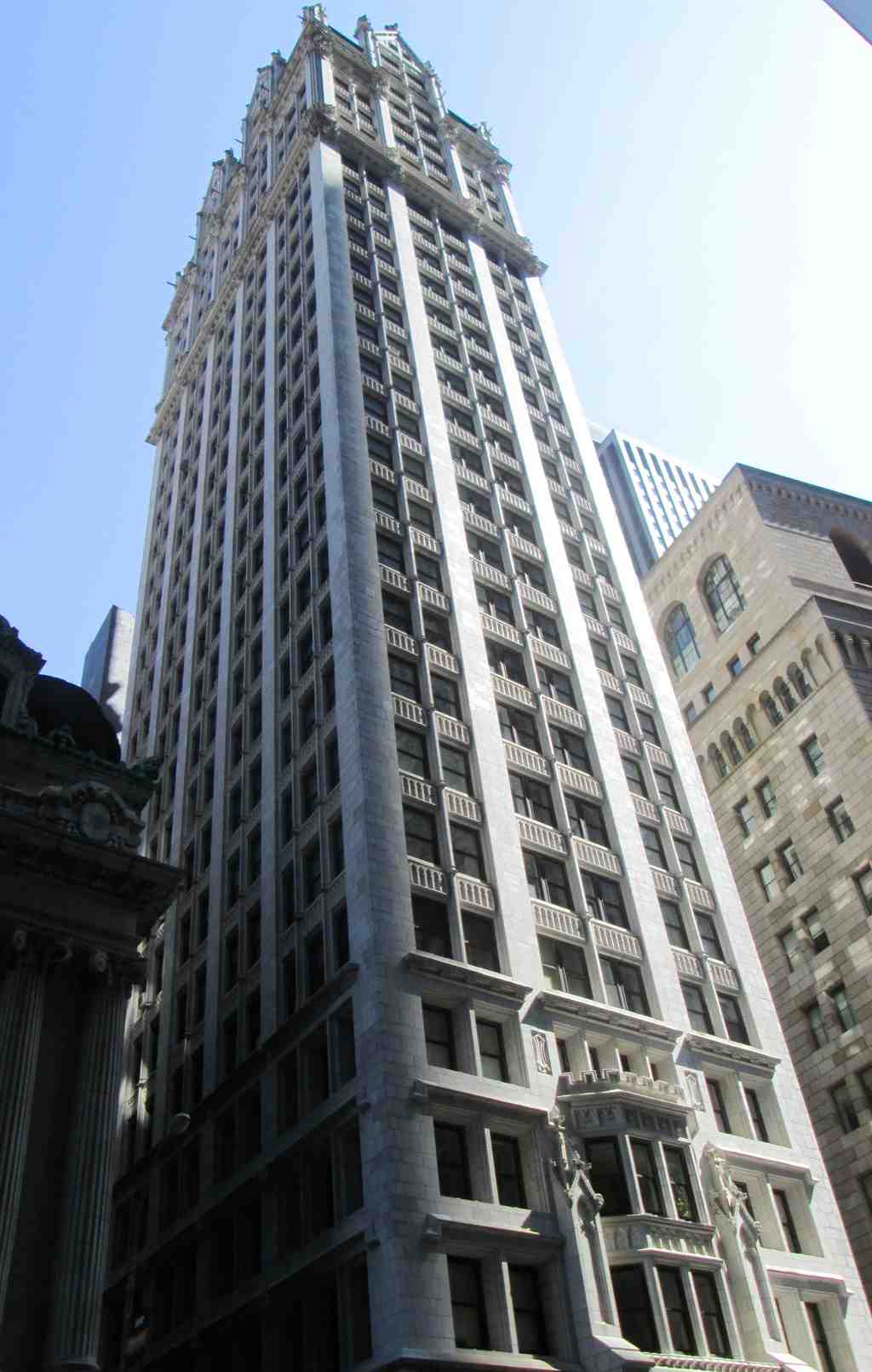
Rising above the narrow streets at 55 Liberty Street, the Liberty Tower is easy to spot by its striking white terracotta facade, completely adorned with whimsical creatures and…阅读更多收起
Rising above the narrow streets at 55 Liberty Street, the Liberty Tower is easy to spot by its striking white terracotta facade, completely adorned with whimsical creatures and capped by a soaring, castle-like top-just look up for a narrow, 33-story skyscraper that gleams differently from the neighboring stone buildings. Standing here, you’re right at the foot of a legend-a tower that, when it first opened its doors in 1910, was declared the world’s tallest building with such a slender footprint, like a sword thrusting into the Manhattan sky. Imagine the early 1900s, noisy with construction all around and the city’s skyline changing before your eyes. This tower, designed by Henry Ives Cobb, was both a feat of engineering and artistry. Not only did it rise with a steel skeleton-the latest modern marvel-but Cobb decided to dress it entirely in white terracotta, giving the building a dazzling, almost fairy-tale appearance, covered in birds, alligators, gargoyles, and fantastical ornament. Even now, if you glance along the upper walls, you can sometimes catch a glint of sunlight off a dragon or an eagle perched in the masonry. Back when the building was brand new, one of its very first tenants was a young Franklin Delano Roosevelt, whose law office sat on the second floor-before he ever dreamed of the presidency. But behind those storied doors, intrigue simmered. In 1917, as World War I brewed, this building hosted German spies using a rented office as a cover while they plotted to draw the United States into a war with Mexico and Japan. The scheme unraveled with the dramatic revelation of the Zimmermann Telegram, changing the course of world history right from these very corridors. Within a decade, the entire skyscraper was snapped up by the Sinclair Oil Company. Imagine the flurry of business in the smoky boardrooms, where deals for oil rights made here would echo all the way to Washington D.C. and erupt into the infamous Teapot Dome Scandal-a tale of bribery and political intrigue that rocked the 1920s. And when the financial power shifted Midtown and companies like Sinclair moved north, the Liberty Tower changed hands again and again, sometimes bustling with over a hundred busy tenants. But by the late 1970s, as Wall Street’s fortunes flickered, the glory days of the Liberty Tower seemed to flicker with them. At one point, the building stood two-thirds empty, abandoned, and hardly anyone believed it could revive. Enter architect Joseph Pell Lombardi, who saw possibility where others saw decay. He bought the tower for under a million dollars, launching one of the city’s first office-to-residential transformations. Picture the dusty, echoing offices ripped out and reborn as New York’s tallest co-ops south of Canal Street-the start of a whole new way to live downtown. Take a step back and look up-the base, shaft, and castle-like crown rise in perfect columns, each section with its own details. Try to pick out the vertical piers, or the rows of small windows as the stories climb higher. At the very top, green copper roofs recall the turrets of a storybook castle. Below your feet, the tower is anchored with foundations drilled nearly a hundred feet to bedrock, overcoming quicksand and hardpan. Special caissons had to be sunk just to hold this tall, slender marvel aloft in a city eager for height. Through every transformation, Liberty Tower has clung fiercely to its identity. Its restoration in the 1990s and again after September 11th-a day the tower sustained heavy damage just steps from Ground Zero-became a monumental challenge of its own, as residents worked together to save the storybook creatures clinging to the walls. Now, not only does it look as fantastical as it did over a century ago, it’s officially recognized as a New York City Landmark and part of the Wall Street Historic District. Here you are, at the crossroads of money, mystery, scandal, and resilience-where a slender, white terracotta tower once crowned the skyline, and still stands guard over Liberty Street, whispering stories through every gargoyle and bird set in stone. Yearning to grasp further insights on the site, architecture or the critical reception? Dive into the chat section below and ask away.
打开独立页面 →
常见问题
如何开始导览?
购买后,下载 AudaTours 应用并输入您的兑换码。导览将准备好立即开始--只需点击播放并按照 GPS 引导的路线行驶即可。
导览期间我需要互联网吗?
不需要!开始前下载导览并完全离线享受。只有聊天功能需要互联网。我们建议在 WiFi 下下载以节省移动数据。
这是导游带领的团体游吗?
不是--这是自助语音导览。您按照自己的节奏独立探索,通过手机播放音频解说。没有导游,没有团体,没有时间表。
导览需要多长时间?
大多数导览需要 60-90 分钟才能完成,但您完全控制节奏。随时暂停、跳过站点或休息。
如果我今天无法完成导览怎么办?
没问题!导览具有终身访问权限。随时暂停和恢复--明天、下周或明年。您的进度已保存。
有哪些语言可用?
所有导览均提供 50 多种语言版本。在兑换代码时选择您的首选语言。注意:导览生成后无法更改语言。
购买后我在哪里访问导览?
从 App Store 或 Google Play 下载免费的 AudaTours 应用。输入您的兑换码(通过电子邮件发送),导览将出现在您的资料库中,准备下载并开始。
如果您不喜欢该导览,我们将退款。请联系我们 [email protected]
安全结账使用 


