

阿斯伯里公园语音导览:标志、奇闻与摇滚传奇揭秘
旋转木马的霓虹笑容曾点亮泽西的夜晚,在玻璃和钢铁背后隐藏着不为人知的历史。阿斯伯里公园不仅仅是海滨木栈道和沙滩——它是一座充满反叛、革新和暗流涌动的城市。 这个自助语音导览将层层揭开面纱,带您前往当地人津津乐道的地方和故事。探索政治竞争动摇根基的学校,爱情与丑闻共舞的夜总会,以及被冒险家和梦想家萦绕的失落的游乐宫殿。 是何种黑暗事件迫使宫殿游乐场一夜之间关闭?天堂夜总会墙壁背后回荡着哪些被禁止的声音?阿斯伯里公园公立学校的一个课堂决定如何改变了一座城市争取平等的进程? 从褪色的壁画走到霓虹闪烁的俱乐部,在每条街道的转角处追溯戏剧、反抗和发现。用全新的视角看阿斯伯里公园——原始、不可预测、令人难忘。 点击播放,让电光魅影引领您的下一次冒险。
导览预览
关于此导览
- schedule持续时间 40–60 mins按照自己的节奏
- straighten3.6 公里步行路线跟随引导路径
- location_on
- wifi_off离线工作一次下载,随处使用
- all_inclusive终身访问随时重播,永久有效
- location_on从 阿斯伯里公园车站 开始
此导览的景点
If you’re looking for the Asbury Park Station, just scan for the wide, open train platform lined with sturdy brown benches and black railings, and check for the bold Asbury Park…阅读更多收起
If you’re looking for the Asbury Park Station, just scan for the wide, open train platform lined with sturdy brown benches and black railings, and check for the bold Asbury Park sign-it’s all right next to Cookman Avenue, nestled between Main Street and Memorial Drive. Alright, you’re standing at a spot that’s seen more drama than a soap opera marathon. Picture it: the year is 1875, and instead of car horns and cell phones, you’d hear the sharp whistle of a steam train rolling into a tiny, sandy town that’s about to boom with excitement. The train line slicing through Asbury Park was brand new, luring dreamers, beachgoers, and the odd hound avoiding Sunday chores. The station was built on land gifted by the Ocean Grove Campmeeting Association-yep, the Methodists next door-who had one big rule: “No stopping trains on Sundays, or else!” Even though Asbury Park brought in more ticket sales than anyone else, if you needed a ride to grandma’s on a Sunday, you were out of luck. But rules are meant to be bent, right? Over the years, a tug-of-war unfolded between the railroad and the Association. Every time the railway wanted to add Sunday service, the Association pushed back, sometimes harder than a linebacker on game day. It got so heated that by the time the North Asbury Park station got its own Sunday trains, folks had to say goodbye to the Interlaken station, as if train stations in town had a secret game of musical chairs. Fast forward to 1922. The older depot just couldn’t handle the tidal wave of suitcases and beach balls. After forty years of complaints-imagine the world’s longest customer feedback loop-a new depot rose up, made of solid brick and reinforced concrete, all shiny and symmetrical. It cost $200,000, a fortune at the time! Inside was a grand chandelier that could make even the fanciest hotel jealous. People marveled at its gleaming floors and six busy ticket windows. The local newspaper urged everyone to take pride in it, though even then, some folks worried it just wasn’t big enough. Spoiler alert: they were right. For decades, travelers swarmed this station, and at its peak, you’d need more patience than a summer lifeguard waiting for clouds. But then cars and the Garden State Parkway started changing how people traveled. The mighty depot got less love-ticket windows closed one by one, fading into quiet corners. By the 1970s, maintenance had slipped, and someone decided it was easier to start fresh. The city dreamed up a shiny new municipal complex, calculating its price tag down to the dollar, but not everyone was happy. Historic preservationists put up a fight, determined to save the 55-year-old relic. They argued it belonged on the National Register of Historic Places-but, alas, the clock ran out. By early 1978, contract in hand, the city gave the green light to bulldozers, and-just like that-the old brick station became a memory. In its place, a humble wooden trailer took over ticket duty, like when your favorite diner gets replaced by a food truck. So even though the station you’re seeing today is a pared-down platform and sign, as basic as plain toast, don’t be fooled. This spot is layered with more stories than a commuter’s morning newspaper-railroad quarrels, grand openings, chandelier days, and, when all was said and done, a trailer with dreams of its own. Welcome to Asbury Park, where the trains may not stop for Sunday sermons anymore, but the journey is always colorful!
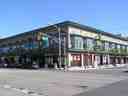
打开独立页面 →To spot the Winsor Building, just look for the long, two-story stretch of orange-brick building with green trim and bay windows right on the corner of Main Street and Bangs…阅读更多收起
To spot the Winsor Building, just look for the long, two-story stretch of orange-brick building with green trim and bay windows right on the corner of Main Street and Bangs Avenue-it’s impossible to miss along this bustling intersection. Alright, you’re standing outside a real piece of Asbury Park’s past-and trust me, this place has seen it all! Picture it: the year is 1904, car horns are a distant dream, and horse hooves clop down Main Street. Up goes the Winsor Building-a proud, orange-bricked block with shiny galvanized iron facing and a string of inviting storefronts, each sparkling with giant old-fashioned plate-glass windows. Imagine the buzz when it opened: locals peeking into nine new stores on the ground floor, eyeing the shiny hinges, sturdy doorbells, and fancy show windows filled with the latest fashions and gadgets. If you look up, you’ll see bay windows on the second floor where eight apartments once promised modern living for their lucky tenants. There were even semi-circular brick arches crowning some of the windows-talk about architectural swagger! The building grew longer after 1911 to match the booming ambition of Henry C. Winsor, the man behind it all. Winsor was no ordinary builder-he was the very president of the Asbury Park-Ocean Grove Bank, and he liked his buildings strong, practical, and just a tad showy. Picture the Winsor family looking after their building year after year, making sure the columns stayed polished-well, except those few poor Corinthian capitals around the corner that got covered by some flat metal sheeting, as if the building was playing dress-up and ran out of accessories. Most buildings from that era quit the race long ago, knocked down or changed beyond recognition for parking lots and modern needs. But not the Winsor! It held its ground, every bracket, every dentil-a band of toothy brick details just below the roof, like the building is giving us a sly grin. Back in the day, this wasn’t just the edge of the business district-this was prime real estate! Right across from the dazzling white marble post office and close to the hum and thrum of the old railroad station. It’s as if the Winsor was a cornerstone, marking the beginning of a lively, ever-changing neighborhood. Through the decades, while other early 1900s neighbors lost their charm to modernization, the Winsor continued to anchor the area, stubbornly old-school and proud of it. Today, restoration work is bringing back more of that original shine-so if it feels like you’ve stepped into a time machine, you’re not alone. Listen for echoes of the past: storekeepers calling out prices, apartment residents returning from the market, laughter drifting from those bay windows. The Winsor Building is one of those rare survivors, a living storybook on Main Street’s corner. Go ahead-give it a wink as you pass. It’s earned it!
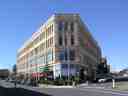
打开独立页面 →Look for the grand, cream-colored five-story building with rows of tall arched windows lining the upper floors and a set of cheerful red awnings on the ground level-right on the…阅读更多收起
Look for the grand, cream-colored five-story building with rows of tall arched windows lining the upper floors and a set of cheerful red awnings on the ground level-right on the corner where Cookman Avenue meets the next street. Imagine it's just after 1897, the sidewalks of Asbury Park buzz with the energy of people in their Sunday best, and everyone’s talking about the new Steinbach-Cookman Building towering above the little shops nearby. When this place opened, it wasn’t just a department store, it was a magnet, drawing folks for miles with dazzling window displays and more hat styles than you could shake a feather at. People admired the elegant Second Renaissance Revival design-a style so refined they probably checked their reflections in the windows twice! This building was the flagship for Steinbach’s, the kingpin of department stores in the area, and if you wanted the fanciest dress or the snazziest pair of shoes, this was the spot. Over the years it became part of everyday life, woven into the heartbeat of Cookman Avenue, surviving the ups and downs of decades of business booms and busts. Ever since 1982, it’s been protected as a historic treasure, and in 2014, it took its rightful place as a cornerstone of Asbury Park’s Commercial Historic District. Soak in the sunlight bouncing off those windows-think of all the stories, sales, and city gossip that blossomed right where you’re standing!
打开独立页面 →

再显示 9 个站点显示更少站点expand_moreexpand_less
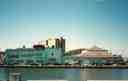
To spot the Palace Amusements, look across the water for a boxy blue building with faded letters spelling “SKOOTER RIDE” and a whimsical red-and-white striped roof beside…阅读更多收起
To spot the Palace Amusements, look across the water for a boxy blue building with faded letters spelling “SKOOTER RIDE” and a whimsical red-and-white striped roof beside it. Right in front of us stood the legendary Palace Amusements-once the heart of fun in Asbury Park! Imagine stepping inside during its prime: laughter filling the air, lights swirling around, kids running for the hand-carved carousel, and every inch splashed with bright murals. It first opened its doors in 1888, bouncing back through decades with new additions and endless memories. Yet, as Asbury felt the pinch of rough economic times in the ‘80s, the Palace-like a balloon losing helium-slowly quieted, until its doors shut for good in 1988. Locals tried everything to save it: the murals, the carousel, and all the wild spirit, but by 2004, engineers declared the building unsafe, and down it came. Thankfully, some heroes managed to rescue pieces of its soul-including the iconic Tillie mural, who’s probably smirking from storage somewhere. And here’s a twist: Bruce Springsteen himself immortalized this place, singing “Beyond the Palace, hemi-powered drones / Scream down the boulevard!” Next time you hear that song, you’ll know exactly what’s just beyond the Palace.
打开独立页面 →If you’re hunting for Paradise nightclub, just look straight ahead for the bold, modern building connected to an old-school hotel-with those bright blue window accents and the…阅读更多收起
If you’re hunting for Paradise nightclub, just look straight ahead for the bold, modern building connected to an old-school hotel-with those bright blue window accents and the famous rainbow crosswalk out front, you’ll know you’ve found the right place. Now that you’re standing under the Asbury Park sun, take a second and soak up the colors at your feet-the rainbow crosswalk isn’t just a cool photo op, it’s a symbol of everything this place stands for. Welcome to Paradise, where history, pride, and a good beat collide. Back in the day-think the 1930s-Asbury Park was already a secret destination for LGBTQ travelers. Picture hidden bars lit by neon signs, whispers shared just out of earshot, and laughter tucked away behind closed doors. But there was darkness ahead: after riots shook the city in the 1970s and the AIDS epidemic took its toll, this once vibrant community faced tough times. It wasn’t until New Jersey passed an anti-discrimination law in the 1990s that hope began shining again. And who would’ve expected a Grammy-winning record producer to help bring the city back to life? Enter Shep Pettibone. He bought the Empress Hotel and its closed-down sidekick-an old nightclub that hadn’t seen a disco ball in over a decade. Shep thought he’d just fix up a business, but soon realized the city needed more than just a facelift. With a vision fueled by big beats and even bigger dreams, he gave the club a new life, rebranding it as Paradise. In May of 1999, the doors swung open and the city started humming again-literally. From day one, Paradise poured in not just music but spirit, helping put Asbury Park back on the map. This isn’t just a nightclub. It’s part pool party-yes, there’s a heated pool!-and part comedy central, plus an all-out drag extravaganza. Walk through those doors and you’ll find two main rooms: the main room with pumping dance tunes and the Copper Bar for mixing and mingling. The crowd is famously eclectic, from twenty-somethings to folks reliving their wild disco nights-or maybe just trying to win at “Bitchy Bingo,” one of their cheeky weekly drag shows! But the real crown jewel? The annual Miss Paradise pageant. This stage has boosted more than a few stars: from Lady Marisa, the club’s first-ever crowned queen, to Honey Davenport, who brought her flair to RuPaul’s Drag Race, and Sapphira Cristál and Olivia Lux, who sashed their way from here to national fame. Even celebrity judges like Margaret Josephs of Real Housewives fame have stopped by to witness the glitz, the glitter, and the drama. And if you’re wondering just how tight-knit this community really is-Miss Paradise 2019, Mancie Mandell, passed the title to Olivia Lux, while Mandell’s drag daughter, Jasmine Kennedie, broke out right here before strutting onto Drag Race herself. No pressure… but you’re at a place where stars are born! Paradise itself has weathered plenty. When Hurricane Sandy hit in 2012, the Empress lost its roof. Did they pack up and quit? Nope-Shep upgraded everything from the dance floor to those flashing lasers. After the tragic Pulse nightclub shooting, Paradise stood strong, adding new security and serving as a safe haven. Even during the pandemic, when the city fell quiet, they found a way to keep the party alive-just moved it poolside and onto screens for a virtual Pride. Today, the critics call Paradise the “most popular gay club at the Jersey Shore.” People come for summer tea dances, poolside cocktails, and wild drag spectacles, but stay for the sense of family. The laughter spills out onto the street, folks swap stories in the Martini Lounge, and the beats keep going long past sunset. So, as you stand out front with those vibrant stripes beneath your feet, you’re not just outside a nightclub-you’re at the heart of Asbury Park’s rebirth, a place built on courage, community, and one fabulously fierce dance floor.
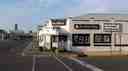
打开独立页面 →Look for a low, white brick building on the corner with bold black signs that say "The Stone Pony" and a small awning with a pony silhouette right above the entrance, just off the…阅读更多收起
Look for a low, white brick building on the corner with bold black signs that say "The Stone Pony" and a small awning with a pony silhouette right above the entrance, just off the curb at the intersection. You’re now standing in front of one of rock and roll’s most legendary addresses-The Stone Pony. Not bad for what started out as Mrs. Jay’s Beer Garden, known for cold drinks, bikers’ roaring engines, and, oddly enough, one scandalous see-through blouse that got the whole original restaurant shut down back in the wild ’60s. Imagine the rumble of Harley-Davidsons echoing down the block--as riders pulled up, looking for music and a story to tell. That rebellious, gritty edge was never quite scrubbed away, even after Mrs. Jay’s moved south and the bikers stuck around until the demolition years later. The Stone Pony, as you see it now, opened its doors in 1974 and quickly became a springboard for some of the loudest legends Jersey ever produced-where Bruce Springsteen, Jon Bon Jovi, and Southside Johnny cut their teeth, played legendary sets, and sweated through countless encores for crowds of both fans and future stars. And let’s be honest, how many bars can say they helped invent an entire musical wave? If you look at your feet you might just step where Bruce himself shuffled nervously before his first show. Music’s been a way of life here since the first amp was plugged in. But trust me, there were ups and downs as dramatic as a guitar solo at midnight. In the early ‘90s, The Stone Pony almost sang its swan song, caught up in the fallout of drunk-driving lawsuits, local worries, and eventually bankruptcy. The lights dimmed for a year, but true to its wild roots, it reopened in 1992, fueled by outrage, devotion, and-let’s face it-a stubborn streak that only New Jersey could produce. People from all around, not just Asbury Park, rallied to the call. Artists, fans, even the local government-everyone who knew its magic-fought to keep it alive. Picture protestors, musicians, and die-hard fans banding together, raising an unintentional roof right here, just to make sure the music never stopped. Not just a club, The Stone Pony also turned itself into a community hub, launching events and awards. Every year, the Asbury Park Music Awards-complete with live jams, poetry, and award speeches occasionally interrupted by someone’s mom honking outside-brings together local legends and up-and-comers. Sponsors team up, old hands present to the next wave, and if you’re lucky, the next Bruce or Bon Jovi might be passing through those doors tonight. Fast forward to the year 2000, and the place got a facelift without losing its rough-and-ready heart. The stage lights are smarter, the sound bigger, and there’s even art from the city’s history hanging inside. Wander around the back in summer, and you’ll catch the Stone Pony Summer Stage-an outdoor juggernaut right where Mrs. Jay’s beer garden once stood. Just imagine crowds packed against the shore, music booming, ocean breeze riffing through--as the sun sets over thousands of swaying bodies. Not bad for a club that started out slinging beers to bikers and locals. It gets better: the Pony is always doing something for the town. There have been benefit concerts for hunger charities and music lovers in need, special art showcases, and even foundations supporting the next generation of musicians. It’s not just a building; it’s a lifeline linking music, memory, and community action. Just ask the locals, or the governor herself, who called it a place belonging to the whole world at the club’s grand 2000 reopening-now that’s star power. So wherever you’re from, standing here, you’re part of something a little rebellious, a little heartfelt, and undeniably, unmistakably New Jersey. Ready to grab a ticket and join the story? You never know which legendary show begins tonight.
打开独立页面 →To spot the Metropolitan Hotel, just look for a large, weathered white building with peeling stucco, an old metal marquee boldly spelling out “Metropolitan Hotel,” and a wide,…阅读更多收起
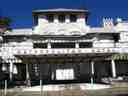
To spot the Metropolitan Hotel, just look for a large, weathered white building with peeling stucco, an old metal marquee boldly spelling out “Metropolitan Hotel,” and a wide, rectangular entrance right in front of you on Asbury Avenue. Now, imagine it’s the roaring 1920s along the Jersey Shore, jazz music floating through the air, flappers laughing, and the Metropolitan Hotel’s grand Spanish Revival facade practically sparkling in the sunlight. Back in the day, this 180-room beauty was the talk of the town-guests swept up its two-story porticos, past those elegant Doric columns, and onto enclosed porches that promised cool seaside breezes. But as decades rolled on and the city’s fortunes shifted, so did the Metropolitan’s luck. By 1989, its doors slammed shut, the once-proud balustrades sagged, and restoration became only a dream. Funny enough, the owners in ’87 made a cool 2.25 million selling this gem, but two years later, bankruptcy knocked at the door! Investors came and went, plans changed, but, alas, the city had other ideas. Finally, in 2008, the wrecking ball arrived, and the Metropolitan faded into memory. Still, you can almost feel the hotel’s old heartbeat in the ground beneath your feet-just don’t check in, or you might end up paying by the ghost!
打开独立页面 →To spot Trinity Church, look for a grand stone building with two tall towers, a huge arched window, and bright red doors standing just past the bushes to your right on Asbury…阅读更多收起
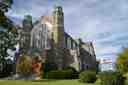
To spot Trinity Church, look for a grand stone building with two tall towers, a huge arched window, and bright red doors standing just past the bushes to your right on Asbury Avenue. Welcome to Trinity Church-a place that looks like it was plucked right out of a medieval fairytale. Built between 1908 and 1911, this stone giant looms before you with its soaring windows and pointed arches. Imagine the sound of hammers and chisels echoing in the early 1900s as architect Clarence Wilson Brazer designed every detail, giving Asbury Park a taste of the Late Gothic Revival style. And if you think this feels familiar, Brazer also designed St. James' Church over in Long Branch-he liked to keep it in the ecclesiastical family, you could say! Just next door stands a brick school built in the swinging 1960s, thanks to John C. Dodd, showing how new and old can stand side by side. Trinity Church was finally recognized for its architectural charm in 2014 and added to the National Register of Historic Places-a status that comes with bragging rights and, probably, a lot of extra historical paperwork. So as you stand among the sharp shadows and soaring stones, imagine generations gathering here through sunshine and storm, each one adding a little more life to this storied landmark.
打开独立页面 →To spot Arburtus Cottage, just look to your right for a charming two-and-a-half-story Queen Anne style house, painted white with purple-shingled gables and a big, welcoming front…阅读更多收起
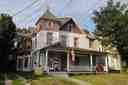
To spot Arburtus Cottage, just look to your right for a charming two-and-a-half-story Queen Anne style house, painted white with purple-shingled gables and a big, welcoming front porch. Now, take a deep breath and imagine it’s the late 1800s. Seagulls are calling overhead, the salty ocean breeze is drifting through open windows, and the air is filled with clattering typewriter keys-because you’ve found yourself outside the home of none other than Stephen Crane, the famous author of The Red Badge of Courage. This big, whimsical seaside cottage was built around 1878 by Andrew and Helen Robeno, but the real magic started when Mary Helen Peck Crane moved in with her children, Agnes and young Stephen. She wasn’t just any mom-she was a leader in the local Woman’s Christian Temperance Union, keeping everyone on their best behavior. Stephen grew up here, daydreaming in the parlor and scribbling his first story, “Uncle Jake and the Bell-Handle,” when he was just a boy. The family later expanded the house, making it buzz even more with energy, gossip, and, yes, probably a few household squabbles. Today, it’s a living time capsule, lovingly cared for by the Asbury Park Historical Society. If you listen closely, maybe you’ll hear the echo of an old typewriter-or at least the whisper of an ocean breeze encouraging your own creativity.
打开独立页面 →Look for a long, low brick building with big block letters spelling ASBURY LANES on the side and a classic retro sign shaped like a bowling pin jutting out above the entrance-it's…阅读更多收起
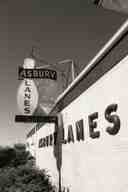
Look for a long, low brick building with big block letters spelling ASBURY LANES on the side and a classic retro sign shaped like a bowling pin jutting out above the entrance-it's hard to miss if you look just above eye level. Alright, let’s roll into the wild world of Asbury Lanes! Standing here, you’re outside a living slice of vintage Asbury Park-the kind of place where you can smell the popcorn, hear the clatter of bowling pins, and find that old-school vibe that never seems to age. Asbury Lanes isn’t just about bowling-though where else can you moonwalk across the lanes without getting yelled at? Since its dazzling reboot in 2003, this spot has blended bowling, punk rock shows, burlesque revues, midnight movies, and art into something people all over the Jersey Shore brag about. Imagine the lanes transformed into the most unlikely dance floor or mosh pit, with the ghosts of rock legends looking on-or maybe just that guy who bowled a perfect game while crowd-surfing. What makes this place extra legendary? Some of the biggest names in punk and indie music have cranked their amps right where you’re standing: The Bouncing Souls, Dick Dale, The Germs, and even members of The Clash have turned up the volume. Every night here could turn into a wild dance party or a film fest-trust me, during Tromapalooza or TromaDance, you might spot someone in Toxic Avenger gear getting a strike. When Asbury Lanes closed its doors for renovations in 2015, people feared the music would end. But then, like a cinematic comeback, iStar swooped in to restore the building, promising to keep the funky bowling alley spirit alive. When the doors swung open again in 2017, the lanes kept rocking, pins kept tumbling, and fans from every generation came back-and new legends started rolling in. So whether you’ve got a killer curveball or two left feet, Asbury Lanes always welcomes you for one more game, one more song, and maybe one more wonderfully weird party night. Wondering about the music venue, notable acts or the film? Feel free to discuss it further in the chat section below.
打开独立页面 →

常见问题
如何开始导览?
购买后,下载 AudaTours 应用并输入您的兑换码。导览将准备好立即开始--只需点击播放并按照 GPS 引导的路线行驶即可。
导览期间我需要互联网吗?
不需要!开始前下载导览并完全离线享受。只有聊天功能需要互联网。我们建议在 WiFi 下下载以节省移动数据。
这是导游带领的团体游吗?
不是--这是自助语音导览。您按照自己的节奏独立探索,通过手机播放音频解说。没有导游,没有团体,没有时间表。
导览需要多长时间?
大多数导览需要 60-90 分钟才能完成,但您完全控制节奏。随时暂停、跳过站点或休息。
如果我今天无法完成导览怎么办?
没问题!导览具有终身访问权限。随时暂停和恢复--明天、下周或明年。您的进度已保存。
有哪些语言可用?
所有导览均提供 50 多种语言版本。在兑换代码时选择您的首选语言。注意:导览生成后无法更改语言。
购买后我在哪里访问导览?
从 App Store 或 Google Play 下载免费的 AudaTours 应用。输入您的兑换码(通过电子邮件发送),导览将出现在您的资料库中,准备下载并开始。
如果您不喜欢该导览,我们将退款。请联系我们 [email protected]
安全结账使用 


