AudaTours logoAudaTours

圣塞巴斯蒂安语音导览:阳光、辉煌与中心区的秘密

语音指南15 景点

盐雾的低语掠过圣塞巴斯蒂安宏伟的立面,暗示着优雅的石材和海蓝色窗户下涌动的秘密。这个中心区自助语音导览将揭开城市光鲜表面下的故事——鲜为人知的叛乱、艺术阴谋和褪色的魅力。 是什么让一个皇家俱乐部在海岸线上引起上流社会的争议?为什么维多利亚尤金尼亚剧院背后的阴影中隐藏着意想不到的异议低语?午夜过后,是谁在大教堂里留下了一个令人费解的雕刻,它又揭示了什么? 从阳光普照的广场蜿蜒而行,进入历史回响在脚下的寂静走廊。穿梭于革命与文艺复兴、丑闻与慰藉之间。每个角落都将熟悉的街道变成了一个充满戏剧和发现的迷宫。 让好奇心引领你前行。圣塞巴斯蒂安宁静美景背后的真相正在等待——只需按下播放键,走进它隐藏的世界。

导览预览

map

关于此导览

  • schedule
    持续时间 40–60 mins按照自己的节奏
  • straighten
    3.8 公里步行路线跟随引导路径
  • location_on
  • wifi_off
    离线工作一次下载,随处使用
  • all_inclusive
    终身访问随时重播,永久有效
  • location_on
    从 百年广场 开始

此导览的景点

  1. Take a look across the street and you’ll spot Centennial Square by its grand, ornate building with a unique round turret on top and rows of tall windows, nestled between leafy…阅读更多收起

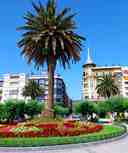
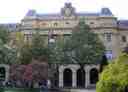
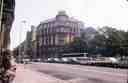
    Take a look across the street and you’ll spot Centennial Square by its grand, ornate building with a unique round turret on top and rows of tall windows, nestled between leafy trees and the bustling roads of Easo, Pedro Egaña, Prim, and Urbieta. Welcome to Centennial Square, a spot that holds a true heartbeat of San Sebastián’s history! Imagine yourself here in 1916, when the city was celebrating a major milestone: one hundred years since the start of its dramatic rebirth after the siege of 1813. The town was nearly wiped off the map all those years ago-think burning buildings, narrow escapes, and plenty of chaos, like a blockbuster movie before popcorn was even invented! But this square marks the place where hope and hard hats took over, as the people of San Sebastián rolled up their sleeves and rebuilt from scratch. Walk a few steps and you’ll almost hear the sound of carts laden with bricks and echoes of laughter from determined citizens eager to shape a brighter future. Picture the square bustling with stories, secrets, and maybe some lively arguments about whose balcony should be the fanciest. Today, as the traffic hums and people stream by, Centennial Square is a living memory of that big restart-a place both ordinary and heroic, reminding us that a city’s spirit is measured not just in years, but in its power to rise again, century after century. And hey, be sure to look up-San Sebastián’s next story might just be happening right over your head!

    打开独立页面 →
  2. Just ahead, look for a grand, reddish building on the corner with a massive black dome, wide arched windows, and cream accents-it’s impossible to miss, especially where the two…阅读更多收起

    Just ahead, look for a grand, reddish building on the corner with a massive black dome, wide arched windows, and cream accents-it’s impossible to miss, especially where the two busy streets meet. You’re standing right at the threshold of history! Welcome to the Fine Arts Theatre-Teatro Bellas Artes-a building that has seen more drama than a soap opera marathon. Imagine yourself back in 1914, at the height of the Belle Époque, when this architectural marvel first graced the corner of Urbieta and Prim. People weren’t just walking past; they were gasping, craning their necks up to glance at that spectacular dome licking the sky. Designed by San Sebastián’s very own Ramón Cortázar, this theatre wasn’t content with just being another building in the Amara district. Oh no, it wanted to make an entrance-quite literally! With its monumental dome and blend of white and deep red stripes, it quickly became the city’s unofficial “welcome mat” for the new Cortázar expansion. Imagine the buzz in the air: society ladies dismounting from carriages, echoes of music, and laughter as patrons flocked to this dazzling new jewel. Cortázar wasn’t your average architect, either. He had a reputation for mixing modern know-how with just the right amount of flair-kind of like adding a sprinkle of paprika to a classic stew. Here in the Bellas Artes, he let loose all the major styles he’d dabbled in: Eclecticism, Art Nouveau, a dash of Art Deco, and the state-of-the-art technology of the time-reinforced concrete! Back then, using concrete was as futuristic as having a robot dog. As you stand here, take a look at those ornate pilasters, the decorative garlands, and the round windows-locals call them “ojos de buey,” or “ox eyes.” Just above the entry, spot the wrought iron window frames that fan out like a peacock’s feathers. And don’t miss the coat of arms with “PBA” on it-a final proud signature from the original creators. If buildings could say, “That’s me!” this one would be shouting it from the rooftops. Now, let’s peek inside with our imagination. The theatre has played many roles: first as a grand hall for musical performances, then as a cinema, later as rehearsal headquarters for prestigious musical groups like Orfeón Donostiarra and the Basque Symphony Orchestra. The acoustics were so good that even shy sopranos felt brave enough to hit the highest notes. Stranger still, the reinforced concrete that kept the sound pure also made it one of the safest public gathering spots against fire. So you could say, Bellas Artes had your back-literally! Urban legends say that on stormy nights, you can almost hear the faint strains of an orchestra tuning up, as if caught in the building’s bones. Whether you believe it or not, that kind of legacy is woven right into the city’s everyday heartbeat. And it almost disappeared forever! In 2013, this beloved monument faced demolition. The city gasped; people rallied; a grassroots movement rose up to protect it, determined that this chapter of San Sebastián’s story would not end with a bulldozer. Let’s not forget the exterior details! As you walk along, you’ll see how the building morphs from one side to the other, always balancing grandness with the friendly scale of its residential neighbors. Cortázar’s “French connection” is clear: his Second Empire and Beaux-Arts inspiration comes straight from fashionable Paris-but with a Basque twist. If Paris had a love affair with San Sebastián, this building is their child. Step back and gaze upward. That dome is not just decoration-it’s the exclamation point of the whole urban landscape. It announces: “Here begins something special!” Even though it’s gone through changes, including a significant renovation in 1943, Bellas Artes stands out as one of the last survivors of early Basque modernism-a rare, expressive relic that fuses big-city grandeur with neighborhood charm. So next time you stroll by here, give a silent nod to old Ramón Cortázar and imagine all the opening nights that have come and gone under this vast dome. Don’t be surprised if you catch a whiff of excitement or hear phantom applause chasing the city’s breeze. This building has always had a flair for the dramatic! Ready for our next stop? Let’s go!

    打开独立页面 →
  3. To spot the San José Children's Home, just look directly ahead for a building with a warm, inviting facade-likely with large windows and a hint of coziness, almost like a place…阅读更多收起

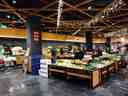
    To spot the San José Children's Home, just look directly ahead for a building with a warm, inviting facade-likely with large windows and a hint of coziness, almost like a place where laughter and little footsteps belong. Now, as you stand here, let me whisk you back, not to a place of toys and bedtime stories, but to a buzzing, bustling marketplace filled with the aromas of fresh vegetables and the clatter of busy stalls. Welcome to the story of San Martín Market, a true heart of San Sebastián! Picture yourself in the year 1884: the market’s original structure rises proudly, inspired by the elegant designs of Les Halles in Bayona-iron columns, beams overhead, and a palpable sense of excitement. José Goicoa, the architect, must have felt like he was building a palace for potatoes. Over the years, this place changed just as much as fashion-by 1907, Juan R. Alday, the city architect, played with the blueprints until he united two bustling pavilions by literally bridging the street between them. Suddenly, there were three covered halls, and the market became the main stage for the city’s grocery drama. Shoppers came rain or shine, haggling spiritedly for the ripest apples and finest cheeses. Fast forward to the mid-20th century, and the market’s face gets a new touch-up-call it its “1950s glow-up.” But cities never sit still. Enter the twenty-first century, and San Sebastián recognized the need for something fresh. The echoes of horses and handcarts gave way to the rumble of cars, the waltz of shoppers replaced by the modern dance of escalators and shopping bags. In 2003, the old market was demolished-cue the collective gasp! Fear not, though. A sleek new center appeared in its place, thanks to architect Luis Uzcanga. Modern lights, shiny storefronts, underground parking-a supermarket runway, where traditional veggie stalls sashay right next to swanky brand boutiques. So, next time you pass by a pile of cucumbers or a bouquet of roses here, remember-you’re strolling through a space as layered as an onion. Just try not to cry, unless it’s from chopping said onions… or from a sudden wave of market nostalgia!

    打开独立页面 →
再显示 12 个站点显示更少站点expand_moreexpand_less
  1. Right ahead, you'll see an enormous, pointy spire rising into the sky, covered in delicate stone details and flanked by twin towers-a perfect sign you’ve reached San Sebastián…阅读更多收起

    Right ahead, you'll see an enormous, pointy spire rising into the sky, covered in delicate stone details and flanked by twin towers-a perfect sign you’ve reached San Sebastián Cathedral, with its impressive entrance just past the trees. Now, imagine you’re standing here a hundred and thirty years ago-except, whoops, don’t step in the marsh! This very spot, stretching between the Urumea River and the golden sands of La Concha Beach, was once nothing but windswept dunes and spongy marshland. It wasn’t exactly the prime location for a grand cathedral. But in 1887, San Sebastián was craving a new church, and the City Council had just the spot-here, at the very southern tip of old San Sebastián, where families had long wanted a parish of their own. So, picture a crowd gathered, elegant hats and royal uniforms sparkling on what must have been a blustery late September day, and here comes the Spanish royal family of the time! Queen Regent Maria Cristina, baby King Alfonso XIII (barely tall enough to see over the grass), and a bustling party of ministers and local dignitaries. On September 29th, 1888, they laid the cathedral’s very first stone right where you stand. And beneath that stone, a tiny time capsule: photos of the Pope, a handful of coins, and some newspapers from Madrid-plus the first-ever royal signature by the toddler king, who, legend has it, needed his mother’s help to steady his tiny royal hand. But before this towering cathedral filled the skyline, there was just a humble wooden church-something in between a log cabin and a sanctified shed-serving local parishioners until the “real deal” could rise. After a city-wide architecture competition (San Sebastián loves a good contest), the design by Manuel de Echave was chosen. Echave boldly modeled his vision on the famous and dizzyingly vertical Cologne Cathedral in Germany. He and a tireless team of Basque stonecutters, masons, and artists set to work, sometimes slowed by lack of funds and the ever-demanding North Atlantic weather, sometimes working so fast the stone seemed to grow overnight. The sandstone came from nearby Mount Igeldo, the tufa for the mighty vaults was shipped in, and decorative slates arrived from as far as France-an international project from the start! Echave’s plans called for a Latin-cross floor plan, three soaring naves, and a 75-meter spire that would make even the clouds feel short. In 1897, nine years later-though almost two of those were spent in a forced pause for lack of money-the Church of the Good Shepherd finally opened for worship. Crowds surged in, the royal family attended, and anyone within earshot heard the echo of solemn mass and celebratory bells. The spire, by the way, came two years later, finally topping off San Sebastián’s new sky-high landmark. All told, the church cost more than double the original plan (they must’ve missed an episode of “Budget Cathedral”)! But the story doesn’t end here. By the 1950s, San Sebastián itself was changing: new parishes sprang up, and the city became home to its own diocese. The Church of the Good Shepherd transformed into the Cathedral that stands before you today-a true giant at nearly 2,000 square meters, towering over the town, capable of holding 4,000 souls (and possibly a thousand umbrellas if the rain comes in, which, let’s admit, happens a lot here). Step inside, and you’ll find rose windows that wash the stone with colored light, delicate ribbed vaults overhead, and the enormous organ-installed in 1954-once the biggest in Spain, with over 9,500 pipes and a sound so powerful it could probably convince anyone to sing in tune. The interior is filled with works from local artists: altars dedicated to saints, stained glass that glows at every hour of the day, and the quiet crypt where the first parish priest, D. Martín Lorenzo de Urizar, rests to this day. And just think: from sandy marshland, through royal celebrations, architectural drama, and two centuries’ worth of silent prayers and joyful music, the Cathedral has watched San Sebastián bloom and change. Looking up at its spire now, you might find yourself wondering what the next hundred years will bring-or at least, what it all sounds like when the organ master really lets loose! Ready to discover the next stop? Let’s keep going!

    打开独立页面 →
  2. To spot the San Martin Market, look for a large modern building with a glass façade and bright red signs, located right on a bustling street corner-just follow the lively flow of…阅读更多收起

    To spot the San Martin Market, look for a large modern building with a glass façade and bright red signs, located right on a bustling street corner-just follow the lively flow of people going in and out! Welcome to the San Martin Market-where vegetables have more drama than a soap opera and fresh fish could win a beauty contest! This place is the heart of San Sebastián’s food scene, but believe it or not, its story is almost as rich as its cheese selection. Imagine walking into this bustling market over a hundred years ago, back when ladies wore elegant hats and men debated the price of anchovies with the same passion as football fans today. You’d hear the loud hum of voices, the rustle of crates, and the echo of footsteps on old tiled floors. Originally, this market was a true haven for locals, packed with fresh produce, seafood from the Bay of Biscay, and just about every aroma your nose could handle in one sniff. San Sebastián, thriving with grand hotels and elegant visitors, depended on San Martin to keep its restaurants and families fed. When the city sparkled as the summer playground for European royalty, you can bet the chefs rushed through the aisles here, filling baskets with treasures for the next royal feast. But time is like cheese-it can turn strong or a little bit smelly! Through wars, shortages, and changes in taste, the market went from grand to a bit tired. Thankfully, in recent years, a grand makeover brought it sparkling back to life, keeping both tradition and a modern look. Now as you stand here, picture the colorful stands overflowing with fresh fruits, the buzz of bargain-hunting grannies, and a mix of languages as locals and food-loving tourists mingle over olives, cured meats, and gossip. Perhaps you’ll imagine the clang of coins as someone pays for a handful of peppers, or the lively shouts from behind a seafood stall, “Hoy, las mejores gambas!” If you listen close, maybe you’ll even hear a fishy tale or two from an old-timer-every stall comes with a sprinkle of local history, a dash of family secrets, and maybe a joke about the politest octopus in Donostia. Soak it all in! Because here at San Martin Market, every visit is another chapter in the tastiest story San Sebastián has to offer.

    打开独立页面 →
  3. Right in front of you, you’ll spot La Concha Beach-a wide curve of golden sand hugged by deep blue water, with boats dotting the bay and a lively city stretching behind it. Now,…阅读更多收起

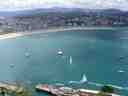
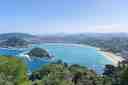
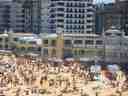
    Right in front of you, you’ll spot La Concha Beach-a wide curve of golden sand hugged by deep blue water, with boats dotting the bay and a lively city stretching behind it. Now, imagine stepping onto this legendary shore, where the sand feels soft under your feet and the salty breeze dances through your hair. La Concha Beach, sitting pretty inside the shell-shaped bay, has been San Sebastian’s pride for generations. With about 1350 meters of shoreline, it’s almost like the city made its own private paradise-but you don’t need a royal title to enjoy it! Back in the day, you might have overheard whispers about queens and noble visitors sneaking off for a swim. Nowadays, it’s full of laughter, families playing, friends splashing each other, and sunbathers seeking that perfect tan, interrupted only by the swoosh of shifting tides. But watch out-here the sea’s playful: when the tide rolls in, the sand disappears and everyone hops back, towels and flip-flops in hand! And, here’s a little secret: La Concha isn’t just crowded for fun-it’s a superstar! Since 2007, it’s been named one of the 12 Treasures of Spain. So whether you fancy yourself as royalty, a sailor, or just love a good beach day, you’re standing where the best stories of sun and sea begin.

    打开独立页面 →
  4. As you stand before The Pearl spa, let your imagination travel back to the days when luxury and relaxation were found in dramatic fashion right here along San Sebastián’s…阅读更多收起

    As you stand before The Pearl spa, let your imagination travel back to the days when luxury and relaxation were found in dramatic fashion right here along San Sebastián’s beautiful La Concha Bay. Picture the stylish visitors of the early 20th century, strolling up in their finest attire, each one hoping to experience the magical healing waters inside. The air crackled with excitement as crowds gathered for special events-who would be lucky this time, who would win the ultimate day of pampering? The building almost glows with memories of excitement and anticipation, as people whispered about secret raffles and lucky winners. Stepping closer, you might sense a bit of mystery-stories once swirled about guests soaking away their worries while behind the scenes, suspense grew with every name drawn from a hat. Just imagine the gentle clink of glass, the fizz of mineral water in pools, and the delighted gasps as winners were announced. If you listen closely, perhaps you’ll even hear the echoes of old announcements and applause-echoes of the spa’s golden days, when everyone hoped they’d have their chance for a treat at The Pearl. Don’t worry, no raffles today-everyone’s a winner when standing beside this landmark of luxury and luck!

    打开独立页面 →
  5. Look ahead to the vast stretch of golden sand curving in a perfect crescent - that’s the Beach of La Concha, unfolding gracefully along the edge of the sparkling blue bay. Take a…阅读更多收起

    Look ahead to the vast stretch of golden sand curving in a perfect crescent - that’s the Beach of La Concha, unfolding gracefully along the edge of the sparkling blue bay. Take a deep breath and let the sea air awaken your imagination. You’re standing at the edge of one of Europe’s most famous urban beaches, known for its elegantly curved shoreline - imagine a giant scallop shell made out of sand, kissed by waves and sunlight. In the late 1800s, this place buzzed with the laughter and chatter of high society folks in top hats and fancy dresses, all eager to stroll along the newly fashionable seaside. They brought parasols instead of beach towels, and instead of sandcastles, they enjoyed gossip and grand orchestras drifting on the salty breeze. But La Concha hasn’t just been a playground for the glamorous. In May of 1945, as Allied forces swept across Europe, a notorious Nazi collaborator named Léon Degrelle crash-landed his plane right here in the bay, leaving behind a trail of wartime secrets and whispers. You can almost picture the tense scene: the hush of the waves, a shadowy figure scrambling from the surf, hoping to disappear into San Sebastián’s crowds. If those stories aren’t enough, even Ernest Hemingway couldn’t resist La Concha’s charm. In his novel "The Sun Also Rises," the main character, Jake Barnes, cools off with a dip in these very waters - proof that this stretch of sand isn’t just for building sandcastles, but for making history.

    打开独立页面 →
  6. To spot Alderdi Eder Park, look ahead for a sunny open space filled with small, wispy tamarind trees, white benches, and the famous white La Concha bay railing, with the sparkling…阅读更多收起

    To spot Alderdi Eder Park, look ahead for a sunny open space filled with small, wispy tamarind trees, white benches, and the famous white La Concha bay railing, with the sparkling blue sea just beyond. Welcome to Alderdi Eder Park, the “Beautiful Place”-as its name means in Basque! Picture yourself stepping back to the year 1880, when this spot was a dusty military parade ground. But the city wanted more fun, less marching, so it was turned into a place of pure joy. Imagine children giggling at a puppet theater, the distant song of a circus, and the speed of bicycles racing around a velodrome-all right here! Soon after, a grand casino rose up, dazzling everyone with its glittering parties. It was so amazing, they even turned it into the City Hall. Now, in this park designed by the French gardener Pierre Ducasse, you can stroll under a hundred tamarind trees that sway like graceful dancers above rows of colorful flowers, boxy green hedges, cooling fountains, and the occasional statue peeking through the leaves. Locals love to call this one of San Sebastián’s prettiest scenes, and on a sunny day like today, you can smell the salty sea air and almost hear echoes of children’s laughter and circus music. So, find a bench, brag about the view to your friends, and maybe challenge a local squirrel to a staring contest-trust me, they rarely blink!

    打开独立页面 →
  7. To spot the landmark ahead of you, look for a grand, sand-colored stone building with intricate towers, arched windows, and sculpted details just above the white railings,…阅读更多收起

    To spot the landmark ahead of you, look for a grand, sand-colored stone building with intricate towers, arched windows, and sculpted details just above the white railings, standing proudly beside the river. Now, let’s imagine ourselves back in the early 1900s, when San Sebastián was the playground of well-dressed aristocrats and fashionable travelers-it was the kind of place where you might spot a top hat or a silk parasol at any moment. The city wanted to show off, and what better way to impress the world than with a dazzling new theatre? So, in 1902, the sassy Society for the Promotion of San Sebastián got a bright idea: let's build not just a theatre, but also a luxury hotel! They finally chose this spot on the beautiful Oquendo gardens-perhaps because nothing says drama better than a stage set with a view. By 1909, construction was in full swing, and the whole city rang out with the music of hammers and the shouts of builders--while two masterpieces rose side by side: the Teatro Victoria Eugenia and the grand Hotel María Cristina. Both were inaugurated in 1912, with the theatre taking its name from Queen Victoria Eugenia, who came herself for the glamorous opening. Imagine the excitement and all the whispered gossip in the crowd! The architect, Francisco Urcola, had an eye for theatrical drama, too. He drew inspiration from the majestic palaces of Salamanca and infused the building with Spanish neorenaissance and plateresque elegance. Just look up at the façade-you’ll see the faces of important Spanish cultural figures, carved into the sandstone. Don’t try to have a staring contest; those busts have been watching this plaza for over a hundred years, and they haven’t blinked yet. The theatre quickly became San Sebastián’s cultural heart, hosting everything from operas and zarzuelas to movie premieres that drew the attention of the world. In fact, some of the biggest film stars and directors came for the International Film Festival, which filled the auditorium with applause and suspense year after year-just think, this is where Hitchcock’s "Vertigo" and "North by Northwest" dazzled viewers for the very first time! The lavish auditorium would glow with color from the frescoes overhead, painted by Ignacio Ugarte, and the elegant marble stairs-now a bit modernized-welcomed the finest shoes in Europe, and probably a few that needed a good polish. But of course, a theatre isn’t just a relic-it’s alive, and it needs its own makeovers from time to time. Between 2001 and 2007, Victoria Eugenia underwent a massive renovation. Imagine the chaos: old decorations came down, new marble went up, and debates swirled about whether the new white entrance was a brilliant update or a little too “marble palace.” Inside, they made the seats bigger and more comfortable-no more squeezing in like sardines-and even added brand-new spaces, from rehearsal rooms hidden on the roof, to a whole extra event space underneath the main hall. Now you can find the offices of world-class film and music festivals right here in the building, keeping it buzzing with creativity. With its towers and sculpted walls still standing proud against the sky, and audiences still filing in night after night, this theatre remains one of Spain’s greatest stages. If you close your eyes, you might just hear the soft hush before the curtain rises, the excited chatter in the foyer, or the distant echo of an orchestra warming up--reminding you that here at Victoria Eugenia, the show truly never stops. So take a good look: whether you’re a film lover, music fan, or just someone who enjoys a bit of glamour and a great story, you’ve now stood at the very doors where legends have walked!

    打开独立页面 →
  8. Look up, and you’re standing in front of one of the city’s greatest chameleons-the San Sebastián City Hall. Hard to imagine, but over a hundred years ago, this elegant building…阅读更多收起

    Look up, and you’re standing in front of one of the city’s greatest chameleons-the San Sebastián City Hall. Hard to imagine, but over a hundred years ago, this elegant building wasn’t filled with bustling politicians or the dramatic debates of city government. It was a glittery casino where the air buzzed with laughter, the click-clack of roulette balls, and probably a few broken hearts. Picture 1887: María Cristina of Habsburg herself, queenly and grand, arrives for the opening-draped in elegance and whispers, with the gardens of Alderdi-Eder blooming around her. But all good games must end! In 1924, the law cracked down. Gambling was banned, and the casino shut its gates. No more fortunes won or lost on these floors-unless you count city council budgets a kind of high-stakes gamble. But the building wasn’t ready to call it quits. It turned into the Center of Attraction and Tourism in 1928. I’d say that’s trading in blackjack for brochures! Now, here’s a plot twist: until 1945, San Sebastián’s mayor and council were housed in Plaza de la Constitución, over in the Old Town. But the city had grown, and with the world recovering from tough times, the casino got its ultimate makeover. Two architects, Alday and Arizmendi-who apparently doubled as chief firefighter (I promise, I’m not making this up!)-redesigned the place. They transformed a palace of chance into the home of city governance, sprinkling a dash of drama into architectural history. Since then, the City Hall has seen just about every style of leadership-no shortage of political intrigue. After Spain’s transition to democracy in 1977, San Sebastián was governed by many parties: Basque nationalists, socialists, the famously coalition-shuffling Odón Elorza, and even a firebrand from Bildu. It’s hosted victories narrow and spectacular, coalitions that would make even the poker table look predictable, and the occasional debate almost as heated as a jackpot win. Standing out here today, between the bay and the city gardens, you’re at the crossroads of glamour, power, and a little bit of municipal chaos. Next time you hear politicians argue inside, just remember: at least they're not betting the city away-or are they? Keep your ears open and your chips close-just in case!

    打开独立页面 →
  9. To spot the Diputación Foral de Guipúzcoa, just look ahead for an impressive stone palace with grand arches on the lower level, crowned by statues and a big coat of arms above…阅读更多收起

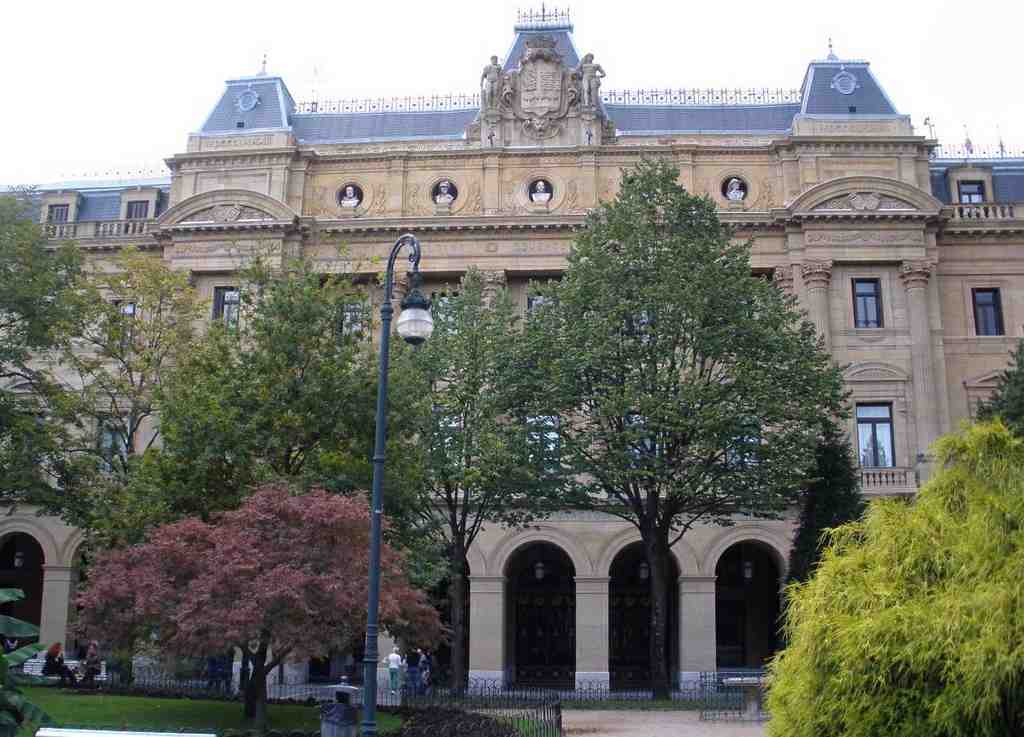
    To spot the Diputación Foral de Guipúzcoa, just look ahead for an impressive stone palace with grand arches on the lower level, crowned by statues and a big coat of arms above tall, leafy trees. Now, picture yourself standing outside this elegant building where history and power still hum in the air. The Diputación Foral is more than just a tongue-twister-it’s the beating heart of Guipúzcoa’s local government, making decisions that have shaped the Basque lands for generations. Back in the day, important folks called “presidents” ran the show-imagine their footsteps echoing through these halls. But in 1979, during Spain’s leap toward democracy, the title changed to the grand-sounding "Diputado General." Suddenly, instead of smoky old offices, there was a new buzz of possibility swirling around the building. From José María Caballero to today’s trailblazing Diputada General Eider Mendoza, each leader brought their own character-some probably with a better sense of humor than others! Inside these walls, passionate debates unraveled over the future of the Basque Country, guided by self-rule and tradition. If you listen closely, you might just imagine the lively arguments and pounding gavels of the past. So take a moment here-who knows, maybe you’ll hear whispers of history swirling above the plaza, still echoing in the cool Basque air.

    打开独立页面 →
  10. To spot Guipuzcoa Square, look ahead for an inviting open plaza with rows of leafy trees, elegant benches, and a classic round pavilion in the center, surrounded by lively locals…阅读更多收起

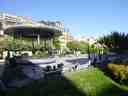
    To spot Guipuzcoa Square, look ahead for an inviting open plaza with rows of leafy trees, elegant benches, and a classic round pavilion in the center, surrounded by lively locals relaxing in the shade. Welcome to Guipuzcoa Square, a true heart of San Sebastián’s everyday life! Picture yourself transported back to the late 1800s: before the square was filled with today’s cheerful bustle and leafy shade, people were buzzing with excitement about its brand-new name. The city once believed it was the ancient Roman city of Oiasso, and in a wave of local pride, were given the title of “Easo”-even though, oops, it later turned out to be a mix-up! Imagine children laughing, families strolling, and elderly folks debating the latest gossip, all in the shadow of this grand mistake. The locals fondly dubbed San Sebastián “bella Easo,” the beautiful Easo, and it stuck for years. The square, hemmed in by Easo Street, Autonomía Street, and Amara Street, became the stage for friendship, romance, and even the occasional argument about who really makes the best pintxos in town. So take a seat, close your eyes, and soak in the atmosphere: the echo of joyful footsteps, the sun warming the stone benches, and the gentle rustle of leaves as history and myth mingle under the San Sebastián sky. If you see anyone arguing about Roman ruins, just smile and remember-you’re standing somewhere truly legendary!

    打开独立页面 →
  11. To spot the Maria Cristina Hotel, just look across the Urumea River for a grand, elegant building with pale stone walls, iron balconies, and bold letters announcing its famous…阅读更多收起

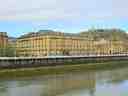
    To spot the Maria Cristina Hotel, just look across the Urumea River for a grand, elegant building with pale stone walls, iron balconies, and bold letters announcing its famous name atop the roof-the most regal presence on this bank. Now, let’s step back in time a little over a century, and let your imagination run wild: It’s the early 1900s, and San Sebastián is buzzing with excitement as the city transforms into the jet-set hotspot for Europe’s high society. Stylish ladies in feathered hats and gentlemen in tailored suits stroll along the promenade, hoping to catch a whiff of adventure-or at least a glimpse of the latest Parisian trend. Ambitious locals gathered to dream up something big: not just a luxury hotel, but a theater beside it, both to cement San Sebastián as the place to see and be seen! The chosen site? Right here, in these lush Zurriola gardens along the river, watched over by the stoic statue of Admiral Oquendo-a silent observer through decades of glamour. When the Maria Cristina Hotel finally opened its doors in 1912, it did so in style-so much so that even Queen Maria Cristina attended the lavish inauguration. The mastermind behind the hotel’s look was Charles Mewes, the very same architect who designed several Ritz hotels in Madrid and Paris. That’s right, you’re standing before a cousin of the Ritz! In those days, San Sebastián was the playground of Europe’s elite during the Belle Époque. While the rest of the continent dealt with war, the city offered a peaceful escape, with elegant parties echoing from the hotel’s tall windows. Over its long life, the Maria Cristina has hosted more famous characters than the average Hollywood film-Trotsky might have plotted his next move over coffee, Coco Chanel may have tossed a new hat onto a velvet chair, while Alfred Hitchcock probably debated breakfast with Bette Davis (I can’t confirm if he chose eggs or suspense). And let’s not forget Mick Jagger, who surely brought a bit of rock ‘n’ roll to these venerable halls! Flickering cameras are now a regular event each September as the stars descend for the San Sebastián International Film Festival. Thanks to the hotel’s perfect position beside the Victoria Eugenia Theatre, actors and directors could sashay from hotel to theatre on that iconic red carpet-likely worrying more about their outfit than their latest movie. After the film reels and festival spotlights faded, the hotel faced tougher times-postwar years, changes in management, and even a dramatic renovation in the late 1980s that upgraded it to full five-star status. But the Maria Cristina endured, always returning to its sparkling self, and today it’s part of the Marriott’s Luxury Collection-though, let’s be honest, every guest adds a new paragraph to its extraordinary story! Take in the grandeur, breathe in the sense of history, and imagine you’ve checked in for a glamorous weekend-just watch out for wandering film stars and don’t trip on the red carpet!

    打开独立页面 →
  12. To spot the Victoria Eugenia Theatre, look ahead for a grand, stone building with a classic façade, tall French windows, and white shutters perched atop a broad staircase, with a…阅读更多收起

    To spot the Victoria Eugenia Theatre, look ahead for a grand, stone building with a classic façade, tall French windows, and white shutters perched atop a broad staircase, with a French flag waving gently in the breeze. Now, let me take you on a quick journey! Imagine you’re stepping back in time to a small, peaceful village - not the bustling San Sebastián you know today, but somewhere much quieter. The Solnan and the Sevron rivers create gentle borders, shaping the whole mood of life here. As you stand outside this stately building, picture the sound of footsteps echoing up the stone stairs. It’s not just any old structure-here, decisions were made, and stories began, all under the calm blue sky. Locals would come to check for news or take care of official business while flowers bloomed in every windowsill, swirling around the dry, stony air. Imagine the tension of waiting outside for council news, only to be relieved by the laughter of neighbors spilling out after a long meeting. History here is never still-every sound and every stone seems to hum with a secret. Isn’t it amazing how even the quietest landmarks can have the loudest stories?

    打开独立页面 →

常见问题

如何开始导览?

购买后,下载 AudaTours 应用并输入您的兑换码。导览将准备好立即开始--只需点击播放并按照 GPS 引导的路线行驶即可。

导览期间我需要互联网吗?

不需要!开始前下载导览并完全离线享受。只有聊天功能需要互联网。我们建议在 WiFi 下下载以节省移动数据。

这是导游带领的团体游吗?

不是--这是自助语音导览。您按照自己的节奏独立探索,通过手机播放音频解说。没有导游,没有团体,没有时间表。

导览需要多长时间?

大多数导览需要 60-90 分钟才能完成,但您完全控制节奏。随时暂停、跳过站点或休息。

如果我今天无法完成导览怎么办?

没问题!导览具有终身访问权限。随时暂停和恢复--明天、下周或明年。您的进度已保存。

有哪些语言可用?

所有导览均提供 50 多种语言版本。在兑换代码时选择您的首选语言。注意:导览生成后无法更改语言。

购买后我在哪里访问导览?

从 App Store 或 Google Play 下载免费的 AudaTours 应用。输入您的兑换码(通过电子邮件发送),导览将出现在您的资料库中,准备下载并开始。

verified_user
满意保证

如果您不喜欢该导览,我们将退款。请联系我们 [email protected]

安全结账使用

Apple PayGoogle PayVisaMastercardPayPal

AudaTours:语音导览

有趣、经济实惠、自助徒步导览

试用应用 arrow_forward

深受全球旅行者喜爱

format_quote 这次导览是游览这座城市的绝佳方式。故事很有趣,感觉不太照本宣科,我喜欢能够按照自己的节奏探索。
Jess
Jess
starstarstarstarstar
第比利斯导览 arrow_forward
format_quote 这是了解布莱顿的一种可靠方式,感觉不像游客。解说有深度和背景,但并未过度。
Christoph
Christoph
starstarstarstarstar
布莱顿导览 arrow_forward
format_quote 一手拿着羊角面包,零期望地开始了这次导览。这款应用真的很适合你,没有压力,只有你、你的耳机和一些很酷的故事。
John
John
starstarstarstarstar
马赛导览 arrow_forward

无限语音导览

解锁全球每个导览的访问权限

0 导览·0 城市·0 国家
all_inclusive 无限探索