AudaTours logoAudaTours

京都语音导览:上京区的皇室低语与隐藏神社

语音指南12 景点

探索京都上京区的历史核心,传统与宁静之美在此交汇。您的旅程将从优雅的仙洞御所开始,这座前皇家隐居地被宁静的花园环绕。接着,在宏伟的京都御所中步入几个世纪的皇室历史,它是经典日本建筑和郁郁葱葱的园林的一个惊人典范。最后,参观京都广播电台,现代创意在这座城市永恒的魅力中蓬勃发展。这种文化、历史和创新的迷人融合,将为您带来一次独特而丰富的京都体验。

导览预览

map

关于此导览

  • schedule
    持续时间 40–60 mins按照自己的节奏
  • straighten
    3.7 公里步行路线跟随引导路径
  • location_on
    位置京都, 日本
  • wifi_off
    离线工作一次下载,随处使用
  • all_inclusive
    终身访问随时重播,永久有效
  • location_on
    从 京都迎宾馆 开始

此导览的景点

  1. To spot the Kyoto Reception Hall, look for a wide, low modern building with soft beige walls and an expansive green roof, set back behind a broad, immaculately paved plaza-almost…阅读更多收起

    To spot the Kyoto Reception Hall, look for a wide, low modern building with soft beige walls and an expansive green roof, set back behind a broad, immaculately paved plaza-almost like a secret hideaway in plain sight. Welcome to your very first stop-the Kyoto State Guest House! Now, I know what you’re thinking: “Andy, this place doesn’t look like a castle or a palace!” Well, that’s the magic of it. Imagine you’re a visiting world leader or a VIP, stepping onto these silent stone tiles. The sun glints off the green roof, and the air is so calm you can almost hear your own heartbeat-well, almost, until I crack a joke and ruin the tension. This guest house was a dream in the making since 1994, when the Japanese government thought, “Hey, Kyoto needs a little more hospitality, and maybe a pinch of wow!” It was finally opened in 2005, right here on the grounds that, back in Edo times, held the stately homes of ancient nobles. So, you’re standing where centuries of intrigue, poetry, and the occasional family feud once happened. Unlike the flashy Akasaka Palace in Tokyo, this building whispers its elegance with modern Japanese style-designed to be welcoming yet deeply traditional. There’s a bit of a “public versus private” drama happening inside: the southern end is where world peace gets negotiated, dinners are served, and important meetings take place-so no food fights, please. Meanwhile, the northern end is reserved for the highest of high-profile guests: diplomats, royals, and those rare people who can wear a kimono and not spill tea all over it. Each room tells its own story! In the “Yubae-no-Ma,” walls shift and shimmer with tapestries showing Kyoto’s famous mountains catching the sunset. “Fuji-no-Ma” is a dining hall decked with works by Living National Treasures, and the floral walls are so pretty you’d almost forget there’s probably a politician nervously practicing chopstick skills nearby. “Kiri-no-Ma” is for intimate feasts-imagine a 12-meter-long hand-lacquered table so shiny, you’d worry about leaving fingerprints. And that’s before you even reach the “Taki-no-Ma,” where a hidden garden waterfall burbles outside the guest rooms, featuring giant stones from far-off islands. But the real star? The gardens-crafted by master gardeners to weave together entrance (“Shin”), central (“Gyo”), and guest room (“So”) landscapes in complete harmony. When the gates creak open for special tours, visitors feel like they’ve time-traveled across centuries of Japanese hospitality. And, for a cherry on top, this guest house even snagged a grand architectural award-the BCS Prize-in 2006, proving elegance and diplomacy never go out of style. So, snap a photo, and let’s imagine who might be waving from behind those doors!

    打开独立页面 →
  2. Right in front of you, you’ll spot a classic wooden pavilion nestled among thick, emerald-green trees, with a serene pond at its feet-just look for the tranquil water glimmering…阅读更多收起

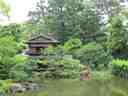
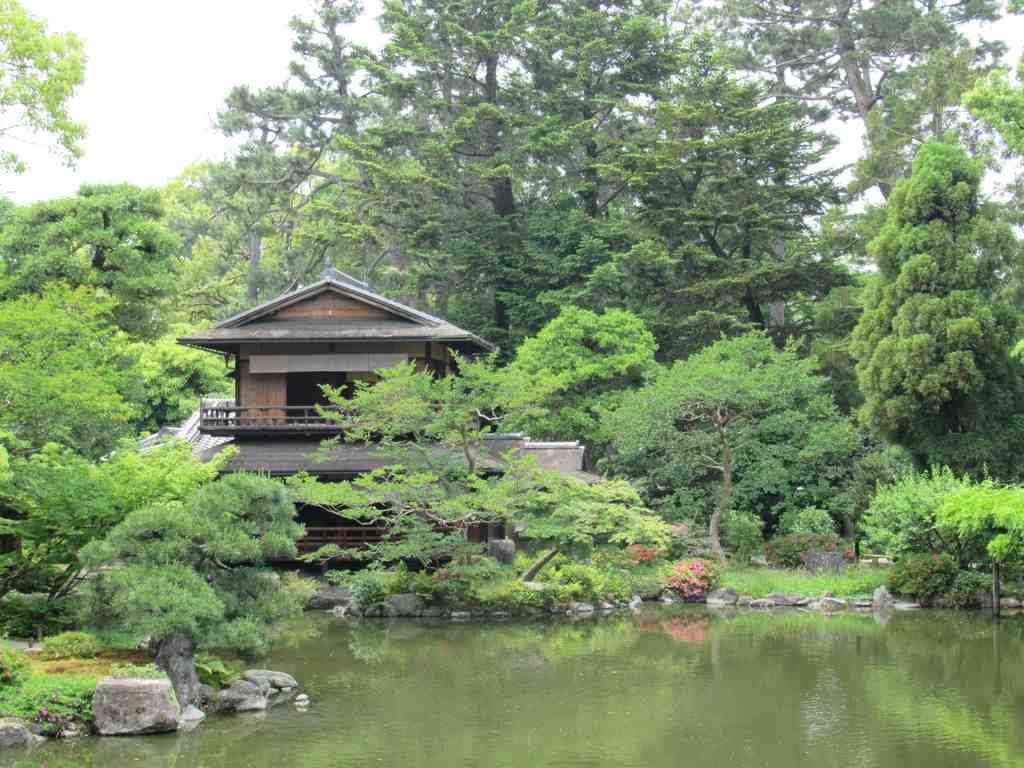
    Right in front of you, you’ll spot a classic wooden pavilion nestled among thick, emerald-green trees, with a serene pond at its feet-just look for the tranquil water glimmering through the garden’s lush foliage. Now, take a deep breath-the air here is rich with the scents of pine and a hint of ancient stories drifting in with the breeze. The Kyoto Gyoen National Garden isn’t just a patch of green in the city; it’s a living, breathing patchwork quilt of history. Imagine this space back in the heyday of Kyoto, with samurai clanking by and nobles whispering secrets under these towering trees. When the capital moved from Kyoto to Tokyo, the city must’ve felt a bit heartbroken, right? But instead of fading into memory, this area transformed into a grand national garden. It’s a whopping 65 hectares-big enough that you could get gloriously lost after a few wrong turns, but friendly enough that even the squirrels seem to give directions! Encompassing the Kyoto Imperial Palace, this garden has seen imperial processions, strolls by poets, and maybe a ninja or two sneaking through the shadows (okay, maybe that last part is just my imagination). The garden was designed to be a haven for everyone, not just royalty, so today anyone can wander these peaceful paths and share in Kyoto’s living history. Soak it in-somehow, that rustling breeze sounds like it’s whispering, “Welcome back to old Kyoto!”

    打开独立页面 →
  3. The Sentō Gosho, quite literally the “Hermit’s Palace,” wasn’t built for just any ruler. This was the exclusive retirement home of emperors who had gracefully-or…阅读更多收起

    The Sentō Gosho, quite literally the “Hermit’s Palace,” wasn’t built for just any ruler. This was the exclusive retirement home of emperors who had gracefully-or politically-stepped down from the Chrysanthemum Throne. In fact, the term “sentō” originally meant “immortal’s dwelling” in China, conjuring up images of legendary hermits escaping the stress of mortal life. Imagine if your version of “retirement” came with a palace, a personal forest, and a staff ready to serve you tea at a moment’s notice! I guess you could call it “retirement goals,” emperor-style. Now, this slice of regal paradise didn’t always look like this. The original Sentō Gosho was built in 1627 for Emperor Go-Mizunoo, after he decided that ruling Japan was perhaps just a bit too much paperwork (and bowing). The site had some illustrious tenants before, too-this was once the domain of Toyotomi Hideyoshi’s family. After Hideyoshi died, his wife, Kita no Mandokoro, moved here from Osaka Castle. The ground itself has absorbed centuries of whispers and footsteps-from samurai guards to courtiers and ex-emperors. Take a few steps closer and picture the grand gardens to your left. These were designed first by the genius garden designer Kobori Enshū and later altered by Emperor Go-Mizunoo himself, who apparently had very strong opinions about foliage arrangement-think of him as the original “royal landscape architect.” There’s a huge pond in the east, reflecting not only the beauty of the changing seasons but also the patient faces of centuries of royalty. I doubt you’d get away with tossing bread to the koi unless your last name was “Emperor,” though. You might wonder, what happened to all the buildings? Well, here’s a plot twist worthy of a soap opera. A huge fire in 1854 reduced most of the palaces to ashes. Rather than rebuild, they left much of this area as it is now: a lovely, mysterious garden, a couple of old tea houses like the Seikatei and Yushintei, and even an ancient ice house for storing-you guessed it-imperial snacks. Oddly enough, those tea houses weren’t just for sipping matcha. They were diplomatic hotspots, where strategic sips and carefully timed silences helped decide the fate of dynasties. After 1869, when the emperor and the court packed their bags and moved to Tokyo, this became a sort of regal time capsule. Even Showa Emperor Hirohito, in the postwar years, would wander through these gardens during his visits to Kyoto, peering at fireflies and maybe thinking about the strange journey of the imperial family. The Sentō Gosho isn’t just a relic of old Japan, though. These grounds have evolved. In the 1920s and 30s, they had to spruce things up with electric lights and glass doors for a dash of “modern comfort”-well, as modern as a palace gets, anyway! Then, during state ceremonies, these gardens saw the building of huge, temporary palaces for imperial rites-truly fit for an emperor’s comeback tour. There’s also a snippet of imperial intrigue I quite enjoy: when an emperor retired and moved here, he often brought his own mini-army of household samurai for protection-just in case the paperwork got out of hand. Today, Sentō Gosho is sometimes called the “Kyoto Sentō Gosho” to distinguish it from its Tokyo cousin, since modern times saw emperors begin to retire once again, setting up a new “Hermit’s Palace” in the capital. But the old glory and the secrets of the Kyoto Sentō Gosho remain. As you stand here, take a moment to imagine the echo of imperial footsteps and the quiet swirl of a silk kimono passing by. If walls could talk-or in this case, if gardens could gossip-just imagine what secrets you’d hear! Now, let’s make our way to our next elegant destination.

    打开独立页面 →
再显示 9 个站点显示更少站点expand_moreexpand_less
  1. Right ahead, you’ll spot a classic wooden shrine with elegant golden trim and two statues of wild boars standing guard on either side of the entrance-just keep your eyes straight…阅读更多收起

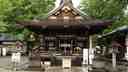
    Right ahead, you’ll spot a classic wooden shrine with elegant golden trim and two statues of wild boars standing guard on either side of the entrance-just keep your eyes straight ahead and look for their snouts! Now, let’s step into a story that’s got more wild boar heroes than your average action movie. The Goō Shrine stands proudly in Kyoto, but its journey here began centuries ago. Back in the days of emperors and exiles, Wake no Kiyomaro was a key player in founding ancient Heian-kyō-think of him as a legendary city planner. But trouble struck! On his way to exile, he was ambushed and wounded in the leg. Just as the enemy closed in, the ground began to rumble--and out dashed hundreds of wild boars! These unlikely furry bodyguards escorted him all the way to safety. That’s why instead of the usual lion-dog guardians you see at other shrines, here you get boars looking out for you. Today, people visit Goō Shrine to pray for healing, especially from leg or lower body injuries-after all, if anyone knows about perseverance, it’s Wake and his boar buddies! And don’t forget Wake’s sister, Hiromushi-she cared for 83 war orphans and now watches over children and families. So, take a moment to imagine ancient Kyoto, the chaos of political drama, the thunder of wild boars, and a kind-hearted sister-right where you’re standing. Not every shrine can say it’s protected by both courage and a stampede!

    打开独立页面 →
  2. Look for the grand wooden gate with an elegant thatched roof and flanking cream-colored walls trimmed in black, standing straight ahead of you-this is the majestic front of the…阅读更多收起

    Look for the grand wooden gate with an elegant thatched roof and flanking cream-colored walls trimmed in black, standing straight ahead of you-this is the majestic front of the Kyoto Imperial Palace. Welcome, traveler, to the mighty Kyoto Imperial Palace, the heart of power, tradition, and drama in Japan for over five centuries! Imagine you’re standing here in the dusty golden sunlight, the crunch of gravel underfoot, and the creak of the old wooden gates as generations of emperors, samurai, and ladies of the court once swept through these very doors. The atmosphere here can feel a bit like walking onto the set of a legendary samurai film-except the drama is real, and the secrets are even juicier. This palace was the home of Japan’s emperors from 1337 to 1869, a place where history unfolded behind these high, dignified walls. In fact, what you see today was largely rebuilt in 1855-mainly because the palace seemed to have an unfortunate talent for catching fire. Eight times in the Edo period alone, the whole site had to be rebuilt. Maybe it’s not superstition, but next time you see a palace cook with a torch, steer clear! The palace grounds are enormous. If you stretched a sumo wrestler every meter of the way, you’d need about 450 of them from north to south! The walls, called “musujibei,” are five-slatted and marked the highest status in Japan-so you know you’re standing beside true imperial power. There are six main gates, all with beautiful names: Kenteimon is the official front, but each has its own stories and secrets. Inside, the palace divides into three magical zones. On the southern end sits the grand Shishinden, a bright ceremonial hall where emperors sat on the famous “Takamikura” throne. Imagine the nerve-wracking silence before an emperor’s coronation. Right in front lay vast white gravel courtyards, flanked by an ancient cherry tree at the left and an orange tree at the right-the only place in Kyoto where the cherry blossoms never seem out of place. If you wandered north, you’d find the more private quarters: Little palace rooms for daily life and government, gardens with sparkling ponds, and the omikuji (fortunes) rustling in the wind. And even further north, where the royal consorts, princesses, and ladies-in-waiting lived, many structures have vanished, but you can still feel echoes of intrigue. Whispers tell of mysterious “demon rooms,” paintings of legendary white-tiger kings who battled evil spirits, and even secret gardens where only the most privileged could stroll. Each building has its own tale: The Seiryoden was the emperor’s real home once-a maze of clever screens, secret passages, and even a special “demon-warding” window in the northeast corner. Some say superstitions about bad luck were so powerful here that the palace built a deliberate bend in the northeast wall, then put up a wooden monkey spirit as a magical guard. Spooky, right? I bet the monkeys in the nearby park wish they got that VIP gig! Over the years, the palace was expanded by famous warlords like Nobunaga and Hideyoshi and hosted crucial drama; in the tiny Kogosho (Minor Palace), fateful meetings set the course for samurai Japan. In the Meiji Restoration of 1868, revolutionaries declared a new age right here-perhaps the quiet gravel trembling with their excited footsteps. By the twentieth century, the modern world intruded. The palace even survived stray fireworks setting a building ablaze! Today, despite the centuries of drama, the palace is a place of peace, echoing with birdsong, memories, and the sound of visitors’ awe. It’s open year-round, but don’t get too close, or you might meet the palace guards-and trust me, their uniforms are snazzier than any ninja disguise. If you listen closely, you can almost hear the rustle of silk kimono and the flick of a ceremonial fan floating across the gravel. The Kyoto Gosho is a place where stone, wood, legend, and laughter still live side by side-the living, beating heart of old Japan, ready for your next adventure. To delve deeper into the overview, existing facilities or the relocated facilities, simply drop your query in the chat section and I'll provide more information.

    打开独立页面 →
  3. To spot Shirakumo Shrine, look for a peaceful entrance framed by tall stone pillars and a torii gate shaded by lush green trees, with bright red banners marked “白雲神社” and a small…阅读更多收起

    To spot Shirakumo Shrine, look for a peaceful entrance framed by tall stone pillars and a torii gate shaded by lush green trees, with bright red banners marked “白雲神社” and a small crowd gathering just ahead. Welcome to Shirakumo Shrine! Take a deep breath and listen close-the whispers of ancient Kyoto are thick in the air here. Imagine, nearly 800 years ago, a quiet pond at the foot of misty mountains where the powerful Saionji family once built a lavish villa, the North Mountain Residence. In 1224, beside that pond, stood the first version of this shrine’s sacred hall, the mysterious “Myoondo.” Inside, a shining statue of Benzaiten-the goddess of music-sat proudly, blessing the Saionji family. Oh, and if you feel inspired to hum a tune here, well, you’re in the right place! After all, Benzaiten was beloved as the guardian of all things musical. But Kyoto’s fortunes are always changing, and so too was this little shrine’s destiny. When the mighty shogun Ashikaga Yoshimitsu decided he wanted the Saionji villa for himself-yes, that’s the same land where the breathtaking Golden Pavilion, or Kinkaku-ji, stands now-he tore down the old hall. The treasures within, including a legendary portrait of Benzaiten, were whisked away for safekeeping, even ending up in the imperial palace thanks to a clever Saionji daughter. No matter how many times fate threatened to erase Shirakumo Shrine, it always found a way back. When the Saionji family moved their grand house to Kyoto’s palace gardens in the Edo period, this shrine returned too. Over the centuries, it transformed, especially in the Meiji era, when anti-Buddhist reforms swept Japan and the shrine lost its precious Benzaiten statue. Local villagers, stubborn as ever, refused to let the spirit fade-they protected the shrine, giving it a new name inspired by its old village, “Shirakumo” or “White Cloud.” Now, atop holy stones (one even called the “bellybutton of the Imperial Palace”-how’s that for a claim to fame?), stands a shrine to Ichikishimahime, one of the three Munakata goddesses. And here’s one last twist: the very name “Ritsumeikan”-now a famous university-got its start from a tiny school that opened right here in the Shirakumo grounds. So while you stand in the quiet shade, think of the centuries of music, poetry, ambition, and resilience hidden under these leafy trees. Maybe Shirakumo Shrine is modest, but its stories are as grand as any palace-now that’s what I call hidden magic!

    打开独立页面 →
  4. Right in front of you, tucked among the trees and partially hidden behind a wall and some neatly trimmed bushes, you’ll spot a low, modern white building with a few parked cars-a…阅读更多收起

    Right in front of you, tucked among the trees and partially hidden behind a wall and some neatly trimmed bushes, you’ll spot a low, modern white building with a few parked cars-a bit unassuming, but that’s the Imperial HouseHold Agency Kyoto Office. Now, let me pull back the curtain on this understated little spot. Imagine standing right here over sixty years ago-this area was already humming with quiet but crucial activity, and while the building looks modern, its story stretches way back. The Imperial HouseHold Agency Kyoto Office does a job as meticulous and multi-layered as a ninja flipping pancakes: it manages some of the most treasured places in all of Japan. Not just one, mind you, but Kyoto Imperial Palace, Omiya Palace, Sento Palace, the exquisite Katsura and Shugakuin Imperial Villas, and, believe it or not, it even looks after the resting places of Emperors and Imperial family members as far west as you can go in Kansai! But here’s where it gets quirky-this office, and the teams inside, are part of a long line of caretakers. Before 1956, it was just known as the Kyoto Office, but even earlier, it was a branch for specialized bureaus with names that sound straight from a samurai drama: the Bureau of Works, the Steward’s Bureau, and the Bureau of Imperial Mausoleums. Through war, peace, and even the odd typhoon, this office has kept palaces standing, gardens blooming, even the plumbing and electrical humming-all according to government regulations so detailed, you’d think someone lost a bet and had to write them! Peek inside, and you’ll find a director, an assistant director, and dedicated teams for administration, engineering, gardening, and more. There’s even a whole group looking after the gardens at Shugakuin and Katsura, because, as it turns out, imperial hydrangeas don’t prune themselves. And, as the cherry blossoms fall around you, remember: this quiet little building safeguards centuries of imperial glories-and all the behind-the-scenes action that keeps history alive. So while it might look simple, it’s actually one of the busiest guardians of Japan’s royal heritage. No royal secrets spilled in the parking lot, though-or so they tell me!

    打开独立页面 →
  5. To help you spot the site of 禁門の変, look for an area near the western gate of the Imperial Palace grounds, where you might see a simple historical marker-imagine a place once…阅读更多收起

    To help you spot the site of 禁門の変, look for an area near the western gate of the Imperial Palace grounds, where you might see a simple historical marker-imagine a place once filled with chaos, people running, and old wooden buildings set against the wall. Alright, here we are! As you stand at this spot, let your imagination paint the scene: it’s July 19, 1864, and the whole area before you is erupting, with wild panic, flames licking up the sides of houses, samurai charging, and the thunder of gunfire echoing between the wooden gates and alleyways of old Kyoto. This, my friend, is the site of the legendary Kinmon Incident, known also as the Hamaguri Gate Incident, and trust me, the day was anything but boring around here! At that time, picture Kyoto as a pressure cooker ready to burst: the Choshu clan, once booted from Kyoto for being too rowdy, are sneaking back with bold dreams of kicking out their rivals-the Aizu clan and their allies, defenders of the city and palace. These weren’t just small-time squabbles; this was the first battle between samurai armies in the region since 1615, and boy did it shake things up! When fighting broke out near the gate called Hamaguri-mon-just west from where you’re standing now-the scene quickly devolved into chaos. Plumes of black smoke rolled into the summer sky; cannon blasts thundered through the streets; samurai on horseback charged, swords flashing, while common townsfolk ran for their lives, clutching children and belongings. Fires spread so wildly that by the next morning, three out of every ten houses in Kyoto were reduced to ashes. The fire, famously called the “Dondon-yake,” even reached as far as Higashi Hongan-ji Temple. Talk about a bad case of the Mondays! There’s a certain tragic drama playing out: men like Kusaka Genzui and Maki Yasuomi, leading the samurai, torn between following tough orders and worrying about their families. Maki and Kusaka were among the radicals urging action, while others in the Choshu camp were-understandably-more interested in not getting toasted or skewered. But tense arguments gave way to action; desperate to regain lost honor and influence, Choshu threw everything into the clash, even sneaking disguised samurai into town (imagine burly warriors disguised as firemen!). Very quickly, cannon fire tore holes in the old palace gate, bullets zipped past, and casualties mounted on both sides. In the heat of battle, Maki and Kusaka learned their friend, another samurai commander, had already died. Instead of retreating, they fought their way south, finally meeting their end in a final stand, their spirits unbroken even as they took their own lives rather than be captured. The entire social order was shaken: Choshu lost, their houses and hopes going up in smoke here in Kyoto. The victors-Aizu, Satsuma, and Tokugawa troops, led by men like Matsudaira Katamori and Tokugawa Yoshinobu-were left to pick through what remained of the city. But the fires of resentment, not just ash, lingered. Samurai fled for their lives, some disguised as farmers, carrying bitter memories and even angrier slogans painted on the soles of their straw sandals. For years, the memory of this day stuck like soot. The Choshu were branded “enemies of the throne” by the Emperor-quite a fall from grace. But the story didn’t end here! Not long after, those same outcasts from Choshu struck a secret deal with Satsuma, an unlikely friendship brewed in the ashes of this disaster. By the time the Bakumatsu period wrapped up a few years later, the very people branded as rebels here had helped forge a new era for Japan. Look again at the ground; sometimes, if you’re lucky, you’ll hear the echoes of the clashing blades, or maybe just the grumpy shouts of some poor Aizu guard wishing for a quieter posting. And around the Hamaguri Gate itself-if you take a closer look-you’ll spot old bullet holes in the beams, scars that refuse to fade, like Kyoto’s own way of remembering a day when the entire city held its breath and history changed course before its very eyes. To expand your understanding of the pre-war progress, battle progress or the postwar, feel free to engage with me in the chat section below.

    打开独立页面 →
  6. To spot Kyoto Broadcasting, just look for a large, light-colored building with the letters “KBS” on the front-it’s on the corner, with lots of windows along the top, some cars…阅读更多收起

    To spot Kyoto Broadcasting, just look for a large, light-colored building with the letters “KBS” on the front-it’s on the corner, with lots of windows along the top, some cars parked out front, and a big antenna rising overhead. Welcome to a place where every broadcast carries a whisper-and sometimes a shout-of Kyoto’s modern history. You’re standing at the headquarters of Kyoto Broadcasting System, usually called KBS Kyoto, a cornerstone of local radio and television. Now, it might look rather unassuming, but trust me, if these beige bricks could talk, they’d spill a lifetime’s worth of drama, tunes, and the occasional transmission hiccup. Go back to the early 1950s. Imagine Kyoto in recovery after World War II, radio sets glowing in wooden houses, families huddled around for warmth and news-KBS first took to the airwaves in December 1951, becoming Kyoto’s fifth private radio station in Japan, and the very first to get its provisional broadcast license. The air would’ve been crackling not just with neighborhood gossip, but with the excitement of the first local radio broadcasts. Back then, it was known as Radio Kyoto, and its signal first bounced off the hills from a modest studio in a different part of the city. But Radio Kyoto wasn’t just satisfied with sound. In 1969, after a whopping 17 years of just radio (which made them the slowest in Japan to jump to TV), they added television-a bit like finally joining a group video call after years of just texting. You can already tell things were different then by their old mascots: “Rajitan”-a cheery yellow boy for radio, and “Rajirin,” a pink girl, later replaced by a mascot shaped like a Kyoto eggplant named “Kamon-Nasu.” (Eggplants, apparently, are very good at giving the news. Don’t tell tomatoes; they get jealous.) But this place wasn’t just about cute mascots. KBS Kyoto has weathered storm after storm-literal and financial! By the mid-1990s, after a notorious financial scandal known as the Itoman Incident, the company hit rock bottom and technically went bankrupt. Now, you’d think that would be the end, but the story has its own “to be continued!” moment. The local community and listeners rallied like true fans at a season finale. Against all odds, not a single day’s broadcast was missed. People needed their news, after all, and KBS didn’t let them down. After a round of renaming, lawsuits, and some boardroom drama that makes a TV soap opera seem dull, KBS Kyoto was reborn-back in business by 1995. In true Kyoto fashion, tradition met innovation. The station adopted a theme tune by local musician Amii Ozaki, “My Shiny Town,” for their morning opening-a tradition that endures to this day, brightening up the crack of dawn for early risers. KBS Kyoto is a truly independent voice, the only commercial broadcaster in the Kansai region still running both radio and television in-house. Its signals bounce from mountaintops and rooftops out across Kyoto and neighboring Shiga-meaning, if you were a radio-loving ninja hiding in Gifu or Nagoya, you might just catch their signal on a clear night. The shows here range from anime to horse racing, and the newsroom once bravely covered their own police raids and technical mishaps, turning live bloopers into legends (“Please wait…,” said a bandaged bear cartoon onscreen during technical difficulties-because, why not?). This building is a testament not just to media, but to survival: through the messiest of scandals, the joy of summer festivals broadcast live, and the glow of late-night radio when the rest of Kyoto sleeps. If you look up at the antenna now, you might hear a faint echo of Kyoto’s history-three parts signal, one part stubbornness, a dash of eggplant, and a whole lot of community spirit. So, as you stand here, imagine the hum of the studios, the patter of shoes in the hallway, the muffled laughter of announcers off-air. You’re not just looking at a building; you’re tuning in to a Kyoto institution, still on-air, after all these years. And hey, who knows? Maybe your footsteps are in the next morning’s broadcast! Want to explore the summary, history or the radio and television common in more depth? Join me in the chat section for a detailed discussion.

    打开独立页面 →
  7. To spot the King Prosto Shrine, look straight ahead for a classic wooden Shinto building with gold accents and a curved roof, flanked by two statues of wild boars standing proudly…阅读更多收起

    To spot the King Prosto Shrine, look straight ahead for a classic wooden Shinto building with gold accents and a curved roof, flanked by two statues of wild boars standing proudly near the entrance. Welcome to the legendary King Prosto Shrine-officially known as Goō Shrine! Take a deep breath and let the scents of old wood, wet earth, and fresh greenery fill your senses, because you’re about to step right into a tale where bravery, wild boars, and emperors all collide. This isn’t your average shrine-oh no! Lean in a little closer, just in case you hear the distant grunt of a boar. Let’s jump back in time-way, way back-to an age when samurai didn’t send text messages but rather, sharp glances and even sharper swords. This shrine was first created to honor the heroics of Wake Kiyomaro and his remarkable sister, Wake Hiroko. They weren’t just siblings; they were legends. Kiyomaro himself was exiled after a nasty political spat involving a would-be emperor and a heavenly prophecy gone wrong. Rumor has it, as Kiyomaro was being escorted through treacherous mountains, assassins ambushed him! Imagine the tense silence, then suddenly--a herd of 300 wild boars came crashing out of the undergrowth, saving Kiyomaro from almost certain doom. That’s right, forget guard dogs-this is the only shrine in Japan where the main protectors are wild boars! So, if you look around, you’ll spot the unique “komaino” or guardian statues. Except, instead of the usual lion-dogs found at every other shrine, Goō Shrine celebrates its “komainoshi”-guardian BOARS! Some people even call this the “wild boar shrine.” In fact, devotees from all over the country bring stuffed animals and wooden carvings of boars here, creating one of the world’s fluffiest and quirkiest mascot collections. Let’s jump forward a bit-to the era of Emperor Kōmei in 1851. He was so impressed by Kiyomaro’s loyalty that he did something no emperor had ever done before: he awarded Kiyomaro the highest divine rank and the special title “Goō Daimyōjin,” all with his own imperial hand. Now, that’s a promotion worth celebrating! Not only that, but for the first and only time in history, the shogunate even helped pay for this special honor. That’s right-even the politicians couldn’t argue with destiny. Time keeps rolling, and in 1915, Kiyomaro’s sister Hiroko was enshrined here too-thanks to her reputation for taking in orphans and helping children. Today, she’s known as the “child-raising deity,” which means this is also a place where families come to pray for their children’s health and happiness. Now, you might have spotted a curious handwashing station, or “temizuya,” with a shiny boar’s nose in the center. Word has it, if you rub that boar’s nose, your legs and back will stay healthy, your luck will improve, and you’ll be sure to come back here again someday. Give it a try-unless you’re worried about suddenly running a marathon! This sacred ground was relocated to its present site in 1886, right on the estate of Kyoto nobility, and much of what stands here dates from that time-including the elegant buildings and their beautifully carved details. If you peek around the grounds, you’ll see the main sanctuary, a prayer hall with a naval connection (look for a plaque from the mighty battleship Takao), a statue of Kiyomaro himself-complete with calligraphy by a world-famous tea master-and even a tiny shrine to the fire and police departments. But wait! There’s more boar fun-if you had been around from 1890 to 1945 and used Japanese money, you might have had a ten-yen bill featuring Kiyomaro and, hidden in the intricate border, eight little wild boars. In 1899, a BIG boar even made it onto the back of the bill. Paper money in Japan was never quite as exciting after they stopped putting boars on it! Let’s not forget the excitement of the annual festivals. Every spring, on April 4th, there’s a marvelous parade with people in boar-printed jackets and flowing banners, all to honor Kiyomaro’s memory. And every November 1st, for the Whiskered Boar Festival, participants parade to the Imperial Palace, carrying “boar rice cakes” to ward off sickness. It’s a tasty tradition-one where singing and eating are highly encouraged! So, while the King Prosto Shrine might feel peaceful and quiet today, remember: under your feet lies the legacy of epic rescues, secret boar societies, feasts, and a hero whose courage was matched only by his rescuers’ sharp tusks. And hey, if you start craving a wild boar plushie… don’t worry, you’re in the right place. Intrigued by the goo shrine and boar, worship of the gods or the festival? Explore further by joining me in the chat section below.

    打开独立页面 →
  8. To spot Munakata Shrine, look for a cozy wooden building topped with a mossy roof, flanked by two stone guardian lions, and decorated with bold purple curtains covered in white…阅读更多收起

    To spot Munakata Shrine, look for a cozy wooden building topped with a mossy roof, flanked by two stone guardian lions, and decorated with bold purple curtains covered in white crests. Welcome to Munakata Shrine! As you stand under the dappled shade of ancient trees, imagine the crunch of old gravel beneath your feet and the soft rustle of the leaves above-this very ground has been guarding secrets and stories for over a thousand years. In 795, the heavy air was crackling with excitement; Emperor Kanmu had just moved the Emperor’s seat to Kyoto, and his trusted minister Fujiwara no Fuyutsugu, probably exhausted from all the palace drama, was given a divine errand: protect the imperial city by bringing the mighty goddesses of Munakata here from faraway Kyushu. Picture the tension-Fuyutsugu, still just a low-ranking attendant, hears the thunderous voice of a goddess echoing down from the sky. “Buy this land!” she demands, promising protection to all his descendants if he complies. (I hope he didn’t look up, or he might have gotten hit by a falling celestial business card!) So, with his father’s help, he buys this very plot-what would later be called the “Koin Ichijo mansion”-and raises a small shrine in the southwest corner, right where you stand. In its early days, Munakata Shrine was more than just a neighborhood shrine; it was the sacred guardian of both the imperial family and the powerful Fujiwara clan. Imagine imperial messengers galloping up with banners, announcing the birth of Emperor Seiwa-who, thanks to his family ties, considered the Munakata goddesses his own personal patron spirits. To honor them, the court awarded them fancy divine ranks-think of it as leveling up in an ancient version of a video game! But there’s more to this story than royal intrigue. Lurking in another corner of the property was the mysterious “Ama no Iwato-kai” god-honored as a big stone with serious supernatural power. Later, another spirit, the god of rice, got added to the party, courtesy of Fujiwara no Tokihira, ensuring that everyone had enough food and luck-and that the foxes in the area always had a place to play! Speaking of foxes, a local noble once rescued a wounded fox from bullies, and as thanks, that fox promised to become the shrine’s special guardian, swearing to keep fire and misfortune away. Try not to laugh the next time you see a fox statue with a smug look! Not everything has been smooth sailing-Munakata Shrine survived war, disaster, and the flames of the Onin War, only to be rebuilt stronger each time. Even today, the big camphor tree beside the shrine is over 600 years old-if it could talk, it would have enough gossip to fill a thousand scrolls! With each step here, you’re not just walking through history; you’re passing through a living tapestry of mystical guardians, grateful foxes, and emperors’ prayers. Oh, and if you hear the gentle clatter of ema wooden plaques in the breeze… that’s just a little extra blessing drifting your way!

    打开独立页面 →
  9. Look for a sturdy stone torii gate topped with twisted golden straw ropes and crisp white paper, right beside a quiet path shaded by leafy trees-this is your sign that you’ve…阅读更多收起

    Look for a sturdy stone torii gate topped with twisted golden straw ropes and crisp white paper, right beside a quiet path shaded by leafy trees-this is your sign that you’ve arrived at Itsukushima Shrine in Kyoto. Now, close your eyes for a second and imagine you’re stepping through this ancient gate, the crisp morning air tingling with the scent of rain-washed earth and fresh leaves. The mossy stones underfoot whisper stories-imagine, centuries ago, priests in flowing white robes chanting, the dull clang of bells, and paper lanterns flickering as dusk falls. Itsukushima Shrine is like a well-kept secret in the heart of Kyoto Gyoen National Garden, far from the ocean’s edge where its famous cousin floats on the sea. But here in the city, it feels like a hidden pocket of magic, tucked away where only the most curious wanderers might find it. It’s said that passing beneath the rope-wrapped torii, you’re entering sacred ground, watched over by the kami-Shinto spirits of sea and sky, who just might help you out if you ask nicely. Legend has it the shrine protects travelers and brings good luck-though I can’t promise you’ll suddenly ace your next karaoke night! So, as you stand here, let your mind echo with the old prayers carried by the wind, and feel the calm of Kyoto’s deep past swirling around you, right in this serene, leafy corner.

    打开独立页面 →

常见问题

如何开始导览?

购买后,下载 AudaTours 应用并输入您的兑换码。导览将准备好立即开始--只需点击播放并按照 GPS 引导的路线行驶即可。

导览期间我需要互联网吗?

不需要!开始前下载导览并完全离线享受。只有聊天功能需要互联网。我们建议在 WiFi 下下载以节省移动数据。

这是导游带领的团体游吗?

不是--这是自助语音导览。您按照自己的节奏独立探索,通过手机播放音频解说。没有导游,没有团体,没有时间表。

导览需要多长时间?

大多数导览需要 60-90 分钟才能完成,但您完全控制节奏。随时暂停、跳过站点或休息。

如果我今天无法完成导览怎么办?

没问题!导览具有终身访问权限。随时暂停和恢复--明天、下周或明年。您的进度已保存。

有哪些语言可用?

所有导览均提供 50 多种语言版本。在兑换代码时选择您的首选语言。注意:导览生成后无法更改语言。

购买后我在哪里访问导览?

从 App Store 或 Google Play 下载免费的 AudaTours 应用。输入您的兑换码(通过电子邮件发送),导览将出现在您的资料库中,准备下载并开始。

verified_user
满意保证

如果您不喜欢该导览,我们将退款。请联系我们 [email protected]

安全结账使用

Apple PayGoogle PayVisaMastercardPayPal

AudaTours:语音导览

有趣、经济实惠、自助徒步导览

试用应用 arrow_forward

深受全球旅行者喜爱

format_quote 这次导览是游览这座城市的绝佳方式。故事很有趣,感觉不太照本宣科,我喜欢能够按照自己的节奏探索。
Jess
Jess
starstarstarstarstar
第比利斯导览 arrow_forward
format_quote 这是了解布莱顿的一种可靠方式,感觉不像游客。解说有深度和背景,但并未过度。
Christoph
Christoph
starstarstarstarstar
布莱顿导览 arrow_forward
format_quote 一手拿着羊角面包,零期望地开始了这次导览。这款应用真的很适合你,没有压力,只有你、你的耳机和一些很酷的故事。
John
John
starstarstarstarstar
马赛导览 arrow_forward

无限语音导览

解锁全球每个导览的访问权限

0 导览·0 城市·0 国家
all_inclusive 无限探索