Dublin Audio Tour: A Historic and Cultural Odyssey
在电车轨道的喧嚣和都市生活的匆忙之下,都柏林的心脏跳动着大多数人从未窥见的秘密。这个自助语音导览邀请您漫步于可能埋藏着古老北欧国王的学院绿地之下,在都柏林泛欧交易所厚重的大门后财富被交易,以及圣殿酒吧里流传着传奇和丑闻的故事。 在一场震撼全国的午夜抗议中,哪座雕像被污损了?在泛欧交易所的阴暗走廊里,哪些交易在一夜之间改变了爱尔兰的命运?为什么圣殿酒吧差点消失在一个巴士总站之下——又是谁完成了都柏林历史上最奇怪的救援? 从优雅的广场到喧闹的鹅卵石小巷,每一步都追溯着叛乱、阴谋、庆典和恶作剧。旅程结束时,您将看到都柏林不仅仅是一个城市,而是一本充满戏剧、韧性和不断重塑的活生生的故事书。 准备好让都柏林揭示其表面之下隐藏的秘密了吗?按下播放键,开始您的冒险吧。
导览预览
关于此导览
- schedule持续时间 30–50 mins按照自己的节奏
- straighten1.5 公里步行路线跟随引导路径
- location_on
- wifi_off离线工作一次下载,随处使用
- all_inclusive终身访问随时重播,永久有效
- location_on从 学院绿地,都柏林 开始
此导览的景点
All right! You’re standing at College Green, Dublin-a place where the past leaps out at you from every angle. If you look around, you’ll spot the grand, stone-fronted Trinity…阅读更多收起
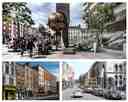
All right! You’re standing at College Green, Dublin-a place where the past leaps out at you from every angle. If you look around, you’ll spot the grand, stone-fronted Trinity College to your east, with iron gates and tall windows gazing out onto the square. Just a little to your left, you’ll see a grand, curved building with columns-that’s the old Bank of Ireland, once the seat of Ireland’s Parliament. Between these landmarks, you’ll spot statues standing tall, and trams and buses whizzing by. The open plaza is framed with leafy trees, and if you keep an eye out, you’ll see Henry Grattan keeping watch from his plinth, coat tails flying in the Dublin breeze. Picture this: Hundreds of years ago, this was called Hoggen Green. Instead of traffic and students, there were grassy mounds and ancient burial sites-some said to be the resting place of Norse kings. Imagine the sound of Viking shields clanking, and monks from the nearby nunnery bustling about in long robes. College Green is shaped almost like a giant slice of pie, with streets flowing off in every direction-Dame Street to the west, Grafton Street to the south, and the famous Temple Bar close by to the north. In the 1700s, this was the heart of celebration. A huge bronze statue of King William III once stood in the centre, and every November, parades would circle around it. People cheered, flags waved, and I bet even the cobblestones felt the excitement under all those feet. This spot is no stranger to political drama-just imagine a stage where U.S. Presidents Bill Clinton and Barack Obama both gave rousing speeches to delighted crowds. But with all its fame, College Green hasn’t always been peaceful. Statues here have been painted, decorated, and sometimes even ‘redecorated’ by mischievous locals in the dead of night. So as you take in the grandeur and the buzz of the city around you, remember: beneath your feet and all around you, Dublin’s wild and wonderful history is still whispering secrets. I suppose you could say, if the statues here could talk, they’d probably ask for a pint and a bit of quiet for once! Curious about the location, history and layout or the architecture? Don't hesitate to reach out in the chat section for additional details.
打开独立页面 →As you approach Euronext Dublin, look for a grand building with cream-colored stone and large, arched windows. The entrance has a sturdy, carved stone frame and an inviting wooden…阅读更多收起
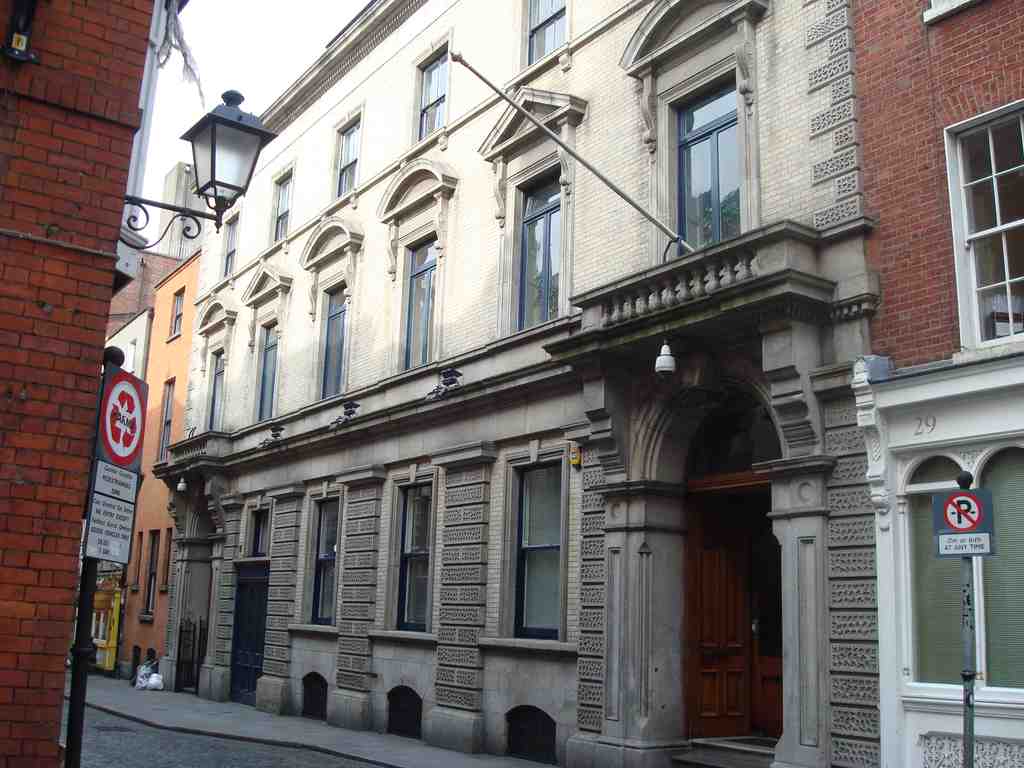
As you approach Euronext Dublin, look for a grand building with cream-colored stone and large, arched windows. The entrance has a sturdy, carved stone frame and an inviting wooden door tucked beneath a balcony. If you spot the traditional street lamp and see a redbrick corner nearby, you’re in the right place-Euronext Dublin will be just ahead. Now, picture yourself standing right here, next to this impressive facade, where fortunes have risen and fallen for over two centuries. Imagine the sound of hurried footsteps on cobblestones as investors and traders dash in and out, their pockets full of hopes and a few coins. Established way back in 1793, this place is Ireland's main stock exchange-a true engine room of finance. Forget the silent, stuffy image you might have of stock markets; in its early days, it was as lively as a fairground, with shouts, bargaining, and the occasional dramatic sigh when someone’s shares plunged faster than a stone in the Liffey. Traders came here not just from Ireland, but from over 85 countries, craving a taste of the European markets. On a good day, you could almost feel the excitement in the air as fortunes were made-or lost-before lunch. And if you listen closely, you might just catch the hum of deals being struck behind those thick stone walls. A mystery to many, but a lifeline for the few, Euronext Dublin supports thousands of jobs and is worth hundreds of millions to the Irish economy-no wonder it’s become a heartbeat for the city. It’s been through name changes, mergers, booms, and busts. And don’t get me started on the stamp duty; even the taxman gets a slice of the action. So as you stand here, just remember: behind these walls, history isn’t just written-it’s traded, every single day. Now, shall we move along before someone tries to sell us stocks in leprechaun gold? Intrigued by the markets, money raised or the trading and membership? Make your way to the chat section and I'll be happy to provide further details.
打开独立页面 →To spot Temple Bar, just take a look at the lively scene ahead of you. You’ll see a mix of colourful buildings - reds, greens, blues, and a whole parade of shopfronts. There’ll be…阅读更多收起
To spot Temple Bar, just take a look at the lively scene ahead of you. You’ll see a mix of colourful buildings - reds, greens, blues, and a whole parade of shopfronts. There’ll be signs for art, cafes, even a tattoo studio for the brave-hearted. On the corner, one building positively shouts for attention with its explosion of brightly waving flags and golden yellow facade. The cobblestones under your feet might feel a little uneven, but don’t worry - that’s just history massaging your soles. Alright, here you are, right at the heart of Dublin’s cultural quarter - Temple Bar! Picture yourself back in medieval times: the city walls are just over there, and outside them? Well, let’s just say it wasn’t the safest place for a midnight stroll. Back then, this area was called St. Andrew’s Parish, but over time, it became the playground for the city’s wealthy, who preferred gardens to mayhem. Of course, Dublin wouldn’t be Dublin without a little drama. The dirty lanes and crooked houses you see now were once nearly lost to a bus station - imagine trading all these lively pubs, music, and art for buses! Luckily, the plans were scrapped, and Temple Bar came roaring back to life, full of street musicians, laughter, and the clatter of pint glasses. Temple Bar’s name was inspired by London, but it gets an extra wink from the Temple family who set up their home here in the 1600s. For centuries, this spot has seen everything from secret societies plotting revolutions, to the very first performance of Handel’s Messiah. Even the wilder side of Dublin made an appearance - in the 18th century, this was the red-light district! History, music, cheekiness - it all bubbles under these cobbles. So, stop for a moment. Take a whiff - maybe you’ll catch roasting coffee, baked pie, or something a bit stronger wafting from the pubs. Whatever brought you here, you’re standing where every twist and turn has its own story. Temple Bar truly is the beating heart of Dublin’s nightlife, and the best place to make a memory (or a few stories of your own)!
打开独立页面 →
再显示 7 个站点显示更少站点expand_moreexpand_less
You’re just about in front of the Temple Bar Gallery and Studios-look for a contemporary building with a sharp, geometric look. Its entrance sits right on the lively street, with…阅读更多收起
You’re just about in front of the Temple Bar Gallery and Studios-look for a contemporary building with a sharp, geometric look. Its entrance sits right on the lively street, with big windows and graphic signage-the words ‘Temple Bar Gallery + Studios’ are displayed clearly, just as you see in the bold image. If you spot an eye-catching sculpture up on the roof-an arch reading “Our Union Only in Truth”-you’ve found it! Now, take a breath and soak it in. Picture it: inside this cool chunk of creativity are thirty studios buzzing with artistic energy-seriously, you could almost hear the brushes swishing and the ideas bouncing off the walls if you stood close enough! This place wasn’t always an art paradise; in fact, back in the day, people stitched shirts here rather than masterpieces. That’s right-a shirt factory, believe it or not. Here, artists have a totally unique playground to create, exhibit, and wow the city. The building is full of strange angles, pillars, and windows-with none of those snooty “white cube” gallery vibes. If these walls could talk, they’d probably argue over who saw the wildest art experiment. Some folks say even the space itself inspires creativity-almost as if the floors might wiggle a little when you make something bold! And get this: TBG+S is famous far beyond Dublin. There’s a wild artist swap deal with Helsinki-imagine packing your paintbrushes and heading for snowy Finland, while a Finnish artist comes here searching for inspiration. Not only that, but the gallery’s seen its fair share of drama-years ago, the director left after a legal storm that’s now part of local legend. If you look up, you might spot the metal arch on the roof, a secret handshake to all the creatives who pass through the doors. Its message, “Our Union Only in Truth,” was paid for with a crowd of supporters cheering it on. As you stand here, imagine all the big ideas bouncing around inside: recent graduates hustling in their first real studios, seasoned artists elbow-deep in paint, and a city that keeps coming back for more art and more colour, no matter what. So, while you’re here, keep your eyes open and your imagination wider-because at TBG+S, you never know what weird and wonderful thing might happen next.
打开独立页面 →Right, here you are on Dame Street! Take a look ahead-Dame Street stretches wide and straight, buzzing with people and lined with tall, colorful buildings. If you look to the…阅读更多收起
Right, here you are on Dame Street! Take a look ahead-Dame Street stretches wide and straight, buzzing with people and lined with tall, colorful buildings. If you look to the right, you’ll spot a striking sphere sculpture outside a modern stone building-yep, that’s where the old Central Bank once perched, towering over the street like a giant concrete owl. Around you, brick Georgian facades stand shoulder-to-shoulder with quirky shops and cafés. That grand, ornate grey building with big arched windows? That’s the Allied Irish Banks, still showing off from the days when banks looked more like palaces than offices. But today, you’re walking through layers of Dublin’s history-and a bit of mystery! Hundreds of years ago, instead of buses and banter, there’d have been the rush of water from the River Poddle-yes, there really was a dam here, and that’s why it’s called Dame Street, not because of any fancy ladies! Back in the day, people called it “Dammastrete” and even “Damask-street.” Imagine, if you went back far enough, you’d have seen a medieval church, St. Mary del Dam, right nearby. And how about a gate called Dame’s-gate, leading you straight to the heart of medieval Dublin? If all that milling around sounds exhausting, you could have popped into Daly’s Club in the 1700s for a drink (and maybe a scandal) or watched concerts at Francesco Geminiani’s house, long before Spotify or YouTube. In fact, the first-ever Scout meeting in Ireland started right here on Dame Street with just four adventurous lads and, I bet, lots of muddy boots. Keep your eyes peeled for the Montague Burton Building, with its sparkling Art Deco style and the famous “Gay Spar”-yes, even the local convenience store here has a story to tell. During Pride, it goes all-out with color and fun. Despite centuries of change, Dame Street always stayed on top-shops buzzing by day, laughter spilling from pubs by night, and Grafton Street just a brisk stroll away. Don’t be surprised if you feel the city’s heart beating just a little faster here-it’s been doing that for centuries! And remember to look both ways before you cross: Dame Street might just sweep you off your feet. Ready for our next stop?
打开独立页面 →Right, if you’re standing on Dame Street, keep your eyes peeled for a charming slice of colour among the shopfronts-look for a bright red doorway, handsome white pillars, and a…阅读更多收起
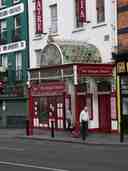
Right, if you’re standing on Dame Street, keep your eyes peeled for a charming slice of colour among the shopfronts-look for a bright red doorway, handsome white pillars, and a huge stained-glass dome with scalloped tiles like a peacock’s tail! That’s the Olympia Theatre right in front of you, showing off its vintage glamour with a touch of golden flourishes. Above the doors, you’ll spot a big sign with “The Olympia Theatre” in gold letters. If you spot the elegant old canopy topped with gold finials, you’ve hit the jackpot. Now, let’s step back in time for a second. Imagine the sounds of hooves clopping down Dame Street and clouds of chatter from excited crowds-since 1879, this spot has been a hive of entertainment. Back then, instead of glamour, it was called the Star of Erin Music Hall, and its entrance was tucked away on a little lane called Crampton Court! Over the years, it’s worn many hats: from “Dan Lowrey’s Music Hall” to “Dan Lowrey’s Palace of Varieties,” before finally taking the grand name of “Olympia Theatre” in 1923. Oh, the stories these walls could tell! Charlie Chaplin tiptoed across its stage, David Bowie sang under its lights, Adele belted her ballads, and bands from Radiohead to R.E.M. have shaken the rafters. Speaking of shaking, did you know a river-a secret branch of the River Poddle-flows right under your feet? Good thing the theatre has lasted this long without needing wellies! The Olympia almost didn’t make it this far. In the 1960s, developers tried several times to tear it down to build offices. The drama behind the scenes was almost as gripping as any play onstage-a last-minute lease, passionate protests, and the theatre community fighting tooth and nail to keep the spirit of showbusiness alive. Even the building itself got dramatic: in 1974, the proscenium arch, that’s the frame around the stage, collapsed during a rehearsal. The roof caved in! Everyone thought that was the final curtain, but the Olympia came roaring back, restored and more loved than ever. Now it’s the 3Olympia Theatre, thanks to a modern twist-a sponsorship deal with a telecoms company. Yes, some folks grumbled about the new name, but the magic lives on inside. From silent movies to opera, and from pantomimes to pop concerts, it’s still a shimmering home of stories and music. Take a deep breath and give a little bow to the old theatre-she’s earned a round of applause! Ready for the next stop?
打开独立页面 →To spot the Gaiety School of Acting, keep your eyes peeled for a long, old stone building with tall arched windows, all trimmed in green. It sits right along Essex Street West,…阅读更多收起
To spot the Gaiety School of Acting, keep your eyes peeled for a long, old stone building with tall arched windows, all trimmed in green. It sits right along Essex Street West, and you’ll notice large green banners hanging from above that announce “GSA Gaiety School of Acting” loud and clear-so if you see green, you’re in the right place. There are some metal railings painted the same color out front, giving the entrance a splash of emerald that feels a bit like Ireland itself. Take a moment here-can you almost hear the echoes of rehearsed monologues and dramatic scenes bouncing off the walls? Or maybe you can catch a waft of nervous excitement drifting out from behind those green doors. Founded back in 1986, right here in the heart of Dublin, the school’s been the first step for countless actors who dreamed of seeing their names in lights-or maybe just not forgetting their lines. You might imagine students rushing in, scripts in hand, with hearts pounding and hopes as high as the ceiling arches. It’s not all just Shakespearean tragedy, though-sometimes there’s laughter, sometimes even tears, but always lots and lots of pretending. For nearly thirty years, Patrick Sutton was running the show as director. These days, Will Wollen is at the helm, keeping the drama real (well, you know, the good kind of drama). The Gaiety School isn’t all about star-making, though. There are acting courses for grown-ups, kids, and even folks who just want to break out of their shell-and if you’re brave enough, imagine stepping inside to join an improv class. Don’t worry, I promise not to put you on the spot! Writers like Marina Carr, Lally Katz, and Gary Duggan have even crafted plays for the school, so there’s always something new and challenging happening. And who knows? Some graduate you pass on the street around here might just pop up one day in a film or on a grand stage. So, as you stand right outside, close your eyes for a second. Picture yourself waiting for your cue, the stage lights just about to go up, a flutter in your chest. For some, this building is the beginning of dreams coming to life. For others-well, let’s just say there’s a reason they call it acting. Now, ready to tread the boards onward to our next stop?
打开独立页面 →If you look ahead, you can’t miss Dublin Castle looming before you. Notice the thick, round stone tower with its medieval battlements peeking above a series of grand, grey…阅读更多收起
If you look ahead, you can’t miss Dublin Castle looming before you. Notice the thick, round stone tower with its medieval battlements peeking above a series of grand, grey buildings. The tall, pointed windows of the old chapel and the bright red building off to the right also give it away. All of this sits just behind a wide, green lawn-a perfect spot to pause and imagine what once went on behind those walls. Alright, let’s step back in time, but don’t worry-I promise there won’t be any sword fights unless you brought your own rubber chicken. Dublin Castle isn’t just a pretty set of old stones, you know. This place has been at the heart of Irish history for hundreds of years. Imagine the clatter of soldiers’ boots echoing off those stone walls under King John’s orders, or the nervous shuffles of royal messengers whispering secrets in the corridors. The castle first started as a Norman fortress in 1204, chosen because it’s perched at the highest point in Dublin. Back in the day, the rivers Liffey and Poddle were like nature’s own security system, wrapping the castle in watery defenses. In fact, the word “Dublin” comes from “Dubh Linn,” meaning “black pool.” That very pool used to sit just behind these walls-picture it: dark, bubbling, full of mystery, and definitely not for swimming. For centuries, Dublin Castle was where rulers from afar sat, plotting and governing. Kings, queens, their lackeys... and probably a few folks who just got lost looking for the nearest bakery. When Ireland stepped towards independence in 1922, this was the place where the British handed over the keys to Michael Collins and the new Irish government, and the cheers must have echoed off these stones right where you’re standing. Today, presidents are sworn in inside these very walls, and state banquets … well, imagine dining on roast beef in a room where spies once slipped through candlelit corridors! So, as you gaze up at the round tower and those grand apartments, picture not just the grand ceremonies and stiff uniforms, but also the hidden stories: the whispers, the secrets, and the laughter of those who walked here before you. The stories of Dublin Castle aren’t locked away-they’re echoing all around you if you listen closely. Just don’t get too inspired-breaking into a medieval jig in the middle of the courtyard is entirely optional. Interested in knowing more about the roles, buildings and architecture or the government offices
打开独立页面 →You’re nearly there! If you look straight ahead, you’ll spot the Chapel Royal standing proudly alongside Dublin Castle, looking every bit like a castle out of a storybook. Its…阅读更多收起
You’re nearly there! If you look straight ahead, you’ll spot the Chapel Royal standing proudly alongside Dublin Castle, looking every bit like a castle out of a storybook. Its grey stone walls rise up in dramatic pointed arches, with rows of tall, narrow windows decorated in delicate white tracery. Just follow those sharp spires and regal little towers along the rooftop - they make the chapel look like it’s crowned in stone lace. The entrance is set low and to the side, tucked behind its iron railings, and the whole building practically asks you to imagine carriages rattling up, men in top hats, and ladies in swirling dresses arriving for service. Now, take a second and picture Dublin back in the early 1800s. There’s a mix of excitement and a whiff of scandal in the air as the Lord Lieutenant-the King’s main man in Ireland-rolls up, complete with an entourage so stylish and so well-fed, they allegedly made the castle creak! The Chapel Royal was the grand setting for their worship, and oh, did they make it opulent. Seven years to build - and not because they couldn’t find the right Allen key, but because the place is as fancy as a chocolate box. Francis Johnston, the superstar architect of his day, made sure the chapel’s inside sparkled with one of the finest Gothic revival designs in all Ireland. Funny thing, it sits on ground so soft it almost swallowed the old chapel whole, so the builders used timber framing to keep this one afloat. The interior glitters with hand-carved heads staring down from above-see if you can spot Brian Boru, St. Patrick, or Jonathan Swift among over 90 faces outside. Inside, it was so lush they said it was the most flamboyant place in Dublin. Magnificent stained-glass, three larger-than-life figures of Faith, Hope, and Charity, and a gallery where each Lord Lieutenant’s own coat of arms would keep an eye on proceedings, lest anyone nodded off mid-sermon. And don’t forget the organ-a powerhouse of the times. It’s quiet now, but imagine the music rolling off those timber columns and swirling around the stuccoed ceiling, all painted to look just like stone. The Chapel’s role has shifted a bit over the years: from an official Church of Ireland chapel fit for lords and ladies, to a Catholic church, to now being a jewel box of history that whispers about its past every time you pass by. No weddings or services inside these days, just the stories echoing off the walls. Now, fancy a challenge? See if you can spot all the carved heads before we head to Dublin Castle proper-rumor has it they watch every move! For further insights on the construction, historical features or the present day, feel free to navigate to the chat section below and inquire.
打开独立页面 →Right ahead you’ll spot a simple but striking building, often marked by a modern logo-like the one you see here! Look for a clean, geometric flower pattern in green, with the name…阅读更多收起
Right ahead you’ll spot a simple but striking building, often marked by a modern logo-like the one you see here! Look for a clean, geometric flower pattern in green, with the name “Chester Beatty” beside it. The building itself is calm and inviting, with big glass doors and a neat stone exterior, tucked in the gardens behind Dublin Castle. As you walk closer, you might see people relaxing outside, maybe even sipping a coffee in the little courtyard café. There’s a hint of mystery to the entrance-almost like stepping through a portal into a different world. Now, take a deep breath and get ready, because the Chester Beatty is like a treasure chest just waiting to be opened. Once upon a time, a mining magnate named Sir Alfred Chester Beatty fell in love with the stories of the world. But instead of gold or diamonds, he dug up ancient books, dazzling miniatures, and epic tales from every corner of the globe. In 1953, he brought his collection to Ireland, and now, lucky for us, it feels like all of history is piled up right here. It doesn’t look much like your classic dusty library-inside are glittering manuscripts, sacred texts, and art from East and West, from Persia to China, from Jerusalem to Ancient Egypt. Some say if you listen closely, the old paper almost whispers the secrets of the ages: love songs from the time of the Pharaohs, hand-painted Qur’ans as delicate as butterfly wings, and gospels that traveled across deserts and seas. If these walls could talk, they’d tell you of emperors and poets, monks hunched over pages by candlelight, and travelers who crossed continents-maybe with a camel or two complaining in the background! If you’re in the mood for a detective story, hunt for one of the first illustrated stories of the Prophet, or maybe spot a scroll that once belonged to a Japanese samurai’s family. This place isn’t just about looking-it’s about feeling the pulse of the world, all gathered under one roof. Whether you picture yourself as a scholar, an explorer, or someone who just wants to marvel at a beautifully carved Chinese snuff bottle, the Chester Beatty invites you to step inside and be amazed. And don’t worry-there are no ancient curses, just a café with excellent cake. That’s a tour guide’s promise!
打开独立页面 →
常见问题
如何开始导览?
购买后,下载 AudaTours 应用并输入您的兑换码。导览将准备好立即开始--只需点击播放并按照 GPS 引导的路线行驶即可。
导览期间我需要互联网吗?
不需要!开始前下载导览并完全离线享受。只有聊天功能需要互联网。我们建议在 WiFi 下下载以节省移动数据。
这是导游带领的团体游吗?
不是--这是自助语音导览。您按照自己的节奏独立探索,通过手机播放音频解说。没有导游,没有团体,没有时间表。
导览需要多长时间?
大多数导览需要 60-90 分钟才能完成,但您完全控制节奏。随时暂停、跳过站点或休息。
如果我今天无法完成导览怎么办?
没问题!导览具有终身访问权限。随时暂停和恢复--明天、下周或明年。您的进度已保存。
有哪些语言可用?
所有导览均提供 50 多种语言版本。在兑换代码时选择您的首选语言。注意:导览生成后无法更改语言。
购买后我在哪里访问导览?
从 App Store 或 Google Play 下载免费的 AudaTours 应用。输入您的兑换码(通过电子邮件发送),导览将出现在您的资料库中,准备下载并开始。
如果您不喜欢该导览,我们将退款。请联系我们 [email protected]
安全结账使用