
日惹语音导览:日惹遗产与亮点语音导览
一座金顶纪念碑在黎明时分升起,在曾经回荡着革命与阴谋的街道上闪耀。日惹的故事就隐藏在眼前——刻在其雄伟的图古纪念碑上,在马里奥波罗大街充满活力的路段上低语,并封存在弗雷德堡堡风化的城墙内。 在这个自助语音导览中,您将发现休闲游客错过的生动故事和秘密角落。一座宫殿的权力是如何与殖民野心激烈冲突的?弗雷德堡堡的牢房阴影中隐藏着哪些未解之谜?哪一场喧闹的午夜庆典几乎永远改变了马里奥波罗? 穿梭于古老的拱门和熙熙攘攘的夜市之中,穿越时空。感受每一步都唤醒反叛者、皇室成员、艺术家和普通梦想家的幽灵。旅程结束时,您将看到一个前所未有的日惹——一个充满戏剧性和隐藏奇迹的城市。 下一章在图古纪念碑闪耀的金色下等待着。立即按下播放键,解锁它的秘密。
导览预览
关于此导览
- schedule持续时间 30–50 mins按照自己的节奏
- straighten4.1 公里步行路线跟随引导路径
- location_on
- wifi_off离线工作一次下载,随处使用
- all_inclusive终身访问随时重播,永久有效
- location_on从 日惹图古纪念碑 开始
此导览的景点
Tugu Yogyakarta was built way back in 1755 by Sri Sultan Hamengkubuwono I. Originally known as Tugu Golong-Gilig, it was a round-topped monument symbolizing unity. The monument…阅读更多收起
Tugu Yogyakarta was built way back in 1755 by Sri Sultan Hamengkubuwono I. Originally known as Tugu Golong-Gilig, it was a round-topped monument symbolizing unity. The monument was quite the tall one, standing proud at 25 meters. That’s like stacking about 14 of those cartoonishly tall top hats on top of each other! Now, one day the earth decided to do a little dance-also known as an earthquake-in 1867, and down the mighty monument toppled. But don’t worry, like a phoenix rising from the ashes (or more like a monument rising from the rubble), it was rebuilt by the Dutch colonial government in 1889. They gave it a makeover, changing its shape and reducing its height to 15 meters. Think of it as Tugu Yogyakarta 2.0! One quirky feature is that the monument was originally aligned with the southern sea, the Yogyakarta palace, and Mount Merapi. It’s like the Sultan had his own GPS system! Speaking of meditation, legend has it that the Sultan used the monument to get his Zen on while facing Mount Merapi. Talk about having a majestic meditation spot! In 2012, the monument got another snazzy update with 22-carat gold ornamental paintings. Bling, bling! Now, it’s more than just a monument; it’s a symbol of history, unity, and resilience. Feel free to snap some pictures, and don’t forget to give a nod to its golden top. Shall we march on to our next stop? Let's head over to Jalan Malioboro!
打开独立页面 →Running north-south, this street connects the Kraton (royal palace) to Mount Merapi, which aligns with local beliefs and traditions. It's like the Yogyakarta version of a…阅读更多收起
Running north-south, this street connects the Kraton (royal palace) to Mount Merapi, which aligns with local beliefs and traditions. It's like the Yogyakarta version of a perfectly aligned selfie! Why? Because everything happens here! From hotels to restaurants to shops, Jalan Malioboro is a hub of bustling activity. The sidewalks are buzzing with small stalls selling everything from batik clothes to quirky souvenirs. If your suitcase was looking a little empty when you arrived, it won't be by the end of your stroll. And it gets even better in the evening! Prepare your taste buds for a treat with the open-air street restaurants called "lesehan." Picture yourself sitting on mats, enjoying local food under the stars. Trust me, the atmosphere is magical. Also, keep your eyes and ears open for street performers. Musicians, painters, and performers turn this street into their stage. You might just catch the next big star before they become famous. On the northern end, you'll find the historic Hotel Garuda, now known as the Grand Inna Malioboro. It's like staying where history hangs out. And for those who love a bit of historical irony, back in the day, the street had an advertisement that played on the name 'Malioboro' and 'Marlboro'-how’s that for a cheeky bit of marketing? Lastly, don’t miss the side streets and alleys branching off, as they hold as much charm and importance as the main street itself. And if you’re around for the Malioboro Night Festival, well, lucky you! It's a vibrant circus of live music, traditional arts, and yes, even fashion shows. Fun fact, there are three bus stops along Jalan Malioboro, so if you ever get lost, just remember: every bus stop is a step closer to another adventure! So go on, explore, shop till you drop, and remember, the magic of Yogyakarta truly starts here. Enjoy your stroll down Jalan Malioboro, where every corner tells a story!
打开独立页面 →Originally built in 1760 at the request of Dutch governor Nicolaas Harting, the fort was constructed on land provided by Sultan Hamengkubuwono I. The initial fort was a relatively…阅读更多收起
Originally built in 1760 at the request of Dutch governor Nicolaas Harting, the fort was constructed on land provided by Sultan Hamengkubuwono I. The initial fort was a relatively simple structure made of wood, with four bastions, or, in simpler terms, four corners where they could look out and say, “Hey, who's that approaching?” Fast forward to 1767, and the wooden fort gets a major makeover, becoming a more permanent structure supervised by Dutch architect Frans Haak. Then in 1787, it got a new name: Fort Rustenburg, meaning "resting fort," which sounds almost like a spa for soldiers! But hold your horses (or cannons)! In 1867, an earthquake decided the fort needed another makeover and completely destroyed it. When it was rebuilt, it was renamed Fort Vredeburg, or "peace fort," which given its history, may have been a bit optimistic! During World War II, the Japanese took over the fort, turning it into a headquarters and prison. After Indonesia declared independence in 1945, the fortress served as a military post, barracks, and later, a prison for suspected communists. In 1947, a pivotal event occurred here honoring the 40th anniversary of Budi Utomo. Ki Hadjar Dewantara suggested converting the fortress into a cultural institution. The fort then embarked on another chapter as major renovations were completed in 1982. By 1992, it officially opened as a museum chronicling Indonesia's struggle for independence. Now, Fort Vredeburg Museum boasts an impressive collection of old photographs, historical artifacts, and dioramas. These dioramas turn history into three-dimensional scenes that immerse you in events from the capture of Pangeran Diponegoro in 1830 to Sukarno's return in 1949. So, whether you’re a history buff or just here for the Instagram shots, Fort Vredeburg has something for everyone. Ready to march on to the next stop? Onward!
打开独立页面 →

再显示 3 个站点显示更少站点expand_moreexpand_less
Built way back in 1755-1756 by Sultan Hamengkubuwono I, this place has seen it all. From the Treaty of Giyanti to battles with the British (who, by the way, left after realizing…阅读更多收起
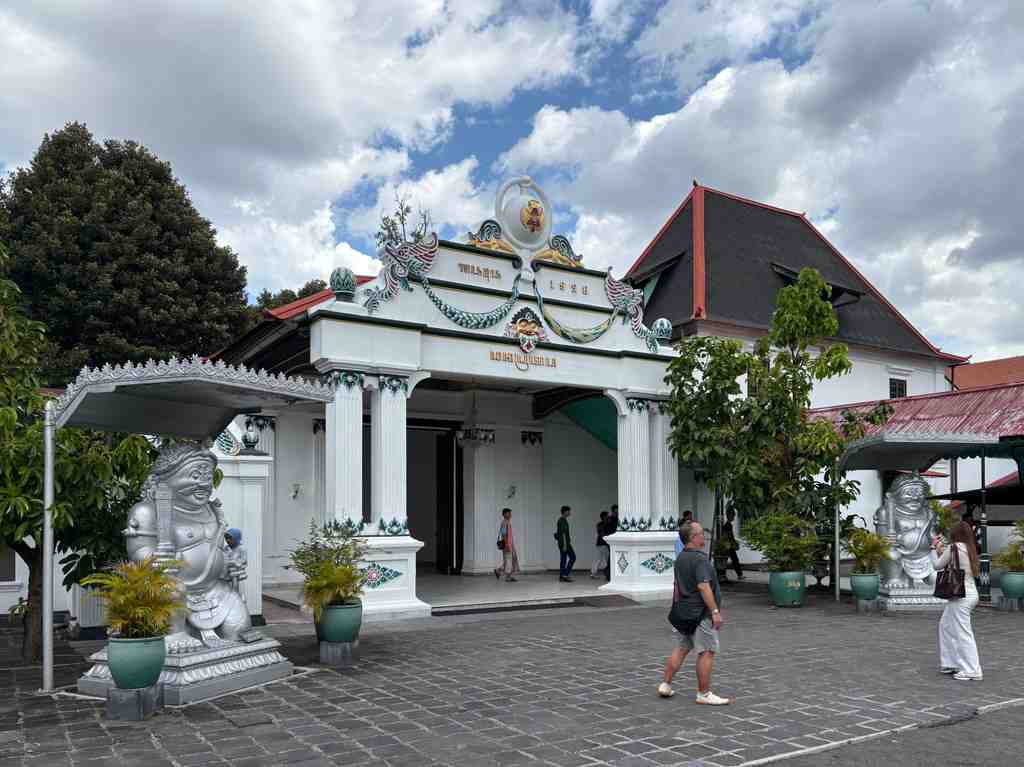
Built way back in 1755-1756 by Sultan Hamengkubuwono I, this place has seen it all. From the Treaty of Giyanti to battles with the British (who, by the way, left after realizing they were more suited to tea times than ruling a Sultanate), this palace is a testament to resilience and grandeur. Think of it as Yogyakarta's very own royal soap opera, with a few earthquakes and rebuilds thrown in just to keep things interesting. The Kraton isn’t just a place where the Sultan and his family live; it’s a living, breathing center of Javanese culture. It even has its very own museum showcasing royal artifacts that scream “regal flair.” You might even get inspired to redecorate your living room! You’ll notice the architecture is a harmonious blend of traditional Javanese styles with a sprinkle of Portuguese, Dutch, and Chinese influences. It's like a multicultural architectural potluck! The buildings are mostly Joglo-style, which means they have trapezoidal roofs supported by central pillars, often in dark green or black adorned with gold highlights. A fashion statement that Madonna would be jealous of. The main courtyard is covered with sand from the south coast-talk about bringing the beach vibes home! And those sturdy walls? They're not just for show. They incorporate the Semar Tinandu style and even have insulating walls (Renteng or Baturono) with unique traditional ornaments. Don't miss out on the pillars and wooden elements, which are basically the palace's way of flaunting its royal bling. They match in color and are usually decked out with motifs of flora, fauna, or natural elements. And if you think the exterior is something, wait till you see the interior tiles or marble floors-it's like walking on a piece of art. Interestingly, the road leading up to the palace is lined with Tamarind and Spanish cherry trees, making it a grand entrance fit for a Sultan! Fun fact, Tugu Yogyakarta, which we saw earlier, symbolizes the unity between the Sultan and the people. It's like a big royal hug that brings everyone together. So, take it all in, and remember, you're not just visiting a palace; you're stepping into centuries of history, culture, and a bit of royal extravagance. Enjoy your royal stroll!
打开独立页面 →Imagine this: over 200 years ago, you'd find a complex of four main areas. One part had a large artificial lake with islands and pavilions in the west, another had a bathing…阅读更多收起
Imagine this: over 200 years ago, you'd find a complex of four main areas. One part had a large artificial lake with islands and pavilions in the west, another had a bathing complex in the center, a set of pavilions and pools in the south, and a smaller lake in the east. Today, only the central bathing complex remains preserved. The rest has been taken over by the Kampung Taman settlement. Here's a fun fact: the name Taman Sari comes from Javanese words meaning 'beautiful garden'. And yes, it was as pretty as it sounds-filled with vibrant flowers and lush greenery. The Dutch even called it a "water castle" because, by shutting the water gates, the gardens could become immersed, transforming the area into a magnificent aquatic fortress. The construction began during the reign of Sultan Hamengkubuwono I and saw its completion under Sultan Hamengkubuwono II. The place was masterfully designed with European influences-thanks to Tumenggung Mangundipura's trips to Batavia (modern-day Jakarta) to study European architecture. The British invasion in 1812 caused significant damage to the structure, but don't let that dampen your spirits! The remaining buildings still reflect the beauty and grandeur of a time when the Sultan would come here to relax and meditate after a hectic war-filled life. You can almost imagine Sultan Hamengkubuwono I saying, "I need a break," and thus Taman Sari was born-a royal retreat for relaxation, with a dash of defense and a sprinkle of meditation. The relaxing pools, which once were maintained with intricate hydraulic works, are a beautiful reminder of the past. So, take a breath, imagine the splendor of bygone eras, and maybe splash a bit of imaginary water as you walk around. And remember, it's not just a water castle-it's a testament to royal ingenuity and a place where history floats beautifully! Yearning to grasp further insights on the etymology, buildings or the around taman sari? Dive into the chat section below and ask away.
打开独立页面 →


评论
常见问题
如何开始导览?
购买后,下载 AudaTours 应用并输入您的兑换码。导览将准备好立即开始--只需点击播放并按照 GPS 引导的路线行驶即可。
导览期间我需要互联网吗?
不需要!开始前下载导览并完全离线享受。只有聊天功能需要互联网。我们建议在 WiFi 下下载以节省移动数据。
这是导游带领的团体游吗?
不是--这是自助语音导览。您按照自己的节奏独立探索,通过手机播放音频解说。没有导游,没有团体,没有时间表。
导览需要多长时间?
大多数导览需要 60-90 分钟才能完成,但您完全控制节奏。随时暂停、跳过站点或休息。
如果我今天无法完成导览怎么办?
没问题!导览具有终身访问权限。随时暂停和恢复--明天、下周或明年。您的进度已保存。
有哪些语言可用?
所有导览均提供 50 多种语言版本。在兑换代码时选择您的首选语言。注意:导览生成后无法更改语言。
购买后我在哪里访问导览?
从 App Store 或 Google Play 下载免费的 AudaTours 应用。输入您的兑换码(通过电子邮件发送),导览将出现在您的资料库中,准备下载并开始。
如果您不喜欢该导览,我们将退款。请联系我们 [email protected]
安全结账使用 


