
50+种语言

 奥尔登堡 · 德国
 奥尔登堡 语音导览
通过自助语音徒步导览发现 奥尔登堡
headphones
4 导览
pin_drop
20 地标
translate
热门地标
人人都知道的 奥尔登堡。
每本旅游手册都写的地标——以及那些手册没告诉你的故事。
关于 奥尔登堡 的几句话
A market town that has been growing steadily since 1108.
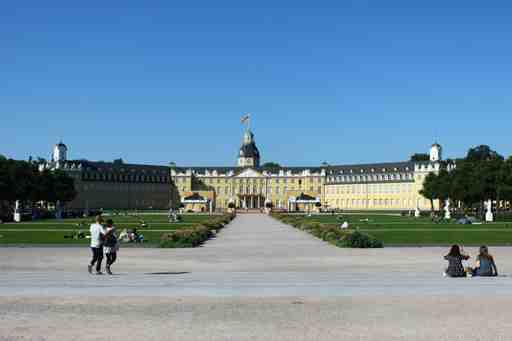
Oldenburg was first documented in 1108, when Count Elimar I held a ford on the Hunte River and the settlement that grew around it took his name. The counts of Oldenburg became kings of Denmark, then Norway, then Sweden, then Greece, across various dynastic complications over six centuries. The town itself, meanwhile, grew into a compact capital of a small state and accumulated the civic buildings that role requires: the Schloss, now a regional museum with a particularly good art collection, and the Staatstheater on Theaterwall, operating since 1833.
The Kramermarkt, the city's annual autumn fair, dates to the seventeenth century and runs for ten days in October.
The Schlossgarten, the formal garden behind the palace, is open year-round and is used by locals with a frequency that suggests they think of it as their own garden, which in some sense it is. St Lamberti Church, its tower visible from across the low flat country that surrounds Oldenburg, is the seat of the regional Lutheran church. The surrounding landscape is dairy country: eighty percent grassland, flat, and producing milk that goes into the northern German butter and cheese supply.
奥尔登堡
奥尔登堡 FAQ
Before you walk.
每条 奥尔登堡 导览,用你的语言听。
50+ 种语言,每次预订全部含括。
🇬🇧 English🇫🇷 Français🇪🇸 Español🇩🇪 Deutsch🇮🇹 Italiano🇯🇵 日本語🇨🇳 中文🇰🇷 한국어+ 41 种更多
star AudaTours Unlimited
不止游一座城市? 订阅吧。
解锁所有 奥尔登堡 导览——以及全球数千条更多。随时取消。
$4.99/周 · 随时取消



深受全球旅行者喜爱数千次旅途已出发。
数千次旅途已出发。
好评如潮。
App Store 与 Google Play 综合评分 4.8。这是我们反复回味的几条好评。


download 下载应用 戴上耳机。


戴上耳机。
走出去。
免费下载。每座城市都有导览。60 秒即可开始——无需账号,无需绑卡。

headphones
约 4 分钟 到第一条导览开始
public
1,000+ 全球城市
all_inclusive
AudaTours
Unlimited
每个导览。每座城市。 一份订阅。
3096 导览2272 城市138 国家50+ 种语言
$39 /年
all_inclusive 无限探索