
50+种语言

 杜伊斯堡 · 德国
 杜伊斯堡 语音导览
通过自助语音徒步导览发现 杜伊斯堡
headphones
2 导览
pin_drop
20 地标
translate
热门地标
人人都知道的 杜伊斯堡。
每本旅游手册都写的地标——以及那些手册没告诉你的故事。
关于 杜伊斯堡 的几句话
Where the Rhine meets the Ruhr and the world's freight passes through.
Duisburg was first documented in 883 as Diusburh, a Frankish settlement at the confluence of the Rhine and the Ruhr rivers. It briefly joined the Hanseatic League, then lost its trading prominence when the Rhine shifted course westward around the year 1000, moving away from the town and leaving it temporarily marginal. Industrialisation brought it back with force: by 1904 the population reached 100,000, and by the mid-20th century Duisburg was one of the most intensely industrial cities in Germany, which is saying something for a country that built much of its identity on precisely that.
On July 25, 2019, Duisburg recorded 41.
2 degrees Celsius, the highest temperature ever measured in Germany. This is an unlikely distinction for a city more associated with steel and shipping than with heat. The port today is the largest inland port in Europe, handling 40 million tonnes of goods annually, and since 2011 it has been the western terminus for the New Silk Road freight rail from China. The containers moving through Duisburg's port connect it directly to Chongqing, Wuhan, Chengdu, and a dozen other Chinese cities in ways that the medieval Rhine traders might have found incomprehensible.
杜伊斯堡
杜伊斯堡 FAQ
Before you walk.
每条 杜伊斯堡 导览,用你的语言听。
50+ 种语言,每次预订全部含括。
🇬🇧 English🇫🇷 Français🇪🇸 Español🇩🇪 Deutsch🇮🇹 Italiano🇯🇵 日本語🇨🇳 中文🇰🇷 한국어+ 41 种更多
star AudaTours Unlimited
不止游一座城市? 订阅吧。
解锁所有 杜伊斯堡 导览——以及全球数千条更多。随时取消。
$4.99/周 · 随时取消




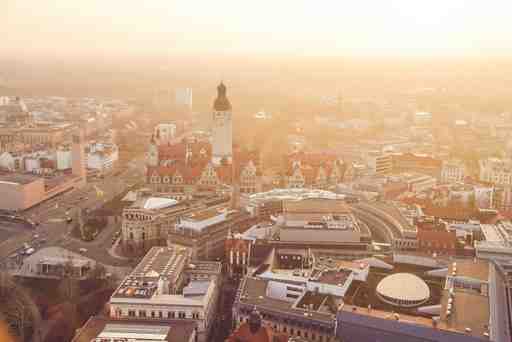
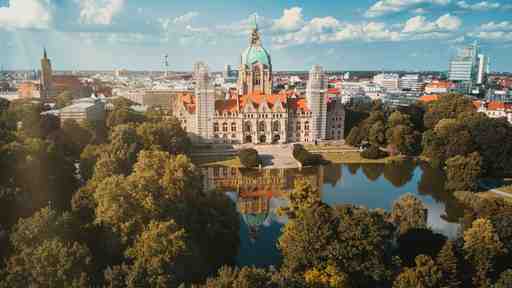
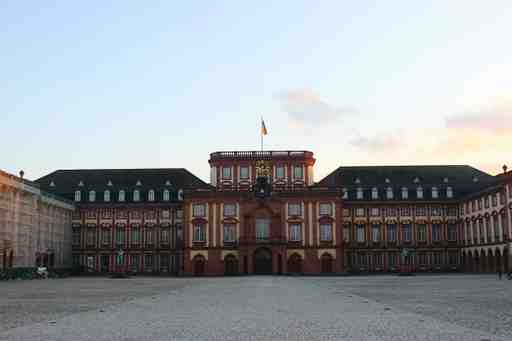
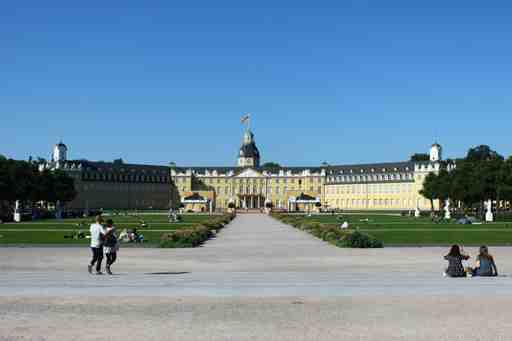
深受全球旅行者喜爱数千次旅途已出发。
数千次旅途已出发。
好评如潮。
App Store 与 Google Play 综合评分 4.8。这是我们反复回味的几条好评。


download 下载应用 戴上耳机。


戴上耳机。
走出去。
免费下载。每座城市都有导览。60 秒即可开始——无需账号,无需绑卡。

headphones
约 4 分钟 到第一条导览开始
public
1,000+ 全球城市
all_inclusive
AudaTours
Unlimited
每个导览。每座城市。 一份订阅。
3096 导览2272 城市138 国家50+ 种语言
$39 /年
all_inclusive 无限探索