AudaTours logoAudaTours

纽卡斯尔语音导览:纽卡斯尔西区的城市脉搏

语音指南13 景点

红砖的秘密和板球的呐喊声回荡在纽卡斯尔西区——一个幸存者的城市,每一步都伴随着胜利与失落。这些熙熙攘攘的街道远不止表面所见。踏上自助语音导览,揭开现代纽卡斯尔的面纱,展现家族叛乱、昔日辉煌和日常的顽强抵抗。 地震之夜,波特小姐的房子里发生了什么,整个社区都屏住了呼吸?为什么数百名球迷不顾官方警告,在一个暴风雨的夜晚秘密聚集在纽卡斯尔一号体育场?又是谁将一封神秘的黄信塞进了面包店的门下,永远改变了一家生意? 让每一个街区都将你更深地带入那些关于默默坚韧、戏剧性比赛、窃窃私语的丑闻和逝去欢乐的故事中——数十年的变迁在你脚下交织。将纽卡斯尔西区视为活生生的记忆,而非一个简单的十字路口。 准备好发现别人错过的东西了吗?现在就开始你的旅程吧——这座城市正等着给你惊喜。

导览预览

map

关于此导览

  • schedule
    持续时间 40–60 mins按照自己的节奏
  • straighten
    5.2 公里步行路线跟随引导路径
  • location_on
  • wifi_off
    离线工作一次下载,随处使用
  • all_inclusive
    终身访问随时重播,永久有效
  • location_on
    从 波特小姐的房子 开始

此导览的景点

  1. If you’re looking for Miss Porter’s House, keep your eyes peeled for a striking red-brick, two-storey Edwardian terrace with yellow trim, a cast-iron balustrade on the upper…阅读更多收起

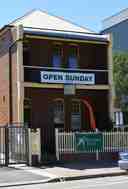
    If you’re looking for Miss Porter’s House, keep your eyes peeled for a striking red-brick, two-storey Edwardian terrace with yellow trim, a cast-iron balustrade on the upper balcony, and a banner that reads “OPEN SUNDAY,” right beside the pale picket fence along busy King Street. Take a step closer and let’s slip back in time-don’t mind the traffic, imagine horse-drawn carts rumbling past instead. Here, in 1909, a proud new house rose up in a noisy, industrial part of Newcastle, standing out like a handwritten letter in a sea of emails. Built by John T. Owen for the Porter family, this very home has watched Newcastle’s hustle and bustle change for more than a century. Back in the 1860s, James Porter, just seventeen, sailed from England and began a new life on the estuary islands of the Hunter River. He built up his business as a storekeeper and carrier, his lively shop just around the corner, and dreamed of a proper home for his children. In 1907, James bought this plot from the Australian Agricultural Company, right next to his shop and opposite the roaring Gas Company’s works. By 1909, the house was up, furnished by his son Herbert and his new bride, Florence, who dove into settling their own family. This elegant home was a unique sight in a neighborhood filled with gasworks, produce markets, and the hardworking families of Chinese market gardeners. What the Porters built wasn’t just a house-it was a small fortress of comfort in a place ruled by industry and commerce. Over the years, as businesses sprouted and faded, this house clung to its identity. If bricks could talk, they’d have plenty of stories to tell. But fate had a few curveballs for the Porters. In 1919, tragedy struck twice: Herbert, only 41, was taken by the influenza epidemic, and his mother Eliza soon after. The house became the women’s world. Florence, left with daughters Ella and little Hazel, weathered hard years, quietly managing with help from a small inheritance and clever hands. You might picture the Porters sipping tea by the fireplace or reading by lamplight, the house filled with laughter and, later, the hush of resilience. Both sisters, Ella and Hazel, chose never to marry, living out their days here and keeping the treasures of family life tucked away, like time capsules in every drawer. Imagine entering the front hallway, where a sitting room opens off to the right, velvet lounge gleaming in the sun-a 1939 treasure-while the stenciled timber ceiling hovers above. The dining room still holds Herbert’s dining table, where special meals and ordinary days met. Upstairs, bedrooms waited for quiet dreams. In the backyard, you’d find a “bush house,” a rustic retreat built in the first years of the home and refreshed decades later by the sisters, offering shade and a cool breeze against Newcastle’s heat. But it wasn’t all easy living. Many buildings around here crumbled, fell to ruin, or became home to fast-changing businesses-tattoo parlors one year, brothels the next, even a super-sized Kentucky Fried Chicken where the old Palais Royale used to stand. Through two world wars, the Depression, and even a devastating earthquake in 1989, Miss Porter’s House endured. That earthquake left cracks filleting the walls, the balcony roof collapsed, dust billowed everywhere-ninety years of industrial soot suddenly painting everything gray. Some said, “Tear it down!” But Ella and Hazel? They fought tooth and nail, writing to the insurance company and town clerk, determined that their memories-and this house-would survive. After repairs, they even celebrated with some modern luxuries: an indoor toilet at last, and a new rainwater tank gifted by friendly neighbors. Since Hazel’s passing in 1997, the house and everything in it-from invoices and dazzling art deco lamps to the smallest kitchen gadget-has been lovingly preserved by the National Trust as a rare, living museum. So, as you stand outside, picture this house as a survivor and a storyteller, holding the lived-in history of Newcastle’s modest, proud families. You’re not just looking at a building-you’re brushing up against 90 years of everyday life, courage, and a little dash of quiet rebellion!

    打开独立页面 →
  2. Picture yourself standing here in the early 1980s. The ground had just begun to carve its name in cricket history-first hosting First-class cricket in 1981 when New South Wales…阅读更多收起

    Picture yourself standing here in the early 1980s. The ground had just begun to carve its name in cricket history-first hosting First-class cricket in 1981 when New South Wales faced Queensland. Since then, it became a favourite pitstop for all sorts of visiting teams, from hardened Sheffield Shield stars to the Northern New South Wales locals, each hoping to give their best on this wide, sunlit oval. Close your eyes and you might just hear the satisfying smack of willow hitting leather, as the crowd holds its collective breath. But it wasn't only cricketers that left their mark. You could often find local legends from Newcastle District Cricket Association battling it out for premiership glory-especially each March, as their grand final drama unfolded. Who can forget the 2009 showdown? Belmont DCC triumphed over Toronto Workers Kookaburras in a match that surely sent a few Kookaburras flying! And time never stands still here. In September 2020, a multi-million-dollar upgrade started turning this classic ground into a modern marvel: new concrete seating now stretches along Parry Street, inviting twice as many fans as before, new lighting brightens every shadowy corner, and the field itself was expanded-just in case you fancied a pre-season AFL clash! If you feel a mysterious draft, don’t worry-it's just the ghost of a soccer ball from 1938, when Australia took on India in a match that ended 4-1 for the visitors. Newcastle Number 1 Sports Ground is a true sporting chameleon-host to cricket, Aussie rules, rugby league, even pre-season AFL and local grand finals. And that’s not all. At night, the music takes over. From 2018, concerts linked to the wild Supercars Championship Newcastle 500 have transformed the field. Once, the great Simple Minds played right here, but sadly, when Kiss was scheduled to rock the ground in 2019, they cancelled-leaving the air thick with anticipation and maybe a little bit of glitter. And hey, Newcastle Number 1 is still writing its story-who knows, maybe an AFL Women’s fixture is just around the corner, or perhaps you’ll be the one to cheer in the next record-breaking crowd? Until then, give the field a little nod for all the games, concerts, and memories it holds. Onward to our next stop-let’s keep the adventure rolling! Intrigued by the cricket, other uses or the concerts? Explore further by joining me in the chat section below.

    打开独立页面 →
  3. Look ahead for a charming red-brick building with arched windows and a corner entrance-just behind the sidewalk, there’s a picket fence and a scattering of locals and even a…阅读更多收起

    Look ahead for a charming red-brick building with arched windows and a corner entrance-just behind the sidewalk, there’s a picket fence and a scattering of locals and even a horse-drawn carriage in this vintage scene! Welcome to Newcastle West-where the city’s heart beats with the hum of commerce and a dash of history around every corner. Imagine yourself here more than a hundred years ago; the streets would’ve looked much like in that photograph, with the lively clatter of wagons, folks sharing stories by that grand brick post and telegraph office, and the faint aroma of nearby bakeries wafting through the air. Newcastle West is where Newcastle’s business really gets down to business! These streets have seen shopkeepers dodging the rain, kids darting to school, and the odd horse more interested in the bakery than its job. Speaking of school, just a stone’s throw away, Newcastle High bustles with the energy of a thousand students-try not to get caught up in a lunchtime dodgeball match! If you’ve got a keen eye, you’ll spot some heritage treasures like Castlemaine Brewery and Miss Porter’s House, both proud reminders that not everything in Newcastle West changes with the latest phone update. Today, the suburb still buzzes with shops, offices, old stories, and new faces-though thankfully, there are far fewer horse “surprises” on the road! So as you stand here, take in the blend of history and hustle that keeps Newcastle West at the alive, busy edge of the city.

    打开独立页面 →
再显示 10 个站点显示更少站点expand_moreexpand_less
  1. Alright, you’ve made it to the legendary Newcastle Number 2 Sports Ground-also lovingly called “No.2 Sportsground.” Don’t let the ‘number 2’ in the name fool you-it’s definitely a…阅读更多收起

    Alright, you’ve made it to the legendary Newcastle Number 2 Sports Ground-also lovingly called “No.2 Sportsground.” Don’t let the ‘number 2’ in the name fool you-it’s definitely a star in its own right! Standing here, you’re basically at the heartbeat of Newcastle’s sporting excitement. Can you hear those cheers echoing across the stands, or is that just me getting pumped up by the energy of the place? Right next door to the famous Number 1 Sports Ground, this stadium may be its neighbor, but it has built its own mighty reputation. No.2 had a dramatic makeover starting in February 2011. Imagine a team of workers, diggers, and planners buzzing around, determined to give Newcastle a sports ground worth celebrating. The grand reopening came in September 2012-fresh facilities, undercover seating for pretty much everyone (well, up to 5,000 souls), high-quality player lounges, bright stadium lighting, and let’s not forget a car park that could fit 284 cars. That’s enough room for players, coaches, fans, and probably a few lost tourists! Nowadays, if you happen to bump into a cheering crowd, it’s probably for the Newcastle Jets Women’s team or rugby action with the Hunter Wildfires or the Wanderers Rugby Club. And when the Newcastle Jets Women take to the field, you can almost feel the adrenaline pulsing in the air! Their partnership with the local council got a boost in 2017-a $20,000 sponsorship deal that helped secure this ground as one of their home bases. Let’s just say, “home sweet home” never sounded so sporty. Want a fun stat? The record attendance was nearly a full house-3,842 crazy fans yelling during a Newcastle Jets vs. Sydney FC women’s match in December 2023. But here’s the kicker-with all the energy and roars, there was once a game with just 437 quiet fans. I’d call that “an exclusive viewing experience”-or maybe just a chance to stretch out and claim three seats. So, take a good look around. Imagine packed stands, the aroma of stadium snacks in the air, floodlights beaming down on determined players, and the joy of sporting history being made right here. Whether it’s rugby scrums or football goals, this ground is always ready for another great moment.

    打开独立页面 →
  2. To spot Newcastle High School, keep an eye out for a bold blue and red shield logo marked with big white “N.H.S.” letters near the entrance-just look straight ahead for that…阅读更多收起

    To spot Newcastle High School, keep an eye out for a bold blue and red shield logo marked with big white “N.H.S.” letters near the entrance-just look straight ahead for that classic school crest. Welcome to Newcastle High School, where the stories in these walls have more twists than a schoolyard mystery novel! Just imagine the fresh excitement in the air back in 1929 when the original Newcastle Girls’ High School opened its doors on this very spot. There’s a sense of pride that comes with standing here, where generations of students have started and finished their high school journeys. If the bell rings now, it’s probably calling another thousand students into their day-and what a lively bunch they are, coming from so many different backgrounds. You might picture the classrooms buzzing with ideas, laughter around the oval, and the friendly chaos of teenagers planning their next big concert or cricket match. But Newcastle High hasn’t always looked like this. Imagine, decades ago, elegant girls’ schools stood here-Hunter Girls’ and Newcastle Girls’. Back then, the corridors echoed with the sound of stiff school uniforms swishing and the quiet determination of students set to make history. In 1976, Newcastle High became co-ed, opening itself up to boys as well, thanks to a community that believed learning was better together, not apart. These desks and hallways have seen future stars brushing eraser dust from their homework-like Ben Gillies and Chris Joannou of Silverchair, maybe tapping out a future song on their desks when the teacher wasn’t looking. Or Miranda Otto daydreaming about her next big role. In the sports fields, you might have heard the energetic cheers for cricket captain Belinda Clark or seen Archie Goodwin weaving through defenders on the soccer pitch. School life here isn’t without its challenges, but Newcastle High is home to one of the largest Special Education Units in the region, making it a place where everyone truly belongs. Picture the principal, Janene Rosser, ducking out of her office with a smile, still keeping this busy hive buzzing. And just imagine the collective sigh of relief when the last bell rings and everyone pours out, their stories drifting into the Newcastle breeze. So, next time you walk past that proud NHS emblem, remember: this isn’t just a school-it’s a launchpad for dreams, a training ground for stars, and a treasure chest of memories, all right here in the heart of Newcastle West.

    打开独立页面 →
  3. In front of you, rising above the shoreline, you’ll spot a striking hilly skyline dotted with tall Norfolk Island pines, lively waterside parks, and a mix of modern buildings and…阅读更多收起

    In front of you, rising above the shoreline, you’ll spot a striking hilly skyline dotted with tall Norfolk Island pines, lively waterside parks, and a mix of modern buildings and older landmarks like the grand, red-hued cathedral perched at the top-just look up from the water’s edge, and that cathedral’s dramatic silhouette is hard to miss! Welcome to Newcastle-though the locals proudly call it “Newy!” Standing here, you’re perched at the edge of a city that’s got more layers than a delicious lamington. Imagine this: the salty breeze blowing in from the Pacific, a bustling port, and the hum of modern life. But right beneath your feet lies a land shaped by ancient footsteps and wild adventures. The Awabakal and Worimi people called this area Mulubinba, and their stories echo across the rivers and hills-just think, the small hum of today’s city was once joined by the songs of the first people here. Early days were wild. In the late 1700s, British fishermen stumbled in here, escaping a storm. Their reward? Piles of coal just lying on the beach-so much black treasure, anyone could pick it up for free. But trouble brewed faster than a teapot on the boil. There were run-ins with the Aboriginal locals and, of course, some very bad behaviour from those storm-tossed fishermen. Soon after, Lieutenant John Shortland was sent here, hunting down escaped convicts. Instead, he found the mighty Hunter River-well, after crashing straight into it by accident! He named it after John Hunter, the governor, and quickly realised, “Hang on, there’s tons of coal here!” Newcastle’s destiny was sealed. Coal from these sandy banks became New South Wales’ very first export, and the city’s port eventually claimed the title of the world’s largest coal exporting harbour. Ah, coal: the black gold that’s powered the place (and probably made a few white laundry days go black, too). But Newcastle, or “Coal River” as it was called for a time, didn’t start as a dreamy beach destination. Oh no. It was Newcastle by name, “hellhole” by reputation! The British sent their most unruly convicts here-think of it as the strictest school detention ever. Down in the pits, convicts dug coal and burned oyster shells for lime. The city’s early years were tough and gritty; Newcastle was a place where rules were strict, living was harsh, and the work was back-breaking-certainly not a luxury spa day. Then came a twist-when the convict era ended in the 1820s, suddenly the area opened up to free settlers. The tough-as-nails penal colony began swapping its hard hats for farming hats. Steamships soon puffed in and out of the port, delivering freedom and opportunity. Life started to shift; there were market gardens, new buildings, even cobbled streets. Picture a growing city where, instead of horse-drawn carriages, you might see hurried coal wagons or hear the shouts of stevedores at the docks. The city really hit its industrial stride with the arrival of railways, copper smelters, massive soap factories, and, in 1915, the mighty steelworks-making Newcastle famous as the “Steel City.” At its peak, those glowing furnaces employed 50,000 locals. But it wasn’t all smoke and grit: Newcastle’s music, theatre, and arts scenes began to thrive. Theatres like the grand Civic filled with laughter and drama, and the Victoria Theatre became the oldest one of its kind in Australia. Newcastle has seen storms and sunshine, both literally and metaphorically. During World War II, Japanese submarines shelled the city, but Newcastle dusted off the debris and just kept going. Its natural beauty-rolling hills, stretches of sand dunes, and the picturesque King Edward Park-helped shape its culture. Today, Novocastrians are known for being welcoming, creative, and just a little cheeky. You’ll find food festivals, jazz parties, and some of the best surf on the east coast. So as you stand here, picture the mighty coal ships moving in and out, the steeples of old churches rising over the water, and a patchwork of history beneath your feet. From convicts and coal to packed theatres and a world-class university, Newcastle is a city with a wild past and an exciting future. And you, my friend, are now part of its colourful story! Curious about the geography, demographics or the economy? Don't hesitate to reach out in the chat section for additional details.

    打开独立页面 →
  4. To spot ABC Newcastle, look for a bold, bright red circle with the words “ABC NEWCASTLE” in the center-the logo might be displayed on banners, windows, or signage right ahead of…阅读更多收起

    To spot ABC Newcastle, look for a bold, bright red circle with the words “ABC NEWCASTLE” in the center-the logo might be displayed on banners, windows, or signage right ahead of you. Now, get ready for a little time travel-no DeLorean necessary! Picture this: it’s December 19, 1930, and people in Newcastle are huddled close to their radios, twisting dials and straining to catch the very first broadcast from 2NC, the earliest regional radio station in all of Australia. The air is fizzing with excitement-and maybe a touch of static-as the sound of the Newcastle Symphony Orchestra fills the room, galloping through the William Tell Overture. What a moment! Even the Prime Minister (well, acting one, anyway) James Fenton joined the celebration, giving a speech that crackled out over the airwaves, his voice echoing through thousands of kitchens and lounges all over Newcastle... and surprisingly, all the way to New Zealand! Imagine the surprise of a Kiwi or two humming along to music from distant Australia while making their breakfast. Back then, studio staff squeezed into a little building behind the Old Strand Theatre on Market Street. At first, Newcastle folks only got one hour of local news and music a week-try to imagine only getting one hour of your favorite radio a week now! But what an hour it was: news, market reports, church services, and fabulous local bands like the Newcastle Steel Works Band and the Newcastle Revellers. If you listen close enough, maybe you can still hear the echoes of those original broadcasts floating on the breeze. Today, ABC Newcastle still keeps the city buzzing with news, stories, and wild sports moments-from the cheers of Knights rugby to the roars of the Jets' faithful fans. All that from a little station that just wanted Newcastle’s voice to soar. So, standing here, you’re right where history talks, laughs, and plays its favorite tunes.

    打开独立页面 →
  5. To spot the Castlemaine Brewery, look for a tall, pale brick tower with arched windows, and a bold entrance right in front of you along Hunter Street-just under the canopy, you…阅读更多收起

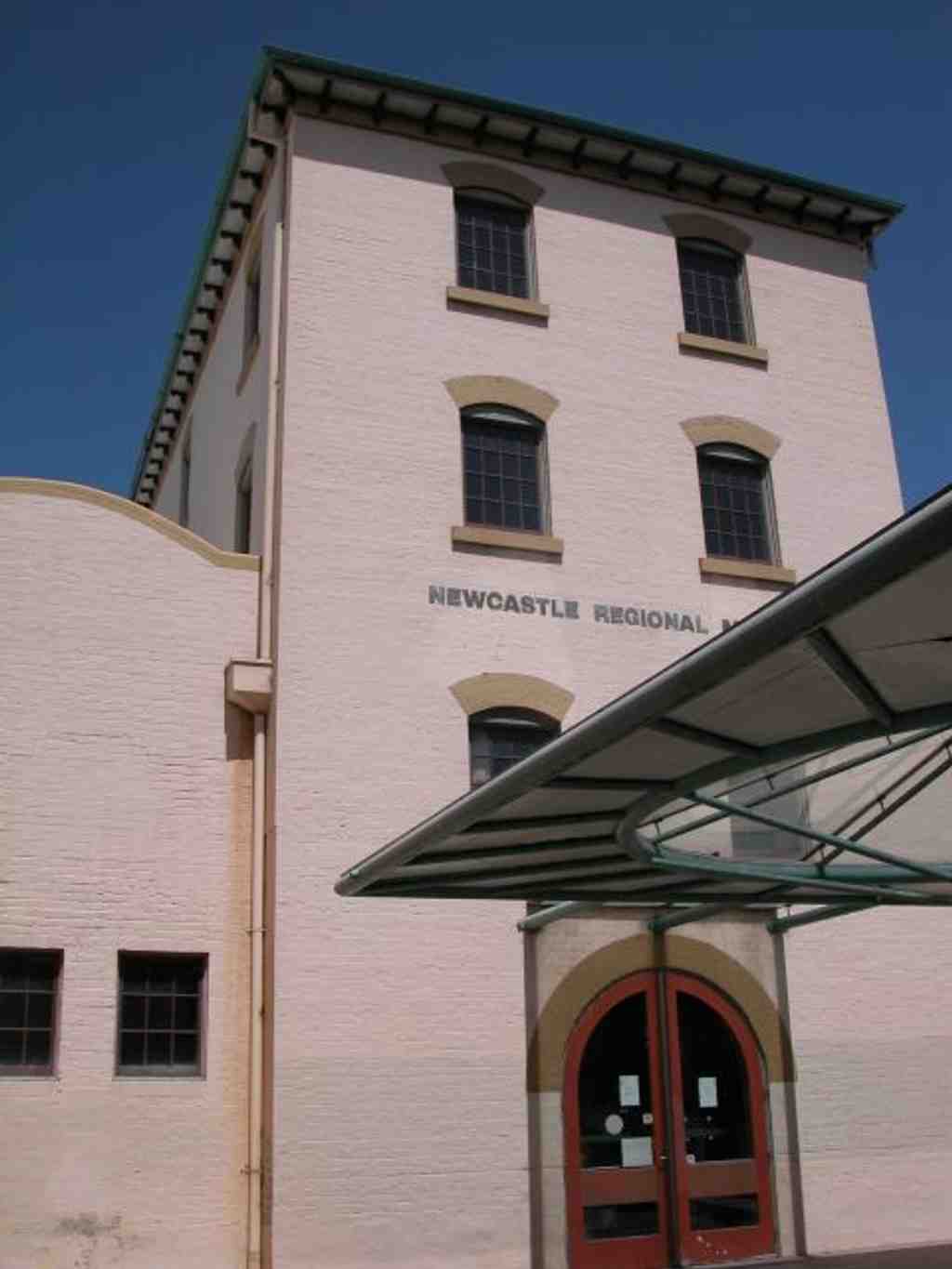
    To spot the Castlemaine Brewery, look for a tall, pale brick tower with arched windows, and a bold entrance right in front of you along Hunter Street-just under the canopy, you can’t miss its sturdy industrial vibe. Here you are, standing in front of one of Newcastle’s proudest survivors of the industrial age! If these old brick walls could talk, they might roar with the merry clatter of barrels and the aroma of fresh hops that filled this place for over half a century. Imagine it’s the late 1800s: horse-drawn carts rumble over cobblestone streets, and the air here is buzzing with news of a brand new brewery rising from the ashes of a devastating fire in 1874. The Wood family had just rebuilt, determined to bring their beloved Castlemaine Ale to Newcastle drinkers, right here on Hunter Street. Now, picture the site back then-a four-storey tower crowned by a ventilating lantern and flanked by sturdy brick wings. Workers in rolled-up sleeves pulled levers, stirred malt, and filled barrels, while up on the higher floors, glass windows gleamed and the smell of yeast floated out over the growing city. When the brewery threw open its doors in 1876, its ale was celebrated as among the finest in all of Australia, crafted with revolutionary new methods and-believe it or not-a well that supplied the purest water right from beneath your feet. Let’s jump to 1878: the brewery’s doing gangbusters business, so they crank up production. The whole site swells with new wings, towering vats, and fresh cellars, until Castlemaine is called one of the grandest breweries in the country. Of course, nothing stirs up rivalry like a good pint, so by the 1890s Newcastle’s brewing scene is ferociously competitive. Castlemaine even buys a rival brewery down the road-imagine all those secret recipes suddenly under one roof, while locals argue at the bar about which brew truly reigns supreme! But every good story has its battles, and Castlemaine wasn’t immune to hard times. The economic depression of the 1890s hit hard, slashing dividends, and drought pinched production, while a pesky bacterial infection in the beer forced a nerve-wracking four-month shutdown. Workers raced to repair, modernize, and outsmart the bacteria-can you picture the scene, frantic engineers clanging pipes and shouting orders, barrels rolling every which way? Still, Castlemaine prevailed, with dazzling new equipment and enough ale to keep the colony (mostly) satisfied. By the early 20th century, change was accelerating. The company embraced the latest brewing science-huge shiny boilers were wheeled in, new bottling houses sprouted along the street, and for a brief glorious moment, business boomed. They bottled so much ale, a new department was built just to keep up, its façade crowned with elegant arches and a bullseye window that nodded to the stylish Federation architecture of the day. Yet, big city rivals like Tooth & Co and Tooheys started creeping in, and as Newcastle’s locals developed a suspicious fondness for Sydney beers, Castlemaine’s fortunes waned. The Great Depression finally closed the doors in 1931, silencing the clang of bottles and laughter of thirsty workers. Over 50 men lost their jobs, and Newcastle went eerily quiet-imagine the sudden emptiness of these sprawling halls. But Newcastle folk are nothing if not resilient. The site found new life: first as a distribution depot, then, in true quirky Australian style, the legendary Pink Elephant Markets-yes, you could buy just about anything, probably even an elephant (well, a pink one anyway). Later, this became home to the Newcastle Museum, preserving stories just like this one, until the twenty-first century when the brickwork was lovingly restored and transformed into stylish serviced apartments. As you stand here, you’re both inside history and witnessing its living echoes. If you listen closely, you might almost hear the ghostly clink of glasses and the hum of old machinery. This isn’t just a building-it’s Newcastle’s industrial spirit, steadfastly weathering the wild swings of fortune. So next time you see a frothy pint, raise your glass to the Wood brothers, to fiery setbacks, roaring revivals, and the timeless aroma of ambition brewed fresh on Hunter Street.

    打开独立页面 →
  6. Let’s go back to the very beginning. Long before the sound of clanking train cars or sports fans filled the air, this land belonged to the Awabakal people, the true first…阅读更多收起

    Let’s go back to the very beginning. Long before the sound of clanking train cars or sports fans filled the air, this land belonged to the Awabakal people, the true first inhabitants who walked quietly beneath these same skies. Imagine the calls of birds overhead and the soft crunch of footsteps on unspoiled earth. Now, here comes a twist worthy of a comedy show-the name “Wickham” is actually the result of a bit of British bungling! It was meant to be “Whickham,” after a spot in Newcastle upon Tyne. Maybe the official who filled out the paperwork was in a hurry, or perhaps they just needed a better spellcheck. Either way, the name stuck, making Wickham a true original. In 1871, this little suburb officially earned its stripes and became a municipality, thanks to the relentless efforts of James Hannell, who took his duties so seriously that he became Wickham’s very first mayor. It’s said he was so persuasive, he could probably convince you to buy sand at the beach. Trains soon became the heartbeat of Wickham. The station once welcomed travelers from all over, with mighty locomotives chugging up from Sydney and beyond. But in 2014, Christmas brought more than presents-it saw the last trains roll out, making way for the sleek Newcastle Light Rail. Out of the old tracks rose the Newcastle Interchange in 2017; a new chapter for Wickham’s journey. And if you hear some cheering or the thud of cricket balls, don’t be surprised! Wickham is sports-mad, home to the HamWicks cricket team and rugby clubs like the Hamilton Hawks and Newcastle Griffins. On game days, excitement buzzes through the air just like the old days when James Hannell dreamed big. So whether you’re riding the rails or cheering from the sidelines, Wickham is a place where history, humor, and hard work all come together-so don’t forget to tip your hat to this misnamed marvel before heading to our next stop!

    打开独立页面 →
  7. Look ahead for a bold, red-and-orange building under a giant steel web canopy-with the large “T” transport sign right in front making it hard to miss! Welcome to Newcastle…阅读更多收起

    Look ahead for a bold, red-and-orange building under a giant steel web canopy-with the large “T” transport sign right in front making it hard to miss! Welcome to Newcastle Interchange, where all of Newcastle’s hustle, bustle, honks, and screeches meet under one very dramatic hat! Just imagine-before this futuristic web of steel and glass existed, Newcastle’s railway line actually ran much farther east. But back in 2014, everything changed. Picture the last train pulling away, its whistle echoing across empty tracks, as locals gathered to watch history roll out. Why close the tracks, you ask? Well, city planners wanted to give Newcastle’s heart a little energy boost! They shut the line east of Hamilton, making way for a light rail system and this sparkling new interchange. At first, this place was almost called the Wickham Transport Interchange, since you’re in the suburb of Wickham. (Newcastle Interchange does sound a bit flashier, don’t you think?) After some name debates-and even a legal challenge that delayed construction-the design was revealed in 2015, construction cranked up in 2016, and in October 2017, the doors swung open to the public. When the Newcastle Light Rail system launched in 2019, you could almost hear a sci-fi whoosh as the first sleek tram zipped toward the city centre. Standing here, you’re at the crossroads of Newcastle transport adventures! Trains glide in from Sydney, Gosford, Maitland, and even faraway Dungog, while buses and light rail weave in every few minutes. And now for a fun twist: did you know there’s a World War I honour roll on platform 1? It was saved from a demolished school after the 1989 earthquake and given a new home here-proof that even modern marvels have hearts full of history. The buses here don’t just stick to Newcastle, either. Imagine, you can hop on lines taking you to Charlestown, the airport, lemon-scented beaches, or even all the way to Taree. Every day, families, workers, and travelers crisscross through here, their footsteps mixing with the city’s pulse. A century-old rail tradition still lives in the energy of this spot, even as trams and buses hustle passengers into the future. So as you stand here surrounded by plants, bright panels, and the glow of city life, take a deep breath-this is Newcastle’s beating, bustling gateway. Catch a tram, a train, a laugh, or just a moment to people-watch. But don’t stand too long, or you might get swept away on the next grand journey.

    打开独立页面 →
  8. Look right ahead-welcome to stop eleven: Rhema FM Central Coast. You can practically hear the airwaves humming around us, can’t you? If you listen closely, you might just catch a…阅读更多收起

    Look right ahead-welcome to stop eleven: Rhema FM Central Coast. You can practically hear the airwaves humming around us, can’t you? If you listen closely, you might just catch a few invisible tunes dancing past your ears. This station, broadcasting on 94.9 FM, has been a friendly voice for locals here, spreading messages of hope, faith, and a bit of toe-tapping Christian music across the Central Coast. Imagine this: it’s early morning, the sun just peeking through the clouds, and somewhere in the area, someone is waking up, making their tea, and tuning the radio to Rhema. The studio buzzes into action-even before the first cup of coffee is finished! The hosts here aren’t just reading the news; they’re sharing stories, uplifting people, and sometimes making dad jokes that could make your eyebrows raise higher than a church steeple. It’s more than just tunes and talk. Rhema connects families feeling a bit alone, offers comfort when the day seems gray, and every so often, you’ll hear a story that makes you chuckle or even brings a tear to your eye. Standing here, outside the station, you might not see much drama-no confetti cannons or wild crowds-but inside, every microphone holds tiny miracles just waiting to be heard. So give a little wave-who knows, the DJ might wave back! Ready for our next adventure?

    打开独立页面 →
  9. If Hamilton East had a soundtrack, it would be laughter at a barbecue, magpies chattering, and on Sunday mornings, perhaps the distant peal of church bells carried on the breeze-a…阅读更多收起

    If Hamilton East had a soundtrack, it would be laughter at a barbecue, magpies chattering, and on Sunday mornings, perhaps the distant peal of church bells carried on the breeze-a nod to the area’s mix of beliefs, with Catholics, Anglicans, and a healthy chunk marking “No Religion.” Mystery lovers, take note: this suburb may seem quiet, but imagine the stories these walls could tell-secret crushes at the corner store, neighborhood rivalries settled during footy matches, and the eternal debate of who makes the best sausage roll. So take a deep breath, enjoy the small-town charm in the heart of the city, and keep your eyes peeled-Hamilton East may just surprise you.

    打开独立页面 →
  10. To spot the Sacred Heart Cathedral, just look for the grand red-brick church with a tall square bell tower and a towering palm tree swaying right out front-it's quite hard to…阅读更多收起

    To spot the Sacred Heart Cathedral, just look for the grand red-brick church with a tall square bell tower and a towering palm tree swaying right out front-it's quite hard to miss! Now, as you stand at the gates, imagine you’re about to step into a chapter straight from history. Picture this: it's 1928, and the world’s knee-deep in the Great Depression. Things weren’t just tough-they were “asking your neighbor if you can borrow a hammer, a cup of sugar, and possibly a spare miracle” tough. But that didn’t stop the fiery parish priest, Monsignor Victor Francis Peters. With stubborn hope tucked under his hat and a heart full of memories from Ireland, the United States, and even Pisa, he dreamed up a church for Hamilton inspired by grand cathedrals across the world. But oh boy, paying for a cathedral in those days? Well, you’d need a financial plan tighter than grandma’s knitting! So, the community rolled up their sleeves and got creative. Folks dug the foundations with their own hands. And every time you walk by and see the bricks-there are 700,000 of them, so don’t bother counting-remember that locals donated them at two pence a pop. Imagine tossing coins into a jar, one by one, until you could build a monument this size! Some parishioners even gave ten pounds, which would have bought you a mountain of bricks and maybe a pat on the back from the Monsignor himself. The foundation stone went down in September 1928, and by December 1929, after a flurry of hard work, sweat, and probably more than one or two cups of tea, the last brick was in place. They opened the doors as the Church of the Sacred Heart in 1930, and it became a beacon right through the decades. But then, a twist-nature’s own plotline! The 1989 Newcastle earthquake shook the city to its bones, damaging the tall bell tower and toppling the original concrete dome. The bell tower’s had a bit of a makeover since-its dome is copper now, and the old concrete cap lives on nearby as a quiet memorial to those lost in the quake. When another local cathedral was severely damaged in the quake, the winds of change blew Sacred Heart into the spotlight. In 1995, the Pope made it official-the seat of the Catholic Diocese of Maitland moved here, marking a new beginning. Today, Sacred Heart Cathedral stands strong, its bricks full of stories, its tower rising with hope-proof that with a determined community and an extra bit of stubbornness, you really can move mountains-well, or at least build a truly magnificent cathedral!

    打开独立页面 →

常见问题

如何开始导览?

购买后,下载 AudaTours 应用并输入您的兑换码。导览将准备好立即开始--只需点击播放并按照 GPS 引导的路线行驶即可。

导览期间我需要互联网吗?

不需要!开始前下载导览并完全离线享受。只有聊天功能需要互联网。我们建议在 WiFi 下下载以节省移动数据。

这是导游带领的团体游吗?

不是--这是自助语音导览。您按照自己的节奏独立探索,通过手机播放音频解说。没有导游,没有团体,没有时间表。

导览需要多长时间?

大多数导览需要 60-90 分钟才能完成,但您完全控制节奏。随时暂停、跳过站点或休息。

如果我今天无法完成导览怎么办?

没问题!导览具有终身访问权限。随时暂停和恢复--明天、下周或明年。您的进度已保存。

有哪些语言可用?

所有导览均提供 50 多种语言版本。在兑换代码时选择您的首选语言。注意:导览生成后无法更改语言。

购买后我在哪里访问导览?

从 App Store 或 Google Play 下载免费的 AudaTours 应用。输入您的兑换码(通过电子邮件发送),导览将出现在您的资料库中,准备下载并开始。

verified_user
满意保证

如果您不喜欢该导览,我们将退款。请联系我们 [email protected]

安全结账使用

Apple PayGoogle PayVisaMastercardPayPal

AudaTours:语音导览

有趣、经济实惠、自助徒步导览

试用应用 arrow_forward

深受全球旅行者喜爱

format_quote 这次导览是游览这座城市的绝佳方式。故事很有趣,感觉不太照本宣科,我喜欢能够按照自己的节奏探索。
Jess
Jess
starstarstarstarstar
第比利斯导览 arrow_forward
format_quote 这是了解布莱顿的一种可靠方式,感觉不像游客。解说有深度和背景,但并未过度。
Christoph
Christoph
starstarstarstarstar
布莱顿导览 arrow_forward
format_quote 一手拿着羊角面包,零期望地开始了这次导览。这款应用真的很适合你,没有压力,只有你、你的耳机和一些很酷的故事。
John
John
starstarstarstarstar
马赛导览 arrow_forward

无限语音导览

解锁全球每个导览的访问权限

0 导览·0 城市·0 国家
all_inclusive 无限探索