
达尔文语音导览:一段穿越历史、文化和野生动物的旅程
旋风曾一度席卷这些街道,秘密电报的低语仍在砂岩墙后回荡。达尔文的中心在每个阳光普照的角落和阴凉的花园里都隐藏着意想不到的故事。 踏上自助语音导览之旅,每一步都将揭示你在旅游指南中找不到的生动故事和难以捉摸的瞬间。沿着蜿蜒的小径,从百年公园到拉梅鲁海滩,穿过充满故事的草坪和沙滩上的足迹,在意想不到的地方发现真实的、刻骨铭心的历史。 是什么让人们不顾拉梅鲁海滩鳄鱼出没的危险水域,勇敢地寻求自由?谁曾一度在莱昂斯小屋坚固的屋顶下策划紧急战时策略?为什么一群形形色色的嬉皮士在星空下狂欢之夜后,被强行驱逐出这片宁静的海岸线? 随着达尔文过去的脉搏跳动,穿越政治阴谋、挥之不去的谜团和充满活力的反叛。准备好重新认识这座城市,这里的每个地标都充满了戏剧性和被遗忘的秘密。 让隐藏的达尔文展现出来。按下播放键,开始你的冒险。
导览预览
关于此导览
- schedule持续时间 40–60 mins按照自己的节奏
- straighten3.8 公里步行路线跟随引导路径
- location_on
- wifi_off离线工作一次下载,随处使用
- all_inclusive终身访问随时重播,永久有效
- location_on从 百年公园(达尔文) 开始
此导览的景点
As you approach stop number 1, you'll start to notice a sprawling green space with vast lawns, tall trees, and walking paths stretching towards the horizon. You should see some…阅读更多收起
As you approach stop number 1, you'll start to notice a sprawling green space with vast lawns, tall trees, and walking paths stretching towards the horizon. You should see some colorful flowers and maybe a few locals enjoying a picnic or taking a leisurely stroll. To spot Bicentennial Park easily, look for any prominent statues or memorials which stand out against the lush greenery, positioned to provide scenic views over Darwin Harbour. The park runs alongside the waterfront, so if you're next to the harbour, you're in the right place! Welcome to Bicentennial Park, an oasis of green right in the heart of Darwin's city center! This vast area covers a significant stretch of the waterfront, offering stunning views over Darwin Harbour - perfect for those sunset Instagram shots! The park reaches all the way from the sophisticated Northern Territory Parliament House down to the tranquil Doctor's Gully. Bicentennial Park isn't just a pretty face. It's rich in history and remembrance, with several monuments honoring those who perished during the Bombing of Darwin. Take a moment to reflect at the Darwin Cenotaph War Memorial, originally erected in 1921 and moved here in 1992. There's also the Civilian Memorial and USS Peary Memorial, each with its own poignant stories. But it's not all solemnity here; the park also knows how to throw a party! If you happen to be around during the Greek Glenti festival, you'll witness the vibrant Greek community celebrating their fantastic culture and mouth-watering cuisine. May Day and the Darwin Festival also turn this park into a lively hub of activity, with music, food, and fun for all ages. So, whether you're here to delve into history or just lounge in the sun, Bicentennial Park has something for everyone! Now, is it just me, or does history always seem a little brighter with a good picnic spot?
打开独立页面 →As you continue your walk, keep an eye out for Lyons Cottage to your left. It's a charming stone building that stands out for its colonial bungalow architecture set against the…阅读更多收起
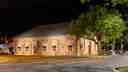
As you continue your walk, keep an eye out for Lyons Cottage to your left. It's a charming stone building that stands out for its colonial bungalow architecture set against the modern backdrop of the city. You'll notice its sturdy, locally quarried porcelanite stone, shuttered windows, and high ceilings. It's perched on The Esplanade, with a lovely view of Darwin Harbour, so look for a building that seems to whisper colonial history amidst the urban buzz. Welcome to Lyons Cottage, also fondly known as the British Australian Telegraph Company Residence, or just BAT House! Built in 1925, this is one of the oldest surviving heritage buildings in Darwin's central business district. Imagine being a staff member of the British Australia Telegraph Company back in the day, living right here while you helped connect Australia to Britain through an underwater telegraph cable. Quite the cool gig, right? This cottage played a pivotal role in ending Australia's communication isolation. Thanks to the completion of the Overland Telegraph Line in 1872, what once took a letter three months to travel from London to Sydney via ship could now be telegraphed in just under seven hours! It was akin to receiving an email instantly rather than waiting for snail mail-talk about tech upgrades! Over the years, this cottage has housed various cable company managers, engineers, and their families. Its architectural style, featuring shuttered windows and high ceilings, echoes British colonial homes found in India, Malaysia, and Singapore. During World War II, Lyons Cottage housed both the US Army and the Royal Australian Navy, bravely surviving Japanese air raids that decimated much of Darwin. Later, it was purchased by lawyer John Lyons, who became the Mayor of Darwin in 1959 and was a prominent member of the Northern Territory Legislative Council until 1968. The building was a tough cookie, too, surviving Cyclone Tracy in 1974, albeit losing its roof. Today, it’s a cozy café and shop run by Aboriginal Bush Traders, under the management of the Museum and Art Gallery of the Northern Territory. So, why not step inside and enjoy a coffee while soaking in the rich history this cottage has to offer? It's like having a sip of the past in the middle of the present!
打开独立页面 →
再显示 12 个站点显示更少站点expand_moreexpand_less
As you approach Crocosaurus Cove, you'll notice a modern building with vibrant signage and glass frontage on your left. It’s quite eye-catching with large images of crocodiles…阅读更多收起
As you approach Crocosaurus Cove, you'll notice a modern building with vibrant signage and glass frontage on your left. It’s quite eye-catching with large images of crocodiles plastered across the exterior, so it’s hard to miss! Welcome to Crocosaurus Cove! Get ready to dive into the wild world of reptiles. This indoor-outdoor venue is the place to meet the local “celebrities” of Darwin-and by celebrities, I mean the crocs, of course! Crocosaurus Cove boasts the largest display of Australian reptiles and is home to magnificent creatures from the Top End of the Northern Territory, Kimberley, and beyond. Feeling brave? You can jump into the "Cage of Death" and have an up-close-and-personal encounter with these giants of the water-safely behind a glass barrier, of course. You can also spot Burt, the famous 700-kg, 5.1-meter-long croc who starred in "Crocodile Dundee". Besides crocs, the facility houses venomous snakes, like the king brown and the inland taipan, numerous Australian pythons, and the extremely rare Oenpelli python. There’s also a massive 200,000-litre freshwater aquarium filled with whiprays, barramundi, turtles, and more. The park is owned by Mick Burns, who also owns the Darwin Crocodile Farm. And speaking of famous residents, we can’t forget their psychic croc Burt, who made headlines for his "predictions" during the 2018 Soccer World Cup! As you explore Crocosaurus Cove, you’ll notice the facility's success in breeding-like the baby crocs from proud parents Kate and William born in July 2022. So, whether you're looking to marvel at magnificent creatures or partake in adrenaline-pumping experiences, Crocosaurus Cove has got something to excite everyone. Enjoy your visit, but remember, no arm-wrestling with Burt!
打开独立页面 →Look straight ahead and you'll see one of Darwin’s main arteries bustling with life: Smith Street. Spot the pedestrian-only strip? That’s the iconic Smith Street Mall with its…阅读更多收起
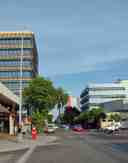
Look straight ahead and you'll see one of Darwin’s main arteries bustling with life: Smith Street. Spot the pedestrian-only strip? That’s the iconic Smith Street Mall with its tree-lined pathways, inviting storefronts, and an array of specialties looking back at you. Welcome to Smith Street, a major thread in the tapestry of Darwin’s Central Business District! Named after A. H. Smith, the valiant first surveyor of George Goyder’s 1869 expedition, this street has history running through its veins, stretching 2.2 kilometers from Larrakeyah to the heart of the CBD. Feel that retail therapy vibe? Along with the rest of the Darwin CBD, Smith Street is a bustling retail precinct, only second in size to Casuarina Square. The Mall’s a hive of activity with Coles and Woolworths supermarkets anchoring over 200 specialty shops. It's like Santa’s workshop-if Santa lived on a tropical island and wore shorts. At the end of this pedestrian parade, you’ll find the historic Victoria Hotel, a survivor of cyclones in 1897, 1937, and the infamous 1974. Talk about resilience! It’s got more comebacks than a Rocky sequel. Don't forget to wave at the Northern Territory Parliament House and Supreme Court as you stroll further. Imagine them as the elegant gatekeepers of State Square, standing tall and curiously watching the world go by. Ready to dive into this blend of history, shopping sprees, and culture? It's a street that tells tales just by walking down it. Enjoy every step on this welcoming yet bustling boulevard!
打开独立页面 →As we approach stop number 7, you'll see a modern-looking building on 47 Cavenagh Street, which houses several shops and businesses. Keep an eye out for a small plaza area with a…阅读更多收起
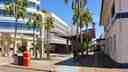
As we approach stop number 7, you'll see a modern-looking building on 47 Cavenagh Street, which houses several shops and businesses. Keep an eye out for a small plaza area with a few benches and some greenery; it's located right outside the CBD Plaza shopping centre. Look for a retail environment that seems pretty ordinary but has a significant history tied to it. Alright, now to the tale of this spot-imagine a time when this quiet shopping centre was the scene of an unexpected and shocking incident. On February 3rd, 2010, around 11:00 am, a dissatisfied customer, let’s call him the not-so-happy shopper, decided to make a grand, albeit disastrous, statement. He did this by pushing a shopping trolley loaded with petrol cans and large fireworks right into the local branch of Territory Insurance Office (TIO). Kaboom! The trolley detonated, creating chaos and injuring 19 people, including a police officer. The surrounding area and shopping mall, which included a Woolworths outlet, were immediately closed down as emergency services rushed to the scene. Despite the pandemonium, the Darwin spirit shone brightly. Many brave passersby and shoppers ignored their own safety to help the wounded. Hats off to those heroes! Even Northern Territory Police Commander Rob Kendrick applauded their courageous actions. The suspect, a local man who had changed his name to Bird-yes, like the ones that tweet-handed himself into the police shortly after the incident. He faced several serious charges, including attempted murder. Despite the tragic turns, this incident displayed the incredible bravery and community spirit in the face of danger. The heroic deeds of those first on the scene earned them group bravery commendations, further highlighting the resilience found in the heart of Darwin. So, as you stand here today, amidst the hustle and bustle of modern shoppers, remember the courage shown that day. History can bring surprising tales even in seemingly everyday places. Now onwards to our next stop!
打开独立页面 →Look to your left, and you'll spot the Outrigger Pandanas! It's hard to miss as one of the tallest buildings in Darwin. It stands tall and proud with a sleek, modern design,…阅读更多收起
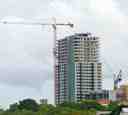
Look to your left, and you'll spot the Outrigger Pandanas! It's hard to miss as one of the tallest buildings in Darwin. It stands tall and proud with a sleek, modern design, towering over much of its surroundings. Look for the building that reaches confidently into the sky with a combination of sleek glass and contemporary architectural lines. Outrigger Pandanas is the second-tallest building in all of Darwin, with its roof soaring 91 meters (that's 299 feet for our friends who prefer feet!) above the ground. It was constructed between 2006 and 2007, with additional office suites completed by 2009. This towering structure has 29 levels, which serve a mix of residential and commercial purposes. Managed by the Saville Hotel Group, which oversees more than 150 properties across Australia and New Zealand, Outrigger Pandanas is quite the hive of activity. Currently, there's more development underway with Stage 1 of additional office suites being built by Gwelo Investments Pty Ltd. This new phase will add 4,000 square meters (or about 43,000 square feet) of office space spread over six levels, plus a retail area on the ground floor. So, make sure to crane your neck upward and enjoy the view of this impressive building! Outrigger Pandanas is a testament to modern design and a hint of the bustling future coming to Darwin. And remember, if Pandora had her box, Darwin has Pandanas! Keep moving; there’s more to see!
打开独立页面 →Ah, here we are! Get ready because you're about to see Brown's Mart. Just keep an eye to your left as you walk along Smith Street, and you can't miss it. It's a charming, historic…阅读更多收起
Ah, here we are! Get ready because you're about to see Brown's Mart. Just keep an eye to your left as you walk along Smith Street, and you can't miss it. It's a charming, historic stone building conspicuously located at the intersection of Smith Street and Harry Chan Avenue. Now, don’t let its sturdy, timeworn appearance fool you! This building has been through more engageable drama than a soap opera. Built in 1885, it was established by a Mr. Brown - a fellow who seems to have had more job titles than someone trying to dodge taxes. He was a trader, a mining exchange entrepreneur, and even the Mayor of Darwin. The building was designed by John George Knight, who was like the "Swiss Army Knife" of historical architects in Darwin, also responsible for designing the Town Hall, Residency, Courthouse, Police Station, and the Gaol at Fannie Bay. Initially simple in design with semi-circular arches over the windows and doorway, Brown's Mart has played many roles throughout its life. It’s been a commerce hub, a storage facility, an insurance agency, and even a naval workshop. You name it; it’s probably been done here! In 1972, Ken Conway turned this old building into Brown's Mart Theatre thanks to a nifty $8,000 grant. Let’s just say it became the Robin Hood of performing arts - bringing culture to the community. From bracing cyclones like Tracy to surviving bombings in WWII, this building is practically immortal, listed on several heritage registers for good measure. Today, Brown's Mart Arts operates year-round as a vibrant arts venue creating and supporting new performance work while hosting a ton of cultural events. Indigenous, community, and professional artists find a creative home here. During the Darwin Festival and the Darwin Fringe Festival, this place is the epicenter of excitement. And if you're a fan of local live music, guess what? For more than five years, Happy Yess has been rocking its stage! So, while you take in this delightful mix of history and artistry, remember: If walls could talk, Brown’s Mart would definitely have a lot to say - and it might even try its hand at a stand-up comedy routine! Enjoy the artistic vibes, my friend!
打开独立页面 →Ah, you’ve made it to stop number 13! You're standing right next to the Northern Territory Legislative Assembly, which is on your right. Look for a modern building with a dynamic…阅读更多收起
Ah, you’ve made it to stop number 13! You're standing right next to the Northern Territory Legislative Assembly, which is on your right. Look for a modern building with a dynamic and contemporary feel - a beacon of democracy nestled amidst lush greenery. You’ll recognize it by its elegant angular lines and the distinctive presence it has in the area. It’s quite the spot for lawmakers to get down to business! Now let’s dive into what makes this place tick. The Legislative Assembly of the Northern Territory, or as you might call it, the Parliament of the Northern Territory, is where local democracy unfolds. This is a unicameral legislature, which basically means there’s just one legislative chamber involved in making the laws here - no need for a second helping, thank you very much! There are 25 members in this Assembly, each elected from single-member electorates every four years. The method of voting is full-preferential, ensuring that votes count in a way that represents your preferences more thoroughly. Voting is much like exercise here - compulsory for everyone over 18. Gotta love democracy, huh? Bills that get passed here are then sent to the Administrator of the Northern Territory for assent - think of it like getting a stamp of approval. And just for the drama, if there's ever a tied vote, the Speaker gets to cast the deciding vote. The Northern Territory got a taste of self-government in 1978, though the federal government still keeps the right to legislate for certain areas like Aboriginal land or uranium mining. It’s like having a parent who still meddles just a bit too much. So, next time you’re griping over a piece of local legislation, just remember, it likely had its beginnings right here, amidst the chatter and debates of the Legislative Assembly. Onward to our next stop!
打开独立页面 →Hey there, walker! You’re getting close to our next stop, and it's a big one-literally! Keep your eyes peeled to your left. You should spot a very prominent and gleaming white…阅读更多收起
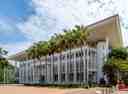
Hey there, walker! You’re getting close to our next stop, and it's a big one-literally! Keep your eyes peeled to your left. You should spot a very prominent and gleaming white structure with grand colonnades and a lot of open space around it. It's Parliament House, Darwin. Now, let's dive into what makes this building so special-promise I’ll try not to get "over-political"! *wink* Parliament House in Darwin has been the meeting place of the Northern Territory Legislative Assembly since 1994. Situated on State Square in the heart of Darwin, it's the epicenter of all things law and government in the Northern Territory. With its postmodern style designed by architect Tim Rogers, it’s Australia’s newest parliament building. Did you know the construction began in 1990 and finished in 1994? It was officially opened by the Governor-General of Australia, Bill Hayden, on 18 August 1994. Fun fact: this building is built on the very site of the old Palmerston Post Office, which was tragically destroyed during the World War II Bombing of Darwin. Talk about rising from the ashes! Packed within this architectural marvel is the Northern Territory Library, keeping knowledge alive and well. Before this grand establishment, the Legislative Council had to make do with temporary digs scattered around Darwin until they moved to this permanent site in 1955. From 1990 to 1994, they were sort of like nomads, shuffling between different buildings, including the Chan Building. Let's chat construction for a minute. When the NT government decided to build State Square, which would house this Parliament House and the Supreme Court, they threw in car parks and landscaping, too. Fancy! But it wasn’t all smooth sailing-two brave workers lost their lives during construction in 1991 due to a crane collapse. Their sacrifice is remembered with a memorial fountain in the Speaker's Green. The building is a feat of engineering, designed to handle cyclones-with a parasol roof and façade that diffuse about 80% of direct sunlight. It’s green in more ways than one, with its chamber's eucalyptus motifs paying homage to both the Australian House of Representatives and the UK’s House of Commons. Inside, you'll find the Department of the Legislative Assembly, offices, media facilities, a café, a craft shop, and the aforementioned library. It’s designed to last a hundred years and adapt to future needs! Ah, and just recently, in 2023, it bagged the Northern Territory Enduring Architecture Award! How's that for longevity and civic contribution? Take your time to admire this blend of history, modernity, and functionality. And who knows, maybe you'll even steal a wave from a politician! Alright, ready to stroll to the next stop? Let’s keep this adventure rolling!
打开独立页面 →You’re almost there! On your right, you'll notice a relatively flat area now largely dominated by port operations and infrastructure. Picture a small hill that once stood proud…阅读更多收起
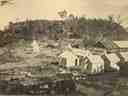
You’re almost there! On your right, you'll notice a relatively flat area now largely dominated by port operations and infrastructure. Picture a small hill that once stood proud here, bustling with history. Fort Hill, now gone, still carries its stories through the whispers of the past. Do you see that modern wharf and all the port activity? Well, this area wasn’t always so industrious. Fort Hill was once a pivotal spot for more than just cargo! **Fort Hill is a hill that once existed on Darwin Harbour in the Northern Territory of Australia. It was the location of George Goyder's survey camp, which was established in 1869. The hill became the earliest European burial site in Darwin, after the death and burial of John William Ogilvie Bennett, a draughtsman on Goyder's 1869 survey expedition. Bennett was fatally speared by Aboriginal people on the Adelaide River on 24 May 1869, dying four days later. He and a fellow expedition member were attacked at their camp while compiling an atlas of Wulna place-names. He was buried at a site on the top of Fort Hill. Another early settler, Richard Hazard, was the next person to be buried there. Hazard died there on 2 August 1869. Their remains were relocated to Darwin Cemetery on McMillians Road in 1965. During World War II, Fort Hill had two oil tunnels bored into the side of the hill. The hill was removed in 1965 to make way for the iron-ore loading wharf.** Amazing, right? Can you imagine a hill here teeming with surveyors, then solemn burials, and finally, war-time resourcefulness? Darwin definitely knows how to keep things interesting!
打开独立页面 →

常见问题
如何开始导览?
购买后,下载 AudaTours 应用并输入您的兑换码。导览将准备好立即开始--只需点击播放并按照 GPS 引导的路线行驶即可。
导览期间我需要互联网吗?
不需要!开始前下载导览并完全离线享受。只有聊天功能需要互联网。我们建议在 WiFi 下下载以节省移动数据。
这是导游带领的团体游吗?
不是--这是自助语音导览。您按照自己的节奏独立探索,通过手机播放音频解说。没有导游,没有团体,没有时间表。
导览需要多长时间?
大多数导览需要 60-90 分钟才能完成,但您完全控制节奏。随时暂停、跳过站点或休息。
如果我今天无法完成导览怎么办?
没问题!导览具有终身访问权限。随时暂停和恢复--明天、下周或明年。您的进度已保存。
有哪些语言可用?
所有导览均提供 50 多种语言版本。在兑换代码时选择您的首选语言。注意:导览生成后无法更改语言。
购买后我在哪里访问导览?
从 App Store 或 Google Play 下载免费的 AudaTours 应用。输入您的兑换码(通过电子邮件发送),导览将出现在您的资料库中,准备下载并开始。
如果您不喜欢该导览,我们将退款。请联系我们 [email protected]
安全结账使用 


