
Prior to the battle, tensions had been rising between France and the Democratic Republic of Vietnam (DRV). Despite signing an agreement promising negotiations and reciprocal rights to end hostilities, France did not follow through with any political concessions. Instead, they violated agreements by landing reinforcements in Da Nang and committing atrocities in Haiphong, Langson, and Tourane.
By mid-October, the Viet Minh's General Staff anticipated an impending French attack and made preparations accordingly. The situation escalated after the violence in Haiphong, and the French attention turned towards Hanoi, where they shared a presence with the DRV through joint military commissions.
The French forces in Hanoi numbered around 6,000 men, while the DRV had 10,000 militia and 2,500-3,000 regulars on active duty. Both sides had lost confidence in each other, engaging in increasing levels of violence.
The DRV leaders were determined to defend Hanoi, as it held significant political importance for both sides. The strategy was not centered around holding the capital, but rather pinning down the French forces while the leadership evacuated to bases in the Northern and Central Vietnamese jungles. The urban battle also aimed to attract international attention to the Vietnamese struggle against colonial conquest.
Vương Thừa Vũ, with his experience in military tactics from the Second Sino-Japanese War, was appointed to command the city's defense. His soldiers were strategically positioned in government buildings, industrial plants, and key thoroughfares. Arms and supplies were hidden in the city, and secret wall openings were made between houses to facilitate movement.
The plan was for the militia to fall back to the city's Old Quarter, engaging the French with barricades and urban warfare tactics, while the regular forces attacked Gia Lam Airport to prevent French reinforcements by air.
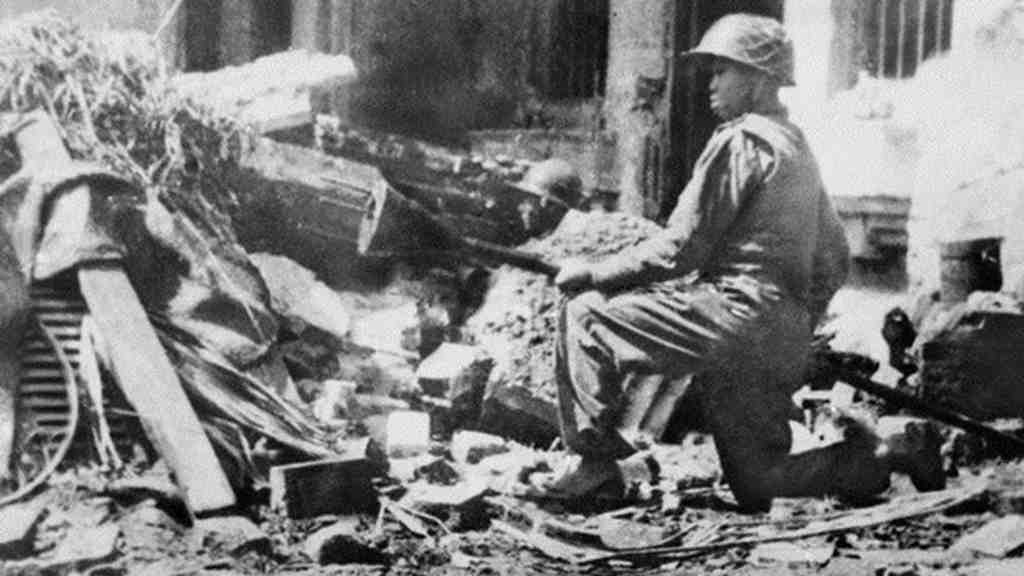
The Battle of Hanoi began when the Viet Minh set off explosives in the city's power plant, plunging Hanoi into darkness. They then launched coordinated attacks on French military positions and homes. During this time, approximately 600 French civilians were abducted.
Surviving French troops, alerted by friendly spies, gradually gained numerical superiority. French artillery shelled the city, and intensive house-to-house searches were conducted in search of the Viet Minh leadership. The heaviest fighting occurred in Hanoi's Old Quarter, marking the first instance of urban warfare for the Viet Minh, involving 2,000-10,000 fighters.
This battle was a significant event in the First Indochina War, shaping the course of the conflict and intensifying the struggle for independence. Please proceed to our next stop, Turtle Tower.


