
You’re looking for a historic brick building on South Cameron Street, likely modest in size, with classic early 1800s architectural features; just look ahead for a structure that seems rooted in another era.
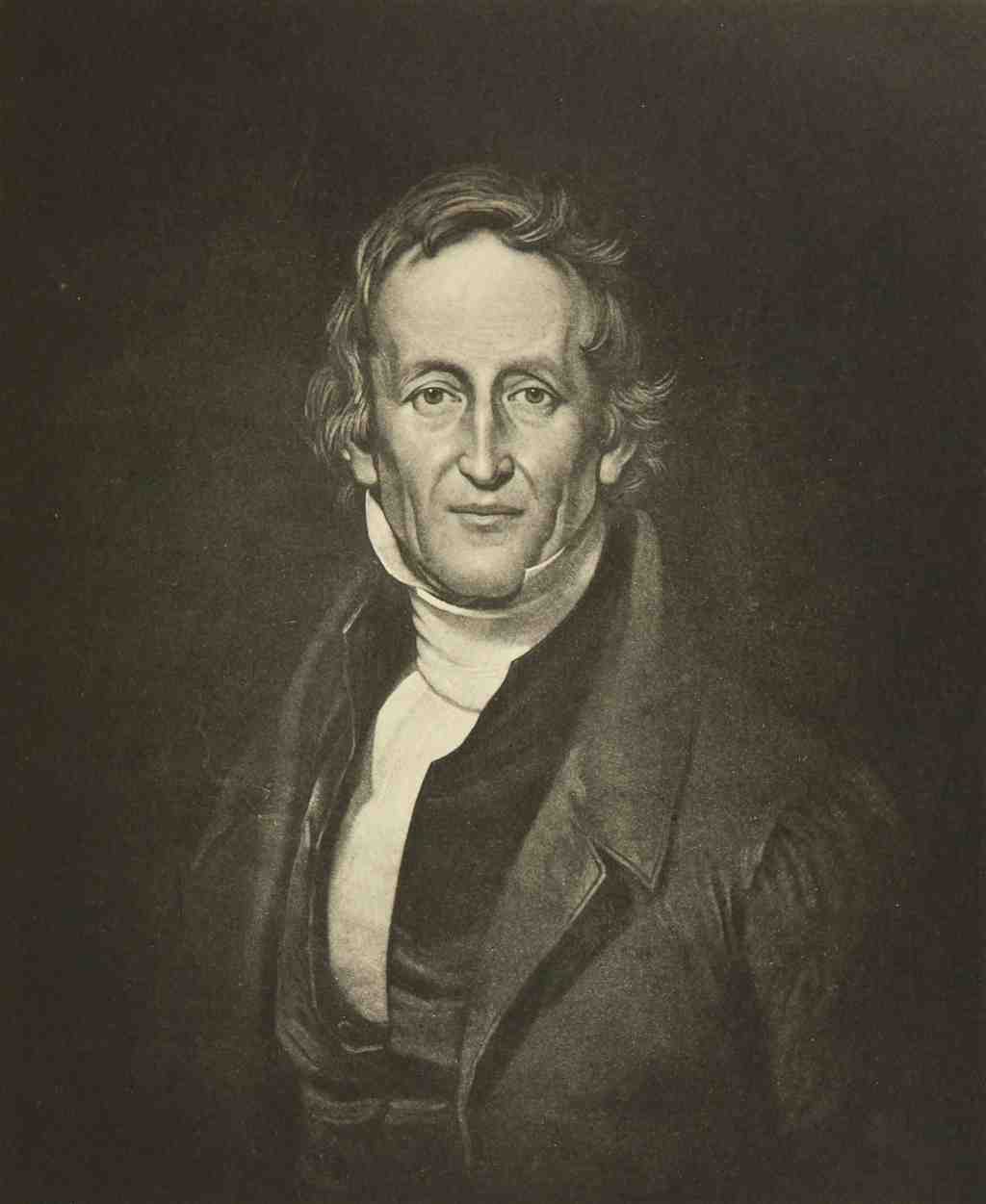
Alright, picture yourself stepping back to Winchester in the 1820s. The streets are quieter, the carriages clatter along the road, and the smell of old books and ink drifts from 37 South Cameron Street-this very spot! That’s where Henry St. George Tucker Sr., a man with a name as long as a lawyer’s closing argument, opened the Winchester Law School. Why? Well, in 1824, he’d left the Virginia State Senate and needed a new way to keep the candles burning at both ends.
So, what did Tucker do? He dusted off his father’s legendary copies of Blackstone’s Commentaries, the ultimate law books of the time. Three days a week, students got a dose of wisdom peppered with quizzes-yes, even back then you couldn’t escape pop quizzes! Imagine an eager group of young men hustling inside, their boots scraping the wooden floors, anxious for the next legal puzzle.
But it wasn’t just about English law. Tucker made it practical, rewriting the rules so they’d reflect American law-perfect for young students dreaming of justice, or maybe just a decent lunch. And every new session, the number of law hopefuls grew-starting with 11 and soon swelling to over 30. The man was a hit. Some students became governors, senators, even judges-names like Henry A. Wise and Robert M. T. Hunter-walking out these doors to shape the nation!
All good things come to an end though. In 1831, Tucker was called up to Richmond for the state Court of Appeals. The law school had to close, but its legacy echoes every time someone argues for justice or cracks open a law book in Winchester. Now, as you stand here, you’re surrounded by echoes of debate and dreams-so if you feel a sudden urge to argue your case for an extra scoop of ice cream tonight, you’re just channeling the Winchester Law spirit!


