
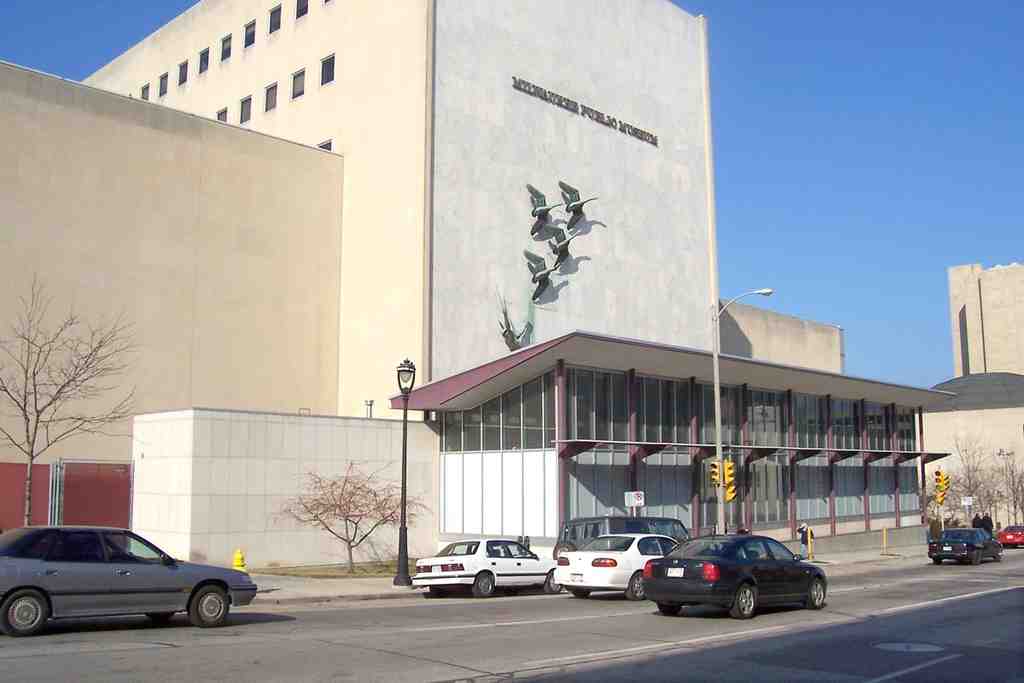
Look for the massive, boxy beige stone structure featuring a striking sculpture of five metal birds in flight mounted directly on the flat facade, right above the lower glass and steel entryway. You can see a great shot of this mid-century exterior on your screen.
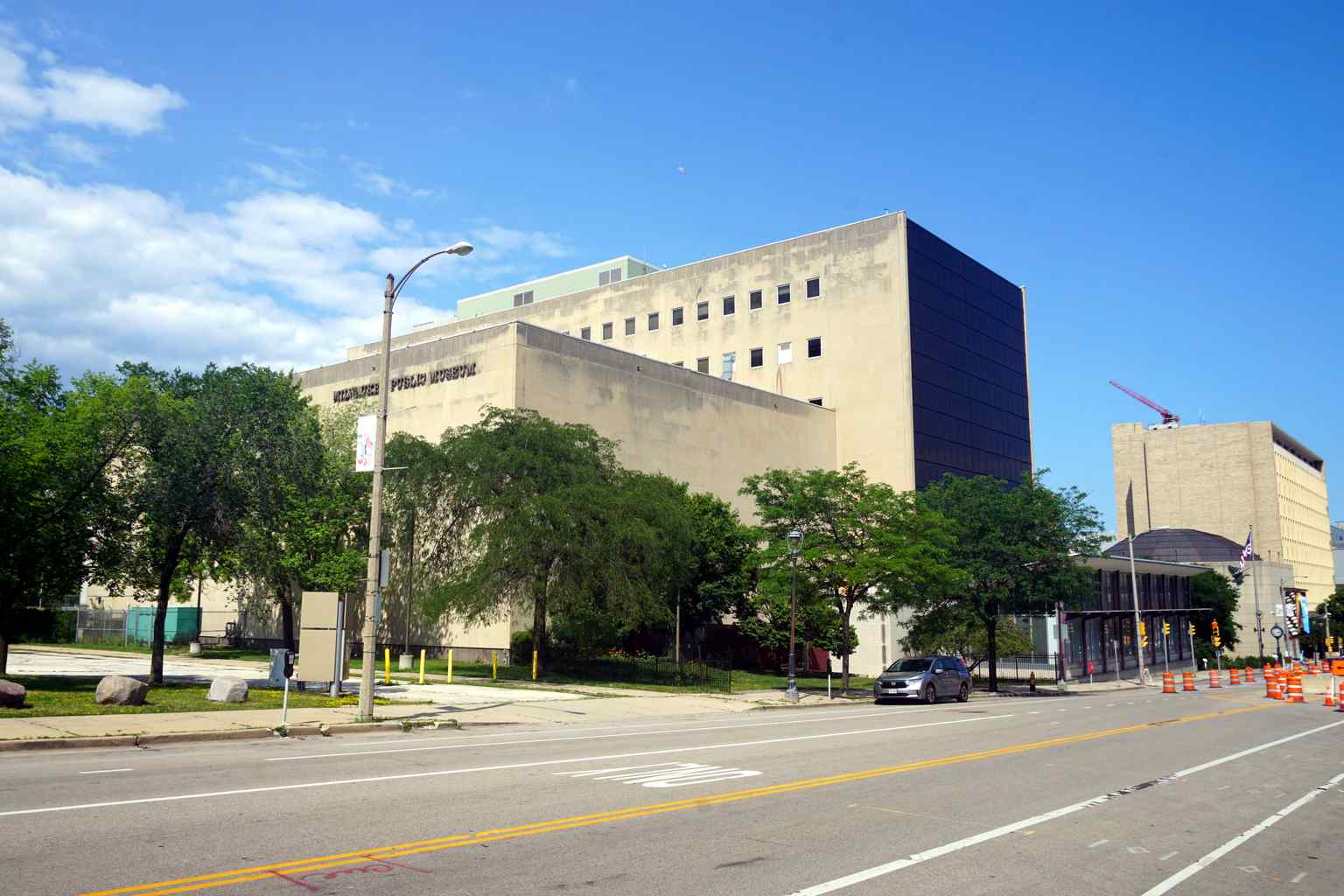
This place is a perfect monument to how this city is always pushing forward, dreaming up massive new visions, and occasionally getting into a serious brawl over what comes next.
It all started back in 1851 with the German-English Academy. Milwaukee had this incredible influx of German immigrants who brought along a deep intellectual curiosity and a reverence for the natural world. The academy's principal, Peter Engelmann, was all about hands-on learning. He sent his students out on field trips to collect botanical, geological, and archaeological specimens. Before long, these kids brought back so many rocks, bugs, and bones that the collection completely overran the school. Engelmann had to form a natural history society just to manage it all, transforming a quirky private school collection into a true public treasure. By 1882, the city officially accepted the collection to create a free public museum.
As the collection grew to over four million artifacts, the museum needed bigger homes, eventually moving into this current building in 1962. Here, art directors scavenged real cobblestones, gas lamps, and ornate doors from historic buildings being demolished for freeways. They used them to build the Streets of Old Milwaukee. It was one of the world's first walk-through immersive dioramas, meaning a life-sized historical scene you can physically step inside. It is incredibly beloved, right down to hidden Easter eggs like an animatronic Granny and a preserved alley cat that meows at passing visitors.
The museum also revolutionized how we see the natural world. Back in 1890, a taxidermist here named Carl Akeley, a scientist who prepares and mounts animal skins, sculpted anatomically accurate clay models instead of just stuffing them. Akeley was an absolute legend... he literally once survived an attack in Africa by choking an eighty-pound leopard with his bare hands.
But progress here usually comes with a fight. This mid-century building is now failing. We are talking severe temperature swings, mold, and water leaks threatening irreplaceable artifacts, like the bones of a woolly mammoth butchered by humans over fourteen thousand years ago. The museum's leadership launched a bold campaign to abandon this building and construct a brand new facility.
But remember those intricate 1965 historic streets? They were built straight into the structure of this building with heavy wood and glue. They cannot be physically moved to a new site without being destroyed. That realization sparked huge public petitions and outcries from folks who mourn the loss of that hand-built magic. It is a classic clash between preserving the past and saving the entire collection for the future.
The museum's story is still unfolding as they prepare for their next big move, and you can step inside to see the artifacts any day of the week except Tuesday between ten in the morning and five in the evening. For now, let us take a five-minute walk over to the Central Library, the very building where this museum used to share a roof before they moved here.





.jpg)