
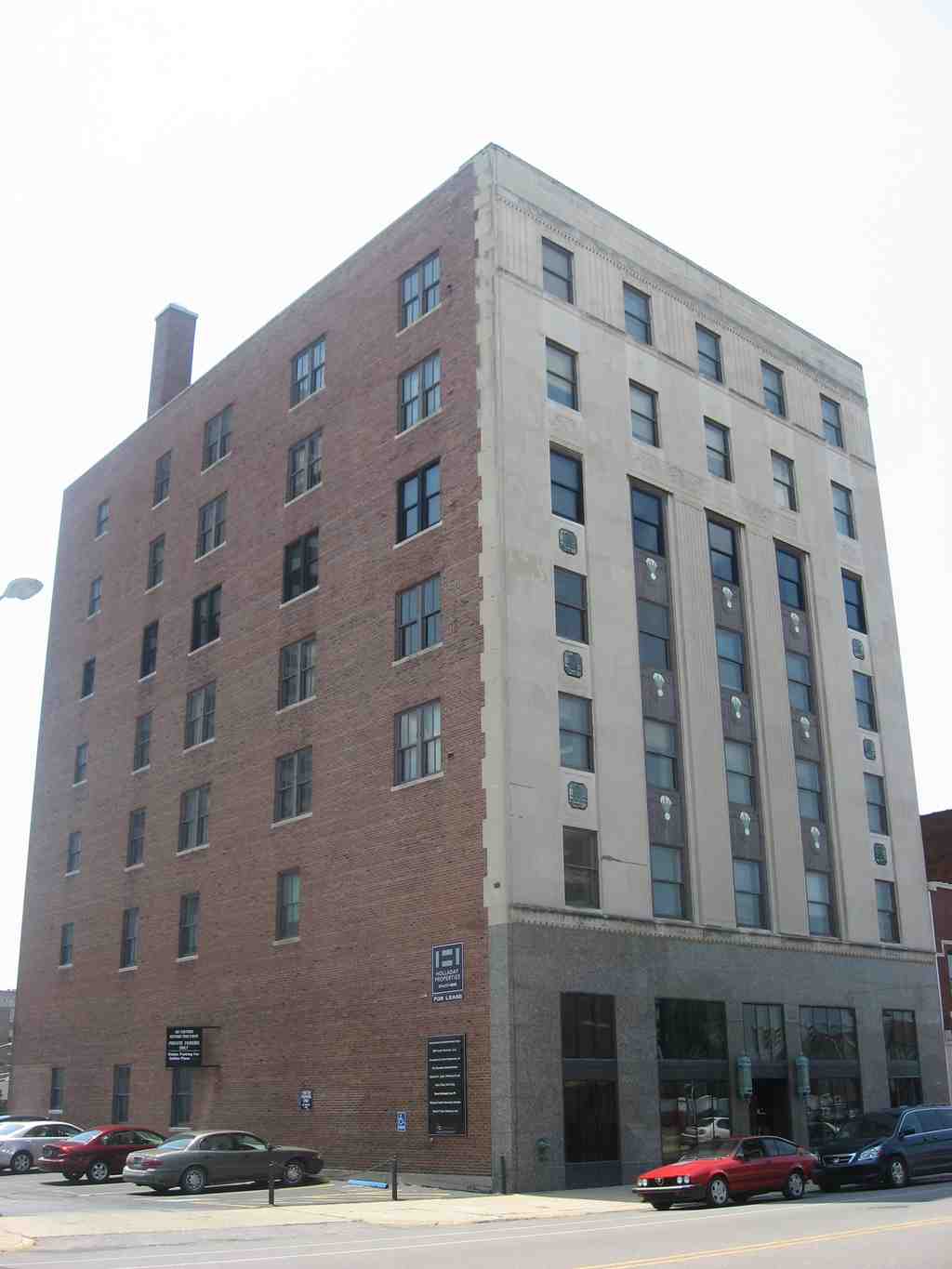
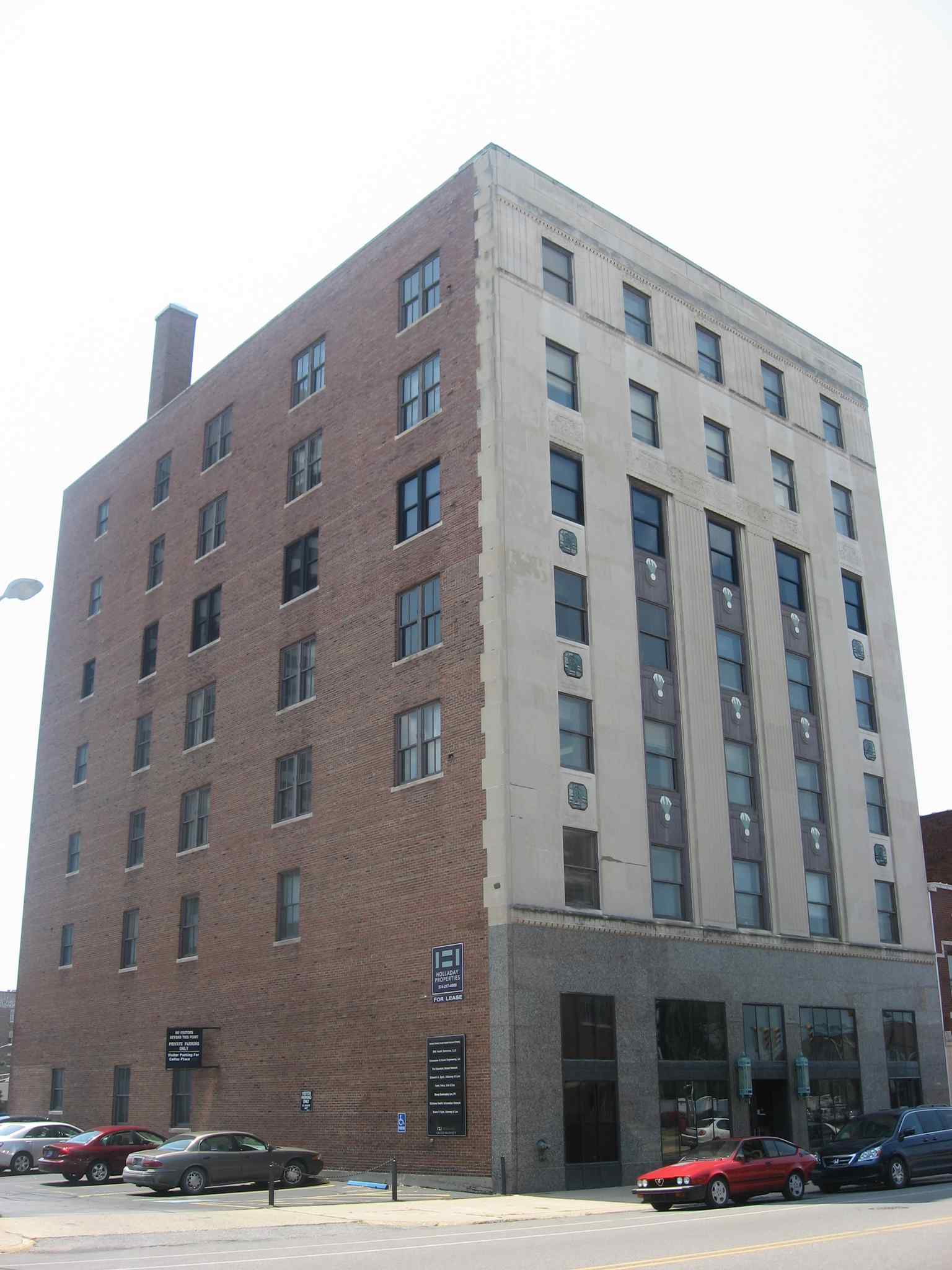
Look to your left and you will spot a seven story rectangular block featuring a dark marble ground floor, a smooth limestone facade stretching upward, and decorative fired clay terra cotta panels separating the central windows. That is the I and M Building, built in 1929 for the Indiana and Michigan Electric Company.
If you check your screen, you can see how its vertical lines make it the only pure example of Art Deco in downtown South Bend. Art Deco is that sleek, geometric architectural style from the 1920s designed to make buildings look like they belong in a futuristic metropolis. The electric company spent a quarter of a million dollars on this structure, which is roughly four and a half million today. But they were not just building office space. They were building a functioning billboard.
In the early days of widespread electricity, plugging appliances into the wall was a terrifying leap of faith for the average homeowner. The company used this building to sell the public on the future. The seventh floor housed a vast display area for live kitchen demonstrations, while the sixth floor held a full auditorium. They were quite literally putting modern technology on a stage.
The men who designed this stage were an unlikely pair. Ennis R. Austin was an elite New York architect who trained at the famous Tiffany Glass Company. His partner, Norman Roy Shambleau, was the son of a Canadian carriage maker who moved here at seventeen and learned his trade as a rough apprentice. Throwing their lot in together was a substantial risk, but their partnership dominated local design for decades.
This building has weathered plenty of its own storms. During the real estate crashes of the 1990s, developers managed struggling assets from these very floors just to survive. It even endured a notoriously disastrous attempt to convert it into luxury condos, which flopped entirely and sent the property back to commercial use. Today, a telecommunications company manages modern digital networks from the exact same spot built to sell the 1929 toaster. The original lavish marble lobby is actually still in there, awkwardly hidden just above a modern lowered ceiling.
Get ready. We are heading toward Austin and Shambleau's most magnificent, and ultimately most tragic, masterpiece. The Tower Building is just a three minute walk away.





