

Seattle Audio Tour: Capitol Hill Bites, Broadcasts & Urban Legends
A flicker of neon blushes against Seattle’s changing clouds while, just below, stories pulse beneath the city’s calm surface. Beyond Pike Place and the Space Needle lies a world of whispers and upheaval—visible only to those willing to listen. This self-guided audio tour leads down tree-lined streets and past murals to uncover dramas history tends to silence. Reveal hidden scandals inside KCTS-TV’s storied walls. Explore where Capitol Hill’s political rebels plotted nights that changed Seattle. What secret pact almost toppled Temple De Hirsch Sinai? Who vanished after a thunderous protest outside a quiet radio booth? Which 1970s TV host insisted on live goldfish during every broadcast? Walk past painted crosswalks and luminous stained glass as timelines collide and city legends clash. Each stop offers another layer to peel back, another reason to see Seattle’s heart beneath the rain. Begin your journey now. The secrets are waiting.
Tour preview
About this tour
- scheduleDuration 30–50 minsGo at your own pace
- straighten3.0 km walking routeFollow the guided path
- location_onLocationBellevue, United States
- wifi_offWorks offlineDownload once, use anywhere
- all_inclusiveLifetime accessReplay anytime, forever
- location_onStarts at KCTS-TV
Stops on this tour
Right ahead, you’ll spot Westman’s Bagel & Coffee by looking for a crisp white bagel logo-just like a doughy beacon-popping out against a midnight-blue background, usually right…Read moreShow less
Right ahead, you’ll spot Westman’s Bagel & Coffee by looking for a crisp white bagel logo-just like a doughy beacon-popping out against a midnight-blue background, usually right on a small walk-up window, tucked in next to the modern façade of the Bullitt Center. Let’s imagine the scene here just a few short years ago: Monica Dimas and Molly Westman, a chef and a baker with flour in their hair and New York on their minds, huddled together in a kitchen after visiting dozens of bagel shops back east. Their mission? To create a bagel that could make even the crankiest New Yorker forget they weren’t actually standing under Brooklyn’s skyline. Molly, the resident bagel expert, tested 75 different recipes-yes, really, seventy-five-before deciding she’d found the holy grail of fat, chewy, honeycomb-structured perfection. Now, here’s where things get fun. This spot on East Madison wasn’t always a breakfast paradise. Before Westman’s moved in back in January 2018, hungry neighbors might have sniffed out deliciousness from a Thai street food joint or even a tiny bodega, but nothing caused lines quite like the promise of a New York-style bagel in the Pacific Northwest. The new place had only three outdoor stools, just enough to remind you that standing in line for something special is a Seattle rite of passage. In the morning, you could catch spatulas clang, an espresso machine whirring, and three cheerful stools waiting for the first brave souls to order the legendary bacon, egg, and cheese sandwich on a puffy kaiser-dinner roll hybrid. Early press from the Seattle Times warned: don’t wait ‘til noon, or you might be stuck peering through glass at a “sold out” sign instead of a plump, glossy bagel. Eater Seattle described business as “brisk,” and that turned out to be the understatement of the century. Soon the kitchen was scrambling to keep up on weekends-and why not, with bagels that drew out-of-towners and homesick New Yorkers alike, all silently swearing that these fluffy orbs could make a grown adult weep (in a good way). As the years rolled by, Monica and Molly’s partnership was more than just good business sense. These bagel scientists kept experimenting, adding creative takes like jalapeño cheddar, pumpernickel, and the most delicious “everything” spices sourced from Villa Jerada. The real showstopper? Their house-made cream cheese-Willapa Hills dairy, with flavors ranging from scallion and caviar to honey-thyme, and, of course, a version for the vegan crowd. But it wasn’t just bagels. Westman’s doubled down on the nostalgia with bialy, black and white cookies, and even Nutella-filled babka, because in Seattle, if you’re going to make someone wait in line, you might as well let them ponder what kind of pastry purgatory they’ll descend into next. And if you think that’s wild, check out their brunch boxes-unleashed during the pandemic, loaded with everything from nova lox to vegan carrot lox. After surviving opening delays and two moves-first dreaming of Pioneer Square, then finding a new outpost in the University District-Westman’s became the unofficial headquarters of bagel diplomacy, with breakfast sandwich fans declaring the B.E.C. the best in Seattle. Food critics lined up with everyone else, often leaving with the faintest trace of powdered sugar on their lips and stories of chewy, salty magic. And now, while you stand in front of this unassuming walk-up, you’re part of a story that’s still growing, fueled by the laughter of early-morning regulars, the heartbreak of a missed everything bagel, and the simple joy of sharing chewy goodness at an outdoor counter. Take a deep breath-and maybe, if you’re lucky, the smell of toasting bagels and brewing Vita espresso will help you understand why this little counter changed Seattle’s breakfast game forever.
Open dedicated page →Look for a large, modern building shaped like a concrete crown with sharp, upward-reaching angles and a wall featuring a bold, golden abstract design-Temple De Hirsch Sinai stands…Read moreShow less
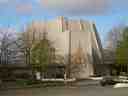
Look for a large, modern building shaped like a concrete crown with sharp, upward-reaching angles and a wall featuring a bold, golden abstract design-Temple De Hirsch Sinai stands right before you, surrounded by trees and a hint of mystery. Now, just imagine Seattle back in the late 1800s-a time of new beginnings, bustling streets, and the occasional soggy shoe! As you stand at this spot, you’re in front of a true survivor-Temple De Hirsch Sinai, the largest Reform Jewish congregation in the Pacific Northwest. The story begins with determination: in 1899, a group of liberal Jews, left without a place to gather after their previous congregation dissolved, rolled up their sleeves-maybe not literally-got together, and founded Temple De Hirsch. They named it after Baron Maurice de Hirsch, a philanthropist who believed in hope and helping others. The very first synagogue they built couldn’t hold all the energy and excitement. Imagine people squeezing into a basement for services-elbows everywhere, and plenty of whispered jokes about needing a bigger place! Very soon, the congregation grew so rapidly that they built a new home at Union Street and 15th Avenue, finishing it just in time for their ninth anniversary in 1908, with grand celebrations and a sea of happy faces filling the air. By 1924, even that building needed expanding, so a Temple Center opened next door, echoing with kids’ laughter from the religion school and the sounds of community events. If the dramatic look of this modern building feels theatrical, that’s because it is-literally! It was designed by B. Marcus Priteca, a legendary theater architect who left his mark all over Seattle, including a famous synagogue now known as the Langston Hughes Performing Arts Center. This current sanctuary, finished in 1960, sits where the heart of the old community once beat, and just a hint-the wall you see out front is part of what survived when the previous sanctuary was sadly demolished in 1993. But this temple isn’t only about buildings-its history is filled with brilliant personalities and some unexpected moments. Rabbi Samuel Koch, who led from 1906 until 1942, made this a place for everyone, whether you were officially part of the congregation or just a curious neighbor. He even started a newsletter, probably filled with slightly less email spam than today! Then came Rabbi Raphael Levine, a real force for unity. He hosted a TV show with a priest and a minister, trying to solve the world’s problems before reality shows were even a thing. Levine also helped create religious camps for kids and expanded Seattle’s Children’s Hospital-talk about multitasking. Music has a quirky chapter here: Samuel E. Goldfarb, who co-wrote “I Have a Little Dreidel,” shaped the choir, and none other than Jimi Hendrix played his first professional gig in the basement-though his wild guitar didn’t quite fit the mood and, rumor has it, he didn’t last the whole show! The story continued when Temple De Hirsch merged with Temple Sinai of Bellevue in 1971, creating an even bigger family that spans both sides of the lake to this day. As you stand here, picture all those generations weaving together-singing, learning, debating, and occasionally rocking a little too hard-for over a century, in a place still pulsing with community spirit and a legacy that stretches far beyond these concrete walls.
Open dedicated page →

Show 7 more stopsShow fewer stopsexpand_moreexpand_less
 4
4Kedai Makan
Buy tour to unlock all 14 tracksTo spot Kedai Makan, look for a cozy storefront with vibrant signage and a splash of color, nestled right along Olive Way-if you catch a whiff of spices in the air, you’re in the…Read moreShow less
To spot Kedai Makan, look for a cozy storefront with vibrant signage and a splash of color, nestled right along Olive Way-if you catch a whiff of spices in the air, you’re in the right place! Welcome to Kedai Makan, where the streets of Capitol Hill transform into a Malaysian food festival! Just imagine: back in 2013, what started as a humble pop-up run by Kevin Burzell and Alysson Wilson burst onto the scene, packing their passion for Malaysian flavors into what was once the home of Taco Gringos. Picture the scent of nasi goreng belacan and five-spice beef dancing out the door, luring hungry locals past the sibling Montana Bar next door. At first, the operation was all takeout-people lining up on chilly evenings for murtabak and bottled sauces, their breath visible in the Seattle air, anticipation tickling their noses. As months rolled by, Kedai Makan expanded, evolving into a full-service delight-suddenly your plate could sport everything from chili pan mee to duck noodles and even fried frog legs (now there’s a leap of faith!). The chefs’ tastes traveled across Malaysia: sweet-spicy tofu, crispy ayam goreng masala, and bowls of sarawak laksa. And for the truly bold? Ngow Lam Fan, with its stewed beef, five spice, and chewy noodles-a flavor journey that’ll give your taste buds a passport stamp. But, like a good plot twist in a soap opera, Kedai Makan closed in 2022, leaving fans with empty bellies and aching hearts. Happily, the curtain rose again: new ownership revived the soulful spot, and in 2024, the aromas wafted all the way to Belltown with a second location. Named one of Seattle’s “essential” restaurants, loved for bold flavors and a homey vibe-it’s a treat for every sense. So as you stand here, imagine generations of Seattleites hooked on vibrant curries-and maybe leave room for one extra roti!
Open dedicated page →To spot Mt. Joy, look for the glowing neon green "Mt. Joy" sign brightening the brick façade-the cheerful glow stands out nicely as you stroll along the sidewalk. Now, before you…Read moreShow less
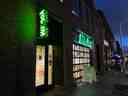
To spot Mt. Joy, look for the glowing neon green "Mt. Joy" sign brightening the brick façade-the cheerful glow stands out nicely as you stroll along the sidewalk. Now, before you start dreaming of crispy chicken, let’s take a bite out of Mt. Joy’s story! Picture this: it's a cool night on Capitol Hill, the air tinged with the scent of fried chicken and possibility. Here you stand before a spot that’s way more than just another sandwich stop-it’s a fast-casual eatery that set out to do things differently, with a side of local Seattle pride. Mt. Joy isn’t just trying to fill bellies; they’re on a mission to “regenerate” your mealtime, reinventing the way we eat chicken and even how it gets to your bun. It all started with a little spark-in this case, after one of the founders watched “Kiss the Ground,” a documentary all about saving the earth through regenerative agriculture. Inspired, Robbie Cape and his chicken-loving crew teamed up with local regenerative farmer Grant Jones and Seattle restaurant heavyweight Ethan Stowell. Their grand vision? Juicy, golden chicken sandwiches made from pasture-raised chickens with a conscience, all sourced as close to here as possible. Their bun of choice? Specially baked by Franz Bakery, just to keep things Seattle-fresh. But before there was all this glowing signage and the clink of milkshake glasses behind you, Mt. Joy was just a little food truck making waves in Capitol Hill’s sea of foodies in September 2023. People caught wind of spicy and mild chicken sandwiches sizzling up a storm-served, of course, with that memorable green branding and a side of eco-friendly attitude. It went so well, they quickly found themselves moving indoors to this bright, white-and-green space-opening their brick-and-mortar doors with all the pride of a chicken finding its first worm. And the quest didn’t stop with the food. Mt. Joy calls itself the first ever “regenerative-focused” restaurant in the Pacific Northwest. The owners not only hope to reinvent how you eat fried chicken, but also how the very ingredients are grown and sourced. Each sandwich is a delicious step toward fighting climate change, making it a bite you can feel pretty good about (even if you get sauce on your shirt). Their fries are crispy, their dipping sauces made in-house, and if you don’t want chicken? How about a portobello mushroom sandwich or a creamy milkshake? People have rated the chicken sandwich as “by the book,” but here’s the secret: it’s the story behind these buns that makes this spot shine. And who knows-with their dreams of spreading joy-filled chicken sandwiches to thousands of locations, you might just be feasting at the home of a future legend. Hungry yet? If you're curious about the description, leadership or the reception, the chat section below is the perfect place to seek clarification.
Open dedicated page →To spot Tin Table, look up to the second floor of Oddfellows Hall for a sign with bold dark letters spelling out “The TIN Table” against a wavy-edged white background. Now take a…Read moreShow less
To spot Tin Table, look up to the second floor of Oddfellows Hall for a sign with bold dark letters spelling out “The TIN Table” against a wavy-edged white background. Now take a moment to imagine you’re standing right at the threshold of what was once one of Capitol Hill’s coolest “upscale” pubs, floating above the street in Oddfellows Hall-where the exposed brick catches warm light and the buzz from the lounge drifts down to you. Tin Table was more than a restaurant; it was a vibrant, welcoming space proudly owned by Hallie Kuperman, a true icon of Seattle’s LGBTQ community. It opened its doors in 2009, not just facing the legendary Century Ballroom-another of Hallie’s creations-but practically winking at it. As you walk past, picture well-dressed diners perched on leather stools at a long bar-one hand cradling a Floozy Burger, the other swirling a Spritz into Spring. Nights here saw curly fries and duck pastrami sharing table space with Bloody Marys and stacks of Dungeness crab scrambles at brunch. If you strained your ears, you might catch the laughter and clink of happy hour as the door swung open. Life at Tin Table wasn’t without drama. COVID-19 hit hard, forcing a temporary closure, but the team got crafty! With a pulley system to deliver takeout-imagine your order being carefully hoisted down to you, Mission Impossible style-they didn’t give up easily. They even opened the grand Ballroom as a dining room to keep everyone safe and well fed. For Thanksgiving, instead of worn leftovers, folks feasted on herb-roasted turkey, squash, and buttermilk rolls. It wasn’t just about food; Tin Table hosted free LGBTQ senior lunches and made its way into novels, like the suspenseful “The Night She Disappeared,” described as a chic, bohemian haven. Though the doors are now closed for good, the spirit of Tin Table hasn’t faded-it lingers on Capitol Hill, in memories and a few tasty stories.
Open dedicated page →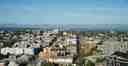 7
7Capitol Hill, Seattle
Buy tour to unlock all 14 tracksLook for a bustling streetscape ahead filled with tall, colorful buildings, lots of foot traffic, and the sound of music and conversations spilling out of coffee shops and bars-if…Read moreShow less
Look for a bustling streetscape ahead filled with tall, colorful buildings, lots of foot traffic, and the sound of music and conversations spilling out of coffee shops and bars-if you spot a busy main drag lined with rainbow crosswalks and energetic crowds, you’re in the heart of Capitol Hill. Alright, welcome to Capitol Hill! If you thought the earlier stops were lively, you’re about to get swept off your feet. Imagine yourself standing atop a steep hill, just east of downtown Seattle, with Broadway-the beating heart of the district-stretching out before you like a stage awaiting its players. The air is scented with espresso, fresh pastries, and maybe a little bit of last night’s adventure. This is a place where everything happens and everyone belongs, a bit like your favorite pair of jeans after Thanksgiving: welcoming, sometimes a bit tight, but always full of character. Let’s rewind the clock. In the early 1900s, Capitol Hill wasn’t even Capitol Hill-it was “Broadway Hill,” named for the grand avenue right in front of you. Now, there’s a bit of neighborhood mystery: did the name “Capitol Hill” come from a developer hoping (rather optimistically) that Washington’s capitol would move here from Olympia, or was it borrowed from Denver, the hometown of his wife? Honestly, it might be both. One thing’s for sure: however it got named, the Hill became Seattle’s home for dreamers, rebels, and just about every flavor of community you can imagine. As you look around, picture the ‘Millionaire’s Row’ of stately mansions tucked behind leafy trees just a few blocks north, and the historic apartment houses crafted by Fred Anhalt-once the pride of pre-war design, now standing cheek-by-jowl with everything modern and sleek. But not every building is a palace, and after the Second World War some less glamorous apartments sprang up, with giant windows turned permanently into mirrors for nosy neighbors. Privacy? Let’s just say tenants here shut their blinds faster than you can say “I left the oven on.” But drama isn’t a stranger to Capitol Hill. In 2020, right by Cal Anderson Park, this neighborhood made national headlines as the site of the Capitol Hill Autonomous Zone-protesters gathered, community gardens flourished, and the sounds of chants and music echoed day and night. It was a wild, creative, chaotic chapter that only added to Capitol Hill’s reputation for activism and community spirit. And speaking of spirit: Capitol Hill has long been a haven for Seattle’s LGBTQ community. In the 1960s, when downtown police cracked down on gay bars, the community moved up here, built its own support networks, and transformed the neighborhood into Seattle’s “gayborhood.” The annual Pride parties? Legendary. Rainbow crosswalks bleed onto the Pike-Pine corridor, and progressive organizations like the Lambert House LGBTQ youth center were born right here. There’s even a street named after local activist Barbara Bailey-try to spot the sign if you’re walking near the light rail station. This isn’t just a party neighborhood, though. Capitol Hill is ground zero for Seattle’s coffee obsession-Espresso Vivace, the birthplace of latte art and, if you ask many locals, the most addictive coffee in town, got its start here. It’s where you can find music of every genre pumping out of bars, the Capitol Hill Block Party rocking Pike Street every summer, theaters showing cult classics, film festivals rolling out the red carpet, and, back in the day, even a “mystery soda machine” spitting out rare sodas nobody could quite explain. Maybe the Hill isn’t quite weird enough for that old machine anymore, but who knows what could pop up next week. And let’s not forget: this is also a place of activism, heartbreak, and hope. During the HIV/AIDS epidemic, Capitol Hill’s community lost many, including Cal Anderson, the first openly gay state legislator-his namesake park remains a memorial and a gathering space for all. You’re standing in the middle of decades of triumphs and struggles, surrounded by historic churches, famous schools, and campuses like Cornish College of the Arts, Seattle University, and more. So take a moment here, soak up the vibrant kaleidoscope of people, sounds, and scenes. Capitol Hill: part storied past, part ever-changing future, and absolutely alive, rain or shine! Fascinated by the geography, transportation or the culture? Let's chat about it
Open dedicated page →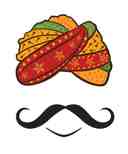 8
8Spice Waala
Buy tour to unlock all 14 tracksTo spot Spice Waala, just look for a bright, cheerful sign featuring a colorful turban decorated with spices right above a bold, twirly black mustache-if you see that, you’re in…Read moreShow less
To spot Spice Waala, just look for a bright, cheerful sign featuring a colorful turban decorated with spices right above a bold, twirly black mustache-if you see that, you’re in the right place! Now, standing here, you’re at the doorstep of a true Seattle success story. Imagine back in 2018, when two food-loving dreamers-Uttam Mukherjee and Aakanksha Sinha-started cooking up Indian street food at pop-ups in Fremont and the South Lake Union Farmers Market. Their food was so good it didn’t just make people happy, it made them demand more! So, in 2019, just a stone’s throw from where you stand, they opened Spice Waala’s very first brick and mortar on Capitol Hill, taking over the space from Kanak Cuisine of India. And you guessed it-the dinner line outside was suddenly as long as the menu! Picture the scene inside: the fragrant sizzle of chicken tikka rolling onto hot griddles, the buttery aroma of samosas, the crackle of puri, and the creamy swirl of mango lassi. At Holi, this place turns into a rainbow of flavors with four-course feasts-kachoris, lentil daal, hearty mutton curry, aromatic pulao, and sweet gujiya. No wonder folks can’t stop raving! But here’s the twist-Spice Waala is also about heart. Their Bhojan community meals program has served over 17,500 meals to neighbors in need. It’s food that feeds the soul. Spice Waala’s fame hasn’t just stayed local. Foodies and critics-from Seattle Refined to Eater Seattle-praise its unique blend of high-quality, affordable street food and a passion for social good, with menu highlights like papdi chaat and show-stopping lamb kebab rolls. So while you might come here for the spice, don’t be surprised if you leave with a big smile and a warm story to tell.
Open dedicated page →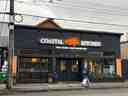 9
9Coastal Kitchen
Buy tour to unlock all 14 tracksYou’ll spot Coastal Kitchen straight ahead with its bold navy facade, big glass windows, and a sign featuring a bright orange fish that practically waves you in for…Read moreShow less
You’ll spot Coastal Kitchen straight ahead with its bold navy facade, big glass windows, and a sign featuring a bright orange fish that practically waves you in for dinner. Standing here, you’d never guess the wild ride this spot experienced! Coastal Kitchen started reeling folks in back in 1993, and for three decades it was so much more than just a seafood joint. Imagine the buzz-plates of fish and chips, oysters clinking into ice, and every few months, the menu would pull a wild card: one season it was hearty Gascony fare; the next, a trip to Patagonian flavors, or even Indian spices sizzling in the air. The art inside danced with the menu, swapping out color and energy as often as the cooks switched up cuisines. At its heart, it was a classic fish house and oyster bar, but a peek at the menu showed everything from gingerbread waffles in the morning to jambalaya with smoked salmon at night. Hungry families mingled with hip friends sharing crab cakes, and breakfast lovers lined up for poutine, spring rolls, and that famous Dungeness crab cake benedict. Then there was the 2012 makeover-talk about a glow-up. The doors closed for a month while $350,000 of updates turned the cocktail bar into a shining marble oyster bar, and to celebrate reopening? The First Shuck-1,000 free oysters handed out to an eager, if slightly shell-shocked, line of fans. After a new set of owners came in 2016, the ride continued, though in 2022, the place took a surprise punch when a car crashed into the front. That could’ve knocked the spirit out of a lesser spot, but not here. Unfortunately, by February 2024, the curtain finally closed. Even now, people talk about the flavors, the laughter, and the way Coastal Kitchen belonged to this neighborhood-proof that even the best fish tales eventually find an end.
Open dedicated page → 10
10Hello Robin
Buy tour to unlock all 14 tracksYou’ll know you’ve found Hello Robin when you spot a playful handwritten sign with “Hello Robin” spelled out in black letters-and don’t miss the bright blue speckled “O” in Robin,…Read moreShow less
You’ll know you’ve found Hello Robin when you spot a playful handwritten sign with “Hello Robin” spelled out in black letters-and don’t miss the bright blue speckled “O” in Robin, drawing your eye like a sprinkle on a sugar cookie. Now, let your nose do some of the work-a wave of sweet, bakery-fresh air promises you’re in the right spot! This cheery, woman-owned bakery first opened its doors right here on Capitol Hill in 2013, ready to tackle the world’s most delicious calling: making cookies so good, you’ll wish your own mom had their recipe. The magic comes from Robin Wehl Martin, co-owner and baker extraordinaire, who set out to show Seattle what a cookie can be. The tagline says it all: “Cookies you wish your mother had made.” And honestly, no ordinary cookie would dream of measuring up to their Mackles’mores-that’s a warm, gooey s’mores cookie packed with Theo chocolate chunks, often sandwiched with Molly Moon’s famous ice cream. Hungry yet? But the fun doesn’t stop there. Take a bite of the Snack Attack cookie-yes, the one with potato chips, dark chocolate, brown butter, a dash of sea salt, and a tiny pretzel pressed on top. Where else can you say your cookie smiled back at you with a pretzel hat? Their cookie lineup is impressive, from classic chocolate chip to zingy lemon poppyseed, brown butter snickerdoodles, and even blueberry pancake. And once in a while, you’ll catch the seasonal Robin’s Nest chocolate mousse dough balls-if you’re lucky. Hello Robin may be small, but it’s made some serious waves. This spot’s cookies have become legends, repeatedly named the best in Washington and included on all sorts of “must-eat” lists. Even Rachel’s Ginger Beer couldn’t resist crumbling Hello Robin’s cookies into their treats! So, go ahead-step inside and grab a cookie or two. You’re finishing your tour with Seattle’s sweetest finale, and believe me, your taste buds will thank you.
Open dedicated page →
Frequently asked questions
How do I start the tour?
After purchase, download the AudaTours app and enter your redemption code. The tour will be ready to start immediately - just tap play and follow the GPS-guided route.
Do I need internet during the tour?
No! Download the tour before you start and enjoy it fully offline. Only the chat feature requires internet. We recommend downloading on WiFi to save mobile data.
Is this a guided group tour?
No - this is a self-guided audio tour. You explore independently at your own pace, with audio narration playing through your phone. No tour guide, no group, no schedule.
How long does the tour take?
Most tours take 60–90 minutes to complete, but you control the pace entirely. Pause, skip stops, or take breaks whenever you want.
What if I can't finish the tour today?
No problem! Tours have lifetime access. Pause and resume whenever you like - tomorrow, next week, or next year. Your progress is saved.
What languages are available?
All tours are available in 50+ languages. Select your preferred language when redeeming your code. Note: language cannot be changed after tour generation.
Where do I access the tour after purchase?
Download the free AudaTours app from the App Store or Google Play. Enter your redemption code (sent via email) and the tour will appear in your library, ready to download and start.
If you don't enjoy the tour, we'll refund your purchase. Contact us at [email protected]
Checkout securely with 


