
Seattle Audio Tour: Legends & Landmarks of Pioneer Square
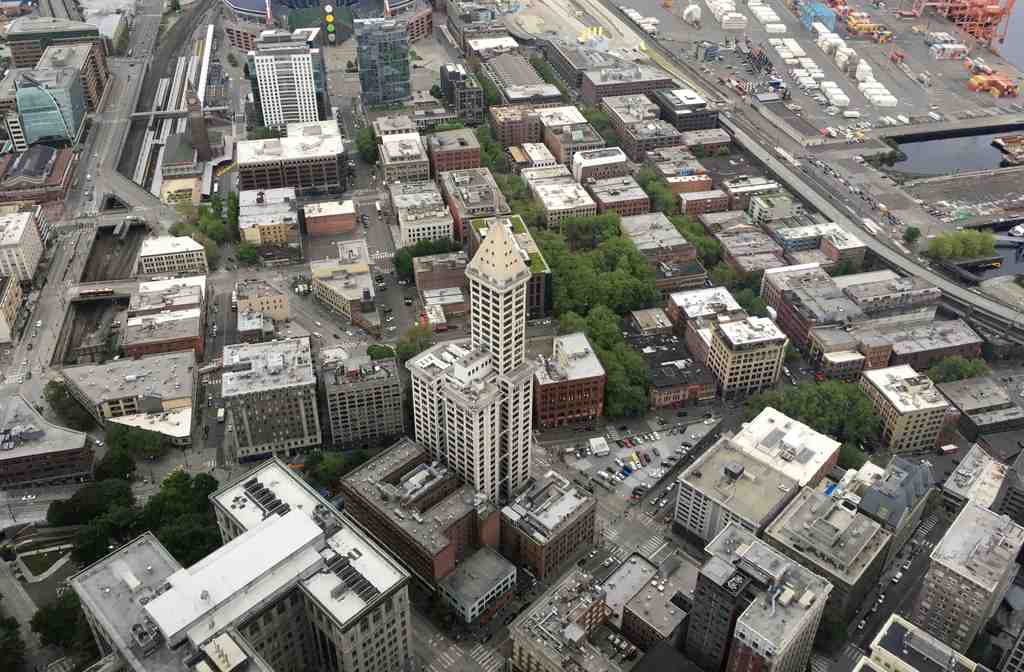
On these storied Seattle streets, gray marble gleams beneath the shadows of Roman columns and brick arches echo secrets from gold-fueled days. This self-guided audio tour is your invitation to wander through downtown’s pulse, discovering legends and untold dramas that most visitors rush straight past. What secret battle for survival nearly erased the Pioneer Building forever? Why does Chief Seattle’s bronze gaze seem to guard his city with equal pride and sorrow? And what strange plans lurked in the basement vaults beneath those grand banking halls? Move between soaring facades and quiet plazas as the past stirs at your feet. Follow shifting fortunes, contested dreams, civic feuds, and bursts of brilliance that shaped a city determined never to stand still. Each stop reveals another layer—moments lost, recovered, or fiercely defended. The marble halls are waiting. Step closer and uncover the hidden heartbeat of Seattle’s history.
Tour preview
About this tour
- scheduleDuration 30–50 minsGo at your own pace
- straighten0.7 km walking routeFollow the guided path
- location_onLocationSeattle, United States
- wifi_offWorks offlineDownload once, use anywhere
- all_inclusiveLifetime accessReplay anytime, forever
- location_onStarts at Bank of California Building
Stops on this tour
lock_open 3 free previews · 4 unlock with purchase
To spot the Bank of California Building, look for a grand, gray stone-clad structure at 815 2nd Avenue, right next to the towering Exchange Building, with four massive Roman-style…Read moreShow less
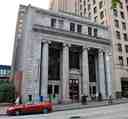
To spot the Bank of California Building, look for a grand, gray stone-clad structure at 815 2nd Avenue, right next to the towering Exchange Building, with four massive Roman-style columns guarding its front and a set of tall windows that seem to invite you into the past. Alright, take a deep breath, smell that mix of city air and a hint of old marble-because you’re standing in front of one of Seattle’s most stately survivors, the Bank of California Building. Let’s wind the clock back a hundred years: it’s the roaring 1920s, jazz is hot, “talkies” are taking over the movie theaters, and here in Seattle, bankers are dreaming big. The Bank of California, already a west coast banking powerhouse after gobbling up a few rivals, had just decided their tiny old office at 2nd and Columbia wasn’t cutting it anymore. They wanted something bold, something to show off their money-and honestly, who doesn’t want to flex a little in the 1920s? So, in classic bank style, they bought up the Epler Block just up the street from their old spot, where a four-story building had stood since the ashes cooled after Seattle’s infamous Great Fire. The plan? Tear it down, make something new, something that would scream ‘trust,’ ‘security,’ and-importantly-‘we have a lot of really nice marble inside.’ Fast-forward a bit-by early 1924, after months of noisy demolition, the building’s concrete frame rose quickly. Imagine the city full of horse-drawn wagons, the clang of hammers, the smell of wet cement, and everyone wondering just how grand these bankers were going to go. By August, the doors opened and Seattle saw what “strict Italian Renaissance style” really looked like: a 60-foot facade dressed up in smooth, gray terra cotta, those four showy Ionic columns (let’s be honest-columns this big would make even an ancient Roman emperor jealous), and a beautifully arched pediment that proudly displayed the building’s birthdate. Don’t just stare at the outside-imagine stepping through those front doors back in 1924. You’d be greeted by a dazzling sunlit bank chamber stretching up 40 feet high, with a semi-octagonal ceiling painted in warm, Mediterranean colors. Bronze torch lights cast a golden glow on polished walnut woodwork, marble counters, and-true story-huge clocks made with fancy imported stone from France. Even the air inside would’ve felt rich (though not in the dollar-bill sense). There were offices on the balconies above, and downstairs, employees had luxurious recreation rooms and vaults stashed away from prying eyes. If you were really lucky (and probably in the right suit), you might’ve gotten invited to the exclusive club room upstairs. Now, not everything went as planned-you know how construction costs always “slip a little”? Their $200,000 plan ballooned by an extra $50,000, making this place even more precious in bank ledger terms. And here’s a twist that’s a bit funny: at one point, they dreamed up an ultra-modern idea-putting a customer parking garage in the basement. Nobody’s quite sure whether that made the final cut, but hey, it would’ve been the height of luxury for 1920s Seattle drivers. Time marched on, and by the 1970s, the bank had grown so much they built an even bigger, shinier Union Bank of California Center nearby. Here comes the irony: while their new skyscraper now sells cough drops and energy drinks as a Bartell Drugs, it’s this sturdy, classic 1924 building that’s still operating as a bank today, now under the Key Bank name. Well, that’s what you call good bones! It survived mergers, lawsuits (yes, rival banks were not happy when the Bank of California tried to keep both locations open), and more than a few name changes. So, as you stand here on the sidewalk, picture the swirling energy of the twenties. Imagine dapper customers striding through those big doors, the echo of their footsteps bouncing off marble floors, the shine of all that bronze and stone. This building has seen Seattle through booms, busts, and everything in between, and it still stands as proud today as it did when couples jitterbugged downtown and bankers dreamed of world domination-one loan at a time. Now, ready to march over to the next Seattle treasure? I promise, fewer columns-maybe more totem poles!
Open dedicated page →You’re looking for a grand, red-brick and stone building with sweeping arches, tall windows, and a pointed tower centered high above the entrance-it sits right on the busy…Read moreShow less
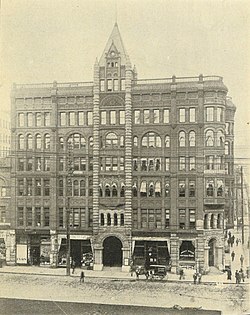
You’re looking for a grand, red-brick and stone building with sweeping arches, tall windows, and a pointed tower centered high above the entrance-it sits right on the busy northeast corner of First Avenue and James Street, so keep your eyes peeled for those impressive arches and ornate details! Alright, now that you’re standing in front of the Pioneer Building, let’s take you time-traveling through some of Seattle’s juiciest stories and wildest transformations-because this building has seen it all. Imagine the year is 1892. Horse-drawn carriages rattle over the road, the smell of fresh sawdust and coal hangs in the air, and the city is still shaking off the ashes of the Great Seattle Fire. This corner right here used to be home to Henry and Sarah Yesler, Seattle’s original power couple. Their orchard stretched out where the rumble of streetcars now rolls, and their old wooden house was the heart of frontier hospitality-if you wanted to find out the latest gossip or grab some strong coffee, the Yesler home was the place to be. But Seattle was changing fast. In the 1880s, fortunes were rising, and Henry Yesler-perhaps inspired by the thunder of industry and the thick scent of opportunity in the air-moved his house back on the lot and packed the street edge with a jumble of relocated buildings: a sort of architectural game of musical chairs. By 1888, Yesler drew up bold plans for a new office building meant to tower above its neighbors, with the architects Fisher & Clark promising it would be the grandest North of San Francisco. The local press was all abuzz! Now, not everything went smoothly. You’d think, with all the forests nearby, stone would be easy to come by-but alas, Seattle faced a stone shortage! Crews could only get their hands on a sliver of what they truly needed. Yet after the Great Fire of 1889 tore through downtown-flattening 32 blocks-this corner became a symbol of rebirth and resilience. The Pioneer Building rose from the very spot, built of strong gray sandstone, shining red brick, and terra cotta flourishes that glistened in the rare Seattle sun. Step closer, and you can trace a tug-of-war in the style-there’s the heavy, almost brooding Romanesque arches over the doors and windows, set off by the gridded vertical pilasters and crisp lines that hint at Victorian ideas of order and beauty. Imagine the clamoring sounds of miners, lawyers, and businessmen stomping up the granite steps, the low hum of a thousand dreams packed into 185 office rooms, each one glowing with light from two massive atria overhead. Business boomed, especially when gold fever struck in 1897: the Klondike Gold Rush turned this building into a gold-seeker’s palace, with 48 mining companies hustling inside its walls. If you listened closely back then, you might have heard deals being whispered in shadowy corners, or, sneaking through a side door, found the first speakeasy in Seattle doing a not-so-quiet trade during the Prohibition days. But the good times didn’t last forever. By the 1950s, the boom had faded, and this whole district began to wilt. Empty offices, boarded windows, and echoes of footsteps in the halls painted a sadder picture. The city almost lost its historic heart-this very building was moments away from the bulldozer, ready to make way for yet another parking garage. Thankfully, Seattle citizens kicked up a dramatic fight, and their efforts saved not just the Pioneer Building but the whole Pioneer Square Historic District. Instead of wrecking balls, the National Register of Historic Places came to the rescue. There’s a quirky twist: in 1971, the government nearly turned this place into a national park exhibit for Klondike Gold Rush stories, but private entrepreneurs snagged it and breathed new life into its halls. By 1977, alongside the famous pergola and totem pole you’ll see soon, this building officially became a National Historic Landmark. Today, the pulse of invention beats strong again. The offices inside house everyone from lawyers to mini-golf designers to Henry’s Bail Bonds-talk about covering all your bases! You can even grab tickets for the underground tour, which starts just steps from where you stand. The Pioneer Building now serves as a hive for modern entrepreneurs, all hustling within these timeless walls. So, as you gaze up at those arched windows and heavy stone pillars, remember: you’re not just looking at a building. You’re standing where pioneers dreamed, miners schemed, and Seattle picked itself back up, dusted off its boots, and decided to shine even brighter-rain or shine! Yearning to grasp further insights on the location, design or the current use? Dive into the chat section below and ask away.
Open dedicated page →To spot the landmark, look in front of you for a bronze bust with the name “Chief Seattle” carved on its base, its thoughtful eyes gazing over the busy intersection beside a…Read moreShow less
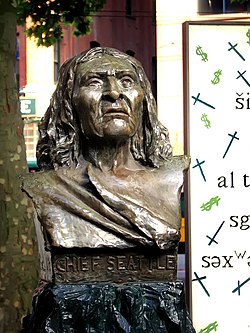
To spot the landmark, look in front of you for a bronze bust with the name “Chief Seattle” carved on its base, its thoughtful eyes gazing over the busy intersection beside a cluster of trees and city signs. Alright, you’re standing just feet away from Chief Seattle himself! Well, his bronze likeness, anyhow. Imagine it’s the year 1909: horses and dogs strut the muddy Seattle streets, men tip their hats, and right here at the corner of First Avenue and Yesler Way, this very bust stood watch over a fountain where both people and their furry companions could stop for a drink. Chief Seattle-whose real name was Si’ahl-was the leader of the Suquamish and Duwamish people, and his wisdom cast a long shadow over this land. The artist, James A. Wehn, captured the chief’s powerful presence in this sculpture, his face full of quiet strength and worry lines earned from leading his people through tough times. Now, imagine the excitement of the Alaska-Yukon-Pacific Exposition. Seattle was buzzing, and this bust was commissioned as a proud tribute, anchoring the city to its roots. Over the years, the bust has seen plenty-festivals, protests, even the odd pigeon-but it stands resilient as ever. And get this: there’s another twin bronze of Chief Seattle at Seattle University, but this one? This is where the heart of the city beats. Who knew a watering hole for horses could leave such a lasting legacy, eh?
Open dedicated page →
Show 4 more stopsShow fewer stopsexpand_moreexpand_less
To spot Pioneer Square, look for a cluster of handsome red-brick and stone buildings with a small, leafy park nestled among them, just to the west of the tall, white Smith Tower…Read moreShow less
To spot Pioneer Square, look for a cluster of handsome red-brick and stone buildings with a small, leafy park nestled among them, just to the west of the tall, white Smith Tower and near the train tracks and piers. Alright, traveler, you’re standing in the beating heart of Seattle’s history-Pioneer Square. Imagine yourself stepping into a time machine-the pavement rattles under your feet as streetcars jangle by, brick buildings rise up around you, and the salty breeze brings a whiff from Elliott Bay. Back in 1852, Seattle's founders landed here, possibly a little soggier than they'd hoped after braving the wilderness across the bay at Alki Point. They settled this spot for a very practical reason: Henry Yesler wanted to build a lumber mill, and who can blame him? The city grew right out of the mud and water, with early settlers filling in marshy ground and leveling bluffs to lay out the first streets. It wasn’t exactly a neat grid-cross Yesler Way, and suddenly even the roads couldn’t agree on which way to run. In those days, this area was a wild jumble of wooden buildings, bustling wharves, and a mix of pioneers, dreamers, and more than a few folks seeking trouble. Yesler Way itself became famous for more than its sawmill; it drew the line between the more “proper” north and the so-called “restricted district” to the south-otherwise known as Skid Road. It was a place where deals, dice, and the occasional dubious decision flowed freely-I wouldn’t advise you to check your wallet too thoroughly, though; rumor has it even the police only entered in teams. Disaster struck in 1889. The Great Seattle Fire roared through these very streets, turning nearly everything to ash and cinders. But the city wasn’t going to let a little thing like total destruction slow it down! Within a year, dozens of sturdy brick and stone buildings rose from those ashes in late 19th-century armadillo-skinned style-Richardsonian Romanesque, if you want to sound fancy at dinner parties. Pioneer Square’s distinctive look comes from those determined folks stacking bricks, plunking arches over windows, and building with dreams. By the time the gold-lust of the Klondike Gold Rush hit in the late 1890s, stampeders swarmed through Pioneer Square on their way north. Merchants grew rich, and, I bet, more than one hopeful prospector lost their savings to a sharp card game or a piano-playing charmer. Speaking of notorious legends, you’re walking streets that once saw brothels, saloons, and “box houses”-rowdy places full of theater, music, and all manner of entertainment, honest or otherwise. There’s an art to chaos, and Pioneer Square had it in spades. (If the sidewalks seem a little high, by the way, you’re not imagining things! The city literally raised the streets to fix drainage, leaving some old storefronts buried below-a mystery you can still explore in the city’s famous Underground Tour.) Keep your eyes out for the art around you-not just the totem pole and pergola, but galleries tucked into old buildings and public art woven into alleyways thanks to the Forest For The Trees project. With installations brightening up brick walls and small passageways, the neighborhood now mixes the buzz of history with a splash of modern creativity. If you’re here in early June, you might just stumble upon the Pioneer Square Fire Festival. The area fills with the wail of sirens and cheer of crowds as firefighters parade past-celebrating the men and women who keep Seattle safe, and honoring the fallen with the solemn bronze of the Firefighter’s Memorial. Pioneer Square is a place where every corner tells a story: from bawdy cabarets and parlor houses (run, fun fact, by some celebrity madames-Lou Graham, Lila Young, and Raw McRoberts, anyone?) to Seattle’s first Catholic church founded by Father Francis Xavier Prefontaine-whose name lives on in the nearby street. You can feel the pulse of history in the hodgepodge street grid, the echo of cable car bells, and the lively crowds packing cafés and bars. So, as you stand here, let your imagination walk alongside dockworkers, dreamers, and the tides of fate that built Seattle. And don’t worry-if you get lost in all these stories, just look for the Smith Tower looming nearby; it’s been pointing the way in Pioneer Square since 1914. Just try not to confuse it for the “Sinking Ship” parking garage across the way-unless, of course, you’re due for a good pirate joke!
Open dedicated page →Look just ahead for a wide, round concrete fountain with a bright blue tiled basin and little sculpted turtles perched on the rim-trust me, those turtles aren’t going anywhere…Read moreShow less
Look just ahead for a wide, round concrete fountain with a bright blue tiled basin and little sculpted turtles perched on the rim-trust me, those turtles aren’t going anywhere fast! Now imagine Seattle almost a hundred years ago, when this small patch of park was busy with horse-drawn wagons and early automobiles rattling down the street. Prefontaine Fountain was finished in 1925, and right from the start it was a bit of a showstopper. Picture crowds gathering for its grand opening, the air full of excitement (and probably a whiff of wet concrete). But behind its bubbly beauty is the story of a generous spirit-Father Francis X. Prefontaine, who built Seattle’s first Catholic church. He loved this city so much he donated $5,000 (which bought quite a lot more than a coffee and a donut in those days!) to build this fountain in his honor. The fountain is like a friendly old neighbor-Seattle’s oldest one, in fact-standing watch as the city has changed around it. And although the fountain’s area is now fenced off, you can still spot the blue mosaic tiles, gleaming like the surface of a pond on a rare sunny day, and those turtles, frozen forever in a race they’ll never win. So tip your hat to old Father Prefontaine and his turtle troupe-after all, they’ve been waiting almost a century for this moment with you!
Open dedicated page →


Frequently asked questions
How do I start the tour?
After purchase, download the AudaTours app and enter your redemption code. The tour will be ready to start immediately - just tap play and follow the GPS-guided route.
Do I need internet during the tour?
No! Download the tour before you start and enjoy it fully offline. Only the chat feature requires internet. We recommend downloading on WiFi to save mobile data.
Is this a guided group tour?
No - this is a self-guided audio tour. You explore independently at your own pace, with audio narration playing through your phone. No tour guide, no group, no schedule.
How long does the tour take?
Most tours take 60–90 minutes to complete, but you control the pace entirely. Pause, skip stops, or take breaks whenever you want.
What if I can't finish the tour today?
No problem! Tours have lifetime access. Pause and resume whenever you like - tomorrow, next week, or next year. Your progress is saved.
What languages are available?
All tours are available in 50+ languages. Select your preferred language when redeeming your code. Note: language cannot be changed after tour generation.
Where do I access the tour after purchase?
Download the free AudaTours app from the App Store or Google Play. Enter your redemption code (sent via email) and the tour will appear in your library, ready to download and start.
If you don't enjoy the tour, we'll refund your purchase. Contact us at [email protected]
Checkout securely with 




