
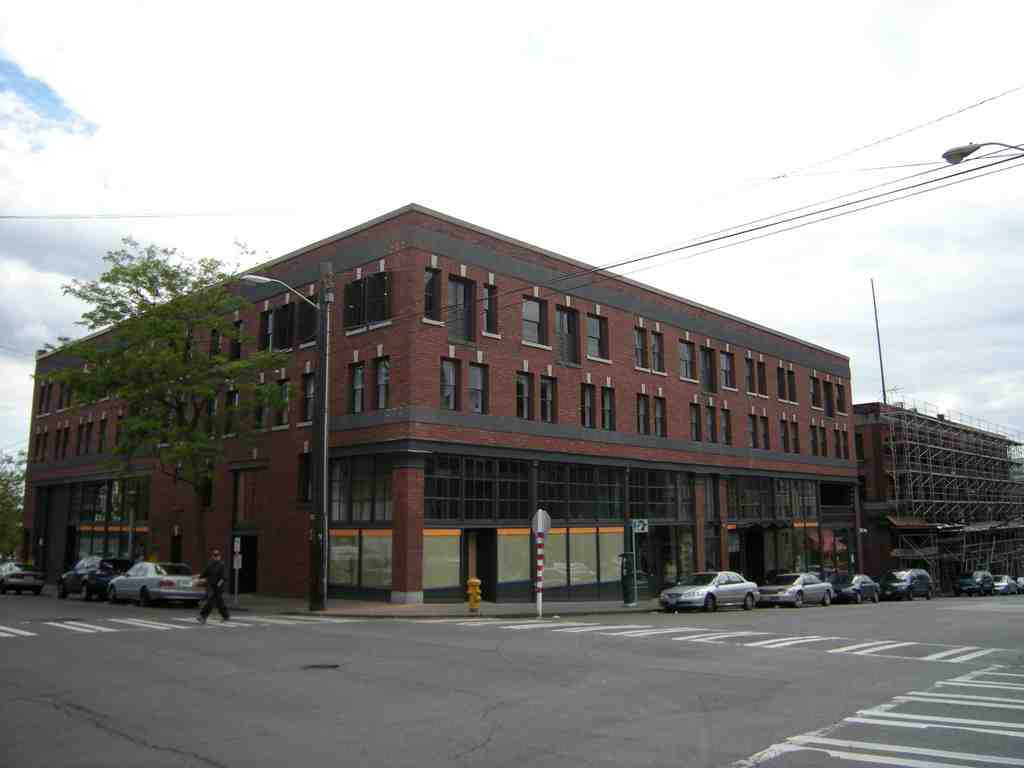
You’re looking for a big, red-brick building on the corner with plenty of black-trimmed windows and large storefront glass-just across the intersection, where tree branches nearly brush against the walls.
Welcome to the Wing Luke Museum, the soul of Asian Pacific American history in Seattle! Take a deep breath and picture yourself in the bustling Chinatown-International District, where the hum of the past mingles with everyday life. It all began back in the 1960s when Wing Luke, Seattle’s first Asian American city council member, realized this neighborhood needed a vault for its stories-somewhere people could remember where they came from, even as the world spun forward. After his tragic death in a plane crash in 1965, friends picked up his torch and opened this museum in a snug little storefront-imagine just a handful of rooms packed full of memory and hope.
But dreams, just like people, tend to grow. Pretty soon, the Wing Luke Museum needed more space to fit all the voices and artifacts gathering dust in its heart. In 1987, it moved to a bigger spot, and by 2008, it graduated to this grand corner in the historic East Kong Yick Building, built all the way back in 1910 with money pooled from Chinese immigrants. If the walls could talk, you’d hear Chinese, Japanese, and Filipino languages echoing through the old Freeman Hotel upstairs, and laughter drifting up from alleyway apartments.
Today, the museum is more than just a collection of items behind glass. It hosts over 18,000 treasures-photographs, keepsakes, documents, family stories, and an entire old grocery store, Yick Fung Co., preserved right here. You can even step inside the former meeting room of the Gee How Oak Tin Association, peek into recreated kitchens, and wander through rooms where new arrivals once dreamed of better tomorrows.
Walking through the museum feels a bit like opening a book with pages from dozens of cultures-Chinese, Filipino, Vietnamese, Japanese, and more. Over 26 ethnic groups have their say here, telling tales through objects and voices. The magic comes from the community: every exhibit is designed hand-in-hand with local groups and families, who help decide which stories matter and which secrets should finally see daylight. That way, nothing feels stiff or distant-all the exhibits beat with the pulse of real life. This approach won the museum national awards and inspired its unforgettable exhibit about Bruce Lee, who somehow managed to break boards and stereotypes at the same time.
Sometimes the museum’s own story feels like a drama-full of triumphs but also shadows. In 2023, late at night, someone smashed nine museum windows in a shocking, racially motivated crime. The sound must’ve echoed through Canton Alley. But the community rallied, painting a new mural over the broken panes, turning pain into beauty.
More recently, the museum made headlines when half its staff walked out in protest against an exhibit they felt didn’t represent everyone’s truth-a reminder that this place isn’t just about preserving the past, but grappling with the present, too.
As you stand here, remember: these bricks have held shopkeepers’ dreams, travelers’ worries, children’s games, and the raw energy of people forging new lives. The Wing doesn’t just store history-it’s like a living, breathing nerve center for memory, community, and the tricky business of understanding each other. So, ready to step in and let these stories sweep you off your feet? Just watch your head; you never know when a flying kung-fu kick might come your way-Bruce Lee’s legacy lives here, after all!


