
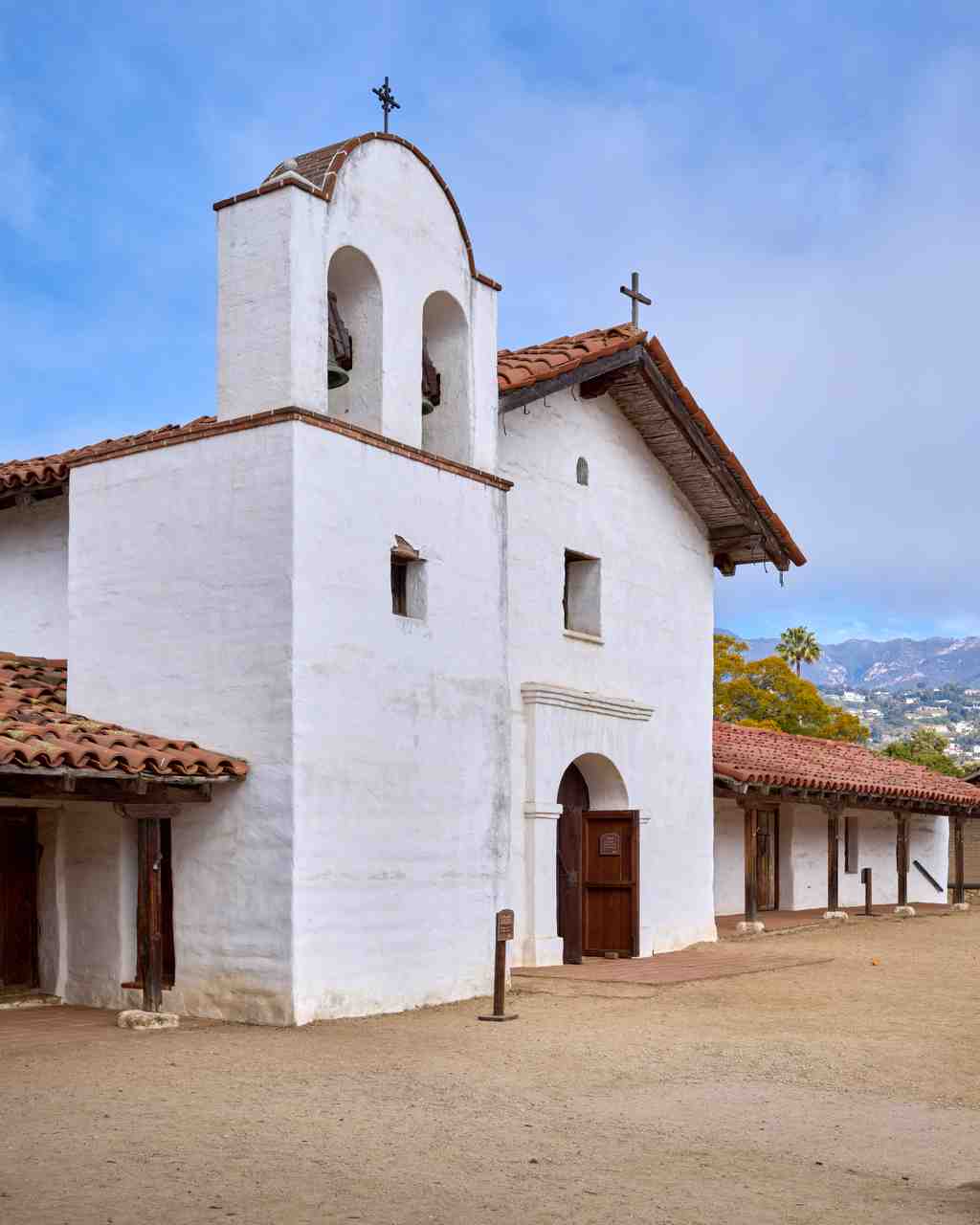
Take a look just ahead-you're about to spot a cluster of sturdy, earth-toned adobe buildings with thick walls and red tile roofs, nestled behind humble fences right at the corner of Canon Perdido and Anacapa Streets, across from the post office; that’s the legendary Presidio of Santa Barbara.
Alright, picture this: It's the early morning of April 21st, 1782. Spanish soldiers, padres, and Chumash workers are bustling around in the salty breeze-everyone’s hands deep in mud, hay, and hard labor. Suddenly, a bell rings, and the blessings of Padre Junípero Serra echo out over the embryonic walls. If you squint, can't you almost see the volunteers moving about, the sound of adobe bricks thudding into place and military boots crunching on gravel as the very last Spanish outpost in the entire New World rises, brick by brick?
The Presidio’s thick adobe walls, 330 feet on each side, formed a square fortress meant to protect the fledgling town from whatever fortune-or misfortune-sailed its way along the California coast. The coast seemed inviting to pirates and foreign navies, so Governor Felipe de Neve chose this spot for safety, shelter, and, conveniently, access to building material-and maybe so the soldiers wouldn’t have to hike too far if they forgot their lunches.
Inside the Presidio's quadrangle, 61 officers and men set up their lives, guided by the capable hand of José Francisco Ortega-the Presidio's first comandante, who oversaw the livestock and orchards and even directed irrigation canals. Under his watch, the sand and sycamores became the town’s first farm. The very first fields grew wheat tended by local Chumash, led by Chief Yanonalit. That’s right-a cereal-sly beginning for Santa Barbara, brought to you by teamwork! Ortega’s successor, Felipe de Goicoechea, carried on the construction, bringing families to settle, and soon this little chunk of Spain-in-America was a thriving heart for early Santa Barbara.
Imagine standing here two centuries ago: Adobe soldiers’ quarters hugged two sides, the open plaza buzzed with children’s laughter and orders barked out for drills, and the chapel stood bravely at one end-a beacon for worship, weddings, and the occasional civic event-even today you might catch a concert or a ceremony echoing through its restored walls. During its heyday, the Presidio was never besieged by enemies, but it faced the fierce troubles of nature itself: powerful earthquakes from time to time shook these walls so hard that the original chapel (the town’s main church until 1857) was ultimately destroyed by the Fort Tejon earthquake-a reminder that in California, even the saints have to brace themselves for tremors.
By 1846, things at the Presidio had gone a bit quiet-military life had slowed down, and the old fortress was slowly being reclaimed by time. Then the Mexican-American War rolled in, bringing a dash of drama. John C. Frémont outfoxed his rivals by sneaking over the muddy San Marcos Pass and surprising the practically empty Presidio from behind. Not a shot was fired-the Californio garrison was down in Los Angeles, and the Presidio simply surrendered on a blustery December day. Talk about anticlimactic!
Over the years, the Presidio’s purpose shifted, from fortress to farm to faded relic. It provided land for two lively churches-Our Lady of Sorrows-both still standing today, holding onto their Catholic legacy. But the Presidio itself refused to fade. In 1963, local citizens stepped in, forming the Santa Barbara Trust for Historic Preservation with a simple mission: save the fortress! Today, this place is an active archaeological site and a fascinating museum, living right in the heart of downtown. Here, you’ll find original remnants like El Cuartel-the second oldest building in California-and the visitor center in the old Cañedo Adobe. The rest of the quadrangle has been lovingly reconstructed, stone by stone, so you can walk through authentic soldiers’ quarters and the Presidio Chapel, where music and even modern weddings sometimes bring new echoes to old walls.
Stand quietly for a moment-let your imagination fill the courtyard with marching men, clattering swords, the scent of orange blossoms from the mission orchards, and voices of Chumash families and Spanish settlers. You’re standing where Santa Barbara truly began-with a dream defended by thick adobe and a strong community spirit.
If you're keen on discovering more about the contemporary setting and use, mexican-american war or the preservation, head down to the chat section and engage with me.




