
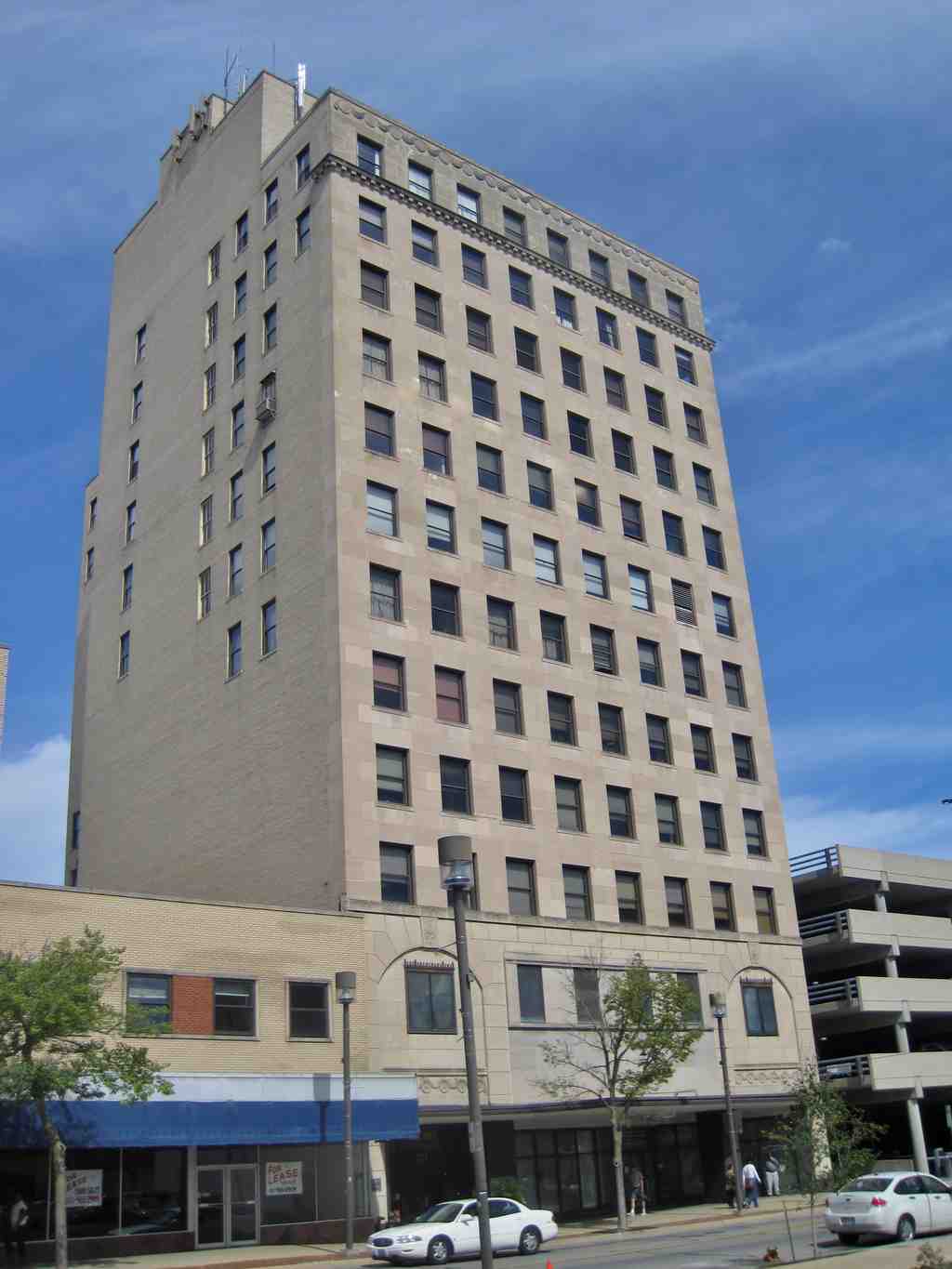
Ahead of you, you’ll spot a tall, stately stone building with rows of wide windows, standing alongside lower shops and a parking garage-just look for the tallest blocky structure on this side of the street.
Welcome to the beating heart of Rockford’s history-the West Downtown Rockford Historic District! Imagine, if you will, the sound of old iron horses-no, not motorcycles, but the steam locomotives-whistling through the air and merchants shouting out daily deals along these bustling streets. Back in 1834, before smartphones, Wi-Fi, and even electricity, this spot was nothing but open land, until a fellow with the impressive name of Germanicus Kent decided it was perfect for a little settlement. He called it Kentville, opened a blacksmith shop, a bank, a general store, and a hotel, all right where you’re standing, near the crossroads of State and Madison. It wasn’t long before the first ferry splashed its way across the Rock River here in 1836 and then, just a few years later, Rockford’s first bridge connected the east and west sides.
The city grew fast, fueled by its lucky spot smack dab between Chicago and Galena. People wanted to be here. By the 1850s, there were nearly as many houses on the west as there were on the east. And as more folks arrived, rickety wooden buildings slowly gave way to sturdy brick and stone-Rockford was here to stay! Fancy a game of I Spy? See if you can find the Chick House, one of the oldest survivors from all those years ago.
The 1880s were good times-a street railway opened and suddenly, everyone wanted to be on the west side. Pharmacy owner John R. Porter started an empire right on this corner. Modern department stores, like D. J. Stewart and J.C. Penney, popped up-shop ‘til you drop was practically invented right here! But the roaring fun was interrupted by the Panic of 1893. The streets got quieter, and buildings went up more slowly. Still, Rockford wasn’t out for the count. The landmark Memorial Hall went up in 1903, dedicated by none other than President Theodore Roosevelt-imagine the crowds cheering as Teddy spoke!
Then came the Roaring Twenties-this whole area came alive with new banks, soaring towers like the Talcott Building, and the dazzling Coronado Theatre. Tough times hit again in the Depression, and then during the war, but each decade left its own mark on these walls.
Today, as you look around, remember: the structures surrounding you watched more than a hundred years of parades, protests, laughter, and loss. And hey, if these old buildings could talk, they’d probably want to tell you the best spot for ice cream, too. Keep an eye open for all forty-four structures-each one’s got a chapter in Rockford’s story!


