
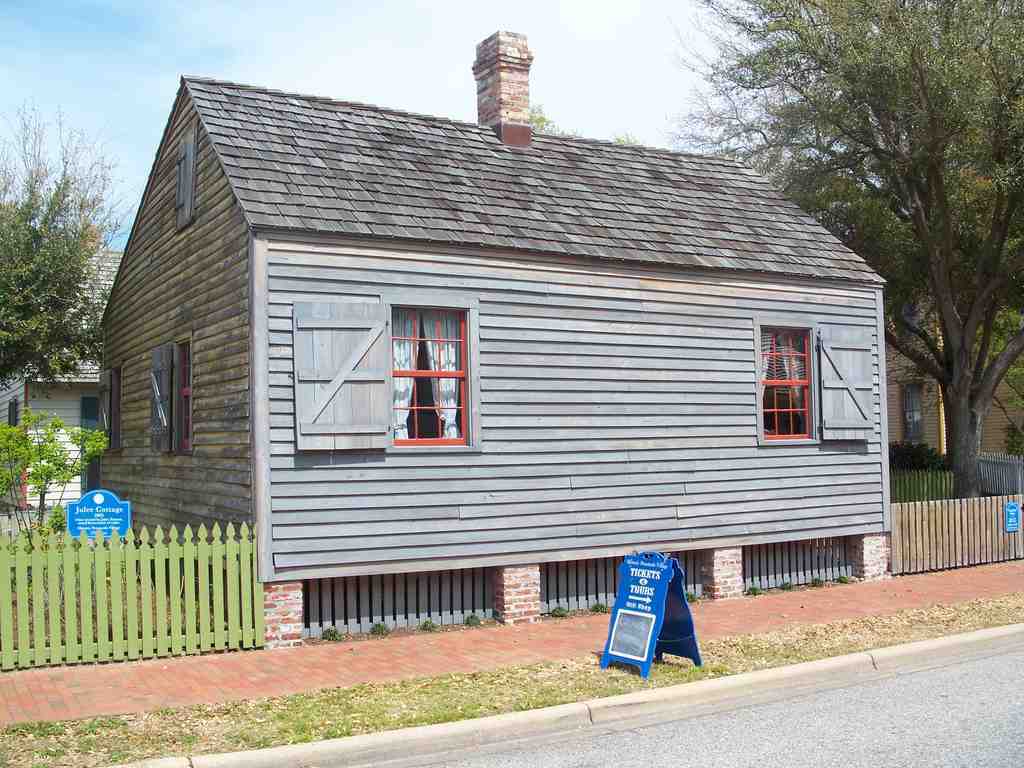
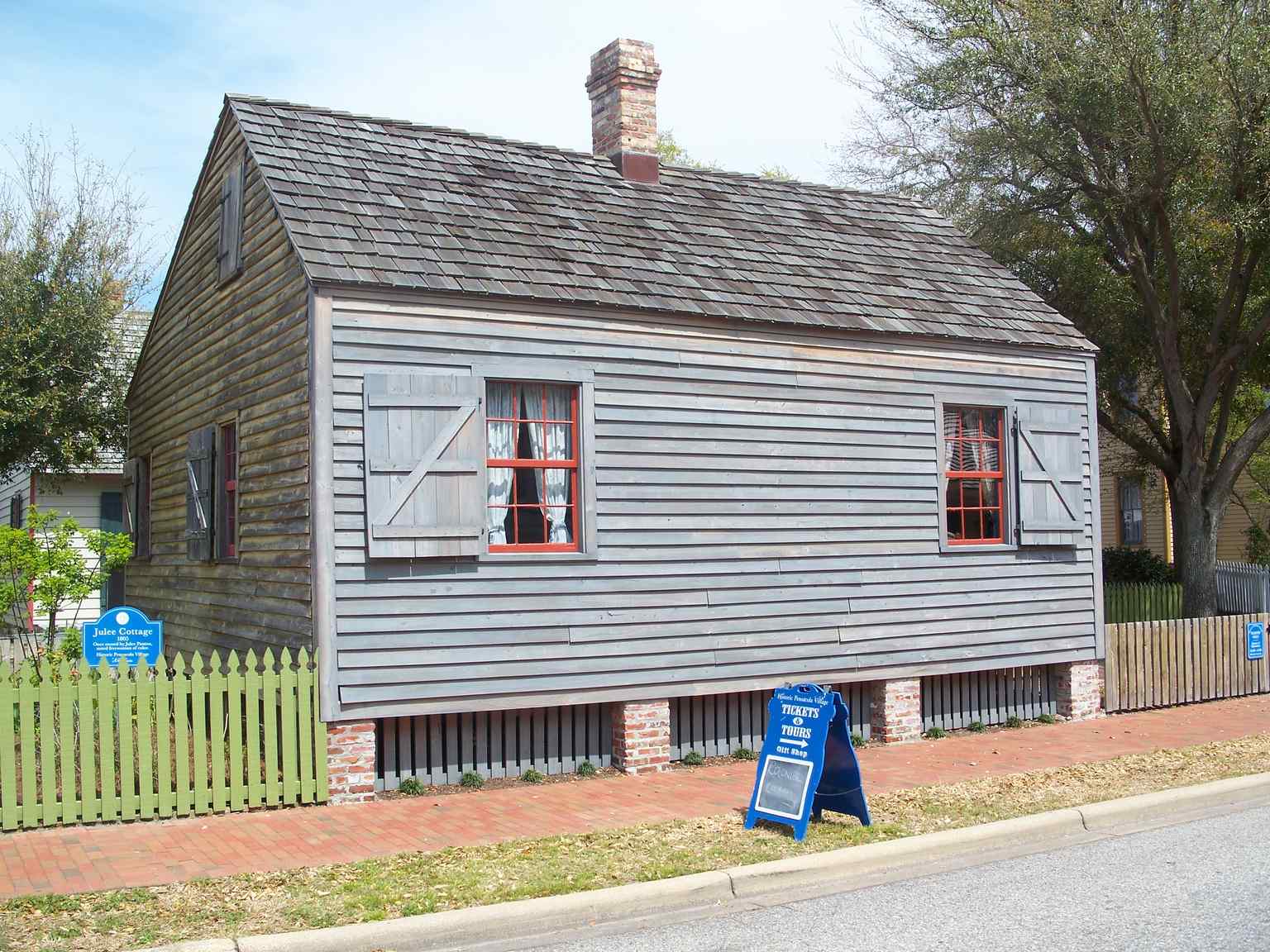
On your right is a small, rectangular wooden cottage with a weathered shingle roof, resting elevated on short brick piers, and marked by a bright blue historical sign out front. Welcome to the Pensacola Historic District! As we leave the industrial waterfront behind us, just take a moment to absorb these brick pathways and historic timber homes. This neighborhood is the ultimate testament to the shifting empires and the fierce battles to keep the past alive. The ground we are walking on holds some of the deepest secrets in North America. You might remember the doomed 1559 expedition led by Tristan de Luna that we discussed earlier. After a massive hurricane wiped out their fleet, the desperate survivors faced terrible famine and eventually abandoned the site. For centuries, the exact location of this doomed Spanish colony took on a mythical status, completely lost to time. That is, until late 2015. A former archaeology student spotted some unusual artifacts in a cleared lot where a modern house had just been torn down in a nearby residential neighborhood. Subsequent excavations in the yards of private homeowners uncovered large garbage pits containing deer antlers, oyster shells, and iron barrel straps. Tristan de Luna's mythical settlement had finally been found, hidden in plain sight right under people's front yards for over four centuries! But we almost lost the more recent history standing right in front of us. By the 1960s, this entire district was deeply neglected. It was saved by the grassroots efforts of a visionary local woman named Mary Turner Rule Reed. She and her friends formed the Pensacola Heritage Foundation, bought an aging historic home, and restored it with their own hands. To convince skeptical locals that this blighted neighborhood was worth saving, they threw a massive Victorian picnic in the park called An Evening in Old Seville Square. Her relentless fight against the bulldozers of progress is the only reason this district survives today. Because of those preservationists, we still have the very building you are looking at, the Julee Cottage. This simple Creole cottage was purchased around 1805 by Julee Panton, a free woman of color living under Spanish occupation. She bought it for three hundred dollars, which is roughly seven thousand five hundred dollars today. She made her living selling candles and pastries, but local legend holds that she used her hard earned wealth to purchase the freedom of enslaved African Americans, helping them start new lives. From devastating storms that wiped the slate clean, to the incredible locals who rebuilt and protected these streets, this city never stops fighting for its soul. By the way, if you want to explore the interiors of these historic museum buildings, they are open Tuesday through Saturday from 10 AM to 4 PM. Now, let us take a short one minute walk to our very final stop, Old Christ Church, to see the ultimate symbol of Pensacola's endurance.


