
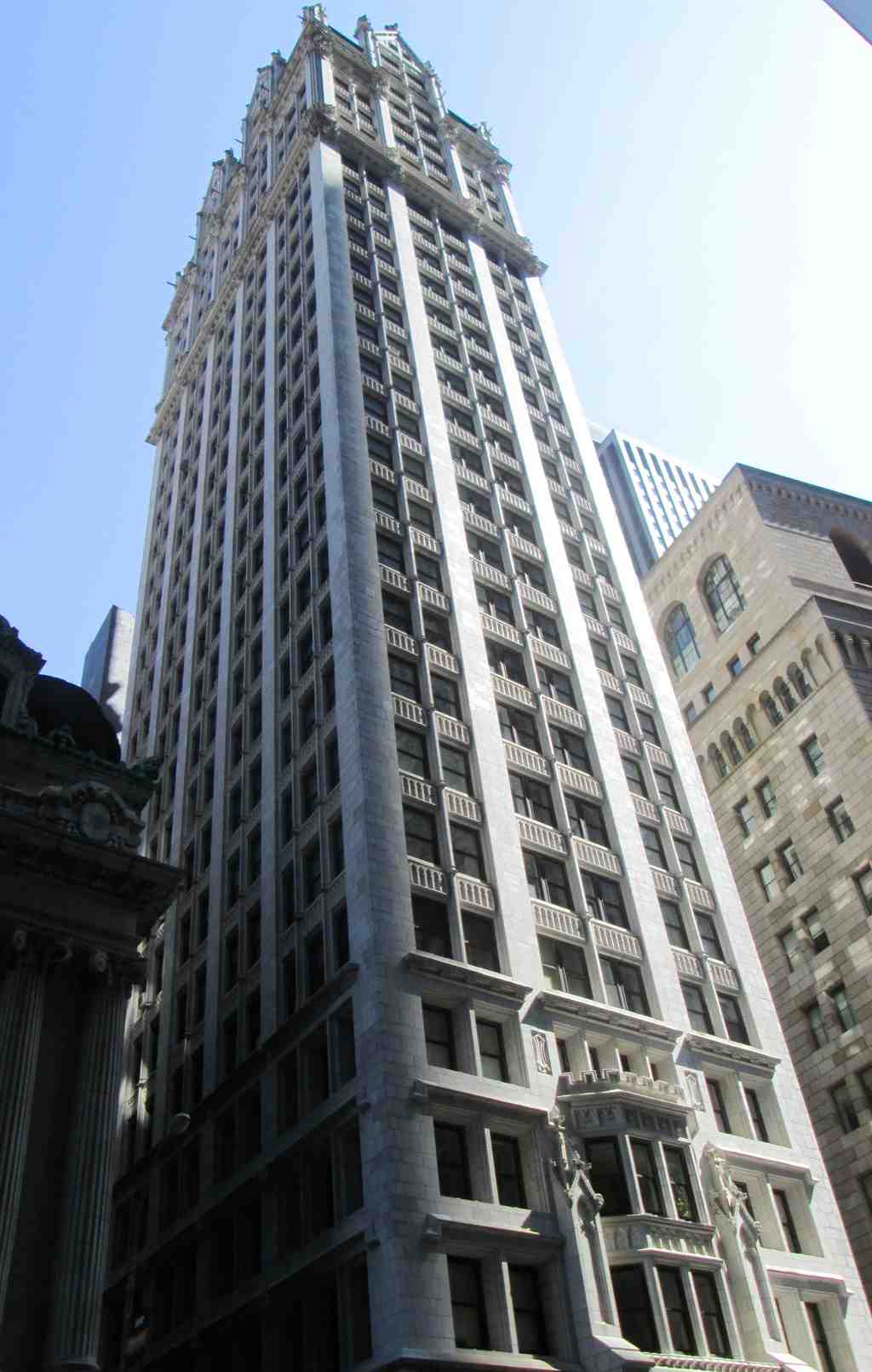
New York City Audio Tour: Resilience and Reflection in the Financial District
Beneath the soaring spire of Liberty Tower and the silent pools of the 9/11 Memorial, Manhattan’s Financial District hides stories of power struggles, secretive deals, and staggering bravery that shaped the world. This self-guided audio tour unlocks the streets most travelers see but never truly know, delivering insider tales and little-known corners at your own pace. What coded message paralyzed Wall Street in a single afternoon? Which vanished landmark once triggered a citywide uprising in minutes? Who carried the most valuable sheet of paper ever lost among these skyscrapers? Move from the shadows of tragedy to the heights of ambition, tracing tales of loss, survival, and transformation. Each step uncovers layers beneath the city’s steel and stone, revealing Manhattan’s heart in motion through drama, loyalty, and hope. Start your journey now and discover what history hides just beyond the next corner.
Tour preview
About this tour
- scheduleDuration 30–50 minsGo at your own pace
- straighten0.5 km walking routeFollow the guided path
- location_onLocationNew York, United States
- wifi_offWorks offlineDownload once, use anywhere
- all_inclusiveLifetime accessReplay anytime, forever
- location_onStarts at Liberty Tower
Stops on this tour
To spot Liberty Tower, look for a tall, slender white building with ornate, castle-like decoration and pointed roof features, rising sharply above the narrow streets at the corner…Read moreShow less
To spot Liberty Tower, look for a tall, slender white building with ornate, castle-like decoration and pointed roof features, rising sharply above the narrow streets at the corner of Liberty Street and Nassau Street. As you stand here outside the Liberty Tower, you can almost feel the layers of history pressing in from all sides. The narrow streets of Manhattan’s Financial District are dwarfed by this 33-story giant, once known as the Sinclair Oil Building, now gleaming with a white terracotta facade that’s richly decorated with fanciful creatures. If you look closely, you may spot gargoyles, birds, and even alligators peering down at the city below-remnants of a time when architects loved to surprise and delight, and when the skyline was more about artistry than sheer height. It’s 1909. Horse-drawn carts still rattle along Liberty Street. Men in fedoras shout the latest headlines from street corners. Into this bustling world, Henry Ives Cobb, a determined architect familiar with Gothic grandeur and the new steel skeletons of skyscrapers, brings his vision to life. The Liberty Tower grows on an odd-shaped plot where the influential New York Evening Post once stood, its very ground whispering stories of journalists, editors, and the city’s daily drama. Cobb’s design is ambitious: three distinct sections-like the column of an ancient temple-rise from a solid stone base through a tall, elegant shaft to an ornate crown. When finished, it’s the slimmest tower in the world, with an almost unbelievable floor area ratio of 30 to 1. People flock here just to marvel at how this narrow pillar doesn’t topple. To anchor the building, workers sink caissons so deep-94 feet into the earth-that, at the time, only one building in New York goes deeper. Early tenants sense the building’s promise. In a small law office on the second floor sits a young Franklin Delano Roosevelt, future president of the United States, dreaming of what’s possible. Other floors bustle with insurance agents, lawyers, and the hum of America’s growing economy. But behind the scenes, developers struggle-defaults, foreclosures, transfers of ownership follow each other in rapid succession, the whole thing teetering on the edge like the city itself during these turbulent years. The Roaring Twenties arrive, and so do bigger players. Sinclair Oil buys up the whole building, splashes its name across the doors, and soon the tower’s offices are the backdrop to secrets and scandals. Here, deals are struck that tie into the infamous Teapot Dome affair, one of the greatest political scandals of its age. Even spies operate here for a time; in 1917, German agents use an office in this tower as they hatch plots to shape the world outside, their activities lurking in the shadows just above the crowded sidewalks. Decades roll by. Oil barons and real estate magnates come and go. After World War II, the Sinclair name fades, and the tower quietly waits for its next chapter. By the late 1970s, the Financial District is changing, emptying out at night, and suddenly an architect named Joseph Pell Lombardi sees potential where others see only problems. He transforms its offices into apartments-the first big office-to-residence conversion south of Canal Street-and breathes new life into Liberty Tower just as the city’s fortunes wane and rise again. This building has survived more than a century of change, from newspaper presses to presidential ambitions, from wartime spies to scandal, and even the shattering events of September 11, 2001, when damage threatened its bones but not its spirit. Today, as you look up at its lace-like terracotta and copper roof, know that you are gazing at a survivor-one that continues to adapt and endure, just like New York itself. Ready to delve deeper into the site, architecture or the critical reception? Join me in the chat section for an enriching discussion.
Open dedicated page →
Frequently asked questions
How do I start the tour?
After purchase, download the AudaTours app and enter your redemption code. The tour will be ready to start immediately - just tap play and follow the GPS-guided route.
Do I need internet during the tour?
No! Download the tour before you start and enjoy it fully offline. Only the chat feature requires internet. We recommend downloading on WiFi to save mobile data.
Is this a guided group tour?
No - this is a self-guided audio tour. You explore independently at your own pace, with audio narration playing through your phone. No tour guide, no group, no schedule.
How long does the tour take?
Most tours take 60–90 minutes to complete, but you control the pace entirely. Pause, skip stops, or take breaks whenever you want.
What if I can't finish the tour today?
No problem! Tours have lifetime access. Pause and resume whenever you like - tomorrow, next week, or next year. Your progress is saved.
What languages are available?
All tours are available in 50+ languages. Select your preferred language when redeeming your code. Note: language cannot be changed after tour generation.
Where do I access the tour after purchase?
Download the free AudaTours app from the App Store or Google Play. Enter your redemption code (sent via email) and the tour will appear in your library, ready to download and start.
If you don't enjoy the tour, we'll refund your purchase. Contact us at [email protected]
Checkout securely with 


