
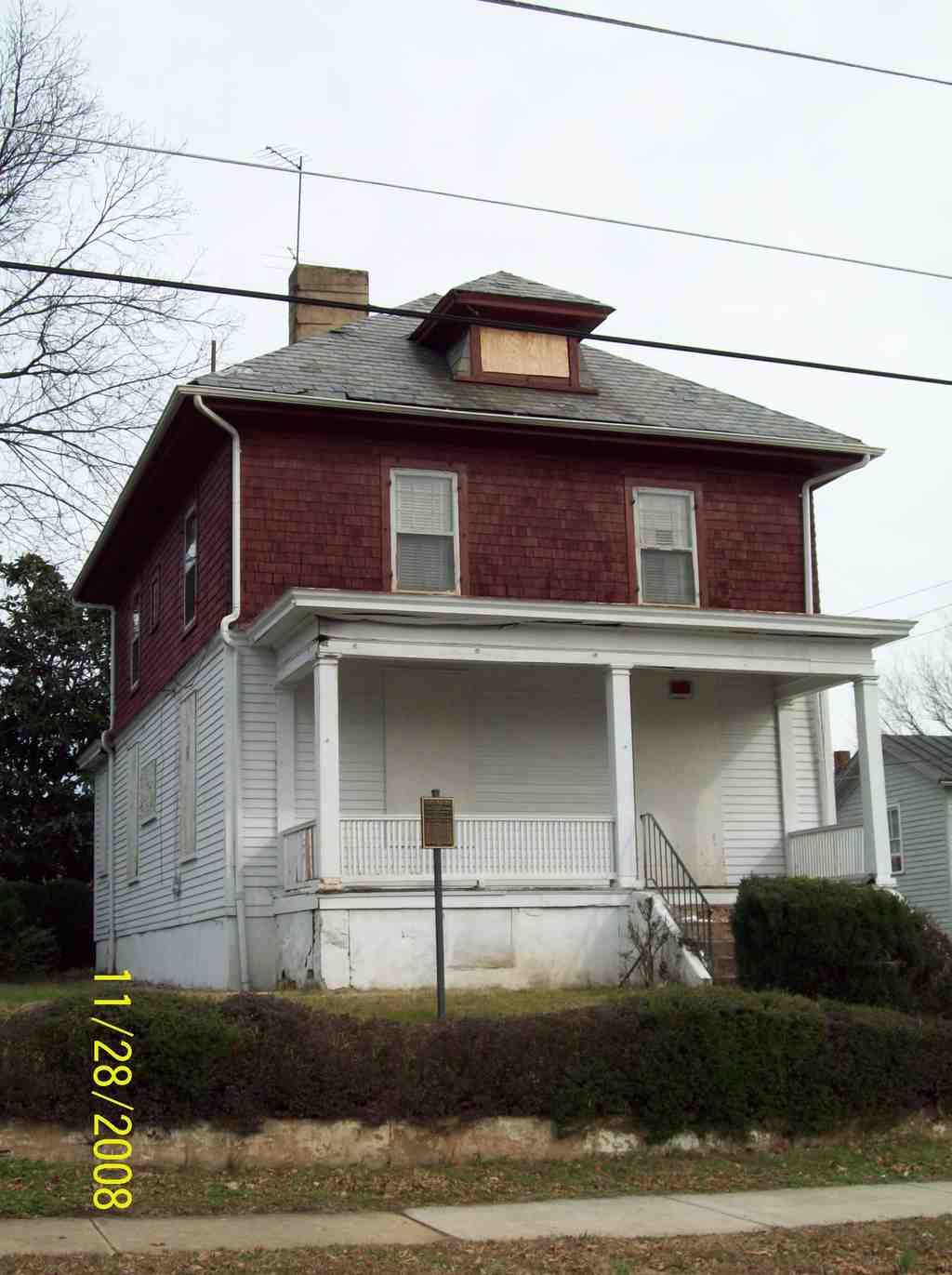
To spot the Dr. Robert Walter Johnson House, look for a sturdy square-shaped house with a red shingled top floor, a wide front porch, and white wooden siding, standing right at the edge of the sidewalk.
Now, standing outside this historic house, imagine the year is 1911-fresh paint, bright eyes, and big dreams. The front porch, solid and proud, has welcomed legends. First, this home belonged to Frank Trigg, a black educator and college president-his footsteps echoing on the porch. After him, Dr. Robert Walter Johnson moved in, a trailblazing physician and barrier-breaker as the first black doctor to practice at Lynchburg General Hospital. But Johnson was just as famous in tennis as in medicine. Right next door sat his clay tennis court: just picture a young Arthur Ashe and Althea Gibson serving up a storm, the thwack of balls and quick laughter floating over the hedge. Johnson used his own money to start a tennis program for Black youth, shaping future champions who would one day rule Wimbledon. Meanwhile, when African-American celebrities like Duke Ellington or Jackie Robinson passed through Lynchburg, they weren’t allowed in hotels-so this house became a warm and secret haven for them. The original clay court was buried for decades, but in 2018, it sprang back to life with fresh clay, a green carpet for new dreams. Today the house looks a bit tired, but every corner still hums with hope, hard work, and a good backhand.




