
Take a look at the large, rectangular red-brick building right in front of you, with its symmetrical tall windows and that distinct circular vent near the very top of the gabled roof.
It is the Old Presbyterian Meeting House. But the structure you are looking at is actually a survivor. Back in July of eighteen thirty-five, lightning struck during a violent storm. Within two hours, the original seventeen seventy-five building was completely gutted by fire. Only the brick walls were left standing. Despite the intense heat and utter chaos, the congregation actually rushed right into the burning sanctuary to save whatever they could. They dragged out original wooden pew benches and a colonial-era clock. Take a glance at your app to see the exterior as it stands today, proudly rebuilt from that ruin. That clock they saved, by the way, has its hands permanently frozen at ten-twenty at night, the exact time George Washington died, serving as a quiet tribute to the memorial services held for him right here.
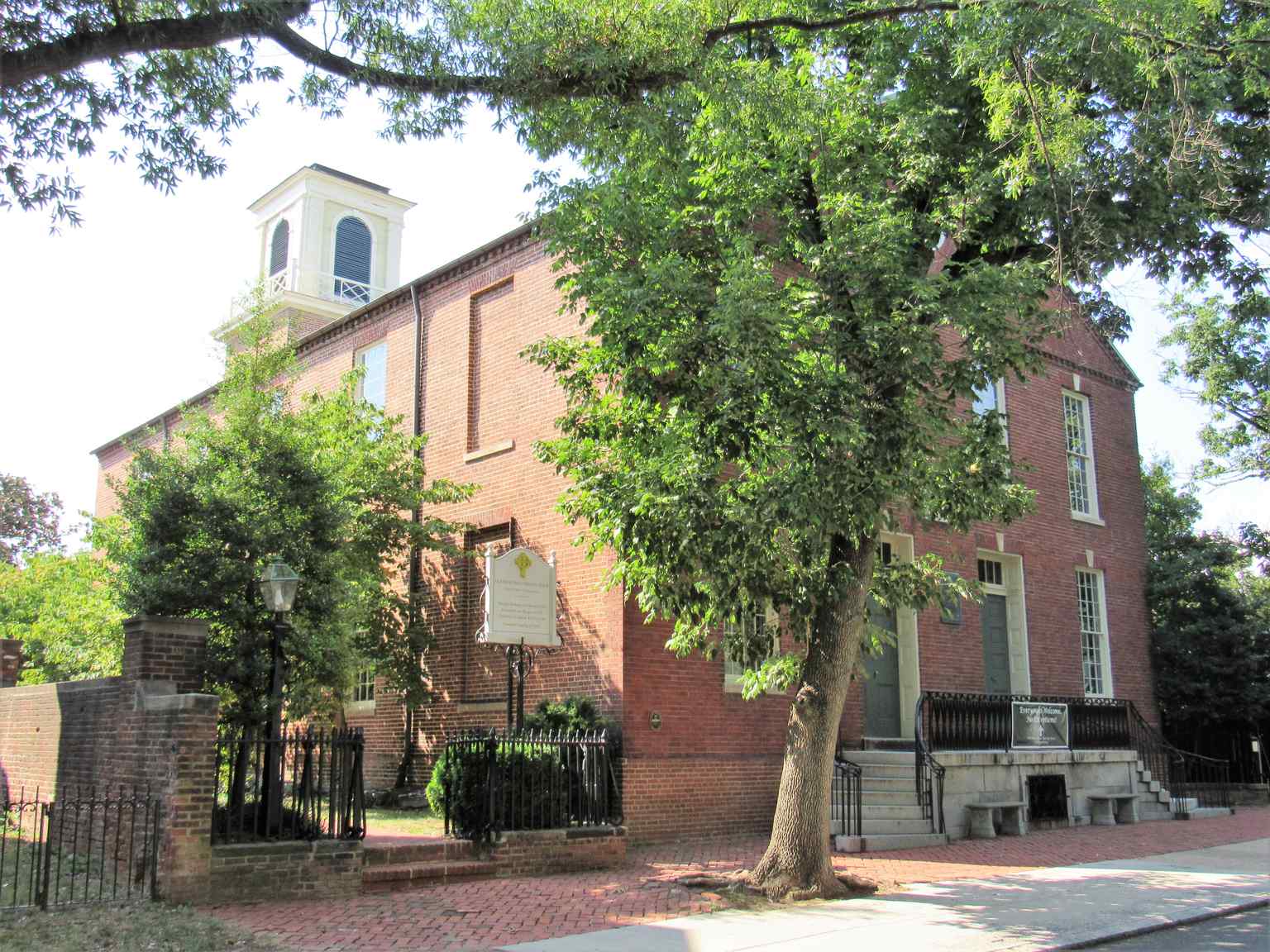
Look closely at the brick facade of the Meeting House, a quiet testament to a structure that stubbornly rose from those devastating ashes in eighteen thirty-six.
But rebuilding a roof is a lot easier than holding a fractured community together. Decades before the fire, this congregation was already cracking apart. In eighteen seventeen, a faction broke away to form the Second Presbyterian Church. It was a massive schism, a permanent split. As the Civil War loomed, those cracks deepened into a canyon. Under Reverend Elias Harrison, this Meeting House stayed loyal to the Union. Meanwhile, that breakaway Second Presbyterian congregation aligned itself with a pro-slavery synod, which is essentially a governing council of church officials.
It really makes you step back and look at the broader picture. Here you have these prominent, mostly white congregations literally tearing themselves apart over the politics of enslavement. But right alongside them, the Black residents of Alexandria were fighting a much heavier, far more dangerous battle. They were fighting simply to exist, pooling their resilience to forge their own gathering places and secure their own spiritual independence in a world built to deny it. The real narrative of survival here was not just about saving bricks from a fire, it was about claiming humanity when the system tried to erase it.
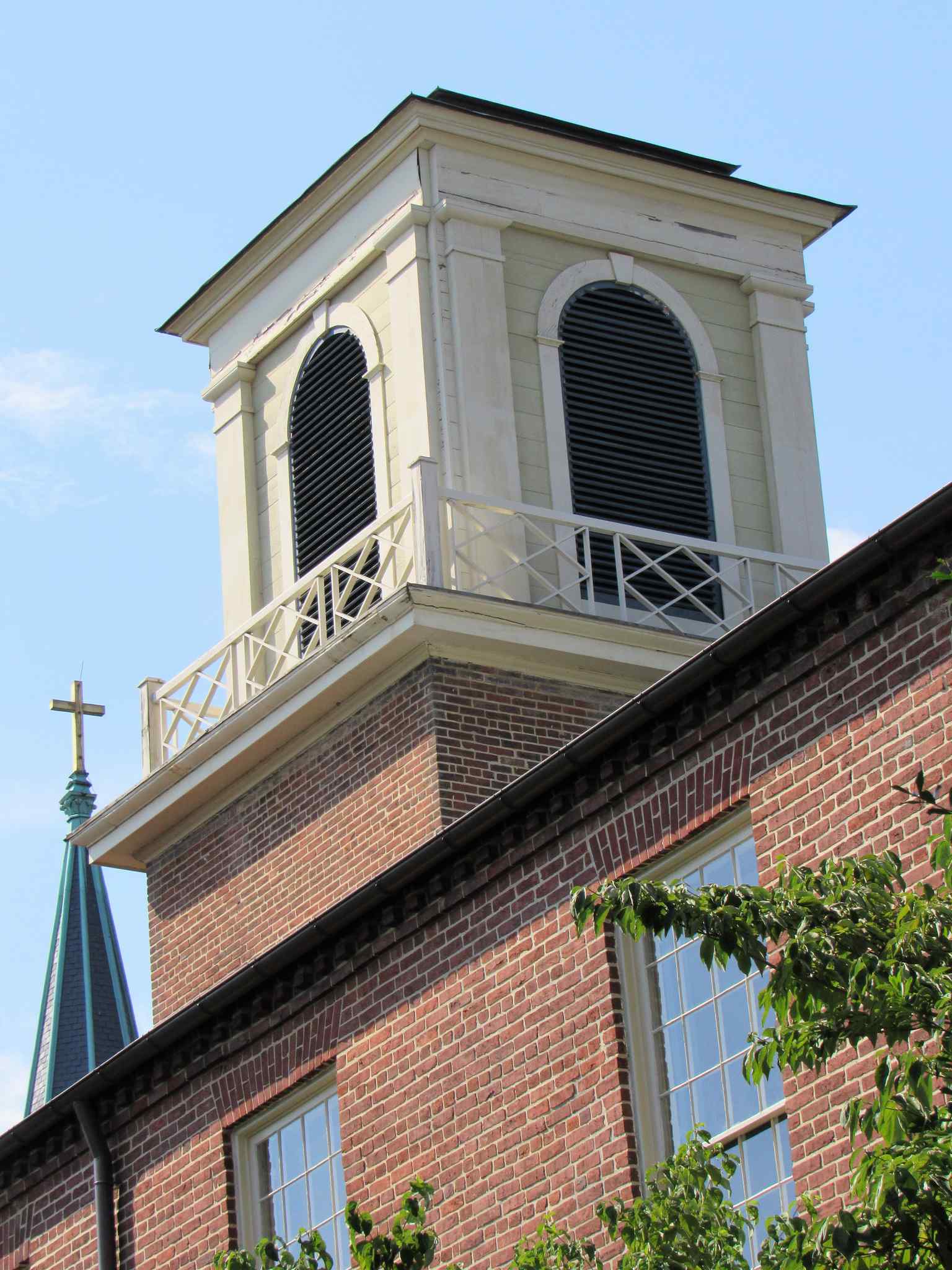
This congregation struggled heavily after the war. The numbers dropped so low the building actually closed for worship in eighteen ninety-nine, acting as a museum for half a century before a new congregation revived it in nineteen forty-nine. You can check your screen to see the bell tower that was added to the rebuilt structure in eighteen forty-three.
Our next and final stop is about an eleven-minute walk away, heading over to Roberts Memorial United Methodist Church, where we will uncover a truly powerful story of unshakeable faith and survival. Oh, and if you want to peek inside this Meeting House, it is generally open weekday mornings and afternoons, plus Sunday mornings.


