

Notice this formidable stone monolith on your right, distinguished by its polished granite walls, sheets of dark glass cascading like a waterfall, and a striking cross-shaped top with curved architectural setbacks.
Back in the mid-nineteen eighties, a financial giant named MCorp Bank decided they needed a monument to their own greatness, a soaring fortress that would show everyone they ruled the city. They brought in the legendary architect Philip Johnson to design a postmodern masterpiece. Postmodern architecture basically means mixing sleek, modern glass structures with playful, historical design elements from the past.
But MCorp's CEO, a classic Texas big wheel named Gene Bishop, absolutely hated Johnson's first draft. Bishop despised the idea of ordinary retail shoppers cluttering up his corporate headquarters. More importantly, he thought the plans looked far too much like a tower Johnson had designed for MCorp's direct rival. The blueprints went straight into the trash. Johnson and his partner were forced back to the drawing board, stripping away the public-friendly plazas to create this rather unapproachable vault. Johnson later called it the hardest job they ever had.
Check out your screen to see the sheer scale of what they eventually built. Bishop branded this sixty-story monolith Momentum Place, but locals quickly dubbed it the Taj Mahal of Texas. Bishop certainly lived up to that royal title. Even as the regional economy started to crack, he kept hosting lavish morning meetings, serving up extravagant Southern breakfasts of fried quail, gravy, and biscuits right there in his new corporate fortress. When asked about the terrible optics of feeding bankers fancy game birds during a growing financial crisis, he flatly refused to say how much the daily quail feasts actually cost.
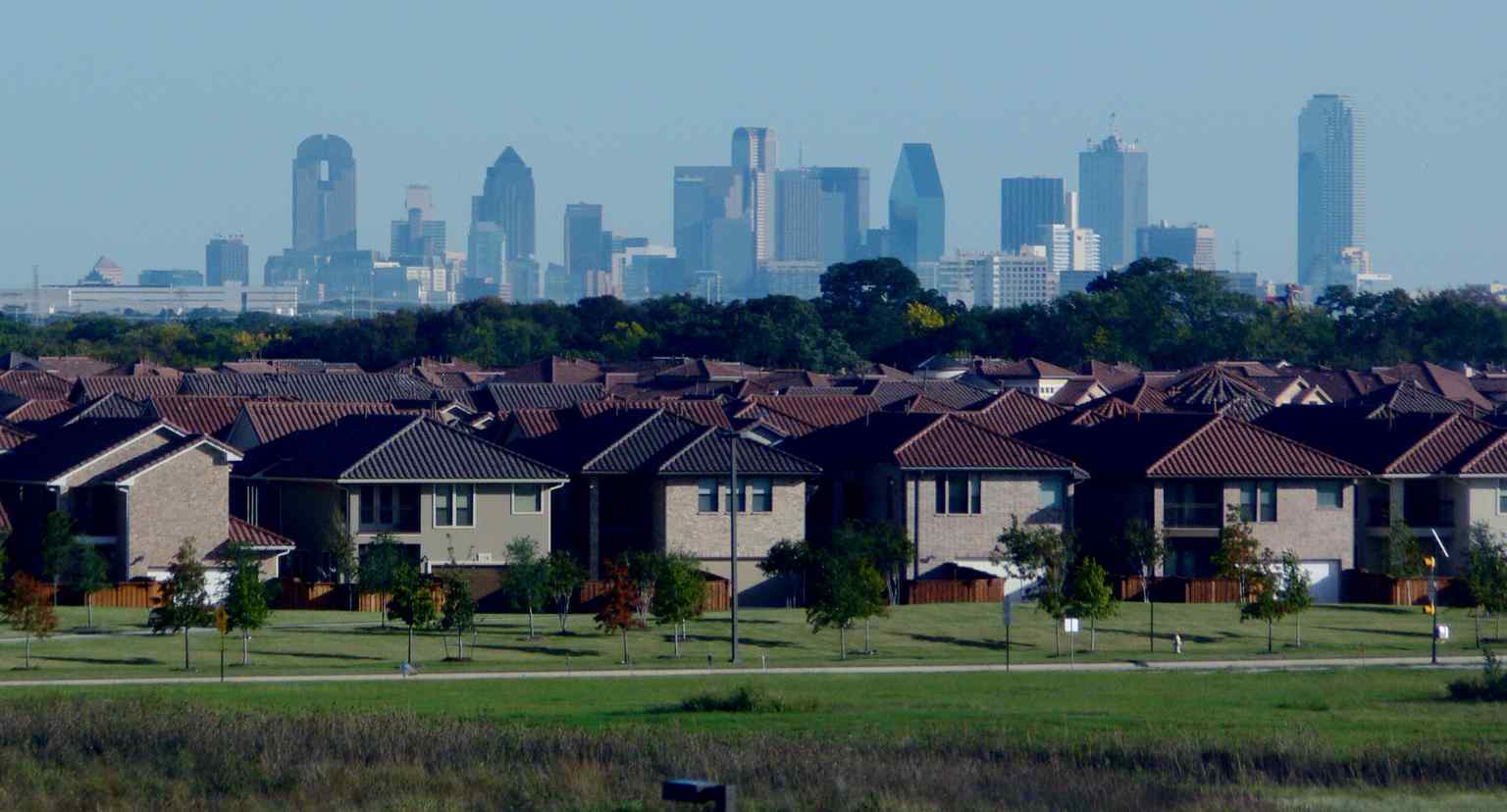
You see, MCorp flew far too close to the sun. Right as this colossal skyscraper opened in nineteen eighty-seven, a sweeping banking crisis hit. It was triggered by risky real estate lending across the state, and the Texas Boom and Bust Cycle swung hard into a devastating bust. MCorp collapsed almost immediately. The bank was completely dissolved. This brand-new skyscraper instantly became the most legally contested piece of real estate in the city. Financial backers sued each other, loans defaulted, and the tower went through the two largest foreclosures in city history. A foreclosure is simply the legal process where a lender takes back a property when the owner stops paying the mortgage, but on this immense scale, it was a complete financial earthquake.
Look at your app again to see how imposing the exterior really is. Prominent critics ripped the design apart. One local architect called the building an insecure arriviste with too much of the wrong kind of jewelry. An arriviste is essentially a harsh term for a newly rich person who desperately wants to show off their wealth but lacks actual class. The block-long walls of blank granite were seen as a symbol of pure greed, totally isolating the tower from the street.
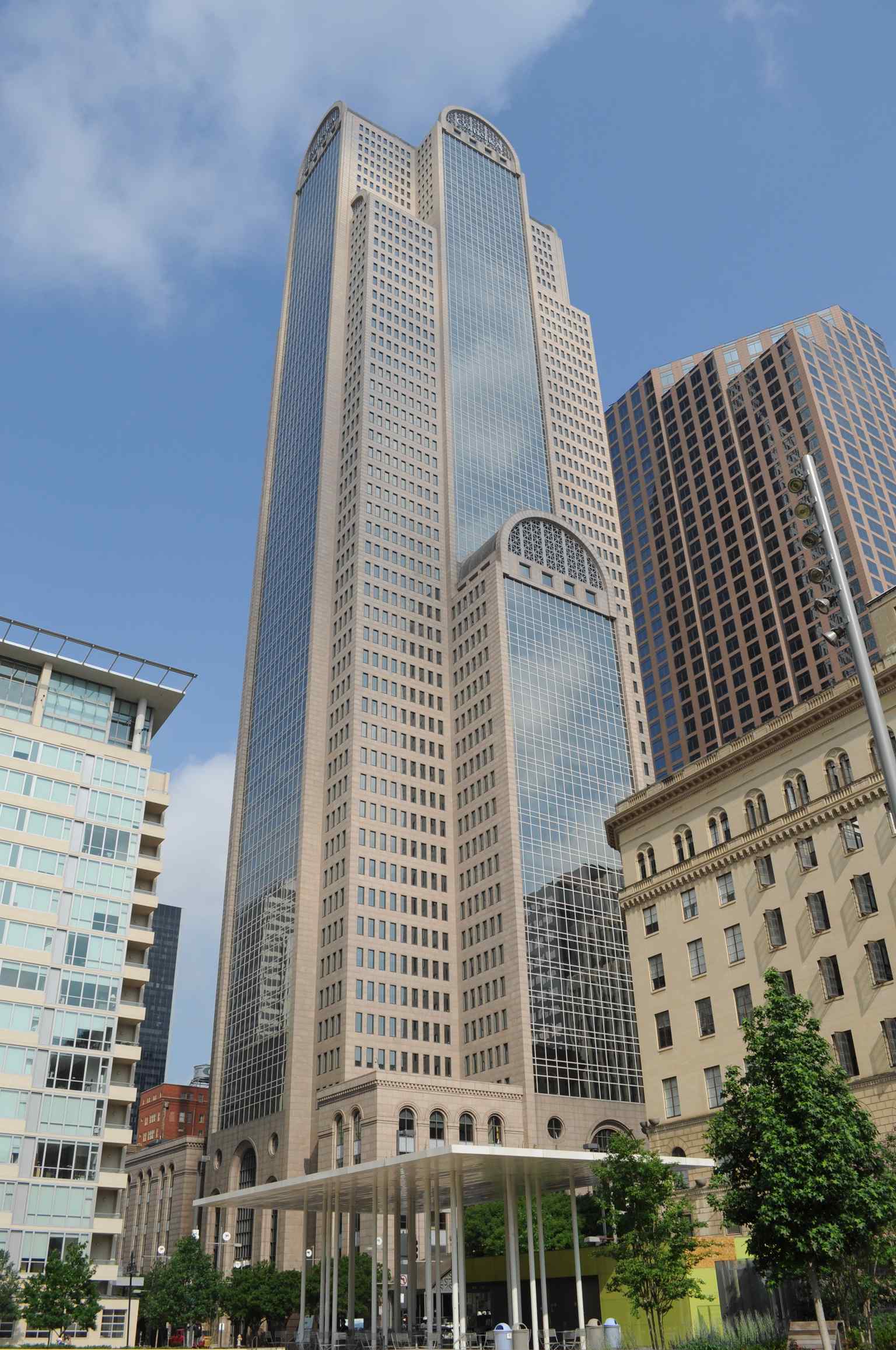
MCorp is long gone, swallowed up by its own staggering ego, but their giant monument remains, outlasting the very people who demanded it be built. For those needing access, the tower is typically open on weekdays from nine in the morning until five in the evening. Alright, let us head over to Corrigan Tower, just about a two-minute walk away.






