
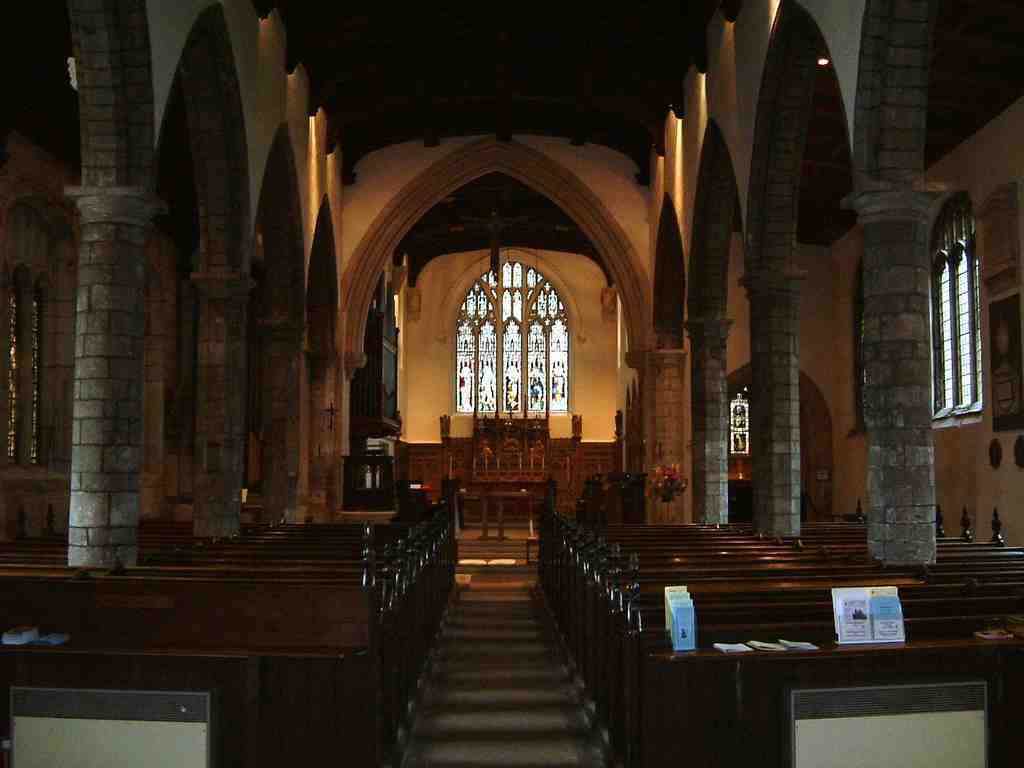
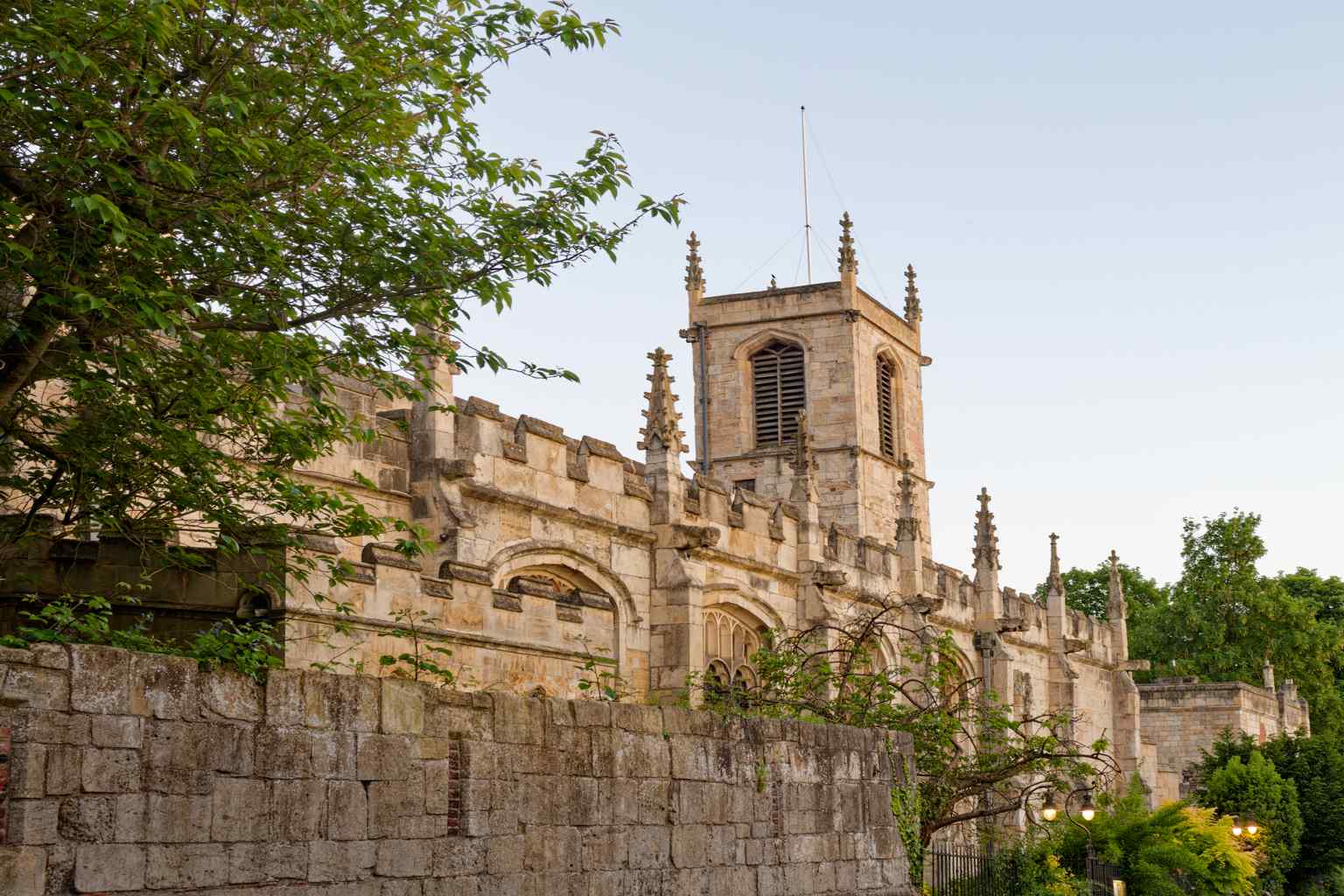
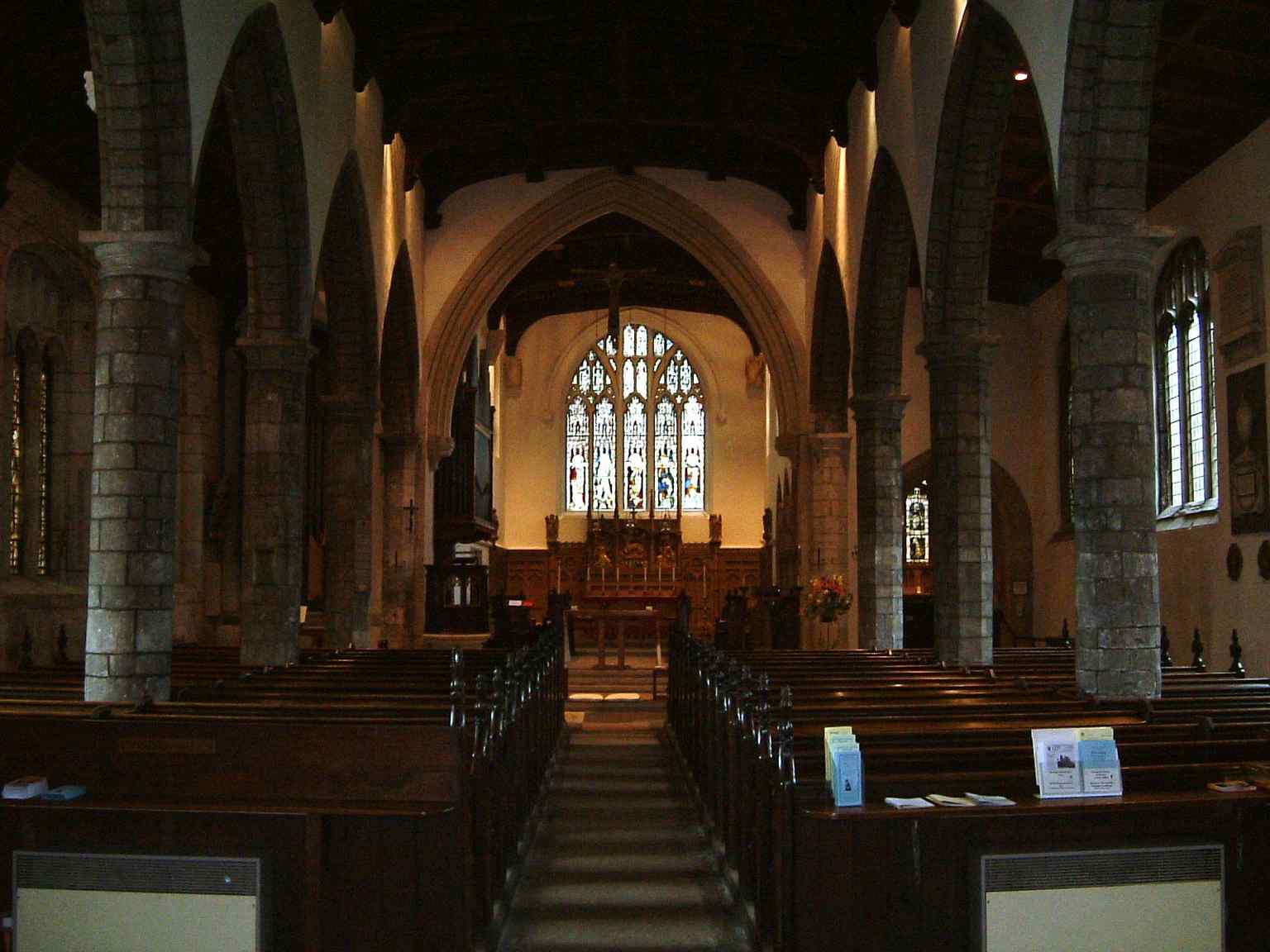
Look to your right to spot Saint Olave's Church, pronounced Olive, easily recognizable if you peek inside the glass doors at its sturdy stone pillars and soaring pointed arches leading to a brilliantly illuminated stained glass window at the far end.
This historic parish was originally founded in the eleventh century by Siward, Earl of Northumbria, a famously fierce Viking warrior who loyally served the English King Edward the Confessor. He dedicated the building to Saint Olaf, the patron saint of Norway, to proudly honor his own Scandinavian roots.
When Siward fell fatally ill in the year ten fifty five, he was deeply disgusted by the prospect of dying peacefully in a bed, complaining bitterly that he was fading away like a mere cow. So, in the ultimate act of fierce defiance, he commanded his men to lift his frail body and strap him tightly into his heavy battle armor. Fully equipped to meet his maker as a true warrior, he forged a bold, unyielding attitude that would echo through the generations of this city.
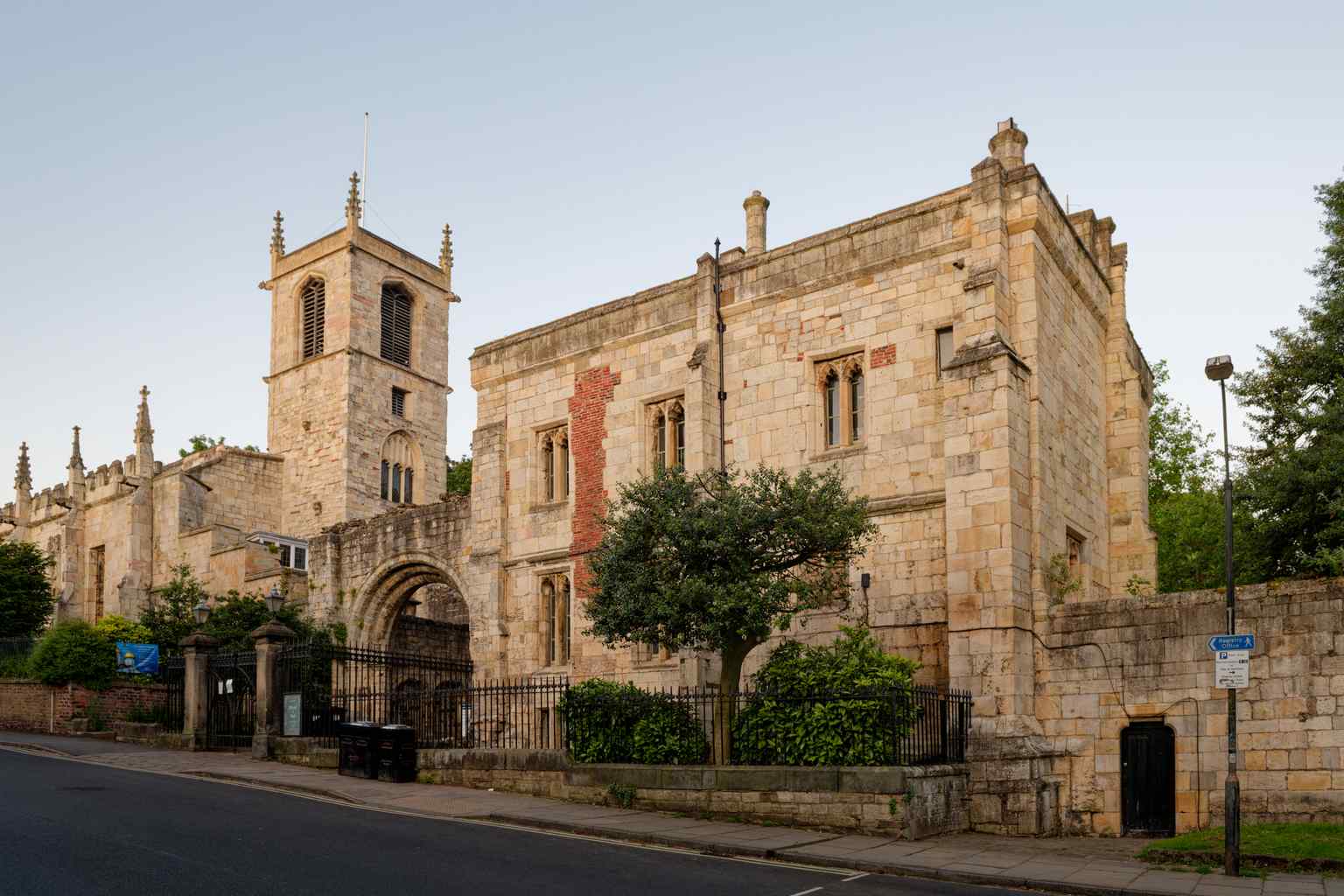
If you look closely at the surrounding area, you will notice that Saint Olave's Church sits squarely within the ruined, jagged stone walls of the once mighty Saint Mary's Abbey. After the Norman Conquest, ambitious Benedictine monks abandoned this smaller parish building to construct a colossal abbey right next door, completely absorbing Saint Olave's revenues. This brazen takeover sparked a bitter legal feud over neglect and finances that raged between the abbey and the local parishioners for centuries.
The locals finally won a compromise in fourteen sixty six, forcing the monastery to provide twenty large oak trees and ten pounds, which is about eight thousand pounds today, to repair the church.
But that hard won roof did not survive the city's next major conflict... During the sixteen forty four Siege of York, Parliamentary armies audaciously mounted heavy cannons directly onto the roof of Saint Olave's to bombard the King's nearby headquarters. The devastating return artillery fire completely destroyed the medieval roof and the clerestory, which is the upper level of high windows designed to flood the central hall with light.
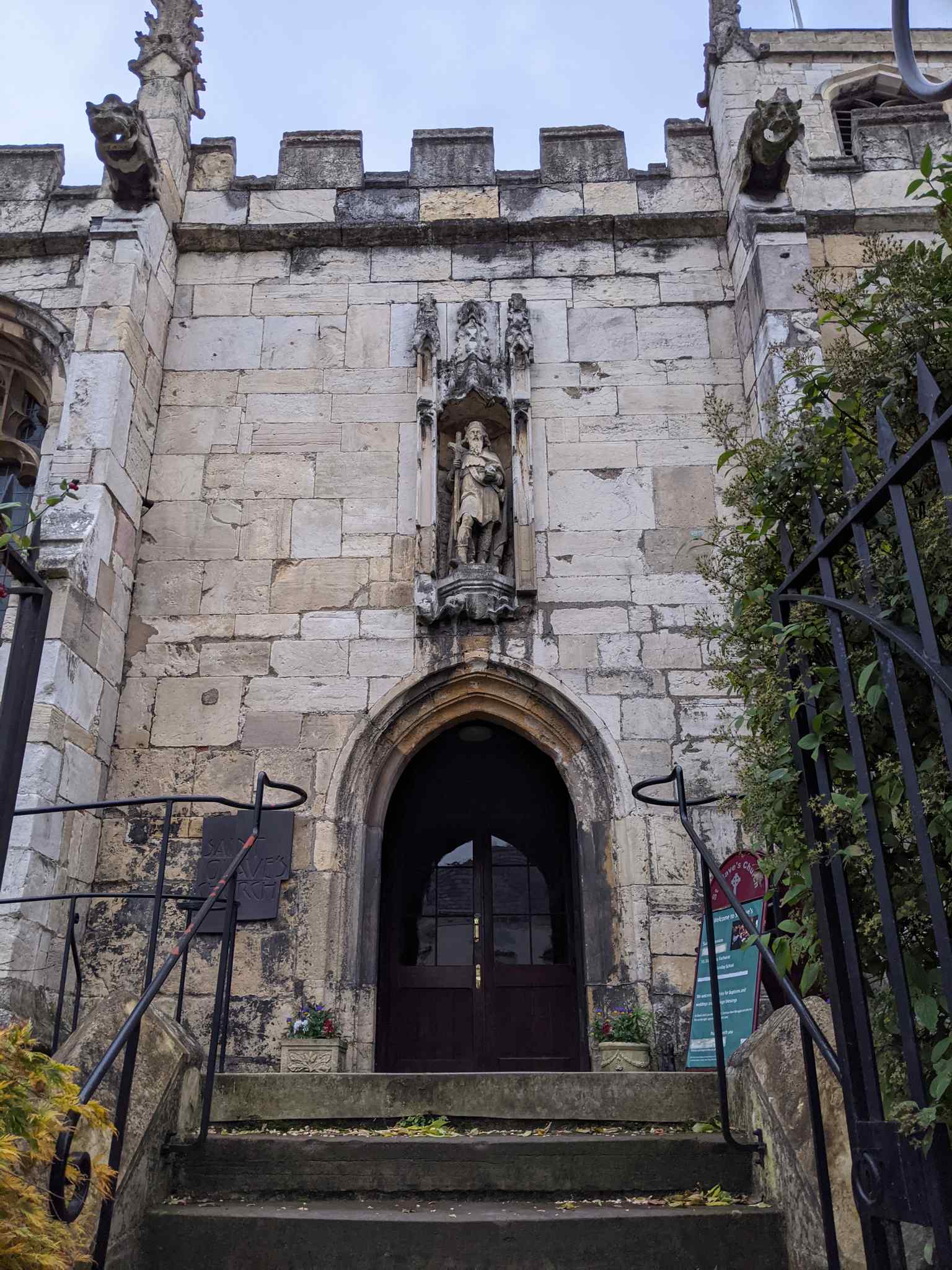
You can feel that intense, layered history walking through the tranquil churchyard. It is the final resting place of William Etty, a renowned Victorian painter who fiercely campaigned to save York's medieval walls from being demolished. Etty begged to be buried in the grand York Minster, but bureaucratic rules blocked him. Undeterred, his friends strategically positioned his tomb here so it could be seen straight through a ruined arch of the abbey, keeping him as close to his beloved Minster as legally possible.
The yard also holds a much darker hidden history, containing the unmarked graves of men hanged at York's infamous Tyburn gallows, a brutal public execution site outside the city, as well as countless quietly interred patients from the nearby York Asylum.
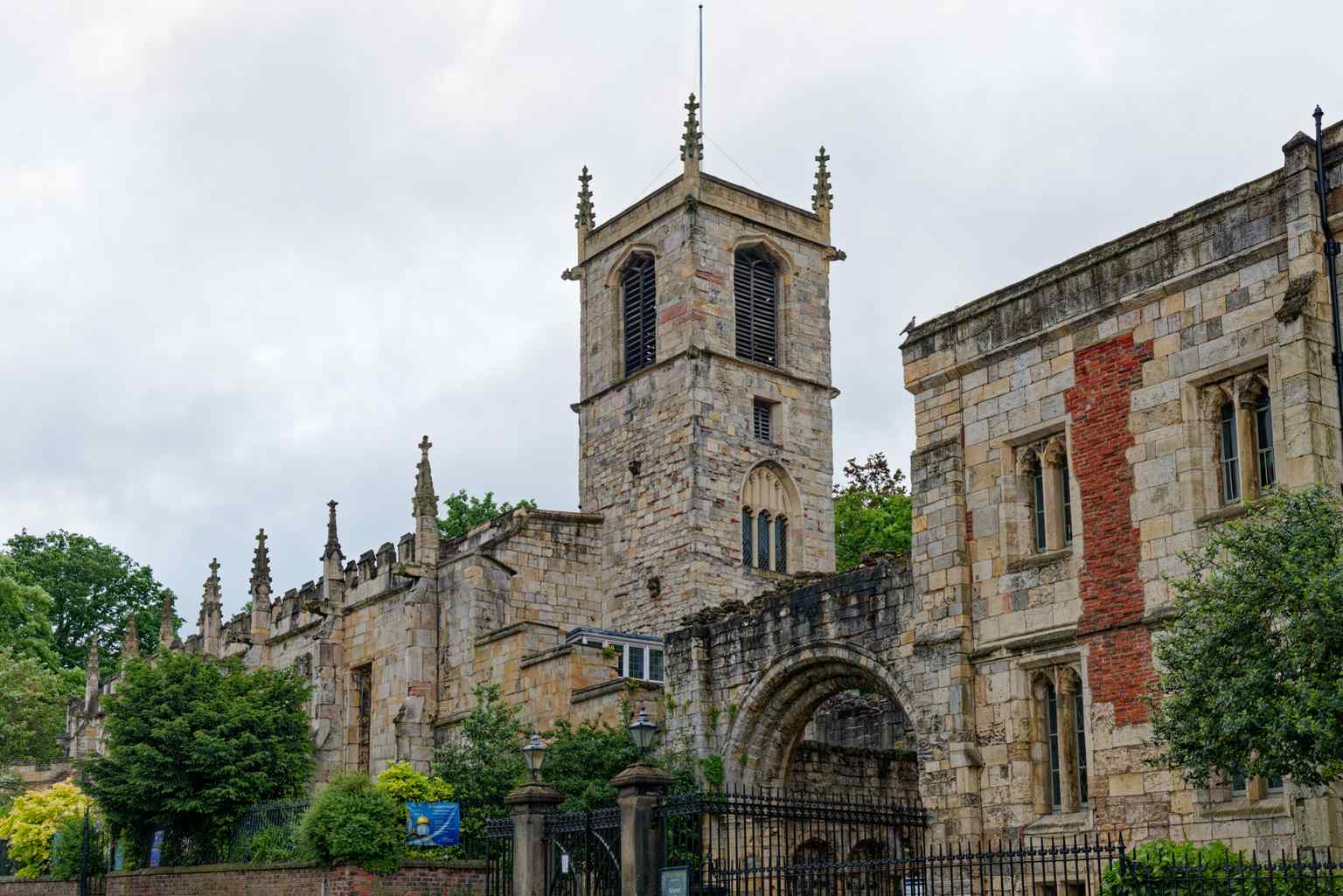
The grounds are wonderfully accessible, open twenty four hours a day, every day of the week. So take a moment to explore the ruins of the abbey that swallowed Siward's original church, and as you do, we will begin the short three minute walk over to Saint Mary's Abbey itself.






