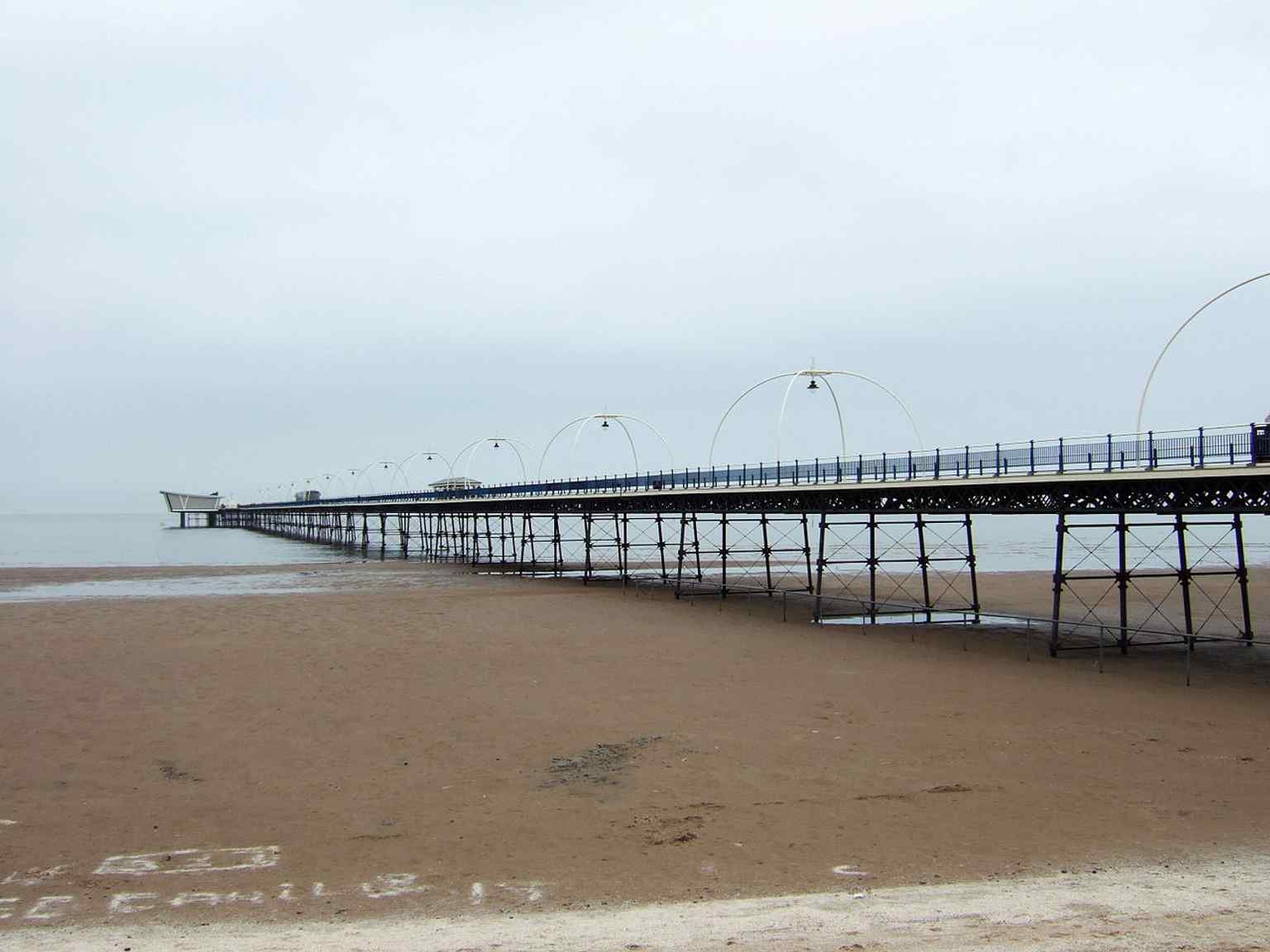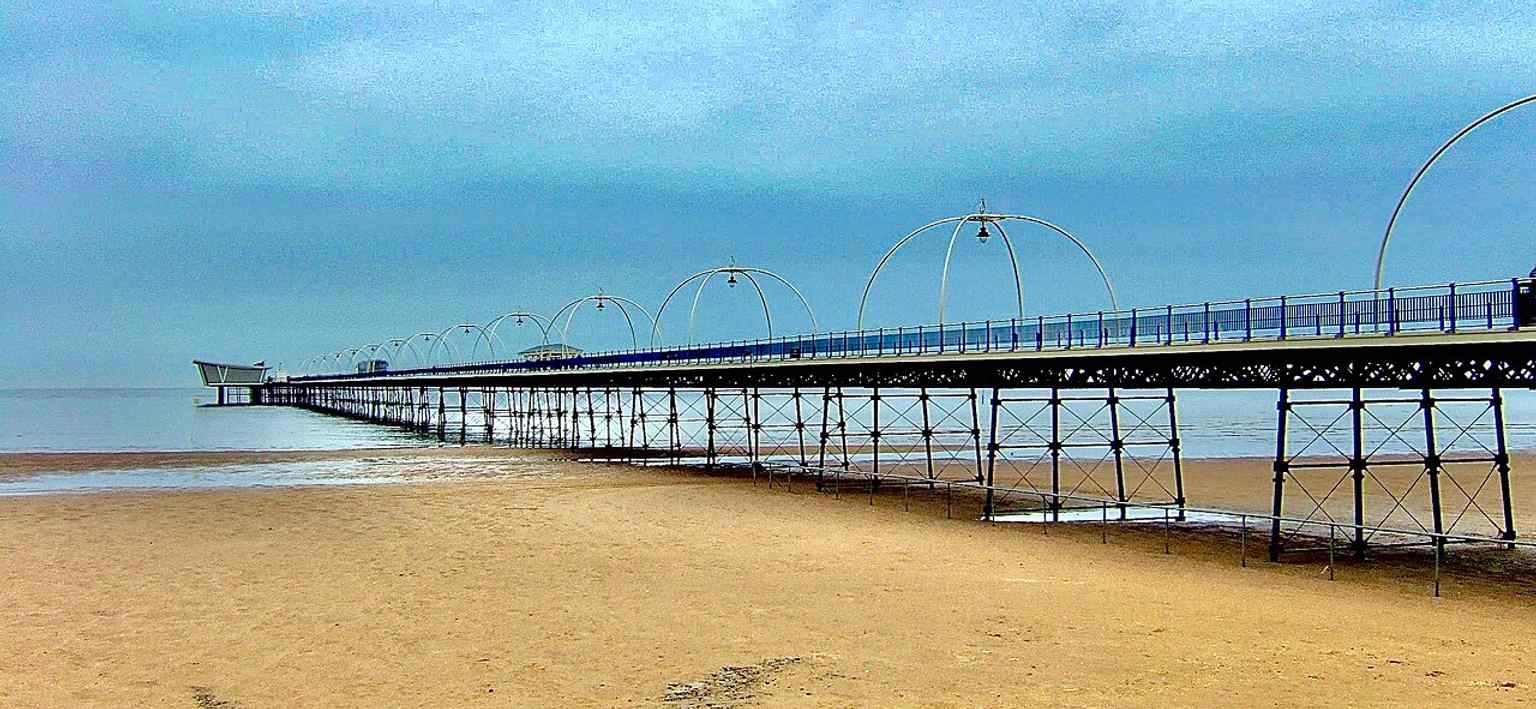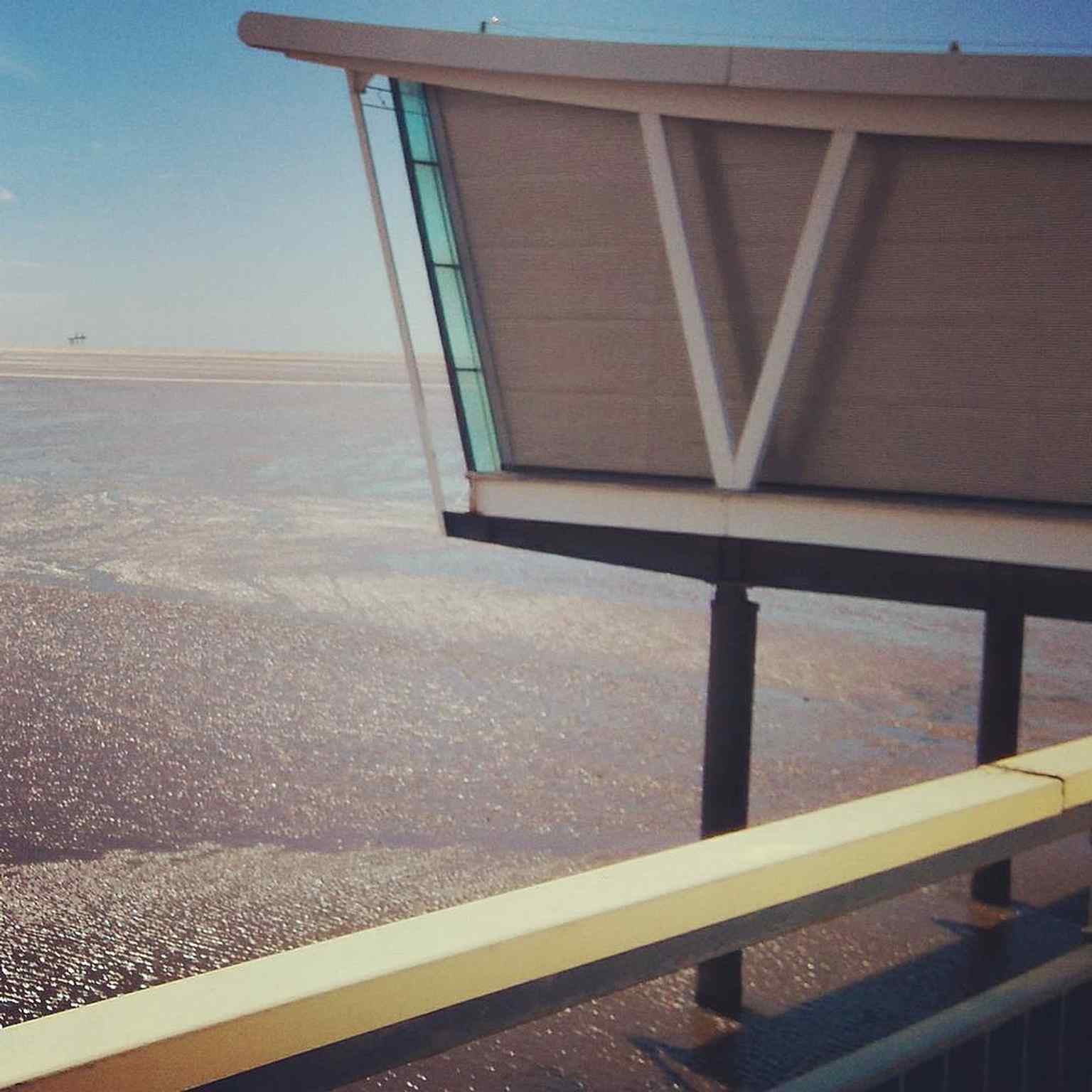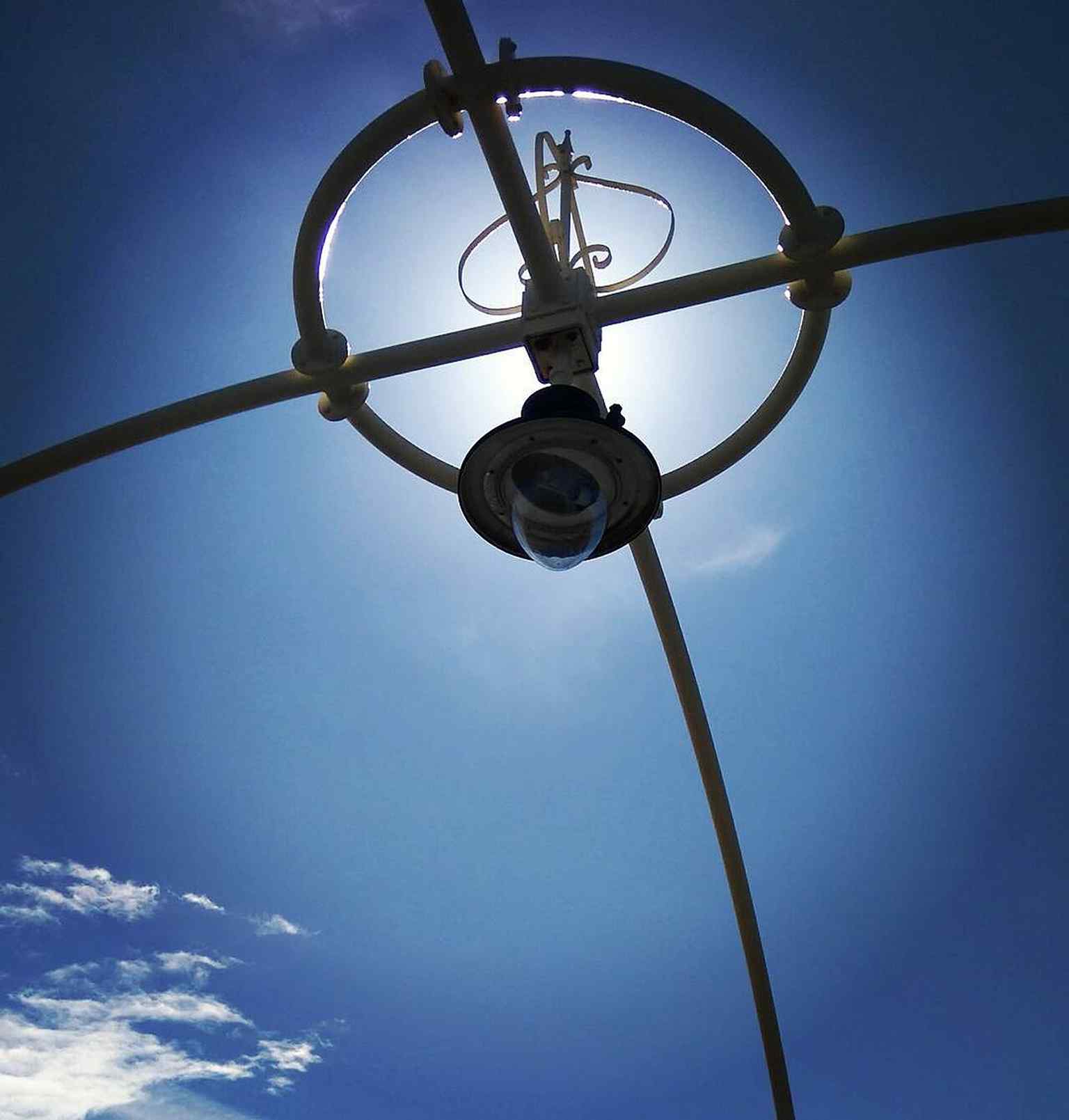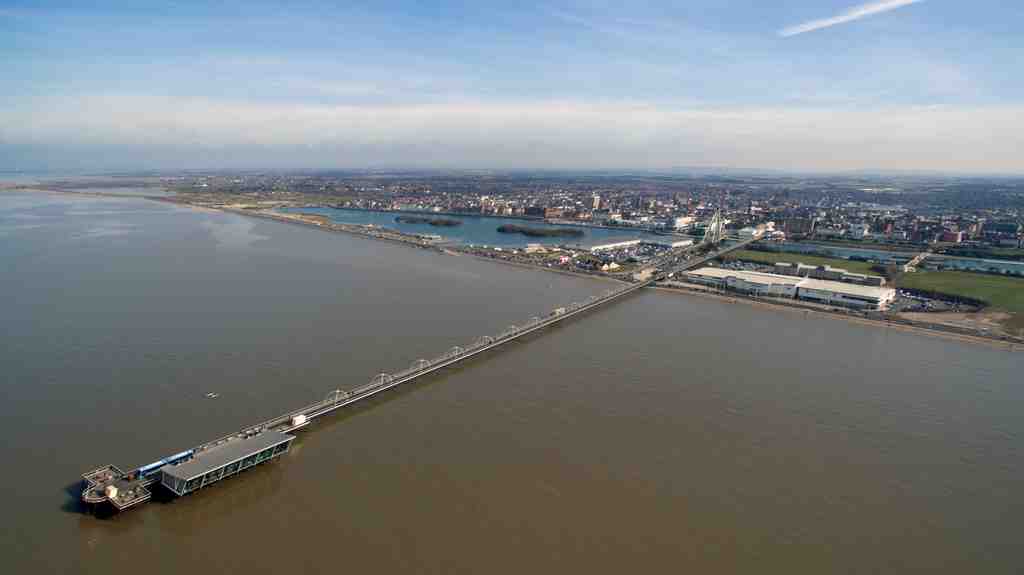
Look for the long iron pier with its straight timber deck, slim railings, and the pavilion block sitting far out at the end.
This is Southport’s pride and stubborn streak rolled into one... the first iron pleasure pier in Britain, and at one thousand one hundred and eight metres, still the second-longest iron pier in England. What matters, though, is why people built it. Back in the eighteen forties and fifties, local backers were not mainly chasing cargo. They wanted somewhere to promenade - somewhere to stroll, show off a hat, take the air, maybe hear a band, maybe flirt a bit. When the company opened the pier in August eighteen sixty, engineer James Brunlees had designed what many call the country’s first proper pleasure pier, built in iron.
The builders chose iron because this shore plays tricks. The sea sits a long way out, and the sand keeps shifting. In fact, silting - that just means sand and mud slowly filling a water channel - changed the whole layout here. Part of the pier now runs over reclaimed land before it reaches the beach, which is why it can feel almost impossibly long from where you’re standing.
In its early years, the pier charged a toll of sixpence, about two pounds seventy-five in modern money, so fair to say it leaned toward the better-off. Mind you, by the eighteen seventies the town dropped the price to twopence, and that opened it up to working families, shop assistants, clerks, and mill hands on a day out. That little change tells you a lot about Southport... it wanted to be smart, but it also wanted people.
And people came for the full seaside show. Steamers once called here and carried passengers off to Fleetwood and Llandudno. There were waiting rooms, a tramway, and later a pavilion where entertainers worked the boards. Charlie Chaplin appeared here in the early twentieth century. My favourite turns, though, were the divers who leapt from the tea house roof several times a day. One of them, Professor Powsey, even jumped off the pier on a bicycle, which sounds like exactly the sort of seaside idea that starts with, “watch this.”
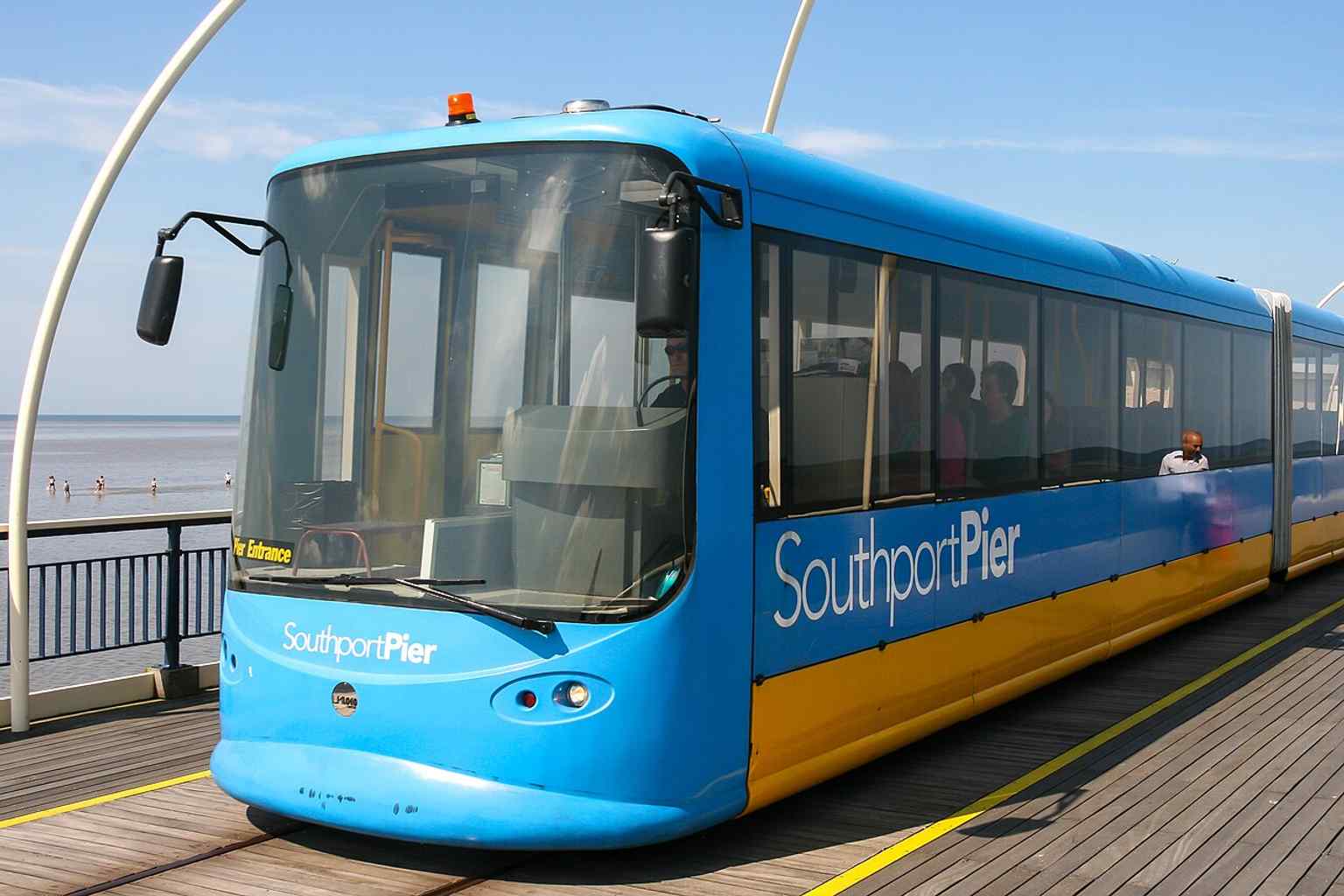
If you want a feel for the old pier tram, have a quick glance at the photo on your screen. That ride kept changing with the times - steam, then electric, then diesel, and finally a battery tram in the restored years - carrying tired legs all the way to the pier head.
This place has had a rough life. Storms battered it through the late nineteenth century. Fire destroyed the original pavilion in eighteen ninety-seven. Another fire wrecked the pier head in nineteen thirty-three. Then, in nineteen fifty-nine, flames tore through thousands of square feet of decking and cut the pier back to the length you know now. By the late twentieth century it was in such poor condition that the council tried to demolish it... and lost by a single vote. One vote. That was the margin between survival and scrap.
Take a look at the before-and-after image in the app when you fancy it; you can really see the jump from ornate Victorian confidence to the rebuilt modern pier. The major restoration from two thousand to two thousand and two cost seven point two million pounds and brought in new decking, safer railings, and the modern pavilion at the far end. Local people even paid for name plaques along the walkway to help fund the rescue, which is lovely, alright - the town quite literally wrote itself back into the pier.
The pier approach is open all day, every day, which suits a place made for strolling. Southport has fought hard to keep this long iron line alive. When you’re ready, carry on towards the Napoleon the Third lodgings site for a rather unexpected Southport tale.