
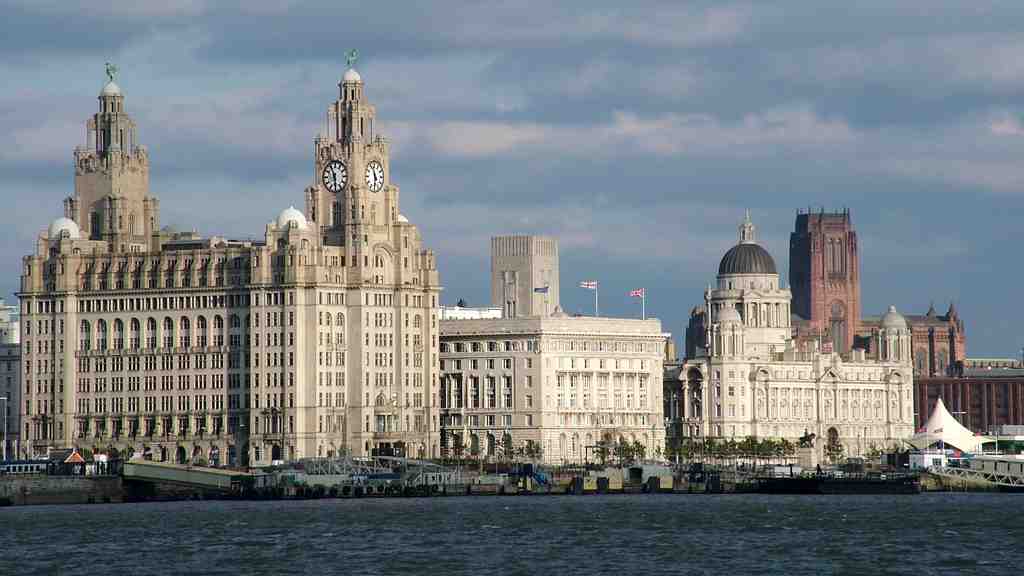
Look straight ahead for three grand, historic buildings right on the waterfront, their stone facades and towers looming large where the land meets the river-the Pier Head is where the city’s heart beats against the waves.
Welcome to Liverpool’s Pier Head, where the River Mersey laps at the stones and stories swirl in the salty air. As you stand facing these majestic buildings, imagine the years peeling back, one by one. Once, right where you are now, was George's Dock, built in 1771, which would have bustled with sailors shouting, ropes creaking, and the heavy soak of saltwater on the wind. By the 1890s, though, the dock had outlived its usefulness-too shallow for the newer, brawnier ships, it slipped into redundancy like an old sea dog long past his prime.
Now, the real drama: two powerful Liverpool bodies-one, the Mersey Docks and Harbour Board, and the other, the upbeat Corporation of the City of Liverpool-locked horns like rival captains fighting over a treasure map. Their negotiations dragged on for years, led by some of the grandest names in Liverpool’s history: Lord Derby for the City, and Robert Gladstone, kin to the famous W.E. Gladstone, for the Board. At last, the city bought the site for £277,399, and the plans began to stack up higher than a pile of shipping crates.
If you listen closely, you might almost hear the clatter and clamor as the Port of Liverpool Building started to rise in 1903, a stone symphony topped with a beautiful central dome, hurrying to finish by 1907. But what makes the Pier Head truly dazzling is what came next. Unable to sell the other plots, the city was rescued by the quirky Royal Liver Friendly Society. They offered less than the city hoped-imagine asking for a fiver and getting three quid and a half-chewed sweet-then promptly planned to build a skyscraper that left the city aghast! That’s the Royal Liver Building you see with its pair of grand clock towers, each one guarded by a mythical Liver Bird who, legend has it, will flee if Liverpool ever loses its heart… or maybe just if it rains too much.
Then came the Cunard Building, finished just before World War I. Picture it as a grand Italian palace misplaced in the northwest, all stately columns and dignity-a fittingly grand HQ for a shipping company whose ocean liners once ferried queens, soldiers, and dreamers across the Atlantic. Together with the Port of Liverpool Building, the Cunard, and the Liver Building, these three became known as the “Three Graces,” a trio so impressive they could give the gods a run for their money.
But the Pier Head has always been about more than stone and steel. Step around the open plazas and you’ll see Canada Boulevard, memorial plaques underfoot remembering brave Canadians lost at sea. In the heart of the square, an equestrian statue of Edward VII stands proudly, looking a tad like he’s waiting for a ferry that never comes. Speaking of ferries, just over there you’ll find George’s Landing Stage-the home port of the famous Mersey Ferries, which have battled wild weather and sinking docks more times than a grizzled sea captain could count.
Oh, and if you listen to the stories whispered by the wind, you’ll hear tales of the Titanic. The Titanic Memorial here honors the brave engineers who kept the lights burning as the ship slipped beneath the waves. There’s also remembrance for Merchant Navy sailors, Chinese merchant seamen, and the legendary Captain Johnnie Walker, whose convoy escorts turned the tide in the Battle of the Atlantic.
Take a moment to imagine the roar of trams and buses-the Pier Head was once a key hub for Liverpool’s land transport, with the echoing rumble of the city’s old trams rattling off into the past. The Leeds and Liverpool Canal link, opened in 2009, now lets boats glide right by, connecting 127 miles of English waterways and giving new life to Liverpool’s historic waterside.
Today, this place might look peaceful, but it thrums with memories-a thousand greetings and goodbyes, the hope and heartbreak of travelers setting out and coming home. The Pier Head saw liners and ferries, waves of migration and commerce, pride and the occasional project disaster (raise your sails for the doomed “Fourth Grace” shaped like a fluffy cloud). Through all the changes, the Graces watch over Liverpool, icons of resilience, pride and… let’s be honest, a fair bit of architectural bravado! Soak it in and imagine yourself at the crossroads of history, adventure, and a dash of Scouse charm.
Curious about the landmark buildings, landing stages or the land transport? Don't hesitate to reach out in the chat section for additional details.


