
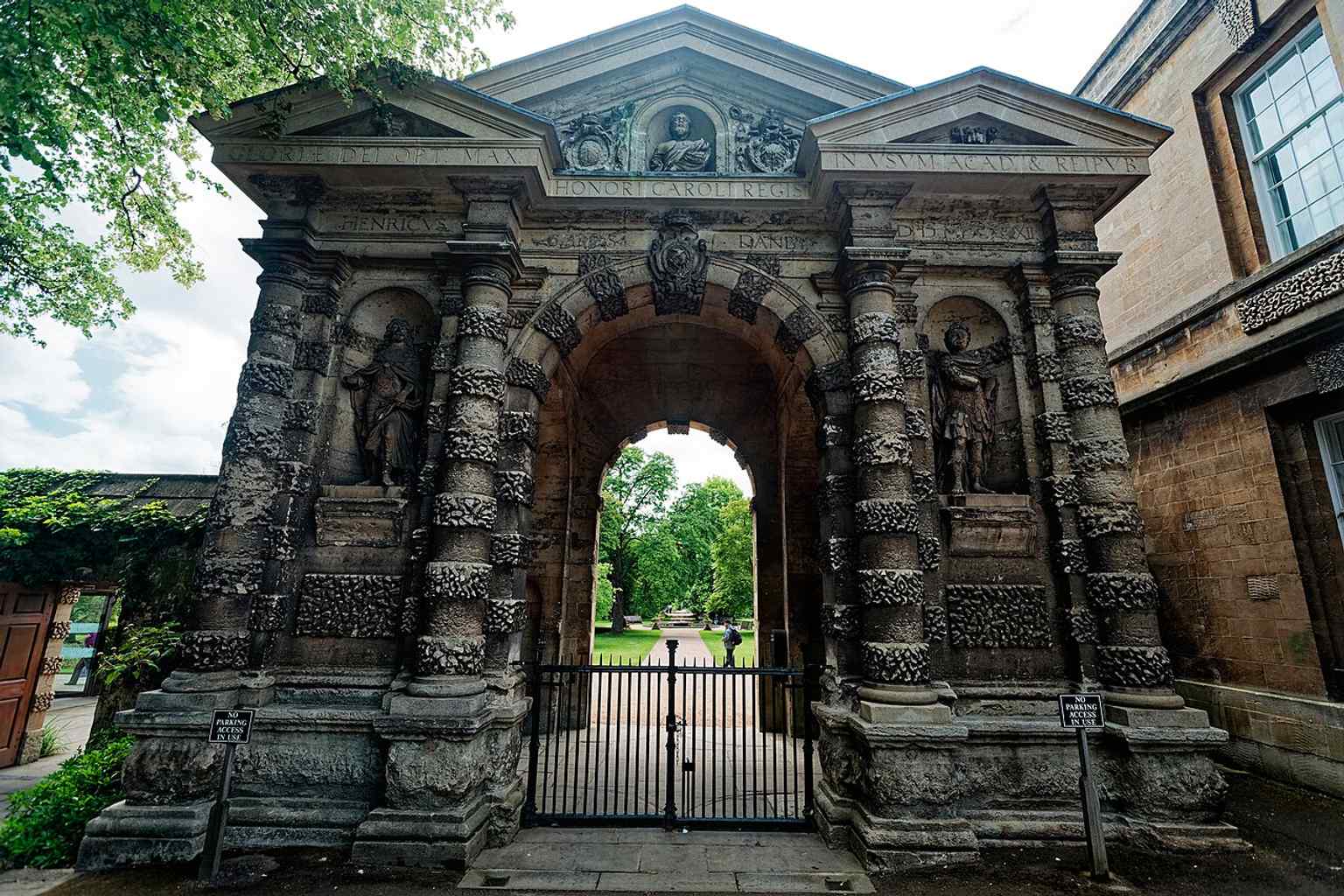
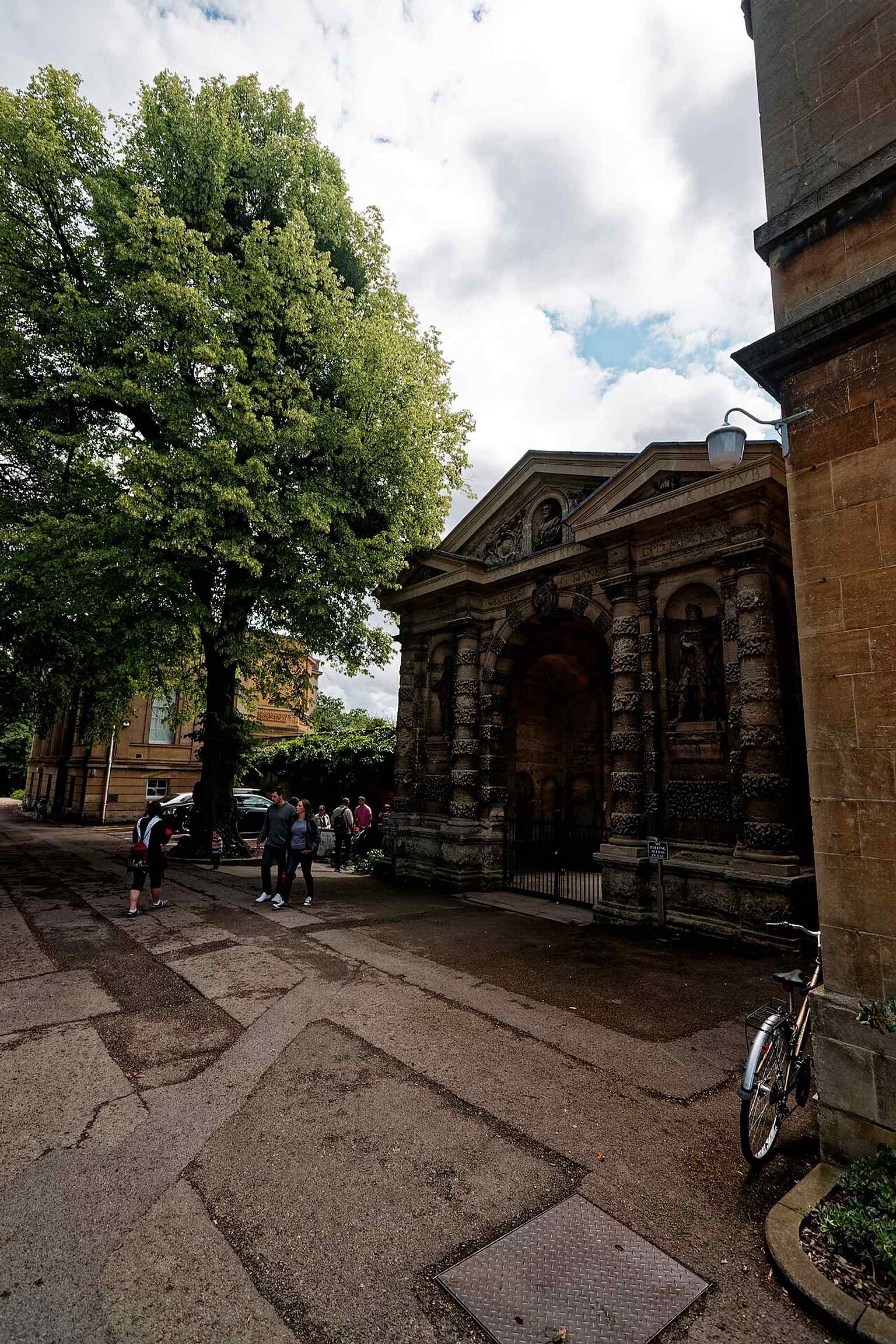
In front of you is a honey-colored stone gateway shaped as a three-bay arch, crowned with triangular pediments and marked by statues flanking its richly carved central entrance.
This is the University of Oxford Botanic Garden... the oldest botanic garden in Great Britain, and one of the oldest scientific gardens anywhere. Oxford founded it in sixteen twenty-one as a physic garden, which simply means a garden for growing plants used in medicine. So yes, this place began as a living pharmacy... just with fewer plastic bottles and much better landscaping.
Henry Danvers, the first Earl of Danby, gave five thousand pounds to create it - more than five million pounds in modern terms - for what he called the glorification of God’s works and the furtherance of learning. He chose this patch beside the River Cherwell, but there was a catch. The ground sat on a floodplain, and part of it had once been a Jewish cemetery before the expulsion of Jews from Oxford and England in twelve ninety. To make the site usable, workers hauled in four thousand cartloads of what the records cheerfully call “mucke and dunge.” Scholarship, in Oxford, has always rested on firm principles... and occasionally a heroic amount of manure.
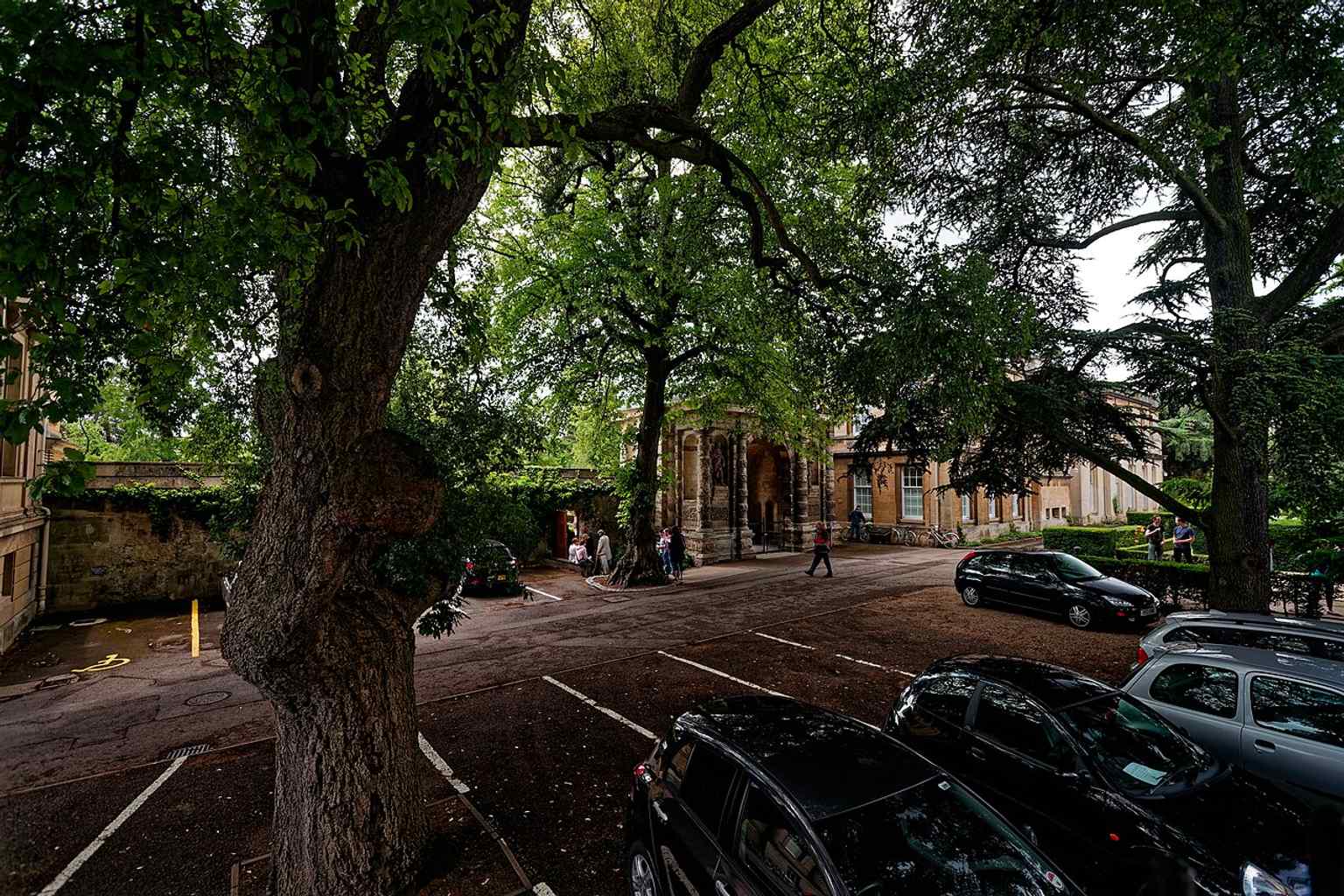
The great entrance in front of you is the Danby Gate, designed by Nicholas Stone in the early sixteen thirties. If the porch at the University Church of Saint Mary the Virgin looked familiar earlier, that is not your imagination; Stone worked there too. Here he went full flourish. This is early Baroque - a style that liked drama, movement, and decoration. If you glance at the image on your screen, you can pick out the heavy carved stonework and the stately figures in their niches more easily. The gate even took gunfire during the English Civil War, which feels rude, frankly, given the workmanship.
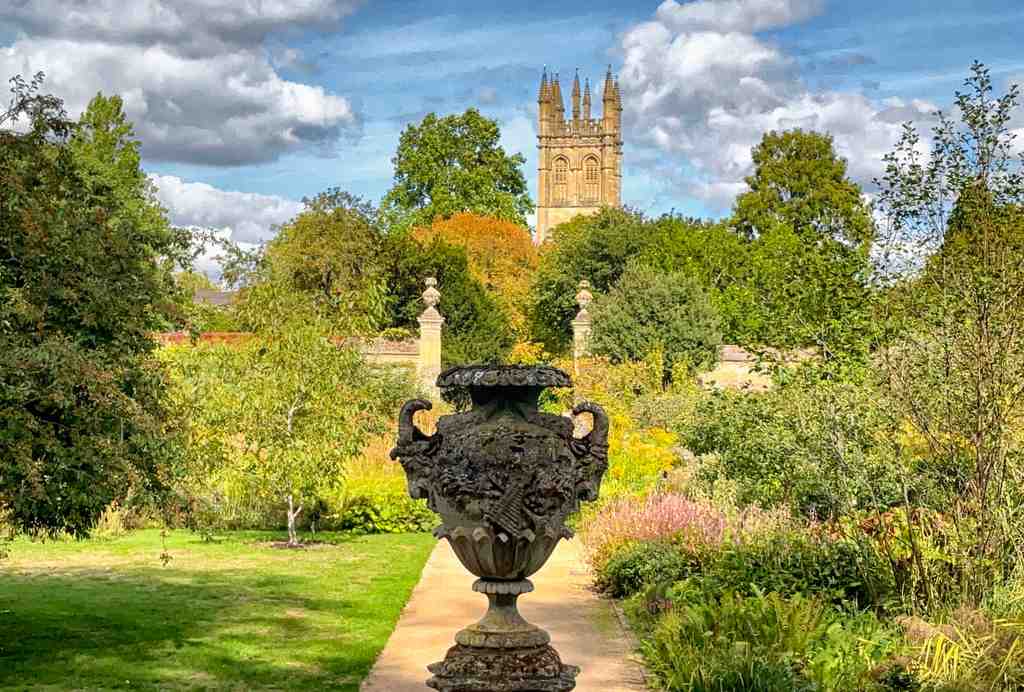
Beyond this entrance lies an astonishingly compact collection: more than five thousand species packed into just one point eight hectares, representing over ninety percent of the higher plant families. It is a small garden with an outrageously ambitious social life. The layout falls into the walled garden, the glasshouses, and the lower garden near the river. Inside the old walls, plants are grouped by family in long narrow beds, a kind of botanical filing system. There is also a modern medicinal collection arranged by what the plants help treat - the heart, lungs, skin, blood, nerves, and more - a quiet reminder that many modern drugs began as leaves, roots, bark, and human curiosity.
Oxford’s first head gardener, Jacob Bobart, published a catalog in sixteen forty-eight listing sixteen hundred plants in both Latin and English. That was not just gardening; that was an argument that naming and studying the living world mattered.
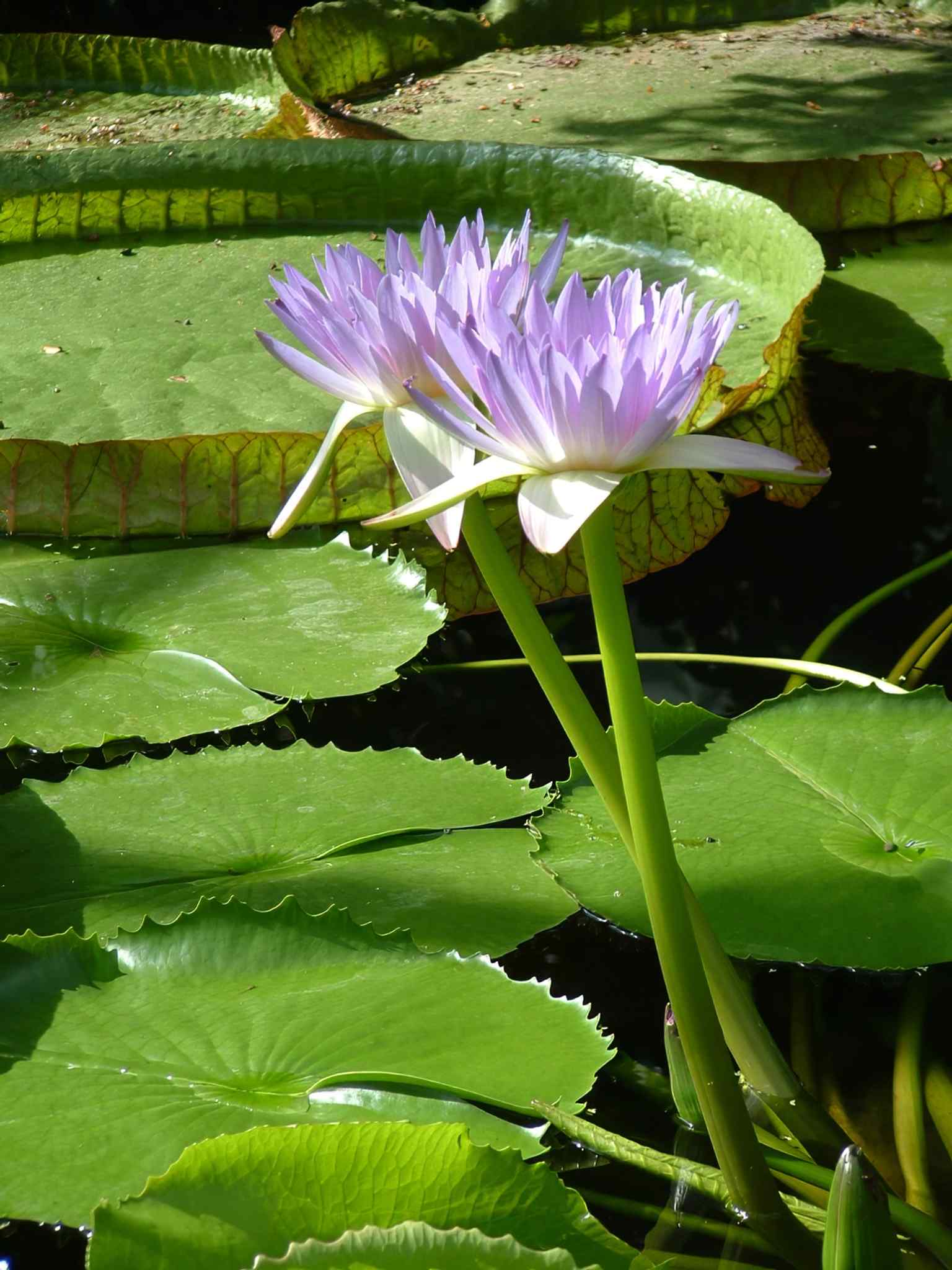
If you peek at your app, the water lily image hints at one of the garden’s best-loved interiors. Lewis Carroll brought the Liddell children here in the eighteen sixties, and the lily house slipped into the visual world of Alice in Wonderland. J. R. R. Tolkien liked to sit here beneath a huge Austrian pine, and Philip Pullman turned a bench in the garden into one of Oxford’s most quietly heartbreaking literary shrines.
For a final stop, this place feels right: science, story, beauty, and a little stubborn survival, all behind one splendid gate. If you plan to go in, the garden is open every day from ten in the morning until five in the afternoon.
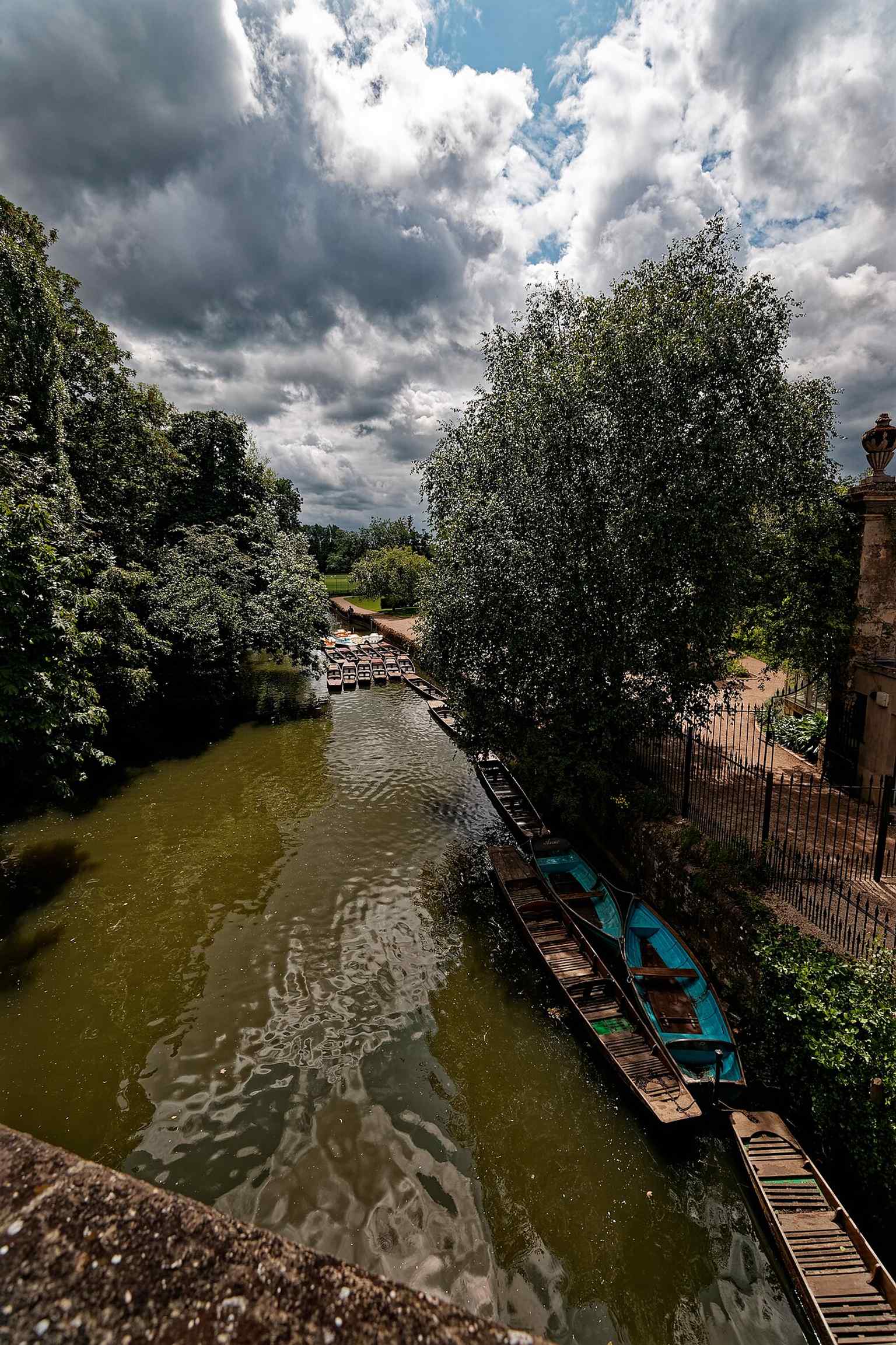






%20-%20View%20South%20on%20River%20Cherwell%2C%20Punts%20%26%20University%20of%20Oxford%20Botanic%20Garden%201621.jpg)
%20-%20View%20SSE%20on%20Danby%20Gateway%201633%20by%20Nicholas%20Stone%20-%20Baroque%20architecture%20-%20Entrance%20gate%20to%20University%20of%20Oxford%20Botanic%20Garden.jpg)