
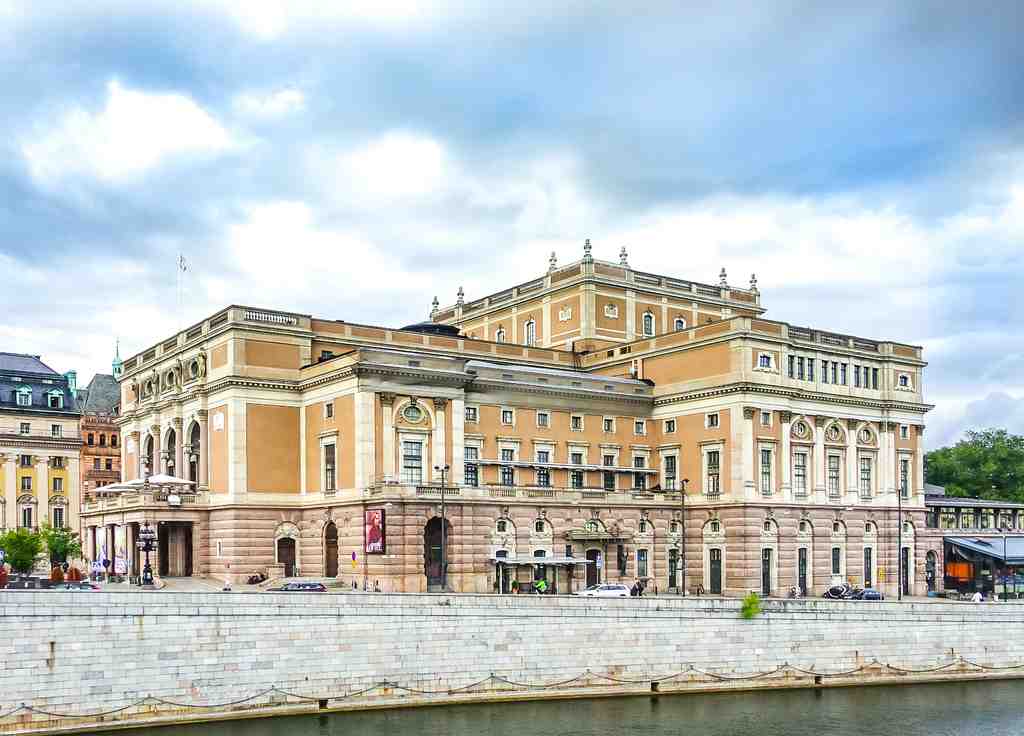
Look to your left for a massive pale-orange stone building with a deeply textured stone base, tall arched windows along the front balcony, and a flat rooflined balustrade. Remember the Hereditary Prince's Palace we saw just a few minutes ago? That palace was built by King Gustav the Third's sister to be an exact architectural twin of the original opera house that used to stand right here on this very spot. So looking at that palace gives you a perfect idea of what this location looked like back in the late seventeen hundreds.
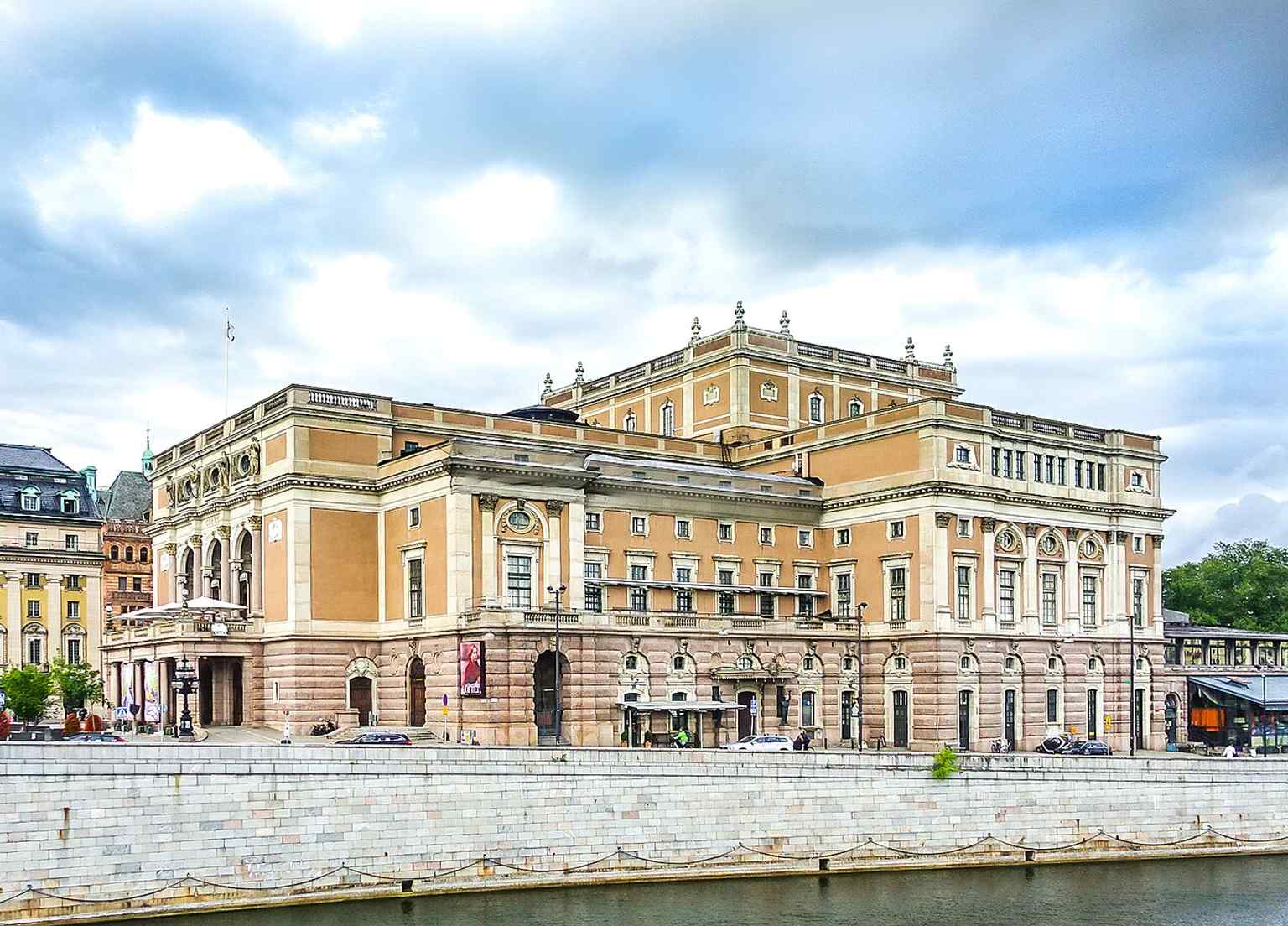
This current version, the Royal Swedish Opera, was inaugurated in 1898. It is designed in the Neo-Baroque style, an architectural movement focused on highly ornate, theatrical designs packed with grand European detailing meant to absolutely dazzle the eye. You can pull up your app to see a full historical view of this magnificent facade. Not everyone was dazzled back then, though. Some local critics hated it so much they called the building a stack of piled up cigar boxes.
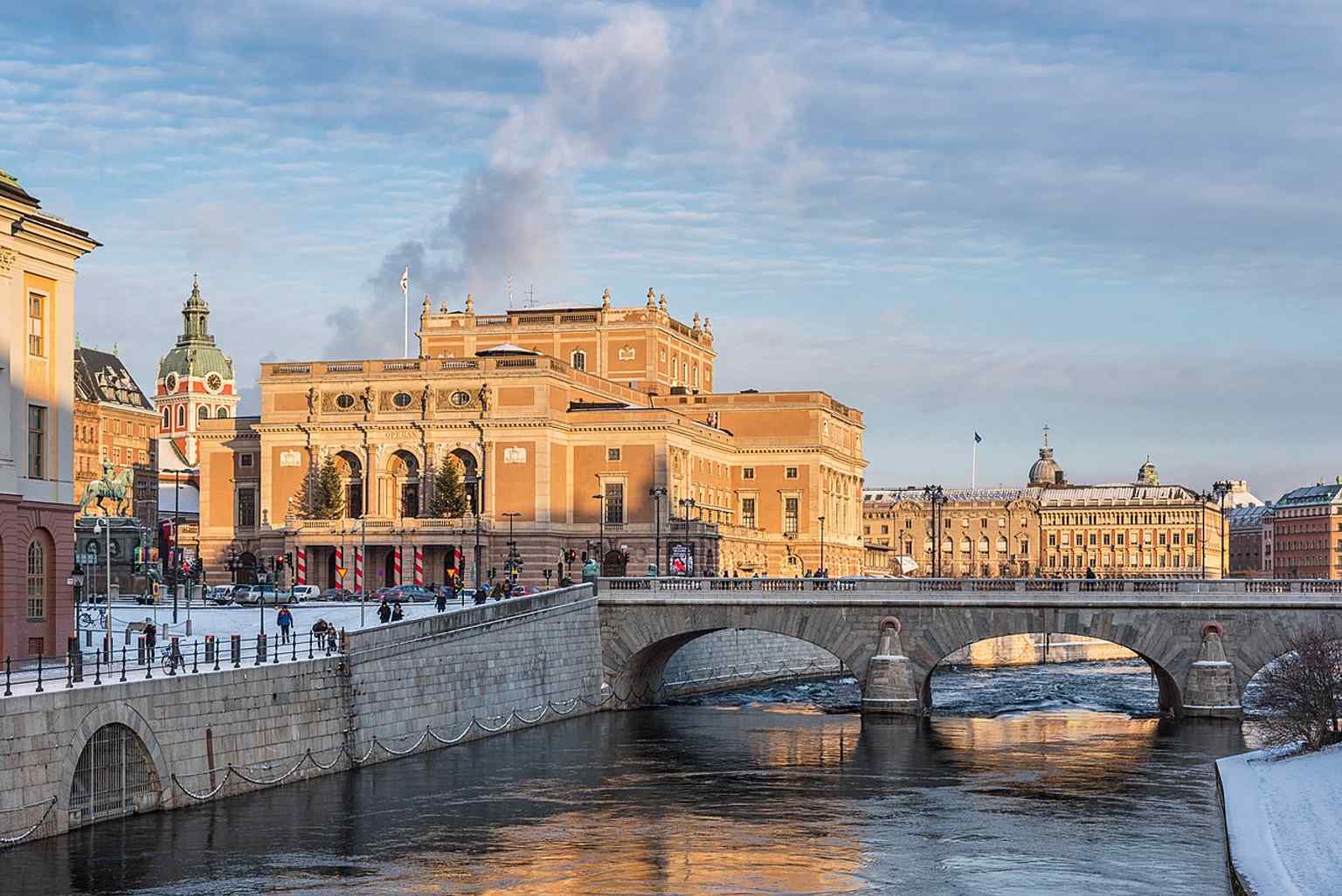
But the true drama of this site goes back to that original opera house. In 1792, King Gustav the Third attended a grand masquerade ball here. During dinner, he received an anonymous letter warning him not to go down to the ballroom. The King ignored it, walking into the crowd hidden behind a mask and a Venetian silk cloak. It was a fatal mistake. An assassin shot him in the back. The King cried out that he was wounded, while the conspirators yelled that there was a fire to create chaos and escape. The doors were immediately locked, and every single guest was forced to unmask before they were allowed to leave. This shocking murder inspired Giuseppe Verdi's famous opera Un ballo in maschera, though Italian censors actually forced Verdi to change the setting to Boston because depicting the murder of a king on stage was strictly illegal at the time.
The old building was also the site of a horrific accident. In 1877, a ballet dancer named Sophia Dahl got too close to an open gas lamp on stage. Her tulle skirt caught fire, and she tragically died from her burns. People say her spirit never left. Singers practicing alone on the stage still report feeling an unexplainable cold or seeing shadows moving in the upper balconies.
But this place is also filled with pure magic. In 1838, a young girl who had completely lost her voice miraculously regained it on this stage, causing absolute hysteria. That was Jenny Lind, who became a massive global superstar known as the Swedish Nightingale. Decades later, a seventeen-year-old boy auditioned for the famously strict opera director. The director simply wrote in his notebook that the boy was remarkably good, a true phenomenon. That kid was Jussi Björling, who grew up to become one of the greatest tenors in world history. You can check your phone to see how the building completely transforms when illuminated for special events, radiating that same star power.
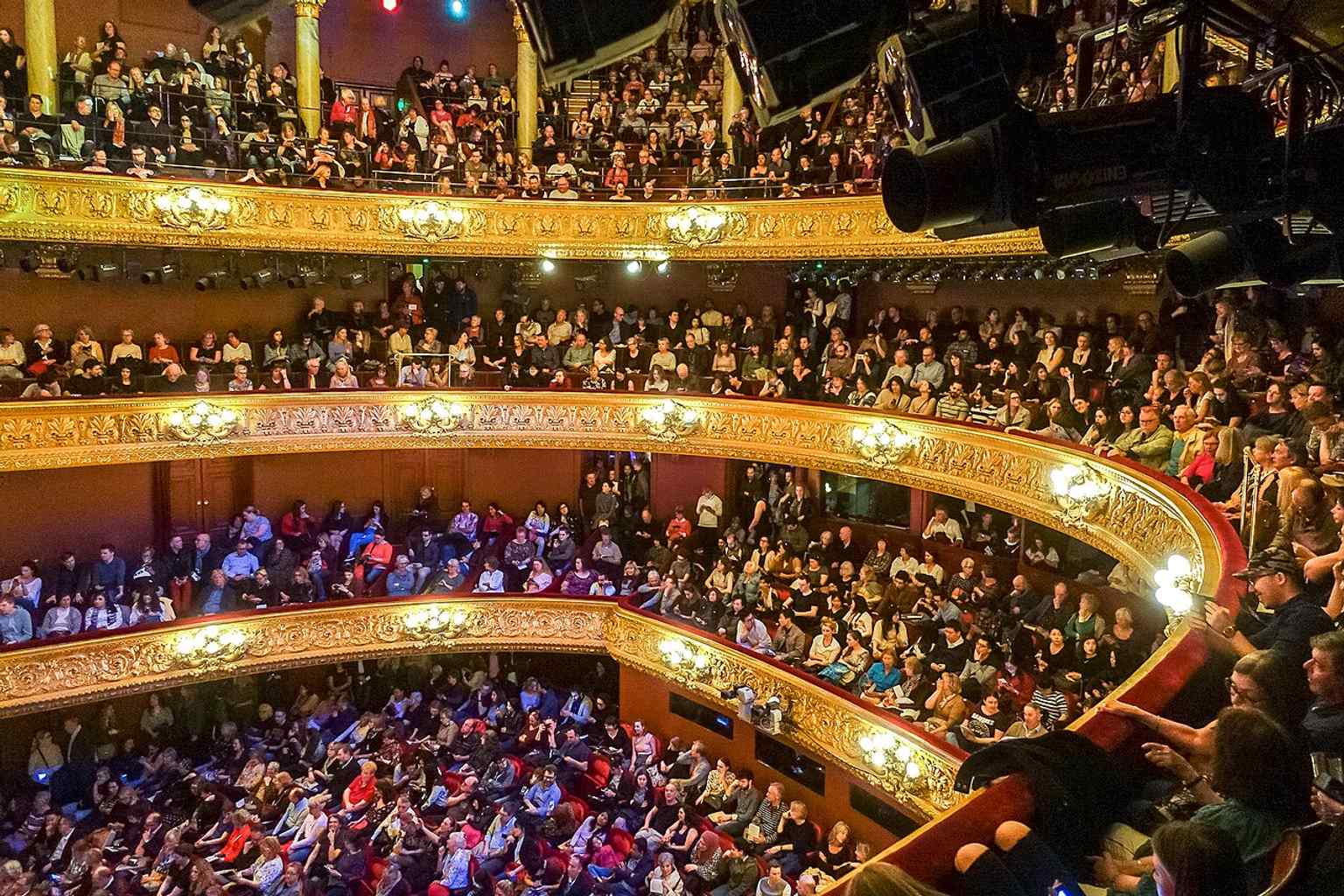
And the music fueling all of this? The Royal Court Orchestra playing inside is one of the oldest in the world, founded way back in 1526, long before the art of opera even existed.
It is a place where centuries of Swedish history, tragedy, and triumph are built right into the walls. Whenever you are ready to continue your walk, we can head over to our next stop.






.jpg)