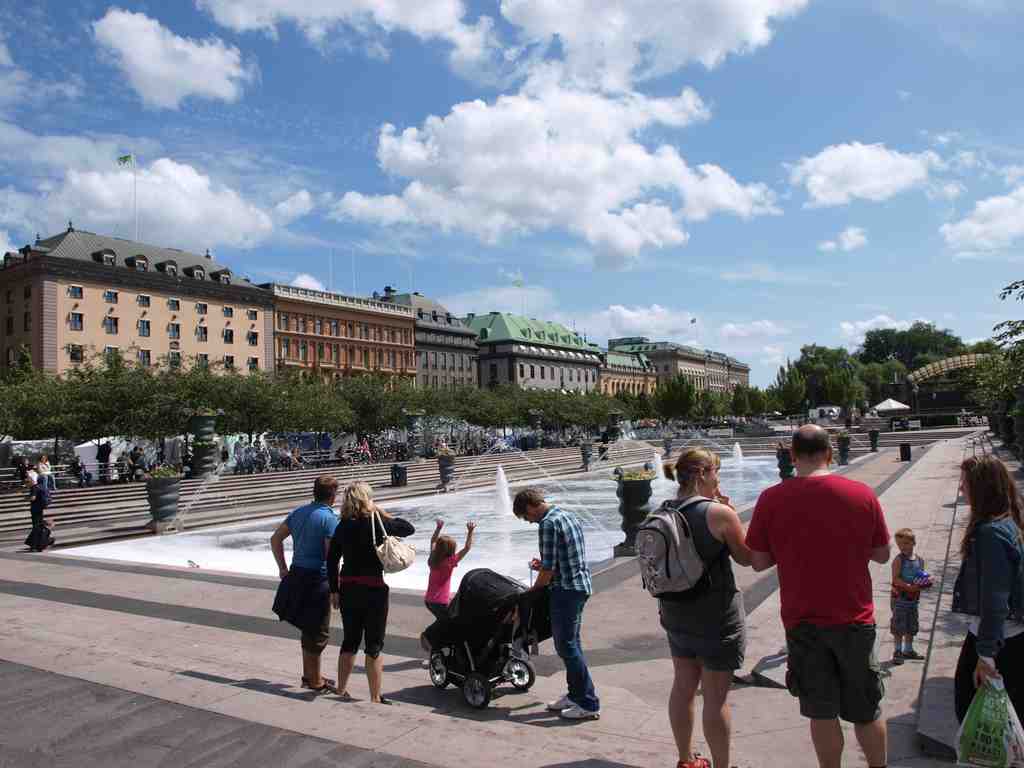
To your right stretches Kungsträdgården, marked by a wide, rectangular stone fountain basin lined with large, dark bronze urns and flanked by formal rows of trees.
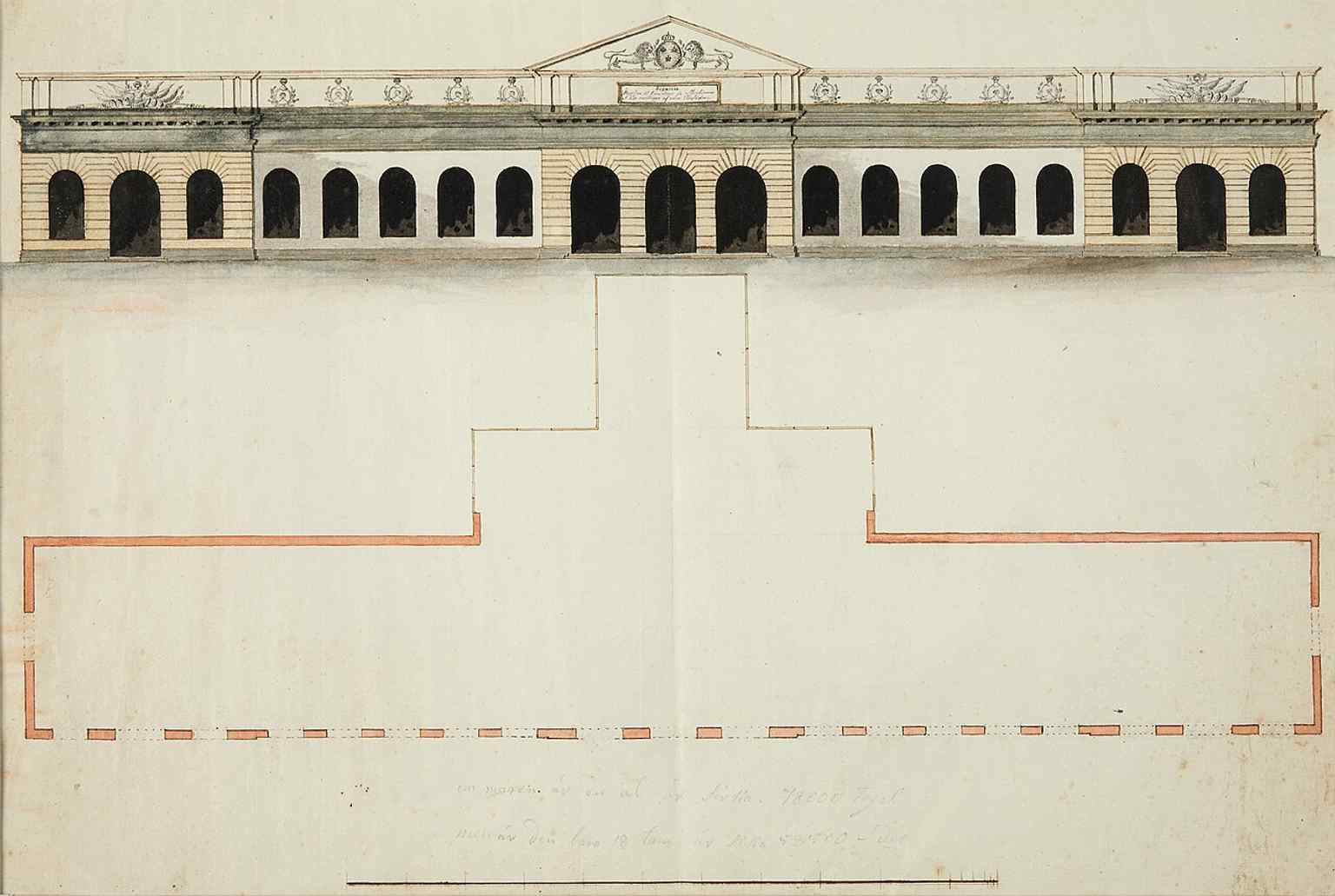
Welcome to Kungsan. That is what the locals call Kungsträdgården, or the King's Garden. But if we rewind to the year fourteen thirty, the name was far less glamorous. It was recorded in historical ledgers as konungens kålgård... the king's cabbage patch. It was a purely utilitarian plot feeding the royal kitchen. Over the next few centuries, those humble cabbages were ripped out to make way for a highly manicured, enclosed Baroque pleasure garden, characterized by dramatic, formal symmetry. You can check out the engraving on your screen to see exactly what that royal wonderland looked like in the early seventeen hundreds. It was completely walled off from the city, anchored at one end by a massive palace known as Makalös, meaning Peerless.
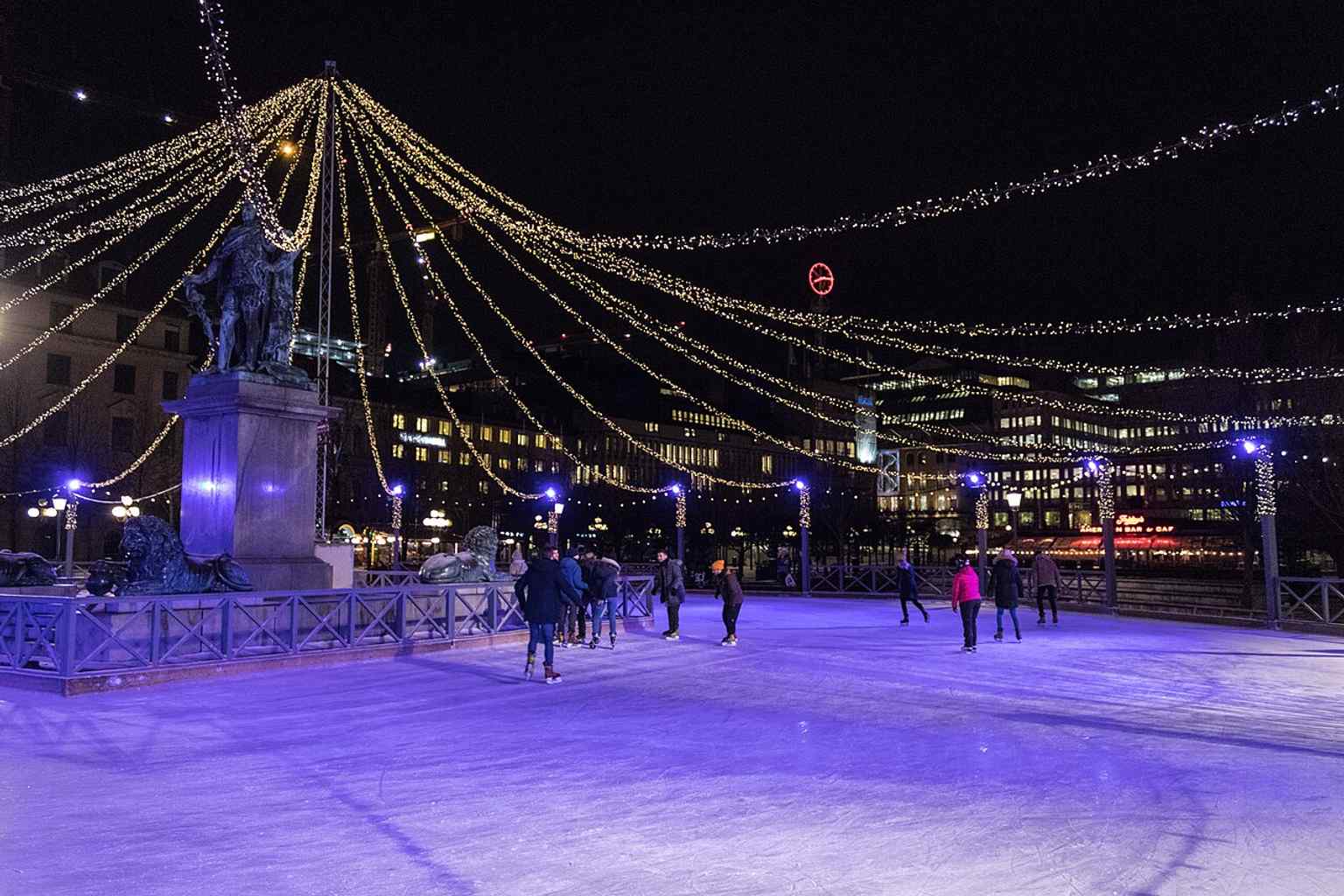
Eventually, the walls came down. King Charles the Fourteenth John turned a large section of the space into an open gravel square to honor his predecessor, Charles the Thirteenth, placing a towering Neoclassicist statue of him right in the middle. Neoclassicism was a grand, monumental style inspired by the art of ancient Greece and Rome. But the locals absolutely hated the barren gravel. They mocked the king's monument, calling the statue a gardener without a garden. Stockholmers have always had a sharp, cynical wit. Charles the Thirteenth's statue is flanked by four sculpted lions. Just to the south stands the statue of Charles the Twelfth, surrounded by four mortar cannons, which in Swedish slang are called pots. Naturally, the citizens started referring to the two royal monuments together as a lion among pots and a pot among lions.
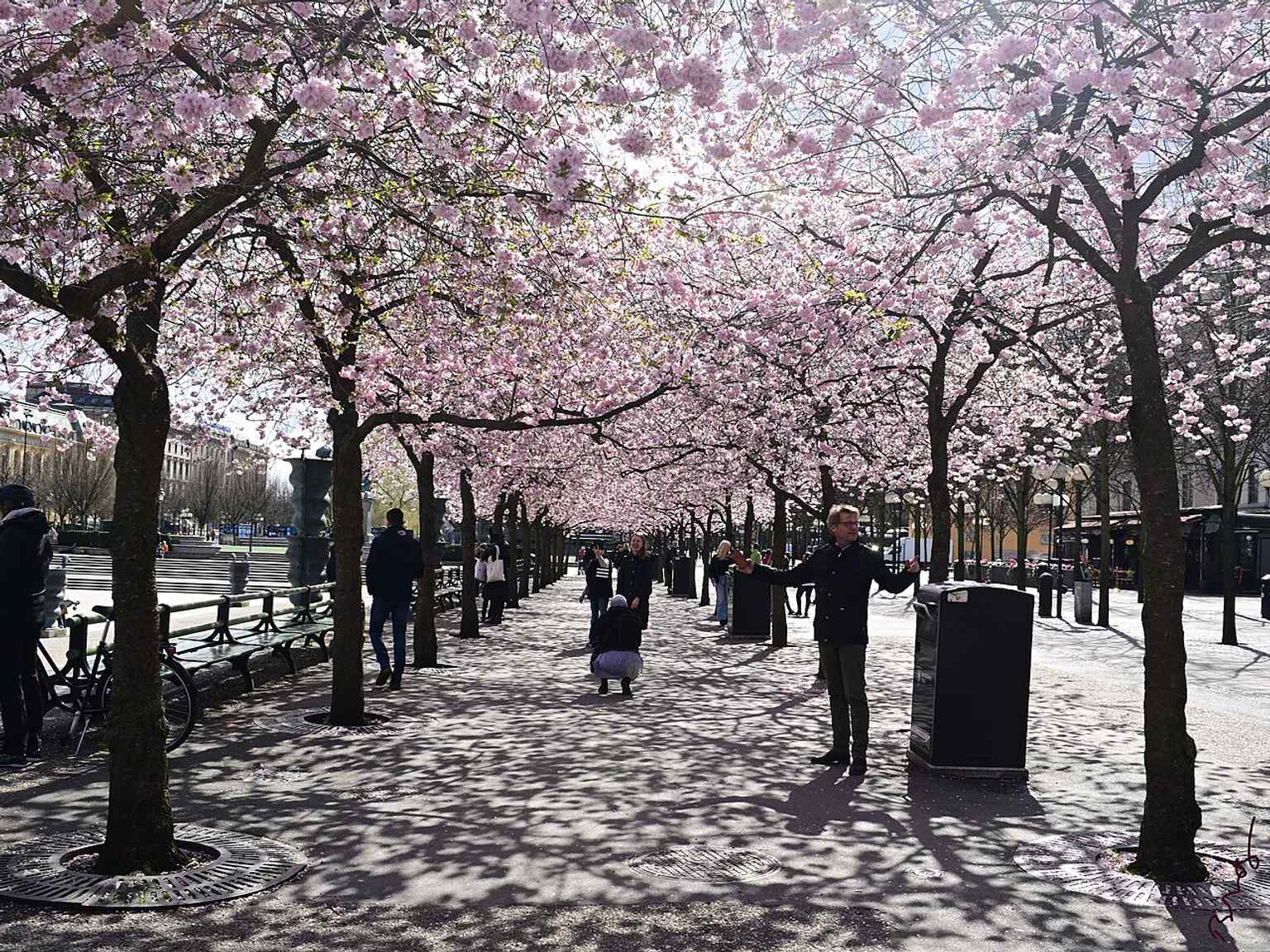
In the eighteen sixties, the unpopular gravel was finally replaced by the leafy tree-lined avenues that give the park its character today. They also added a magnificent centerpiece. Pull up the image of Molin's Fountain on your app. This intricate bronze masterpiece depicts the mythological Norse ocean god Ægir, his wife Rán, and the river spirit Nix playing a harp. It acts as a clever geographic metaphor, symbolizing Stockholm itself, wedged right between the upper freshwater bowl of Lake Mälaren and the lower saltwater basin of the Baltic Sea.
But the most dramatic chapter in this park's history happened in May nineteen seventy one. The city was excavating a new metro station and planned to chop down a grove of majestic, centuries old elm trees. The public outrage was explosive. In what became known as the Battle of the Elms, citizens literally chained themselves to the trunks. The protests grew so intense that the government actually backed down. The trees were saved, the metro entrances were rerouted to the edges of the park, and the victory essentially ended an era of careless demolition in central Stockholm.
Today, it is an incredible space of civic pride and resistance, and beautifully, the paths of Kungsträdgården remain open for you to wander twenty four hours a day. Take a breath under these trees before we continue.