
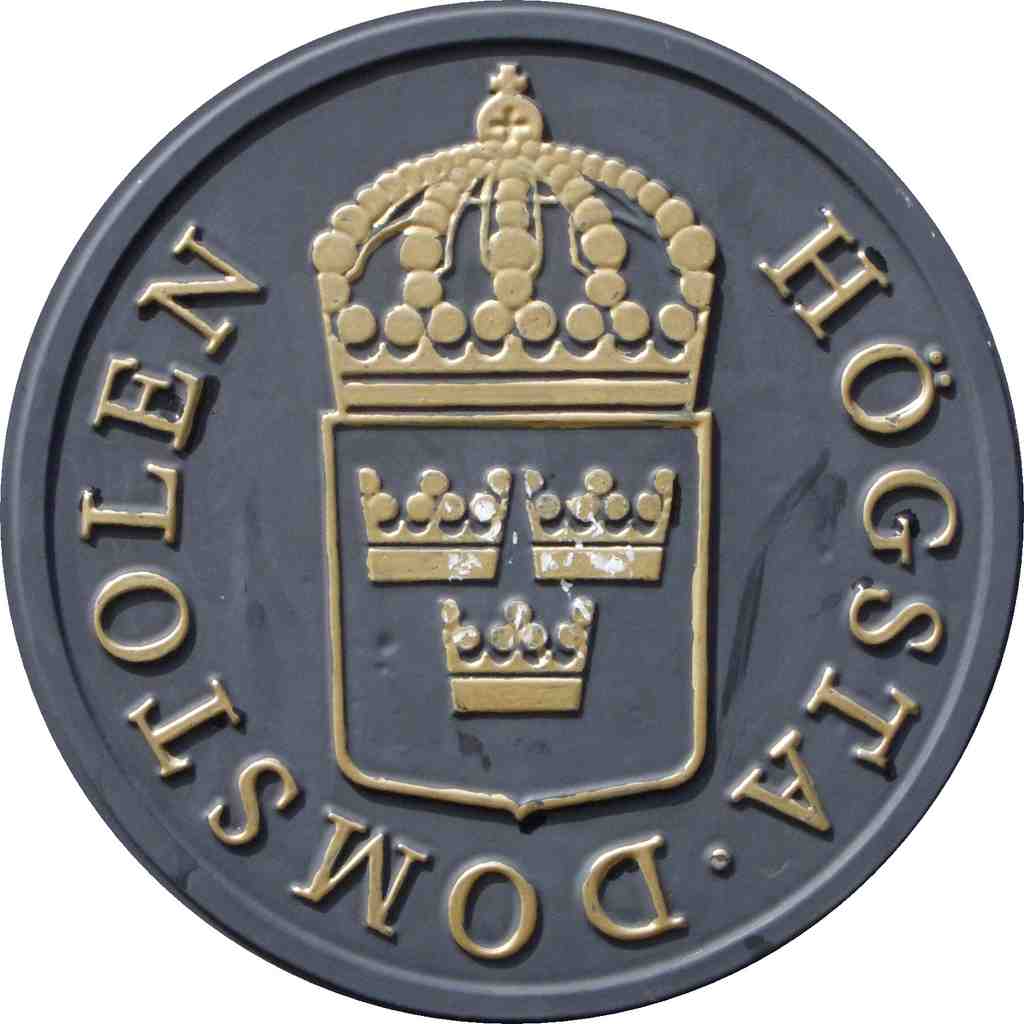
To spot the Supreme Court of Sweden, look for a stately building with a grand old-world presence, and above the entrance, keep your eyes out for a large bronze and gold emblem featuring a crowned shield with three crowns-just like the one in front of you now.
Now, pause for a moment in front of the Supreme Court, or as the Swedes call it, Högsta domstolen. Imagine you’re standing where centuries of tension, intrigue, and even a bit of royal drama have played out. Take a deep breath-can you almost smell the old parchment, the polished wood, and feel the weight of decisions made here? Welcome to one of Sweden’s most powerful and respected institutions, where justice has been handed out like carefully weighed gold coins-never too much, never too little.
Here’s how it all began: Back in the days of kings, swords, and rather uncomfortable pants, the Swedish monarch called all the shots in matters of law. If you had a grievance, it was off to the king you’d go, petition in hand, hoping you’d catch him in a good mood. In 1614, King Gustavus Adolphus took pity on his people (or maybe just got tired of handing out judgments between banquets) and set up the Svea Court of Appeal. But, and here’s the twist, if folks still weren’t happy, they could appeal directly to the king. Imagine the lines at the royal mailbox.
Fast forward to the late 18th century-King Gustav III, a fan of big hats and even bigger changes, shook things up in 1789. He suspended the powerful Privy Council of nobles and, with a flourish, introduced the King’s Supreme Court. Here’s where it gets interesting: there were twelve judges, always an equal mix of nobles and commoners, because apparently, nobody likes a lopsided dinner party. And if ever there was a tie in a decision, the king held not one but two votes-and, just in case you thought he’d abuse this power, legend has it he only cast his deciding vote for fun on the court’s 100th birthday!
With time, stern faces in wigs gave way to sharp-minded civil servants, and by 1809, the judges were given the fancy-sounding title of Councillor of Justice. Gone were the days of noble exclusivity-now anyone, noble or commoner, could rise to judge. The politics continued to evolve, and in 1844, the rule about equal numbers of nobles and commoners was dropped, leaving more room for clever shoe salesmen to sneak into the judiciary…just kidding.
Queen Victoria-wait, no-the Supreme Court also got two siblings in 1909: the Supreme Administrative Court, taking care of administrative squabbles, and the Council on Legislation for those “is-this-legal?” moments. At that point, the monarch’s grip was truly loosened from the scales of justice, and the court was free to rule without royal interference.
Now, not just anyone can get a case heard here-you need leave to appeal, which is often only granted if your case could set a precedent. Think of it as the ‘VIP entrance’ to Sweden’s legal world. And when you stand here today, remember that since 1949, the Supreme Court has been based in the elegant Bonde Palace, away from the Royal Palace, giving it a cozy but distinguished home of its own.
Today, 16 razor-sharp justices-appointed by the government, but fiercely independent-sit inside deciding the big cases that shape Swedish law. Since 2018, Anders Eka has been the court’s chairman, holding a gavel that surely echoes the wisdom (and maybe a little mischief) of centuries past. So, as you gaze at the coat of arms, imagine all the debates, the weighty decisions, and just a few royal dramas that have unfolded behind these grand walls. Dare I say it, this is one courtroom where you don’t want to object lightly!




