
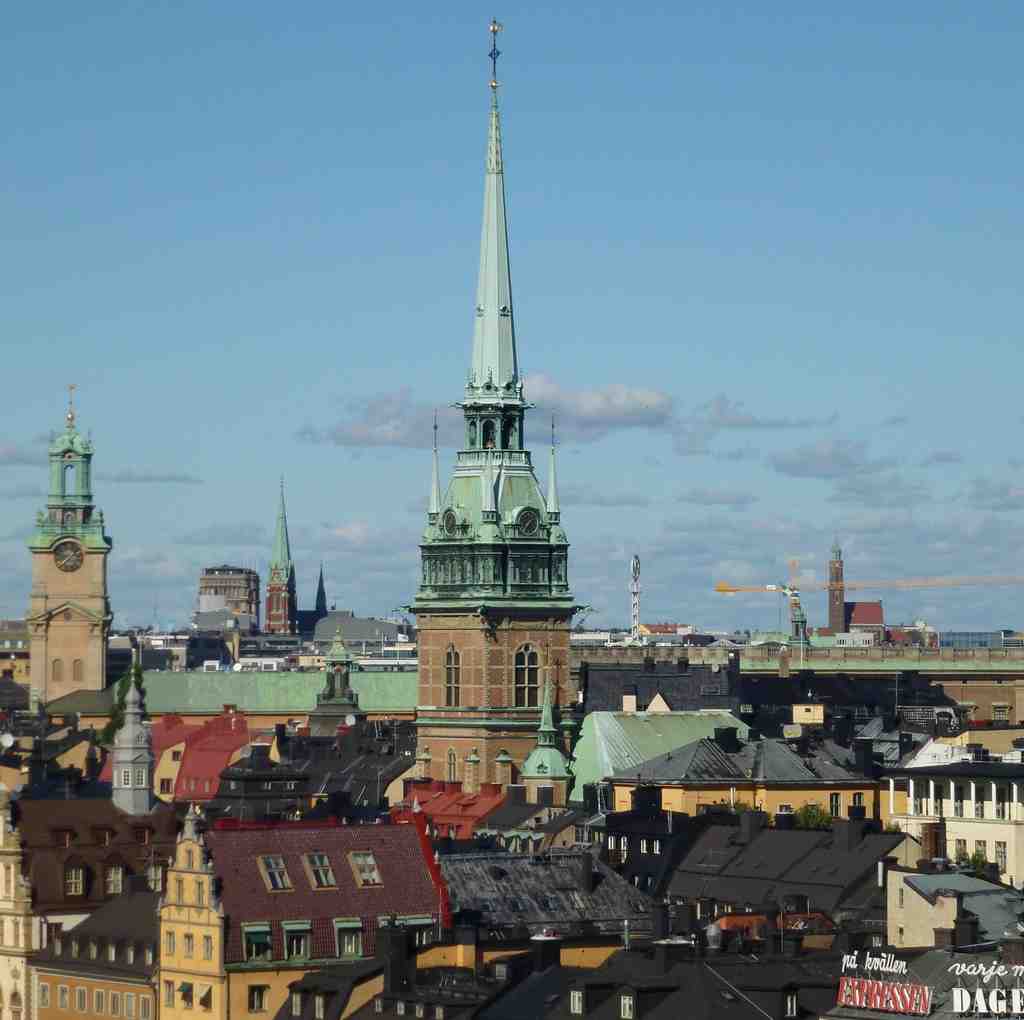
In front of you, you’ll see a striking church with a tall, slim green spire, rising above the rooftops-look for the distinctive copper roof and Gothic design just ahead.
Welcome to the German S:ta Gertrud’s Assembly-a place where the past seems to shimmer in the cold Stockholm air. Here, in the heart of the city, imagine the year is 1558; footsteps echo on cobblestones, and voices drift between Swedish and German as merchants and families gather around a newly formed parish just for them. This wasn’t just any church community. It was a refuge, a patch of home in a foreign land, for those with German roots and language. People here could hear prayers said in their own tongue, a comfort that must have felt like gold when winter winds howled outside.
Through centuries, the sound of children laughing and the solemn notes of the organ filled these streets. Sometimes, the building itself felt like a living being, growing as the congregation swelled and shifting as Stockholm changed. It also absorbed the Dutch congregation in 1839-more languages, more stories, more warmth pressed into its old stones.
But beyond the ceremonies, S:ta Gertrud’s Assembly became a true haven for generations. Imagine the bustling gatherings-music and song drifting beyond the doors, youth groups sharing meals and laughter, the unique Fishermen's friends group with teenagers huddled in winter, or the energy of young adults just beginning to find their place in the world. Every year, on Pentecost, a new crowd of young confirmands would excitedly shuffle in their seats, their eyes wide with dreams and hopes.
So as you stand here today, feel the stories pressing close. This church isn’t just a landmark; it’s a living tapestry of voices, belonging, and celebration woven through centuries of community spirit and gentle tradition.




