AudaTours logoAudaTours

Stop 7 of 17

Bourse

headphones 03:44 Buy tour to unlock all 19 tracks
Bourse
Börsen, Gothenburg
Börsen, GothenburgPhoto: Axt, Wikimedia Commons, Public domain. Cropped & resized.

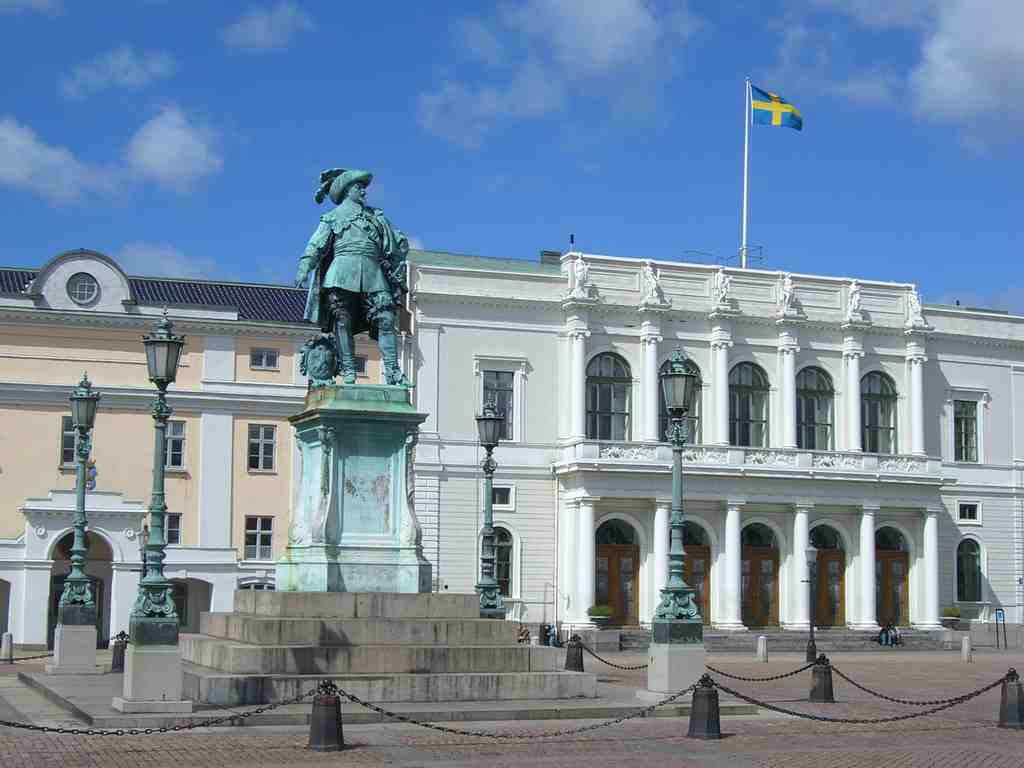
Glance across to the left to see a grand, rectangular white masonry building defined by a stately row of arches and columns on the ground level, topped with six distinct statues standing guard along the roofline. This is Börsen, Gothenburg's historic Exchange Building and current home to the city council.

The story of this place is absolutely fascinating. Back in the seventeenth century, the city's merchants didn't have a dedicated building. They just conducted their business right out on the main square, and when they needed a roof over their heads, they would huddle in a lower room of the nearby city hall. They called that room the Beursen. By the late seventeen hundreds, they decided they needed a proper headquarters, but they didn't actually gather the funds until 1844.

When they finally started building, they hit a massive literal roadblock. The ground here is pure clay. We are talking twenty to fifty meters of soft, shifting clay deep into the earth. So, to keep this massive structure from sinking into the mud, engineers had to drive a double layer of wooden foundation piles deep into the ground. But even with all that effort, the building still settles. In fact, a modern survey found a staggering forty centimeter height difference in the floor between two of the building's corners!

King Oscar the First laid the foundation stone in 1844, hiding a lead box inside filled with gold, silver, and copper coins. By the time the building opened in 1849, it had used two million bricks and cost four hundred and fifty thousand silver riksdaler. That was the old Swedish currency, which would be roughly four million dollars today.

Look up at those six figures on the roof. They might look like carved stone, but they are actually hollow, cast from zinc at a Swedish foundry. They represent the driving forces of Gothenburg. From left to right, you have Diligence, Peace, Commerce holding a staff, Navigation represented by Neptune with a trident, Wealth leaning on a horn of plenty, and Industry holding a rudder.

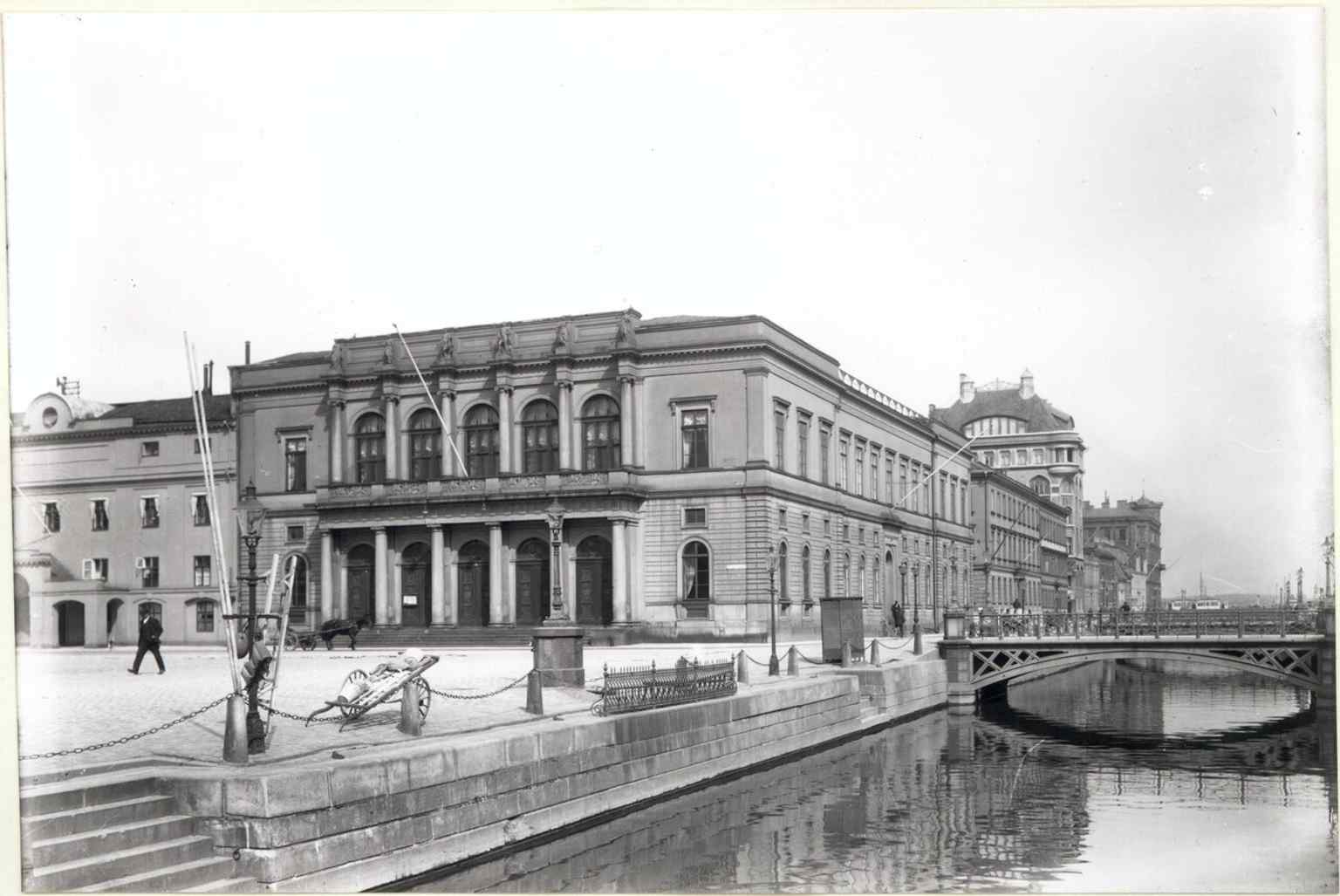
The square in front of the building has changed dramatically since those statues were first raised. Notice how the bustling Östra Hamnkanalen, visible in front of the Exchange Building in 1910, was eventually filled in to create the expansive paved plaza of Gustav Adolfs Torg that visitors walk across today.

In 1895, a massive fire ripped through the building. The damage was extensive, leading to a major reconstruction in the early nineteen hundreds. During that rebuild, they transformed an open inner courtyard into a spectacular indoor hall. Take a look at your screen to see a photo of its beautiful vaulted glass roof and walls made of yellow marble stucco, which is a fine plaster molded and polished to look exactly like solid stone.
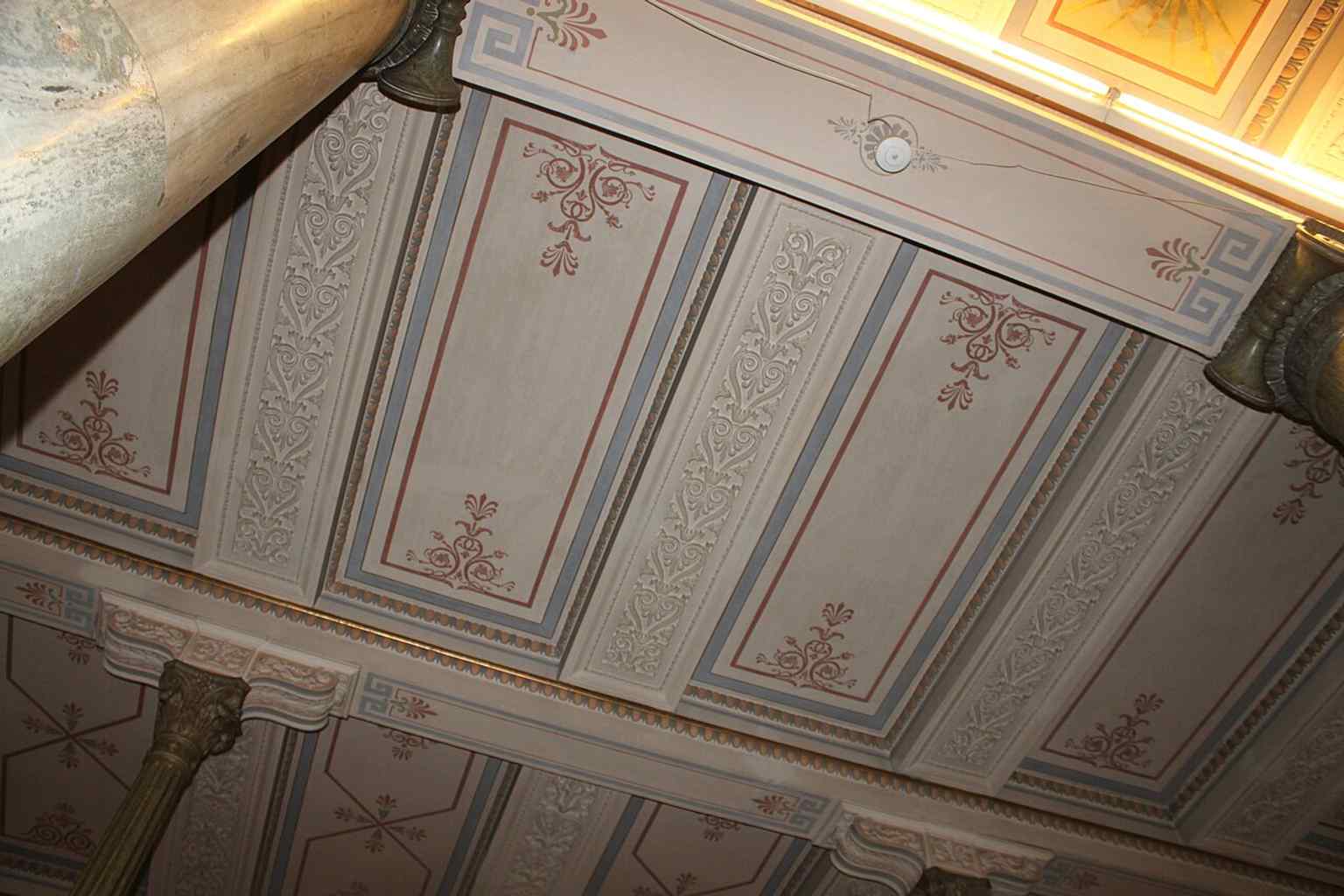
The vaulted glass roof of the Hall, an area added during the 1904-1905 reconstruction, which replaced an open courtyard.
The vaulted glass roof of the Hall, an area added during the 1904-1905 reconstruction, which replaced an open courtyard.Photo: Pklarsson, Wikimedia Commons, CC BY-SA 3.0. Cropped & resized.

Today, those grand inner halls, filled with green marble columns and intricately patterned oak parquet floors, host the city's most important council meetings and even royal guests.

Enjoy the grandeur of the square, and let us continue when you're ready.
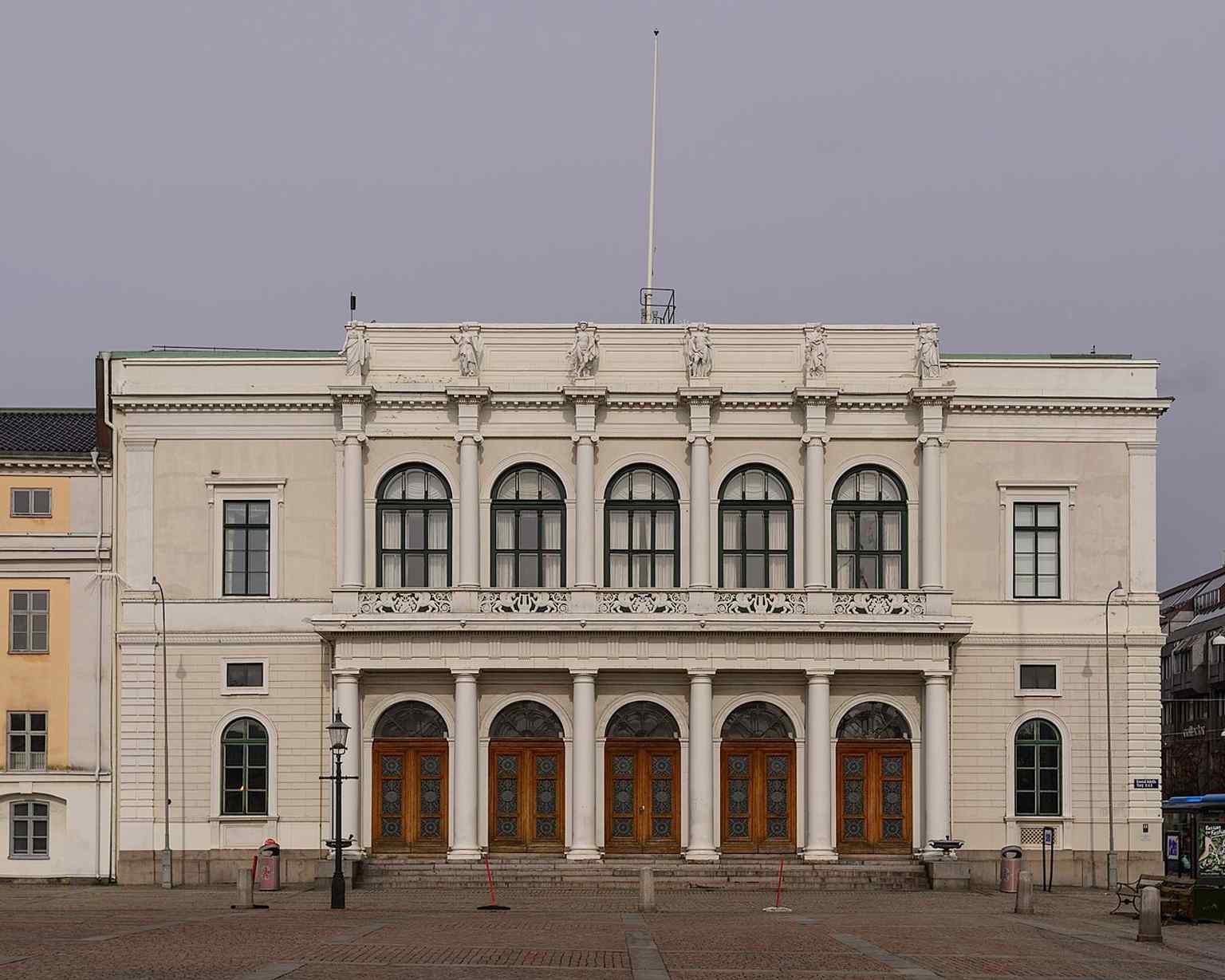
The Börsen, designed by Pehr Johan Ekman, stands majestically on Gustaf Adolfs Torg. Look closely at the facade to spot the six zinc frieze sculptures by Carl Gustaf Qvarnström, representing virtues like Commerce and Navigation.
The Börsen, designed by Pehr Johan Ekman, stands majestically on Gustaf Adolfs Torg. Look closely at the facade to spot the six zinc frieze sculptures by Carl Gustaf Qvarnström, representing virtues like Commerce and Navigation.Photo: Arild Vågen, Wikimedia Commons, CC BY-SA 4.0. Cropped & resized.
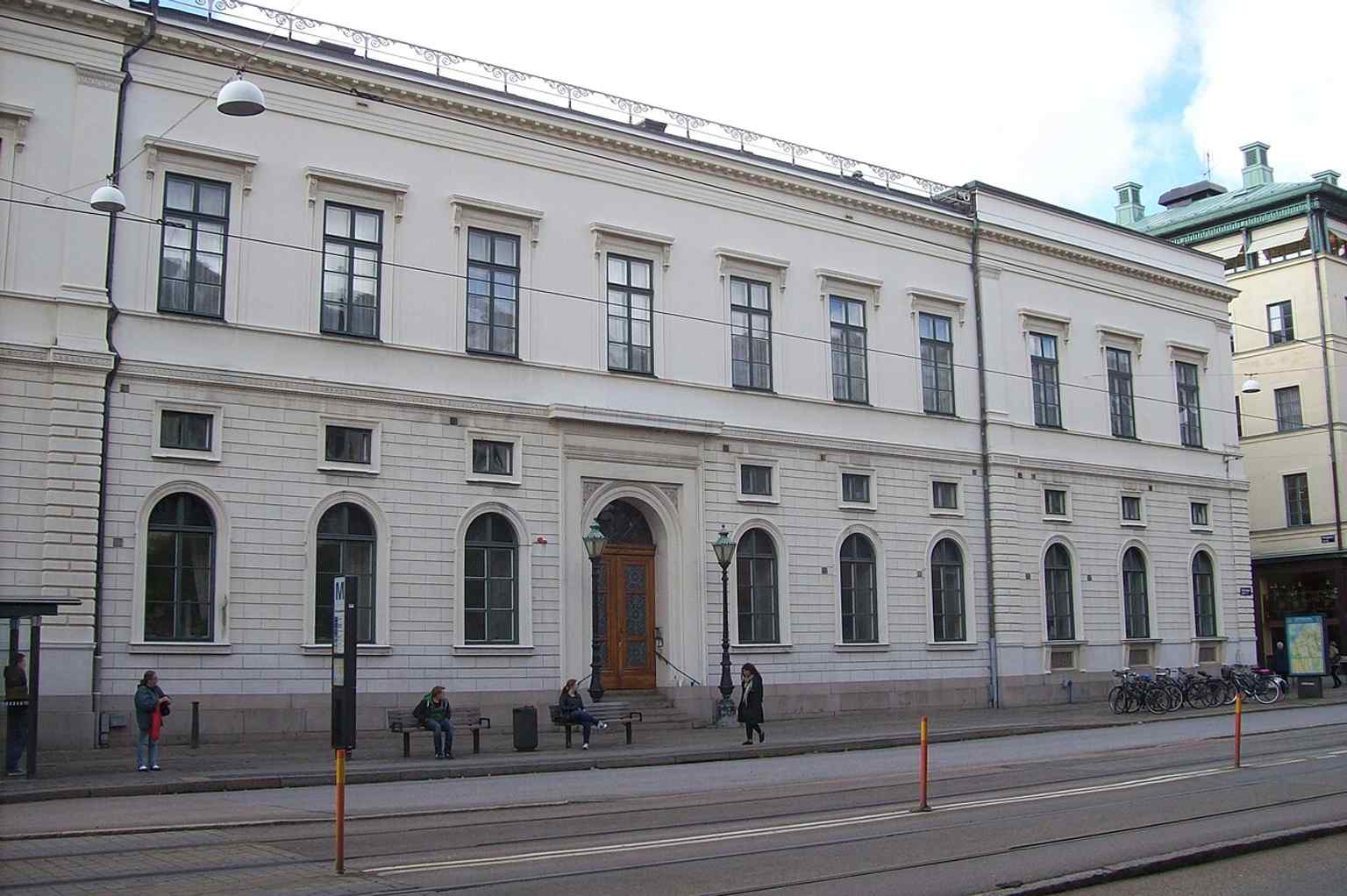
View of Börsen from Östra Hamngatan, where its foundations had to be built on piles due to clay depths of 20-50 meters.
View of Börsen from Östra Hamngatan, where its foundations had to be built on piles due to clay depths of 20-50 meters.Photo: Lintoncat, Wikimedia Commons, CC BY-SA 3.0. Cropped & resized.
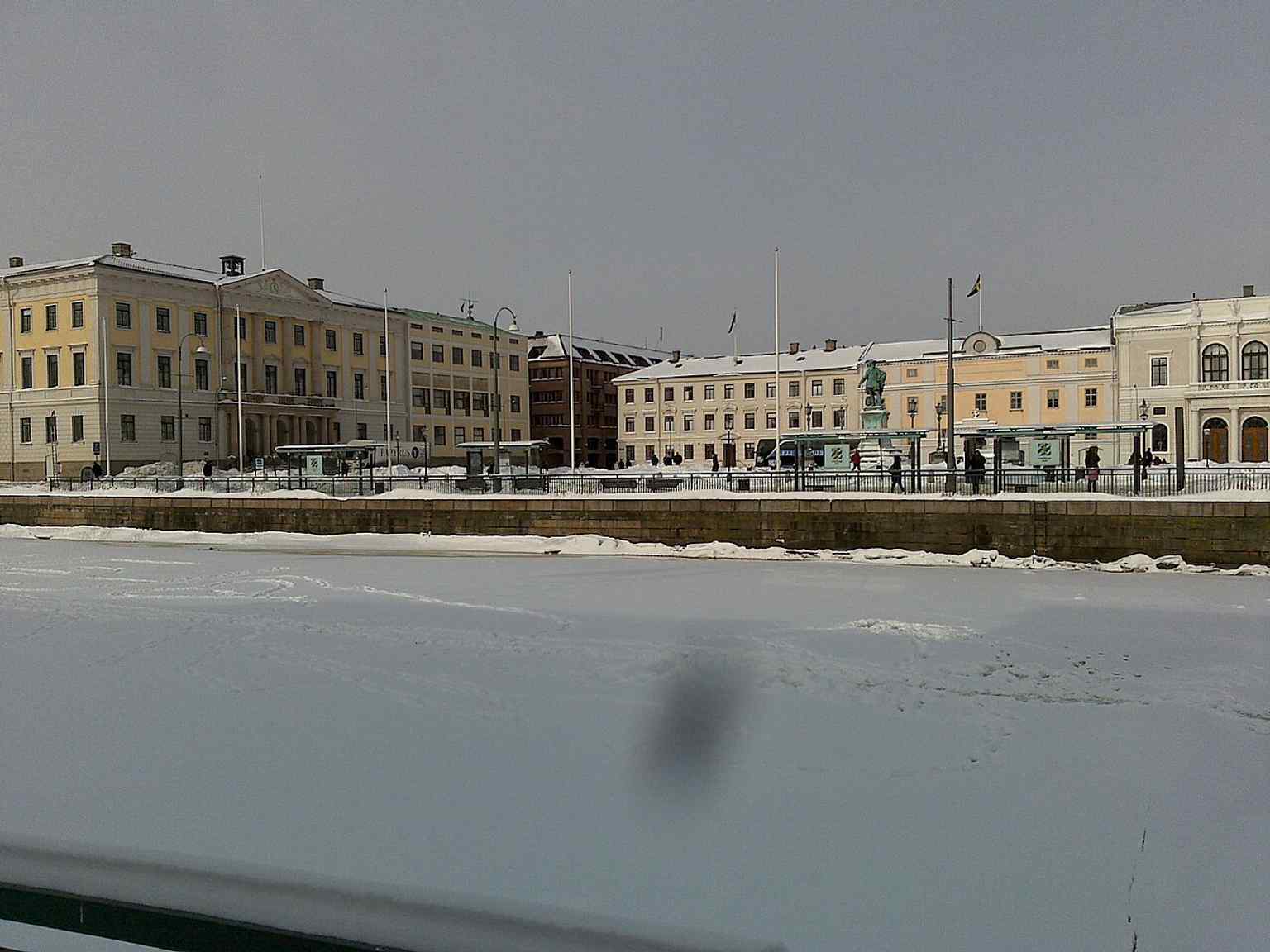
Börsen seen on Gustaf Adolfs Torg, next to Gothenburg's City Hall (Rådhus), where the first merchants met in the "Beursen" before the current building existed.
Börsen seen on Gustaf Adolfs Torg, next to Gothenburg's City Hall (Rådhus), where the first merchants met in the "Beursen" before the current building existed.Photo: Torleif Ceder, Wikimedia Commons, CC BY-SA 3.0. Cropped & resized.
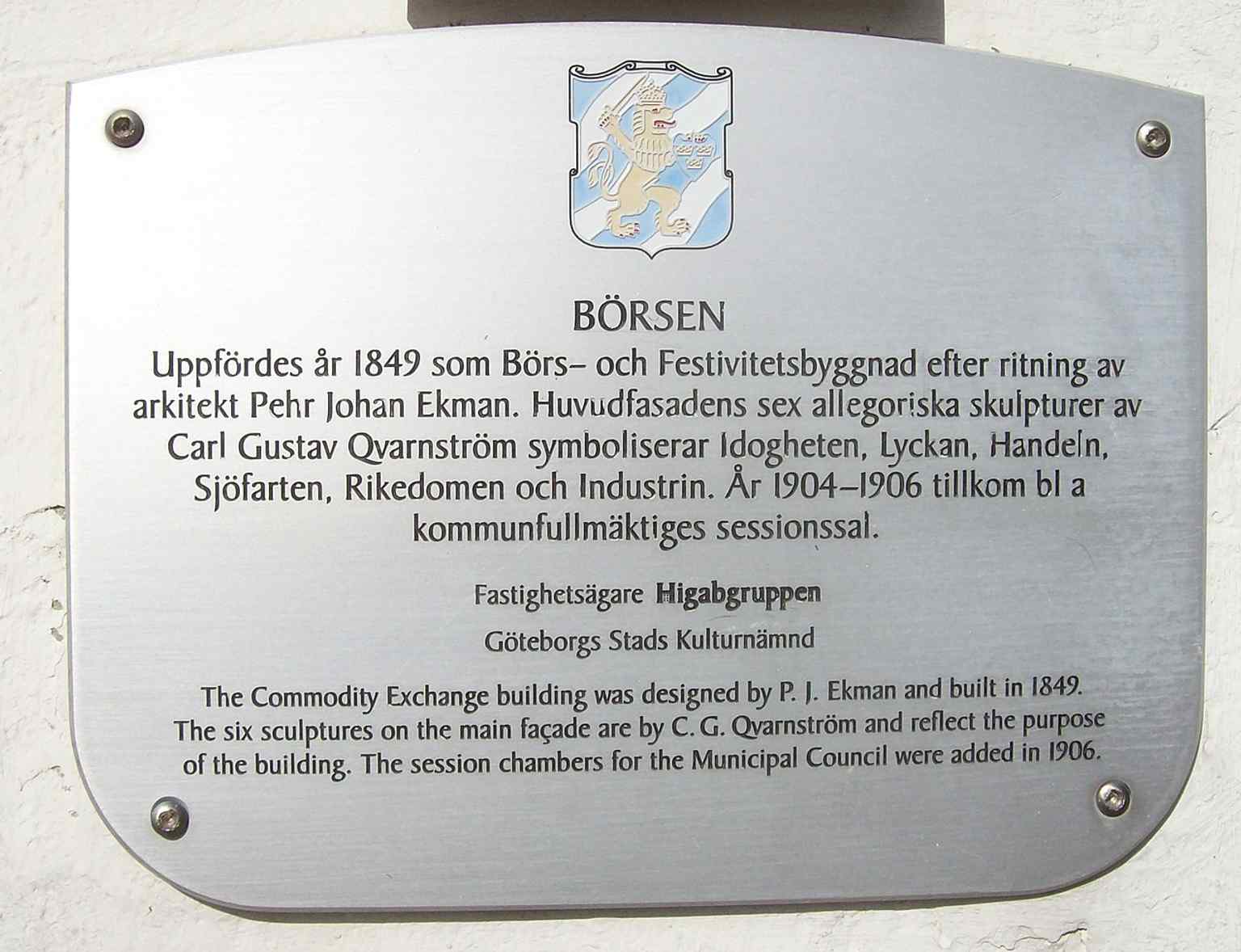
A plaque on Börsen, which has been a protected building monument since 1968 and 1973.
A plaque on Börsen, which has been a protected building monument since 1968 and 1973.Photo: Lintoncat, Wikimedia Commons, CC BY-SA 3.0. Cropped & resized.
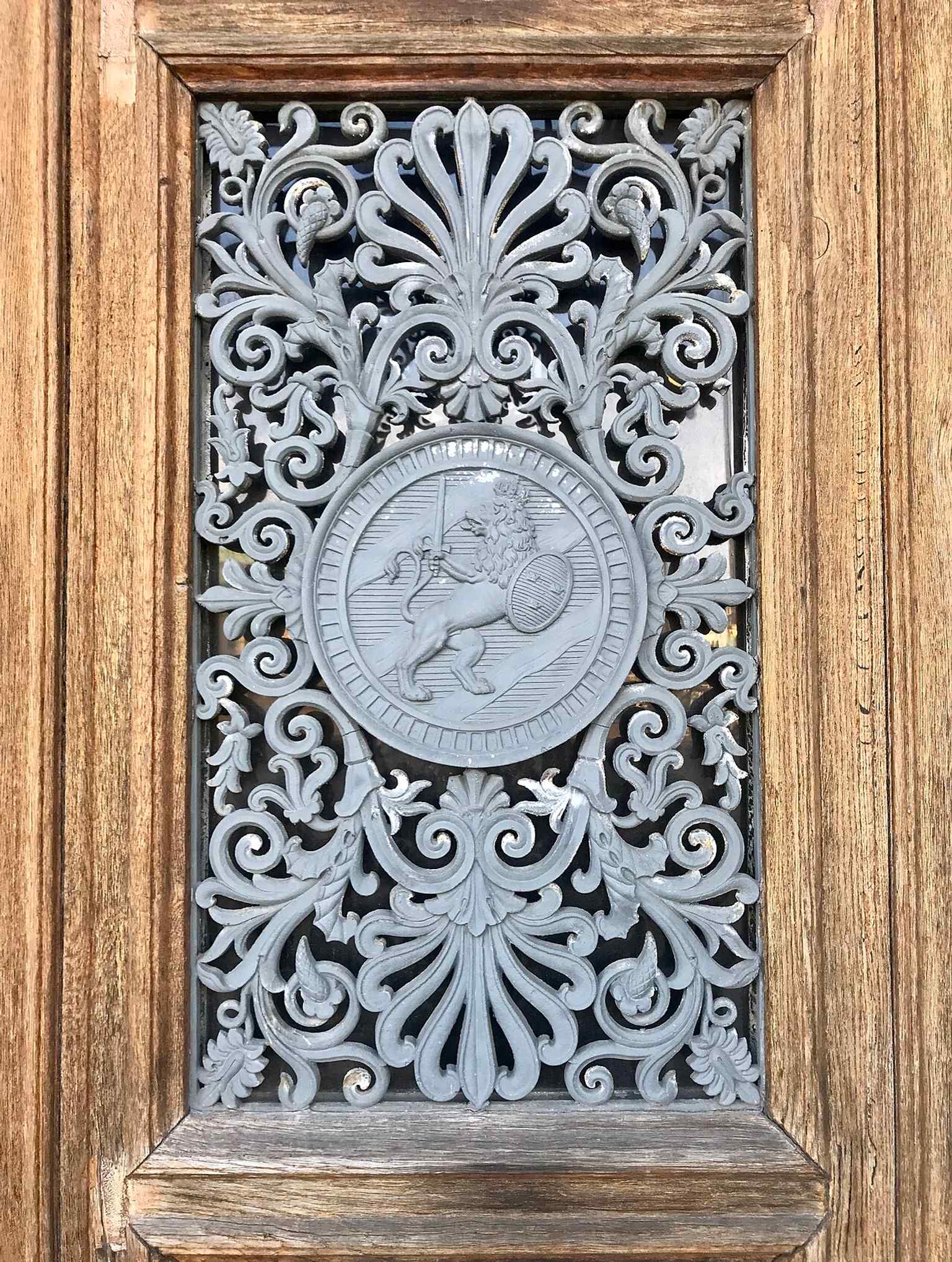
Detailed cast-iron grilles, a material that was "hitherto almost untried" for ornamentation when produced at Jonsereds foundry.
Detailed cast-iron grilles, a material that was "hitherto almost untried" for ornamentation when produced at Jonsereds foundry.Photo: Vogler, Wikimedia Commons, CC BY-SA 4.0. Cropped & resized.
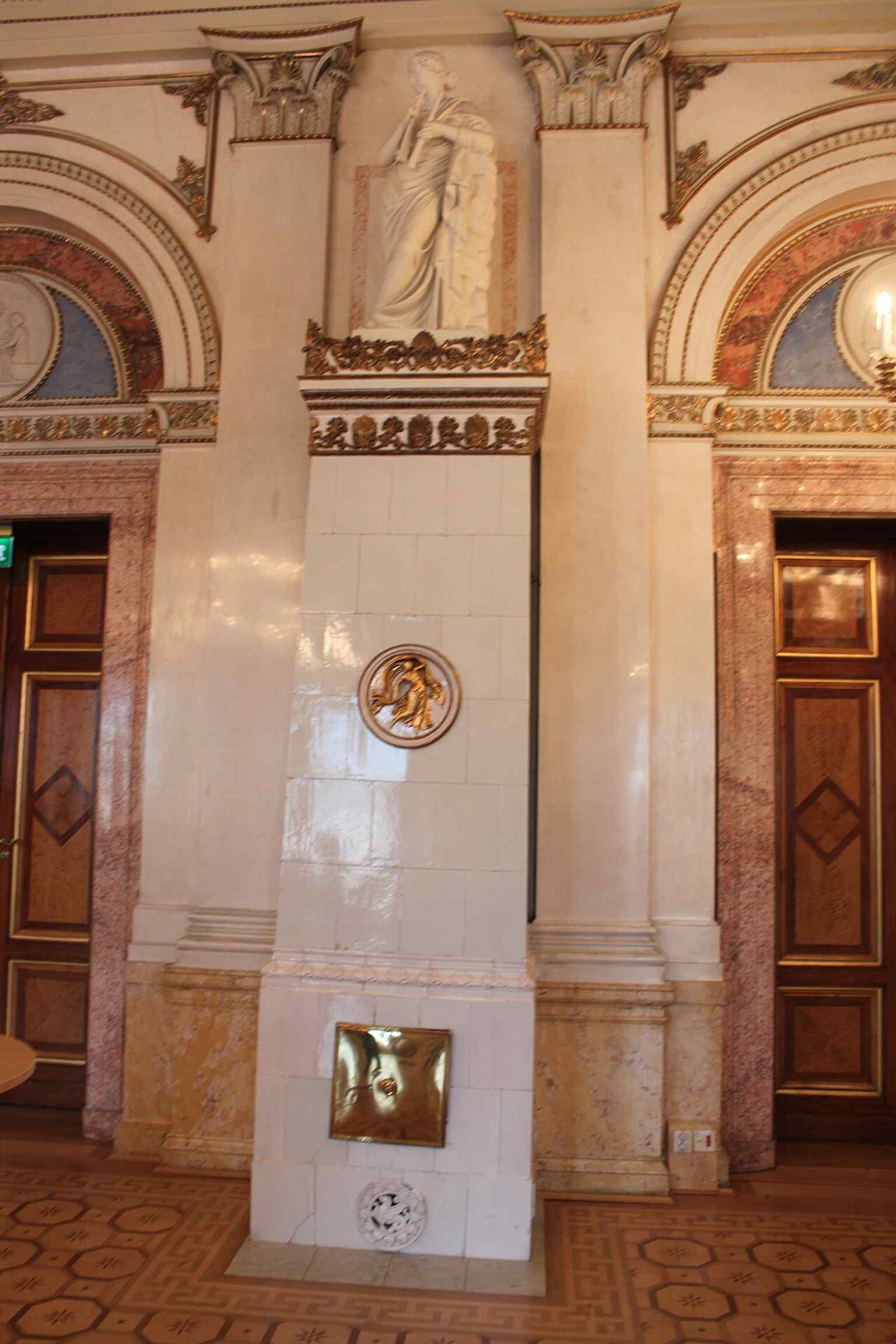
One of the building's ornate tiled stoves, similar to the four found in the Grand Exchange Hall, which are topped with gypsum statues representing muses and truth.
One of the building's ornate tiled stoves, similar to the four found in the Grand Exchange Hall, which are topped with gypsum statues representing muses and truth.Photo: Pklarsson, Wikimedia Commons, CC BY-SA 3.0. Cropped & resized.
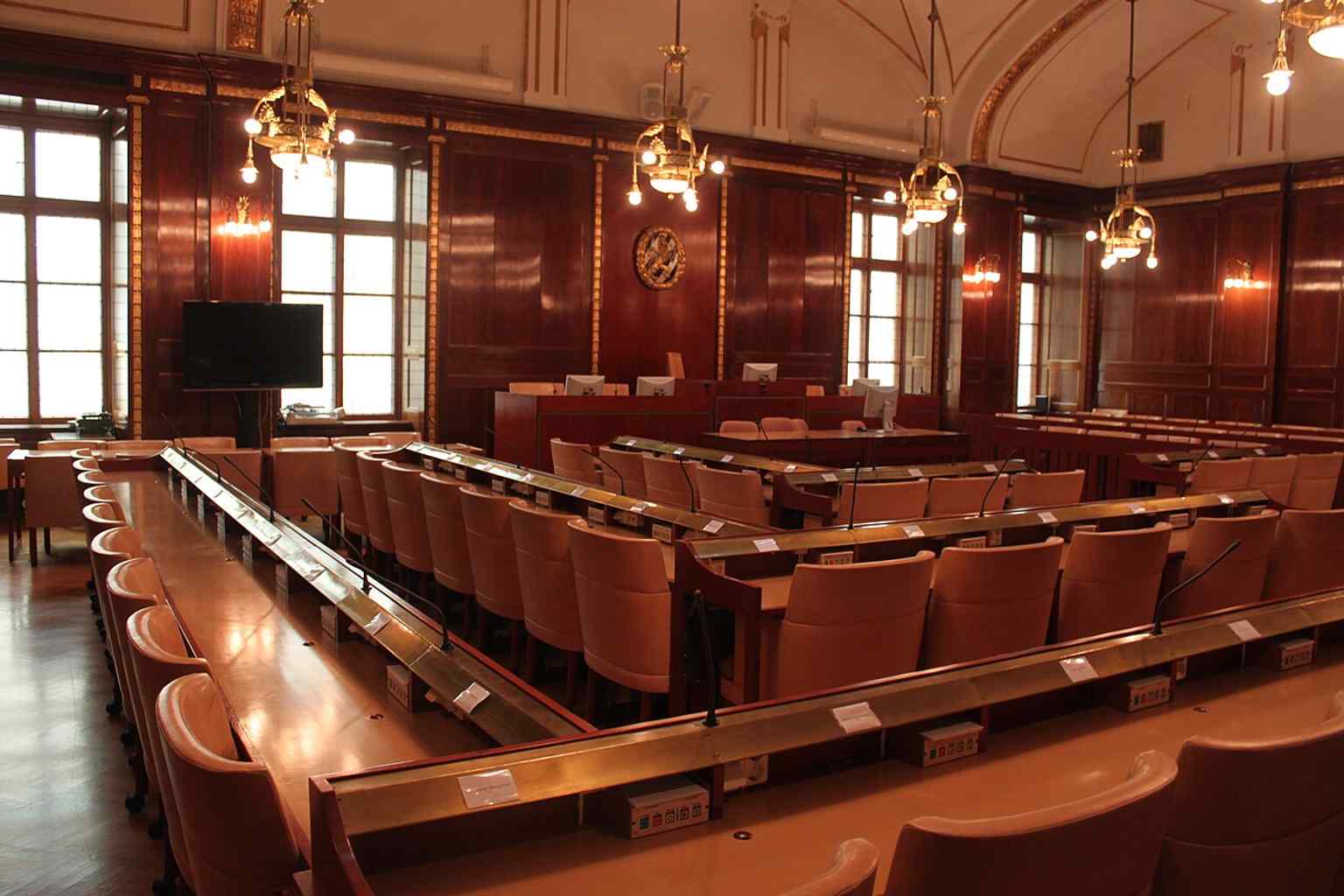
The City Council's Session Hall, designed in classical Art Nouveau style during the 1904-1905 renovation, offers space for around 80 council members.
The City Council's Session Hall, designed in classical Art Nouveau style during the 1904-1905 renovation, offers space for around 80 council members.Photo: Pklarsson, Wikimedia Commons, CC BY-SA 3.0. Cropped & resized.
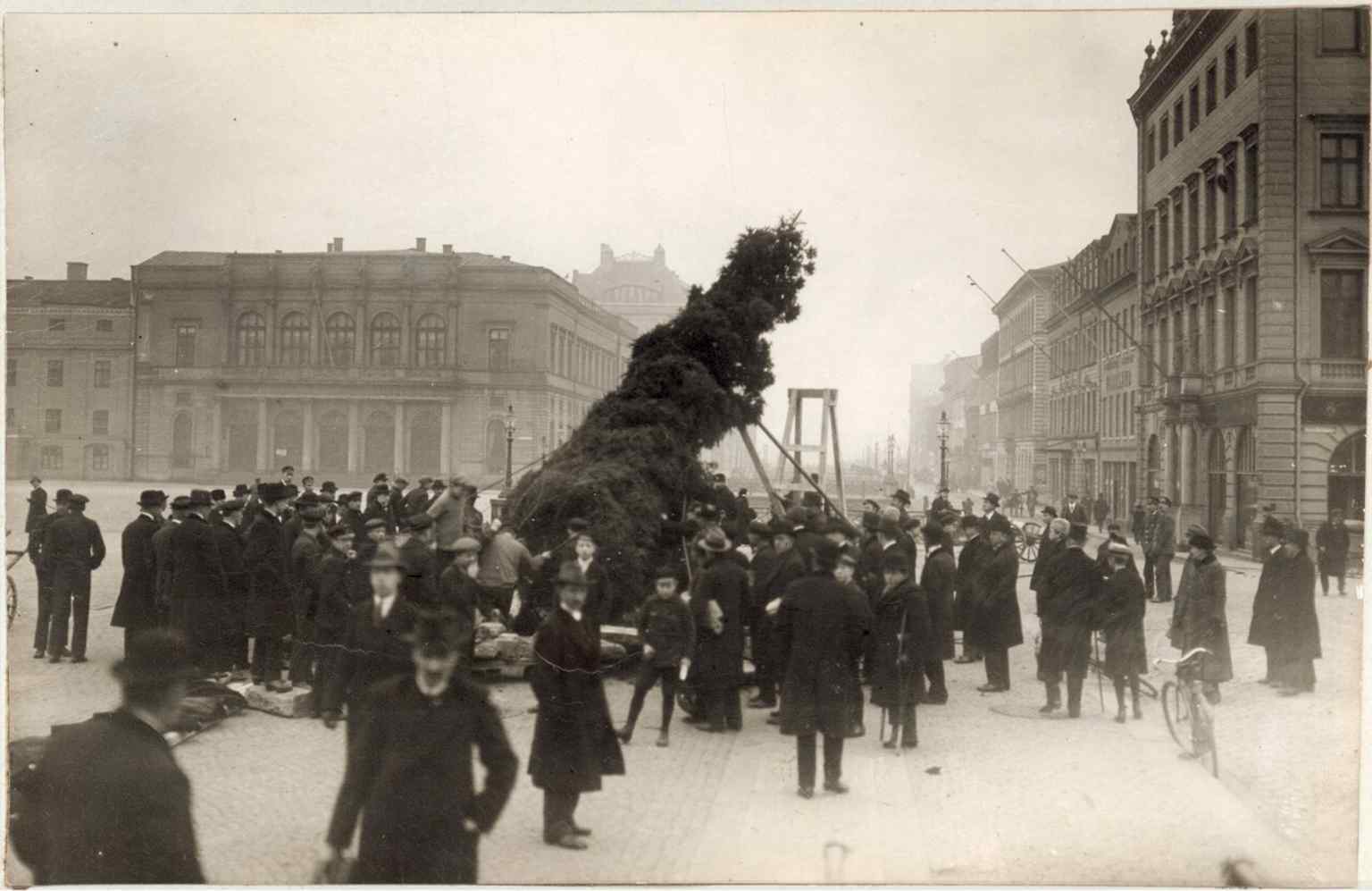
A historical photograph from 1920 shows Börsen on Gustaf Adolfs Torg, where a large Christmas tree has been erected.
A historical photograph from 1920 shows Börsen on Gustaf Adolfs Torg, where a large Christmas tree has been erected.Photo: unknown, Wikimedia Commons, Public domain. Cropped & resized.
A view of Börsen and Östra Hamnkanalen from 1910, depicting the area before the canal was covered.
A view of Börsen and Östra Hamnkanalen from 1910, depicting the area before the canal was covered.Photo: Olga Rinman, Wikimedia Commons, Public domain. Cropped & resized.
arrow_back Back to Gothenburg Audio Tour: Landmarks and Legacy

AudaTours: Audio Tours

Entertaining, budget-friendly, self-guided walking tours

Try the app arrow_forward

Loved by travelers worldwide

format_quote This tour was such a great way to see the city. The stories were interesting without feeling too scripted, and I loved being able to explore at my own pace.
Jess
Jess
starstarstarstarstar
Tbilisi Tour arrow_forward
format_quote This was a solid way to get to know Brighton without feeling like a tourist. The narration had depth and context, but didn't overdo it.
Christoph
Christoph
starstarstarstarstar
Brighton Tour arrow_forward
format_quote Started this tour with a croissant in one hand and zero expectations. The app just vibes with you, no pressure, just you, your headphones, and some cool stories.
John
John
starstarstarstarstar
Marseille Tour arrow_forward

Unlimited Audio Tours

Unlock access to EVERY tour worldwide

0 tours·0 cities·0 countries
all_inclusive Explore Unlimited