AudaTours logoAudaTours

Stop 11 of 15

Catedral de Zamora

Catedral de Zamora
Zamora Cathedral
Zamora CathedralPhoto: Fernando, Wikimedia Commons, CC BY-SA 4.0. Cropped & resized.

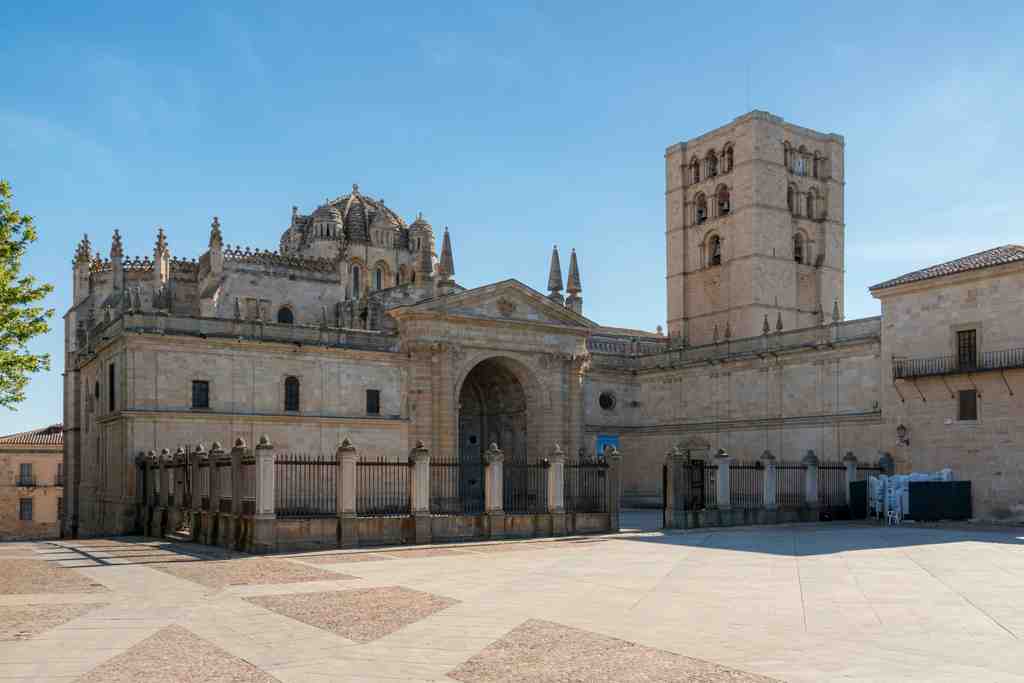
On your right, Zamora Cathedral rises in pale stone as a broad Romanesque mass crowned by a ribbed dome-tower, its ring of narrow windows and little corner turrets giving it a silhouette you really do not mistake for anything else.

This is Zamora thinking big. Not just big in size... big in ambition. Up here above the right bank of the Duero, still wrapped by walls and old gates, the cathedral gathers together so much of what this city has been arguing with for centuries: faith, power, memory, prestige, survival. A church, yes. Also a statement.

King Alfonso the Seventh backed the project, and so did his sister Sancha Raimúndez, which is a useful reminder that royal patronage here did not arrive as a boys-only enterprise. Bishop Esteban pushed the work forward and consecrated the cathedral in eleven seventy-four, though newer research suggests builders had already started as early as eleven thirty-nine under Bishop Bernardo. In other words, even the foundation story has layers. Stone likes certainty; history usually prefers footnotes.

Architecturally, this is one of Spain’s great Romanesque churches. Romanesque means thick masonry, rounded arches, and a sense of weight and order rather than airy lightness. The church follows a Latin cross plan, meaning its layout forms a cross, with a long main body and a shorter arm crossing it. Later centuries altered parts of it, especially the eastern end, where Gothic apses - the curved spaces behind the altar - replaced the earlier Romanesque ones. So even this monument to permanence kept changing its mind.

Now, take a moment and look at how it sits with the defenses nearby... does it feel more like a church guarded by a fortress, or a fortress made holy by a church?

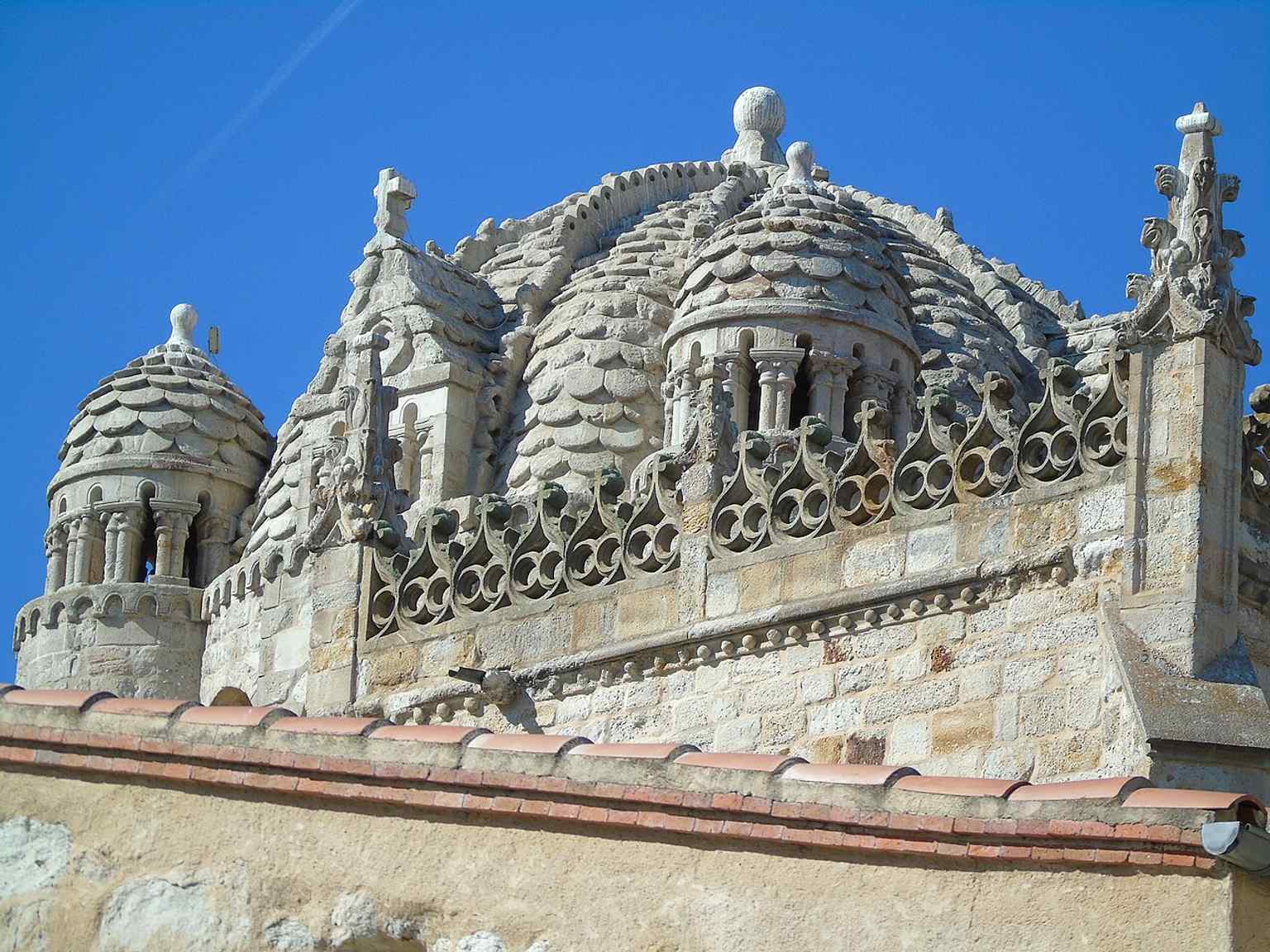
The answer is probably both. And the dome says it best. Over the crossing, where the arms of the church meet, rises that extraordinary tower-dome with sixteen tall, narrow windows and four turret-like corners. It became one of Zamora’s emblems, echoed by other domes in the Duero valley. If you want a closer look at that crown, check the dome image on your screen.

There is even a local legend tucked into the masonry: a thief tried to steal money meant for the cathedral works, scrambled through a small opening, and got trapped as the gap narrowed around him. Medieval accounting could be surprisingly direct. People say his little carved head still warns off the next genius.

But the cathedral is not only twelfth-century triumph. Fire tore through the medieval cloister in fifteen ninety-one and destroyed two wings and artworks in its chapels. Later generations rebuilt, restored, recovered. You can see some of that shift in the before-and-after image in the app, where the setting around the north side looks far more deliberately presented to visitors now.

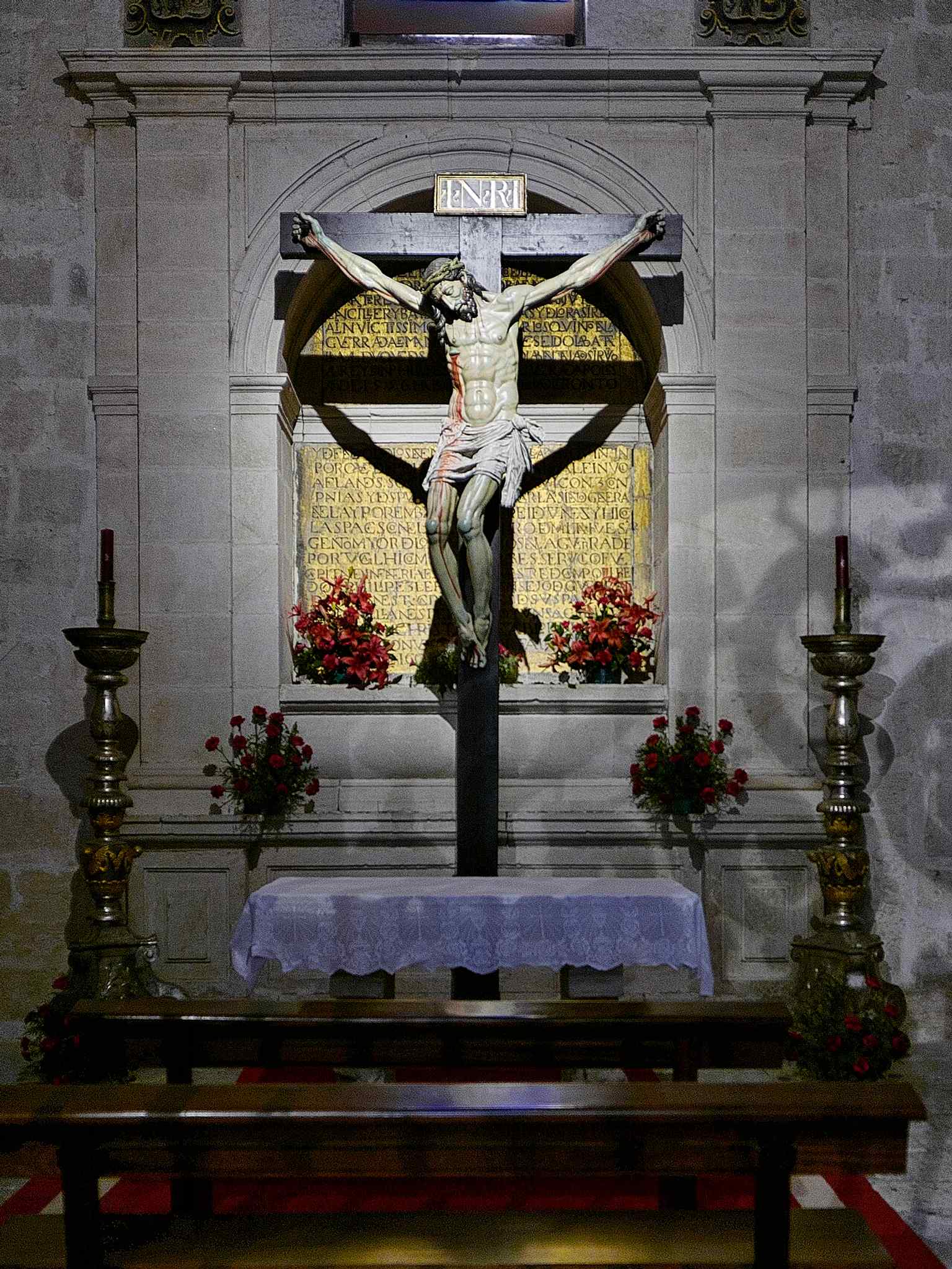
Inside, the story keeps accumulating: choir stalls carved by Juan de Bruselas in the early sixteen hundreds... pardon me, the early fifteen hundreds, filled not just with saints but earthy scenes of ordinary life; the Cristo de las Injurias, tied to Holy Week’s solemn vow of silence; chapels with tombs, Flemish paintings, Mudéjar pulpits, and a museum shaped as much by recovery as display.

So this cathedral endures, yes... but not by standing still. Kings sponsored it, bishops consecrated it, fire damaged it, restorers rescued it, worshippers kept giving it meaning. That is how a city makes a monument into a living center.

And now, after all this grandeur, let your gaze drop toward something much smaller nearby: a gate whose very name turns military history into a moral claim. We’ll head there next, to the Loyalty Gate, just a short walk away.
A classic view of Zamora Cathedral rising above the old city walls, reflecting how the church still stands within the medieval defenses mentioned in its history.
A classic view of Zamora Cathedral rising above the old city walls, reflecting how the church still stands within the medieval defenses mentioned in its history.Photo: Malopez 21, Wikimedia Commons, CC BY-SA 4.0. Cropped & resized.
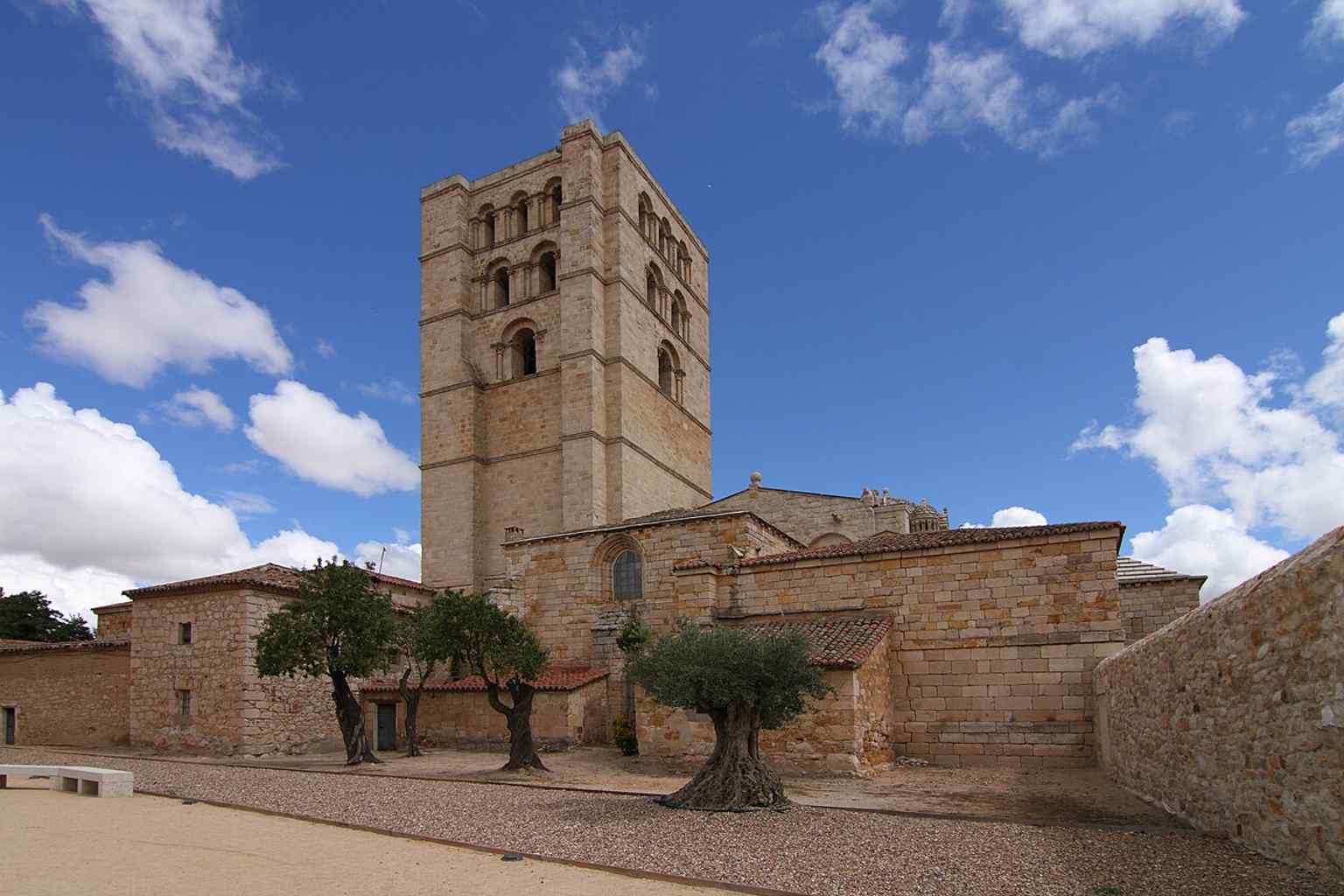
The cathedral’s full Romanesque mass seen from outside — a strong overall view of one of Spain’s finest Romanesque churches.
The cathedral’s full Romanesque mass seen from outside — a strong overall view of one of Spain’s finest Romanesque churches.Photo: Fernando Losada Rodríguez, Wikimedia Commons, CC BY-SA 4.0. Cropped & resized.
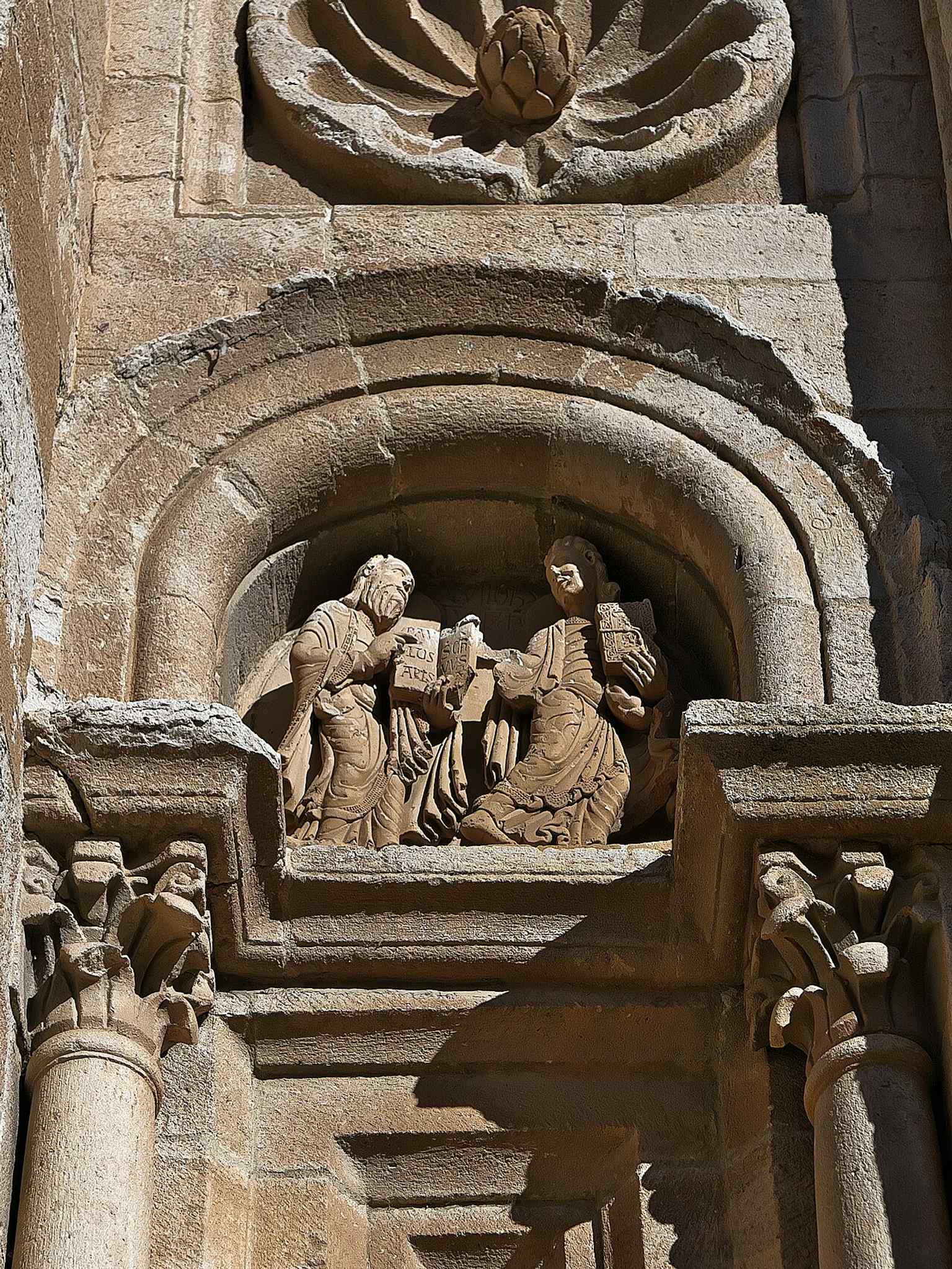
Detail of the Bishop’s Doorway with Saints Paul and John, showing the high-quality Romanesque sculpture on the south side.
Detail of the Bishop’s Doorway with Saints Paul and John, showing the high-quality Romanesque sculpture on the south side.Photo: Jl FilpoC, Wikimedia Commons, CC BY-SA 4.0. Cropped & resized.
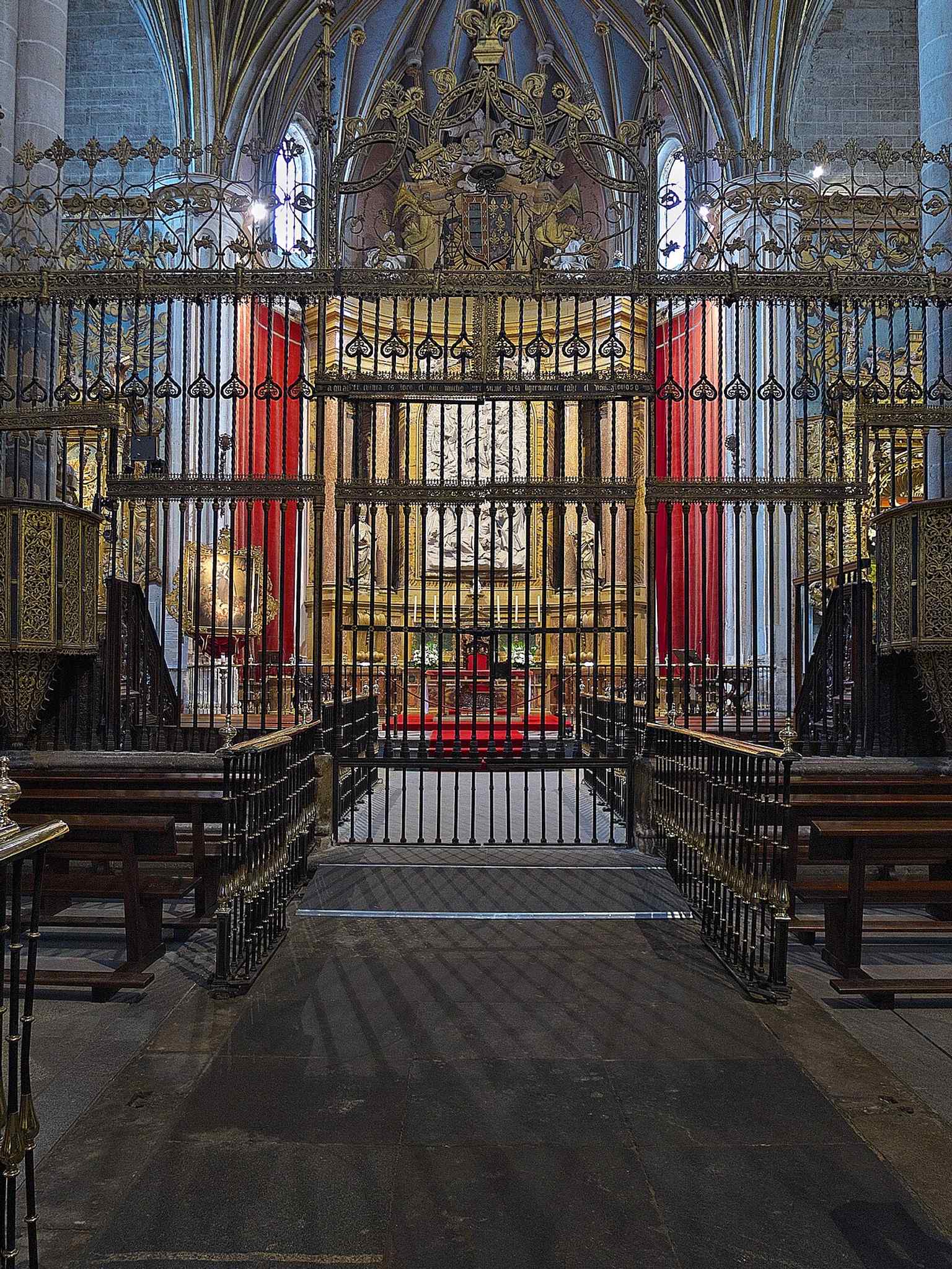
The main chapel with its early 16th-century grille, an important setting for the cathedral’s liturgy and later worship traditions.
The main chapel with its early 16th-century grille, an important setting for the cathedral’s liturgy and later worship traditions.Photo: Jl FilpoC, Wikimedia Commons, CC BY-SA 4.0. Cropped & resized.
The Cristo de las Injurias, central to Zamora’s Holy Week and the Juramento del Silencio rite held here each Miércoles Santo.
The Cristo de las Injurias, central to Zamora’s Holy Week and the Juramento del Silencio rite held here each Miércoles Santo.Photo: José Luis Filpo Cabana, Wikimedia Commons, CC BY-SA 4.0. Cropped & resized.
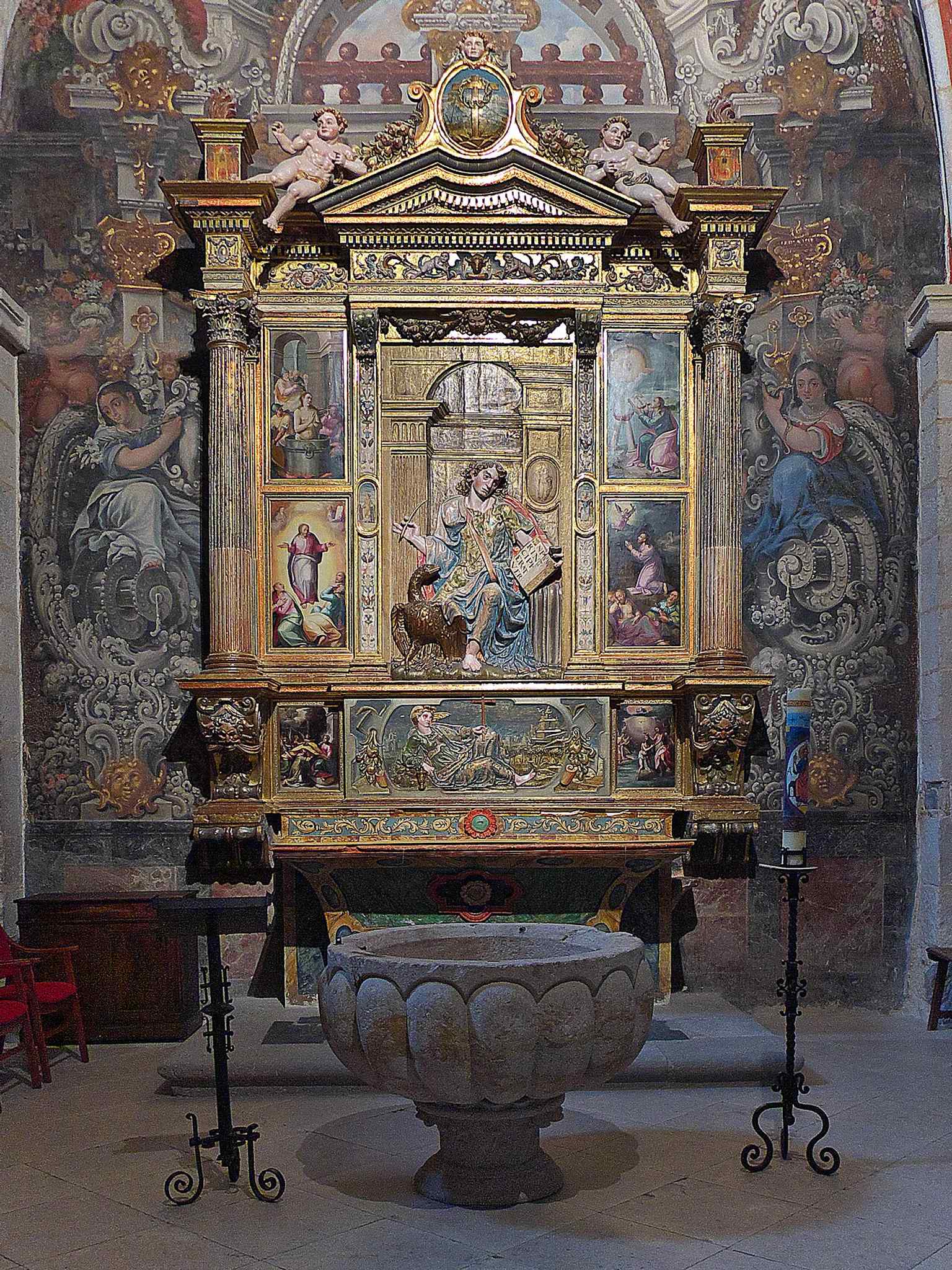
The Chapel of Saint John Evangelist with its Renaissance altarpiece, part of the cathedral’s rich interior chapels and funerary spaces.
The Chapel of Saint John Evangelist with its Renaissance altarpiece, part of the cathedral’s rich interior chapels and funerary spaces.Photo: José Luis Filpo Cabana, Wikimedia Commons, CC BY 3.0. Cropped & resized.
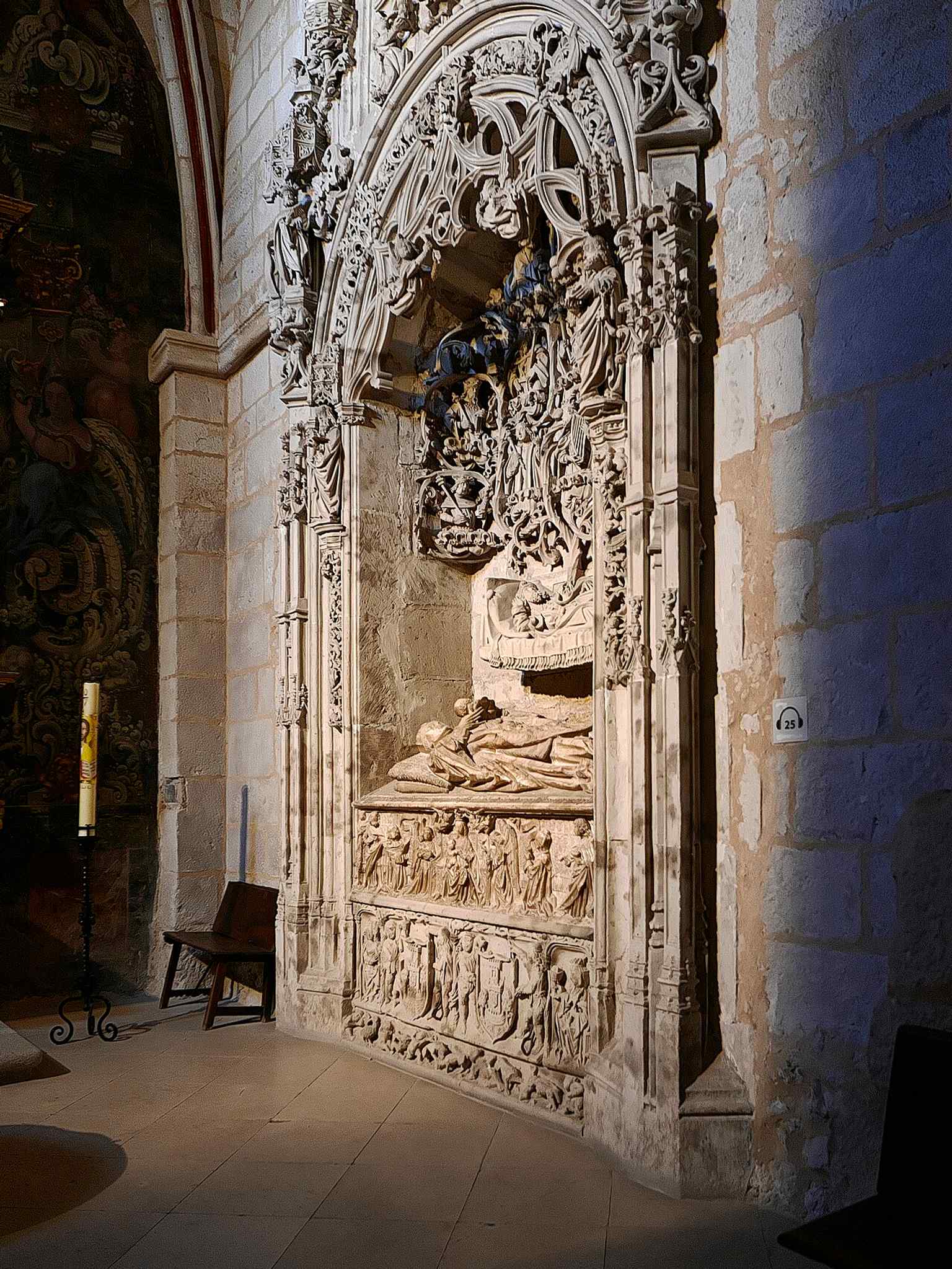
The tomb of Doctor Juan de Grado in the Chapel of Saint John, one of the cathedral’s notable burials.
The tomb of Doctor Juan de Grado in the Chapel of Saint John, one of the cathedral’s notable burials.Photo: Jl FilpoC, Wikimedia Commons, CC BY-SA 4.0. Cropped & resized.
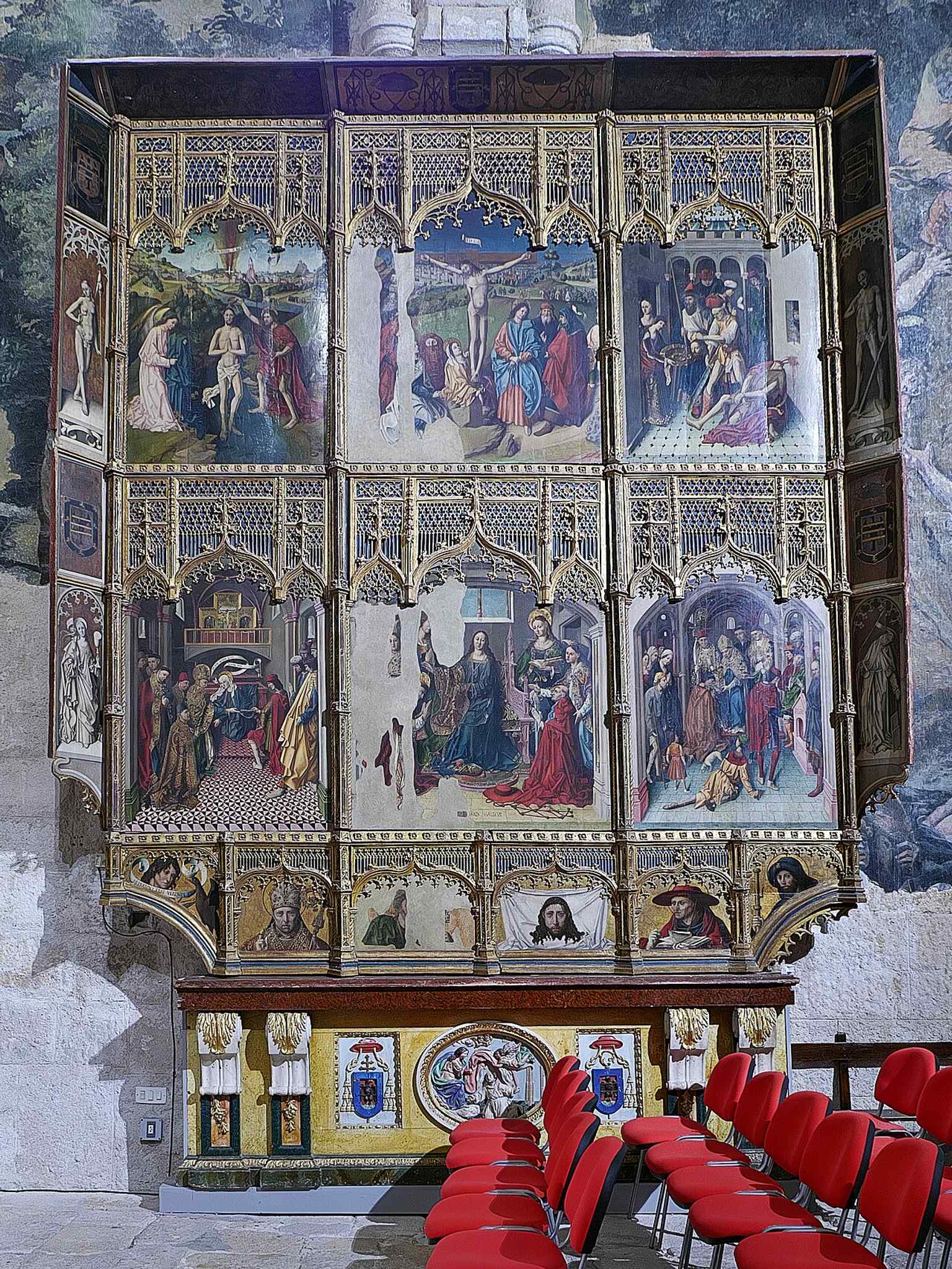
Fernando Gallego’s altarpiece of Saint Ildefonso, a major Gothic-Flemish work tied to the cathedral’s east-end chapels.
Fernando Gallego’s altarpiece of Saint Ildefonso, a major Gothic-Flemish work tied to the cathedral’s east-end chapels.Photo: Jl FilpoC, Wikimedia Commons, CC BY-SA 4.0. Cropped & resized.
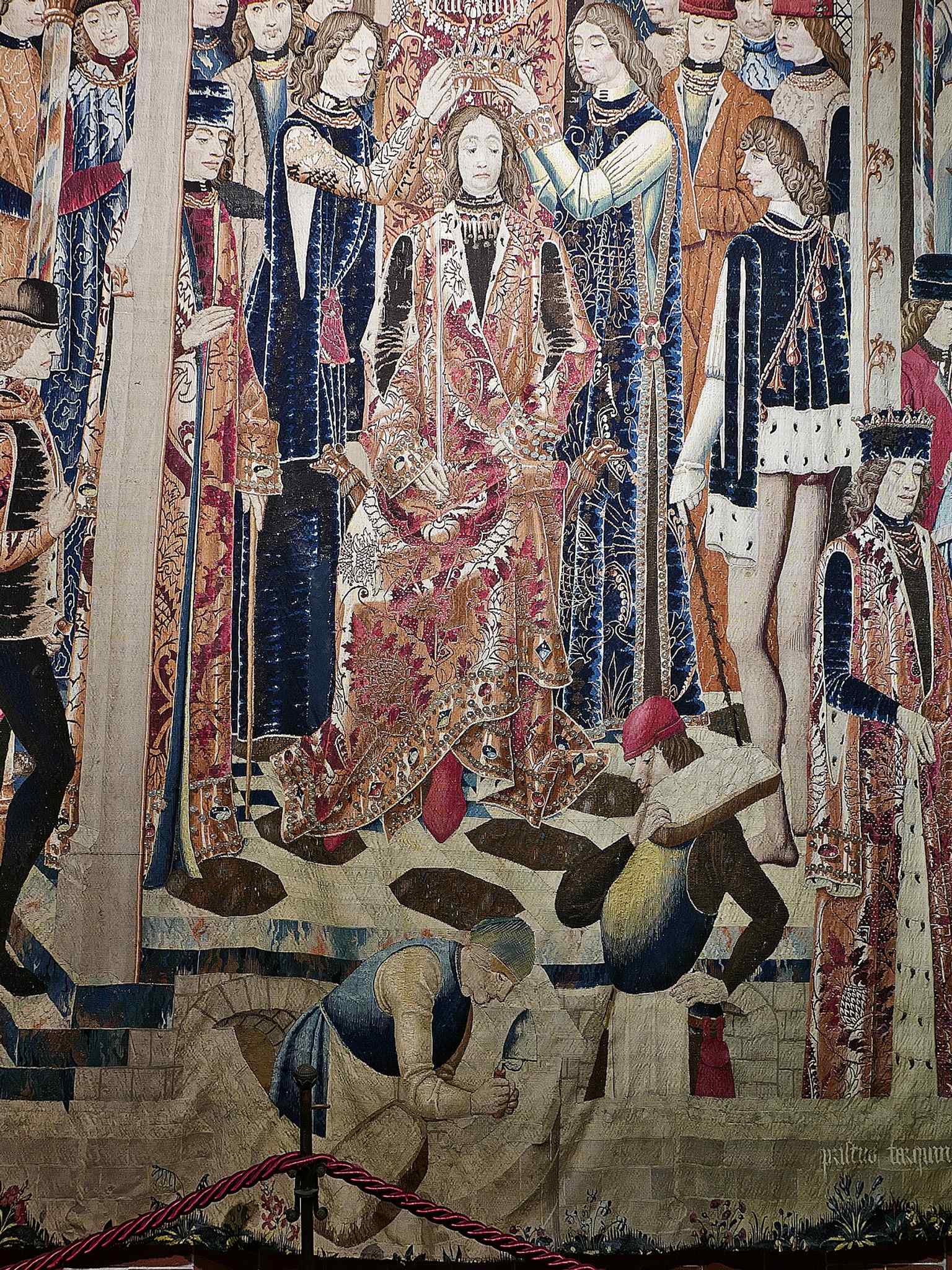
One of the cathedral’s Flemish tapestries, recalling the museum’s celebrated textile collection from the 15th to 17th centuries.
One of the cathedral’s Flemish tapestries, recalling the museum’s celebrated textile collection from the 15th to 17th centuries.Photo: Jl FilpoC, Wikimedia Commons, CC BY-SA 4.0. Cropped & resized.
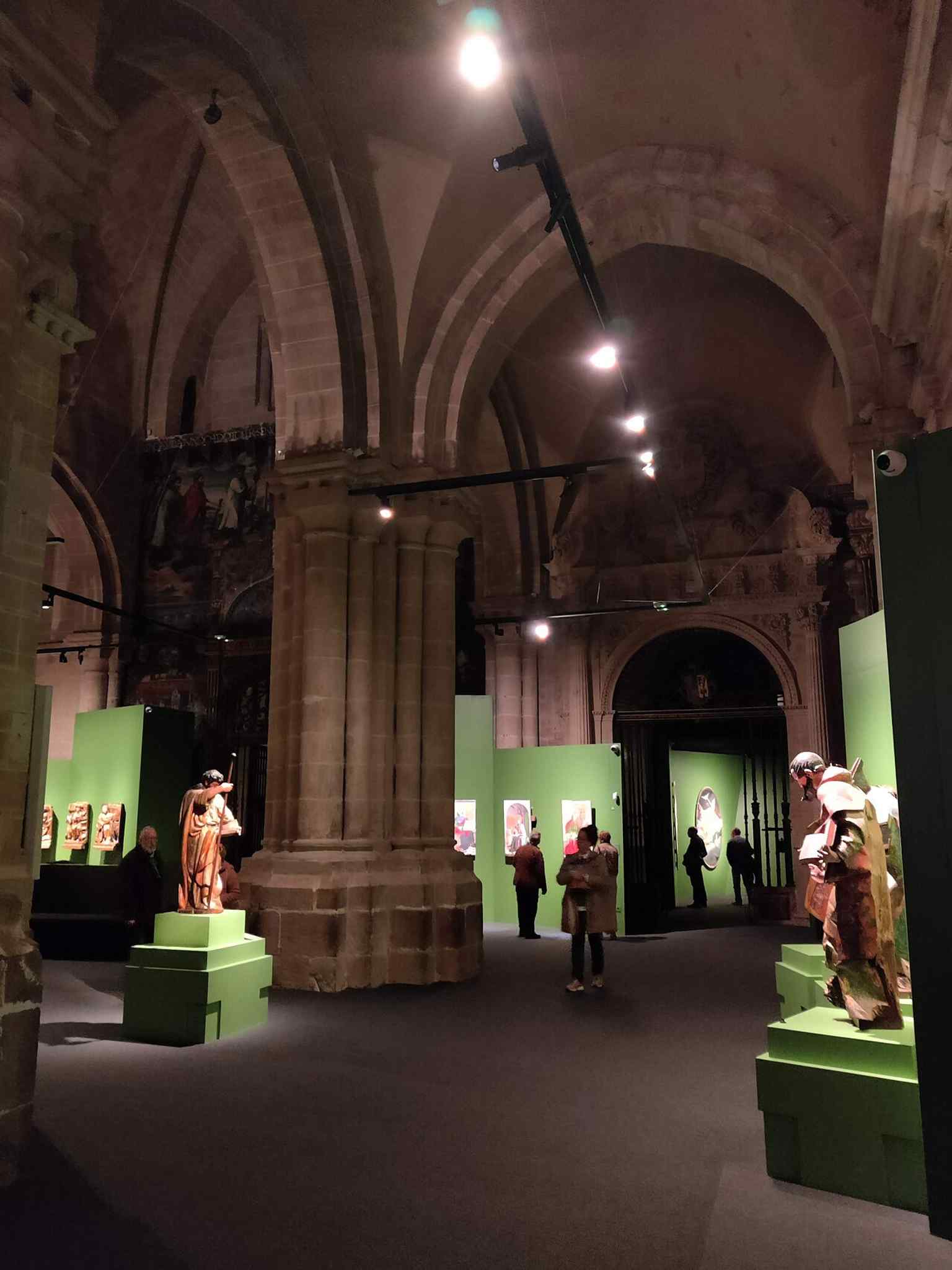
A contemporary view inside the cathedral, showing that this is still a living ceremonial space, not just a historic monument.
A contemporary view inside the cathedral, showing that this is still a living ceremonial space, not just a historic monument.Photo: El Pantera, Wikimedia Commons, CC BY-SA 4.0. Cropped & resized.
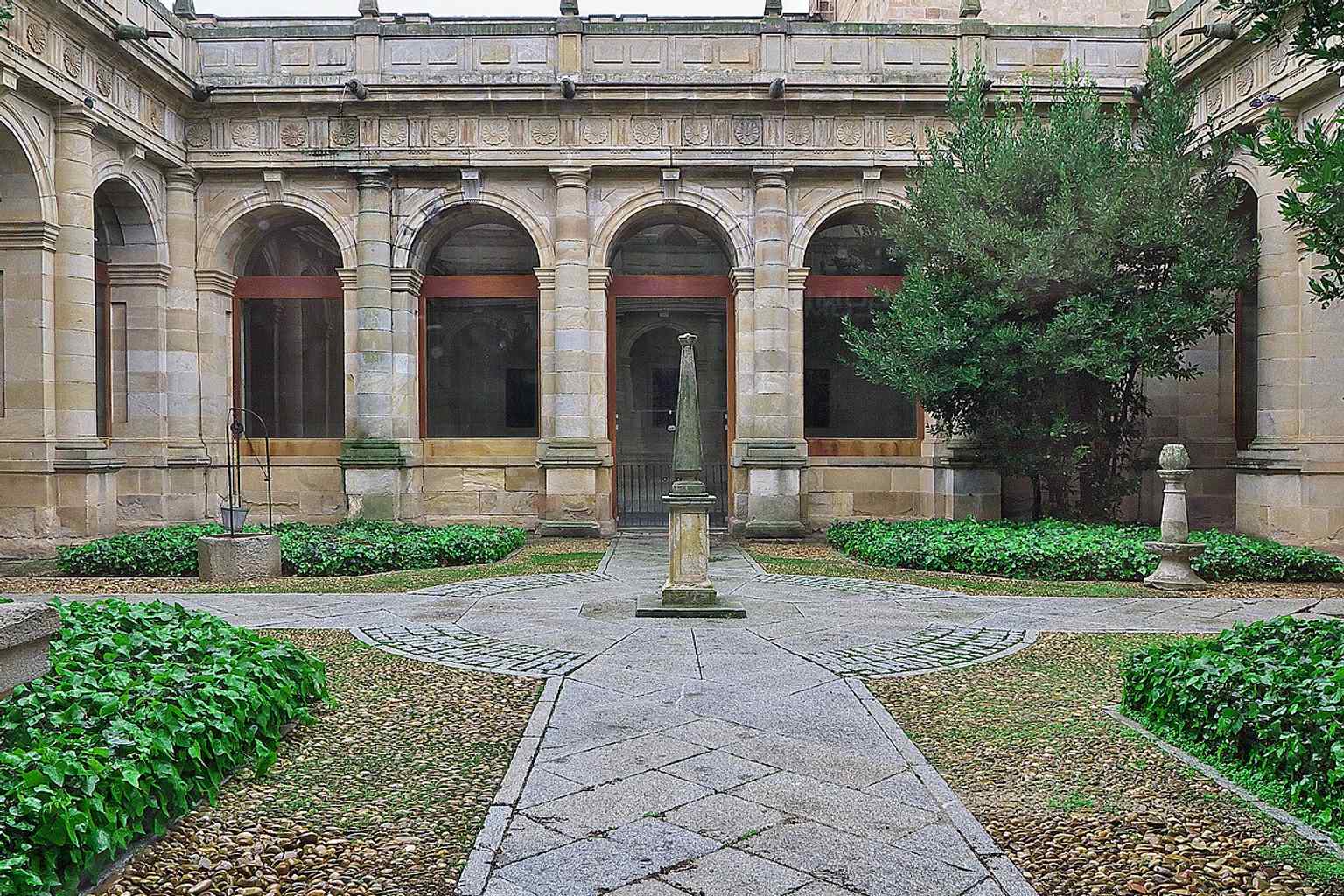
The cloister, shaped by later rebuilding after the 1591 fire that destroyed parts of the medieval cloister and its artworks.
The cloister, shaped by later rebuilding after the 1591 fire that destroyed parts of the medieval cloister and its artworks.Photo: José Luis Filpo Cabana, Wikimedia Commons, CC BY 3.0. Cropped & resized.
arrow_back Back to Zamora Audio Tour: Zamora's Historic Heartbeat
Loved by travellers

Thousands of tours started.
Plenty of opinions.

4.8 across the App Store and Google Play. Here's a few we keep coming back to.

starstarstarstarstar
This was a solid way to get to know Brighton without feeling like a tourist. The narration had depth and context, but didn't overdo it.
Christoph
Christoph
Brighton Tour
starstarstarstarstar
Started this tour with a croissant in one hand and zero expectations. The app just vibes with you, no pressure, just you, your headphones, and some cool stories.
download Get the app

Pop your headphones in.
Step outside.

Free to download. Tours in every city. Start in 60 seconds — no account, no card.

Download on the App StoreGet it on Google Play
starstarstarstarstar_half
4.8
AudaTours app icon
headphones
~ 4 min until your first tour starts
public
1,000+ cities worldwide
all_inclusive
AudaTours
Unlimited

Every tour. Every city. One subscription.

3101 tours2271 cities138 countries50+ languages