
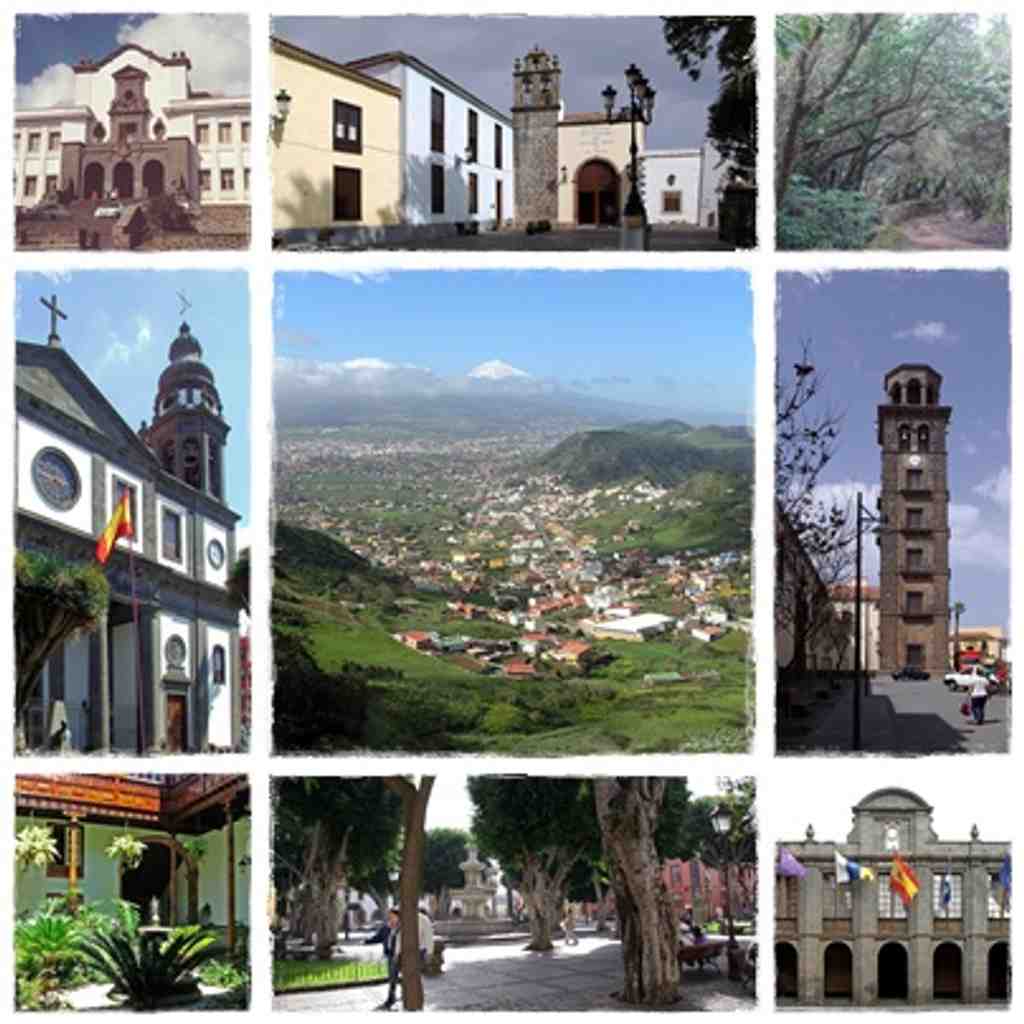
As you approach stop number 4, the San Cristóbal de La Laguna, look for buildings with a distinct colonial charm, adorned with traditional Canarian balconies and historical structures that seem to whisper tales from centuries past. If you're near the area with the open plaza and greenery, you're likely in the right spot.
La Laguna, officially known as San Cristóbal de La Laguna, is quite the gem! Nestled in the northern part of Tenerife in the Province of Santa Cruz de Tenerife, it's affectionately referred to simply as 'La Laguna.' This city packs quite a historical punch, being the former capital of the Canary Islands and now the second-most populous city on the island. Can you believe it was declared a World Heritage Site by UNESCO back in 1999?
Strolling through La Laguna, you're actually walking through the cultural heart of the Canary Islands. Agriculture thrives in the northeastern parts while the urban hub buzzes in the central and southern areas. The city's historical center is like a time capsule, with cobblestone streets and beautiful old buildings around every corner.
And here's a fun fact: La Laguna was home to some rather colorful characters! Ever heard of Amaro Pargo? He was one of the famous corsairs of the Golden Age of Piracy. Or how about José de Anchieta, a Catholic saint who founded both São Paulo and Rio de Janeiro in Brazil? Talk about ambitious travel plans!
One must-visit spot is the Cathedral of La Laguna, the spiritual and architectural highlight of the city. And if you’re into a bit of ghostly lore, there's the story of Catalina Lercaro, a 16th-century lady said to haunt her old family mansion after refusing an arranged marriage. Spooky, right?
The city's name, "Villa de San Cristóbal de La Gran Laguna," was thought to be inspired by a neighboring pond or lake. Though the name has since shortened, the history is no less vibrant. The coat of arms granted back in 1510 is quite a sight-featuring an island, a fiery volcano, and Saint Michael poised with a spear and shield.
La Laguna's climate is wonderfully refreshing, thanks to moisture captured from the northeasterly winds. It’s greener here compared to the arid climate found elsewhere on the Canary Islands, making every corner a bit cozier and lush.
So, take a deep breath, soak in the history, and enjoy exploring this captivating city!
Ready to delve deeper into the coat of arms, climate or the main sights? Join me in the chat section for an enriching discussion.


