
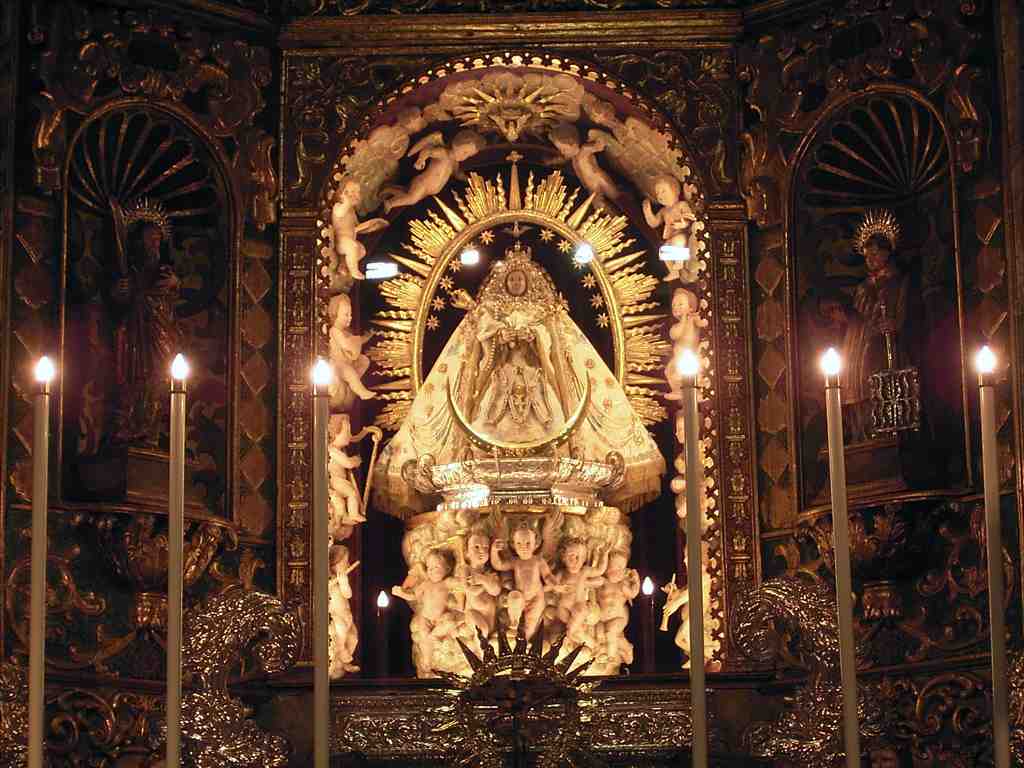
To spot the Fiestas Lustrales de la Bajada de la Virgen de las Nieves, look ahead for a dazzling, golden altar crowned by a shining statue of the Virgin, surrounded by twinkling candles and carved angelic figures, glowing like a little slice of heaven right in front of you.
Now, find a comfortable spot-because the story of this festival will whisk you right through centuries of faith, danger, and a dash of good old fiesta spirit! Imagine Santa Cruz de La Palma in the 1600s: desperate townsfolk looking skyward as drought and disasters threatened their homes. There was no app for rain back then, so when hope seemed lost, the people carried their cherished Virgin of Las Nieves down from her mountain sanctuary, praying for a miracle. Picture a long procession of locals winding down foggy paths through the hills, the air buzzing with both anxiety and hope.
Those first processions sparked a tradition. In 1680, the bishop-probably tired of random emergency pilgrimages-decided, “Let’s make this official!” and set the Bajada to take place every five years, with the Virgin traveling to town on a “decent throne.” If you think event planning is hard now, imagine coordinating a silver-laden throne carried on winding mountain paths while everyone sings and cheers... and no Google Maps.
The festival blossomed, drawing inspiration from the Baroque era’s love of spectacle. Early celebrations blended religion, music, and dance in flamboyant, theatrical displays-even after a royal ban tried to shut them down. (Spoiler alert: islanders are persistent. If the king says “no theater,” expect even more theater.) By the 1800s, spirited parades of musicians, dancers, and even gymnasts became regular highlights, while the infamous Danza de los Enanos-yes, the Dance of the Dwarves-emerged as the wildest act. Picture a chorus of men twirling slowly in elaborate costumes, until, with a burst of music and a bit of magic, they duck into a tiny booth and come out as zippy, comical dwarves, bouncing through the night to the crowd’s delight.
Over the years, the program expanded. There’s the whimsical Pandorga parade, fanciful paper lanterns lighting up the sky before ending in a spectacular bonfire. The giant-headed “mascarones” wobble and bob through the crowded streets, including Biscuit the ring-leader, who sports a Napoleonic hat and a mustache that could sweep the floor. And you can’t miss the Festival of the 18th Century-a splashy blend of courtly dances, rococo costumes, and poetry, as if the city fell into a time machine and landed at Marie Antoinette’s garden party.
The five-year cycle gives the celebration a bittersweet edge-blink and you’ll miss it until the next decade. The official program starts with the solemn raising of the Virgin’s banner, a massive white flag embroidered with her symbol, which sways above the city until the festival ends, as if blessing every street and home below. When the grand day arrives, pilgrims in traditional dress carry the silver throne down the mountain, voices echoing through the lush landscape. As the Virgin finally arrives in town, a wave of triumphant music greets her; imagine trumpets, choirs, and drums blending with the cheers of thousands.
And just when you think the party is over, the festival builds even more suspense. There’s the “Dialogue between the Castle and the Ship,” a theater piece that’s been reenacted since the 1800s-imagine a seaside opera, baroque costumes and all, played out in the city squares. There are acrobatic shows, children’s dances, and historic songs that fill the air with old-world charm. For weeks, the city becomes a living stage, where every narrow street hums with laughter and music, and where the faithful (and even the not-so-faithful) find a reason to celebrate together.
At the end, just before the Virgin returns home, the festival erupts with one last joyful procession, fireworks lighting the night and hearts brimming with pride, history, and just a pinch of magic-the kind only found in Santa Cruz de La Palma.




