
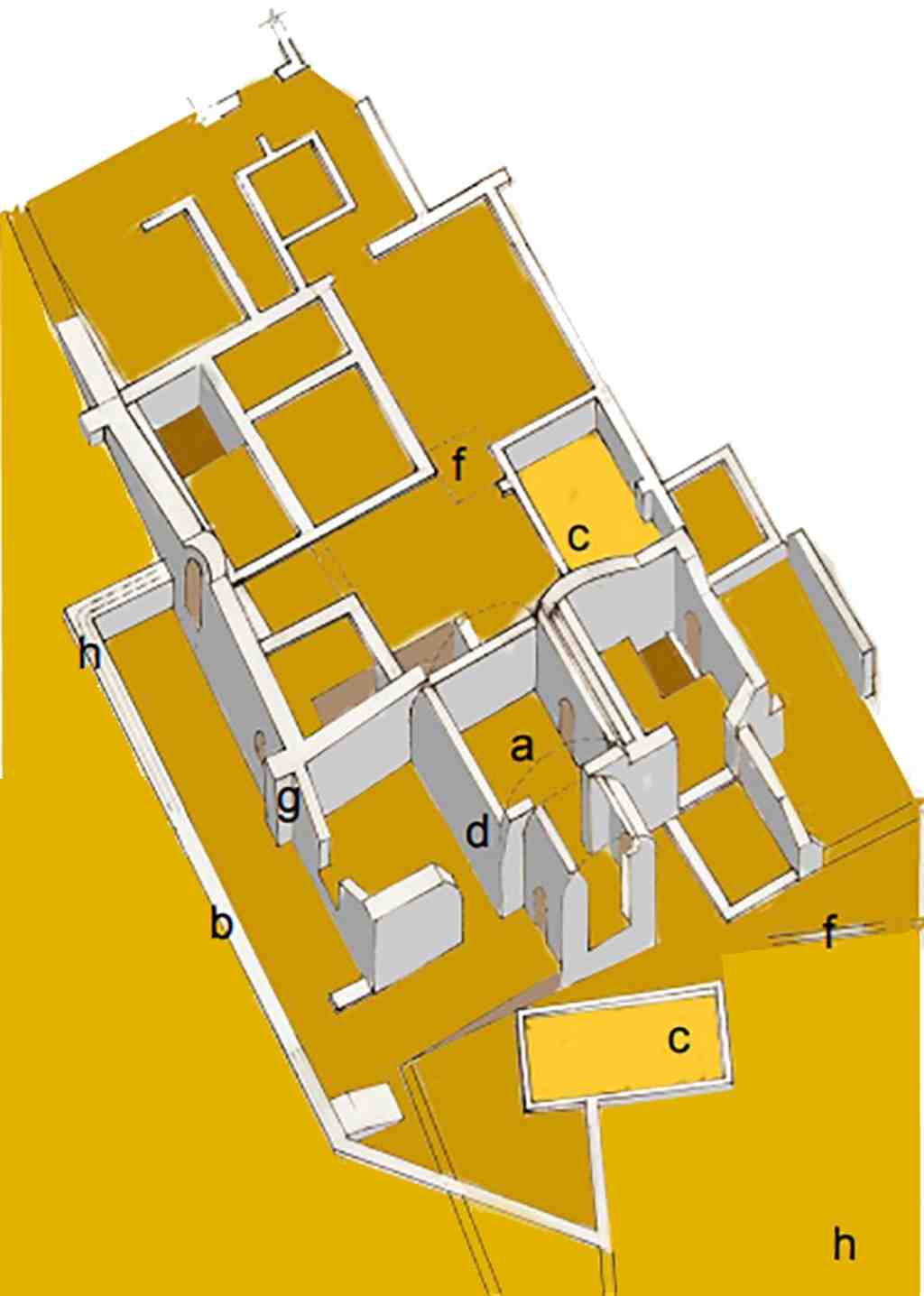
To spot the Roman archaeological site of Calella, look for a large fenced-off area of ancient stone ruins and walls right next to the Hospital Comarcal Sant Jaume de Calella, nestled between the road and what used to be a hill.
Welcome, traveler, to the Roman archaeological site of Calella! Imagine yourself stepping back nearly 2,000 years-right here, Roman sandals crunched along dusty paths, and the air was thick with the smell of wet clay and fresh grape juice. Close your eyes for a second and picture yourself on the edge of a bustling Roman villa, the kind of place where hardworking locals spent their days making large clay amphorae to fill with delicious wine. This wasn’t any ordinary house, but a workshop and home rolled into one, alive with laughter, calls, and maybe the odd complaint when someone dropped a jug!
You’re standing in the very spot the Romans called the “villa of Roser,” where life hummed along the banks of the old Calella stream and near the now-vanished Mujal hill. Back in the first century, this was a hive of pottery, the garden busy with jars, jugs, and pots drying in the sun. If you listen close, maybe you can hear the whispered stories of the potters, the cheers when a shipment of wine-filled amphorae set off for distant corners of the Roman Empire.
Funny enough, this area had history even before the Romans-they found signs of life here from the fourth century BC! Fast forward to 1947, and the first hints of this ancient world appeared when a road construction project quite literally crashed into old Roman walls. Then, in the late 1950s, a lucky find of amphorae by some curious locals put Calella’s Roman roots on the map, though the discovery aged like fine wine as archaeologists worked out just what was buried beneath their feet.
And here’s a twist: In 2021, this peaceful piece of history found itself in the headlines, caught in a tug-of-war over plans to build a supermarket above it! Don’t worry, the ruins are protected-today, these quiet stones hide their stories below ground, safe for future generations of curious explorers, just like you. History may be silent now, but if you pause, you can feel its pulse right under your shoes.




