
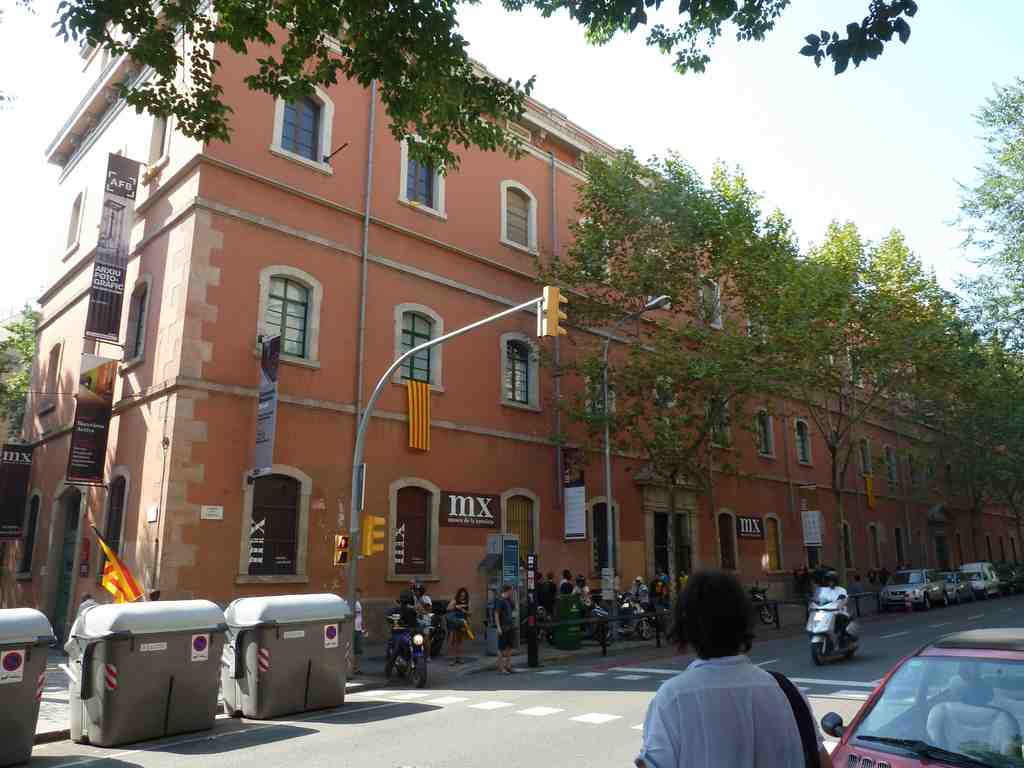
Alright, take a look around you. You’re almost in front of the Barcelona Photographic Archive-don’t blink, or you might miss it! From the outside, the building is a mix of tradition and quiet elegance, tucked away on a stone-lined street. Look for large arched windows that almost invite you to peek inside, and an old wooden doorway set into solid stone walls. It’s the kind of place you wouldn’t expect to hold centuries of stories-unless you had a sixth sense for history, or maybe just a great tour guide.
Standing here by the entrance, imagine you’re stepping into a treasure trove, not of gold or jewels, but of memories-a place where Barcelona’s past is developed, quite literally, on film. This is the city’s photographic time machine! The Barcelona Photographic Archive was created to collect, protect, and share thousands upon thousands of photographs, most coming from the city’s own records, but also from passionate private collectors, artists, and well...a few characters with boxes in their attics.
The story begins back in 1916-about the time when people were still suspicious of those newfangled automobiles and street lamps. Barcelona’s leaders had this bright idea: “Why not, instead of just dusty papers, save the faces and places of our city as it changes?” So a few clever folks-Jaume Bofill, Ignacio de Janer, and later Agustí Duran i Sanpere-started collecting anything with historic sparkle: old portraits, city street scenes, blueprints, negatives, even postcards. You might say they had a knack for picking the good shots.
Thanks to them, treasures like the vibrant scenes during Barcelona’s 1929 International Exposition were captured forever-a time when Montjuïc hill was transformed, almost overnight, and the city itself strutted in front of the world’s camera lens. Imagine the buzz: elegant visitors in fancy hats, crumbling medieval alleys giving way to art deco wonders, and somewhere in the background, a photographer trying to keep his tripod from wobbling.
Over the years, photographers dashed around town snapping anything newsworthy: protests, parties, politicians, pigeons-if it happened, it probably ended up here. Even the city’s own journalists and families sometimes pitched in to fill the shelves with everyday magic.
So, as you stand before these old stone walls, close your eyes for a moment and picture Barcelona’s heartbeat-preserved in black and white, sometimes a bit blurry, and always completely alive. If walls could talk, this building would yell, “Smile for the camera!” Aren’t you lucky you’re here to witness where those memories sleep, waiting to be rediscovered?




