
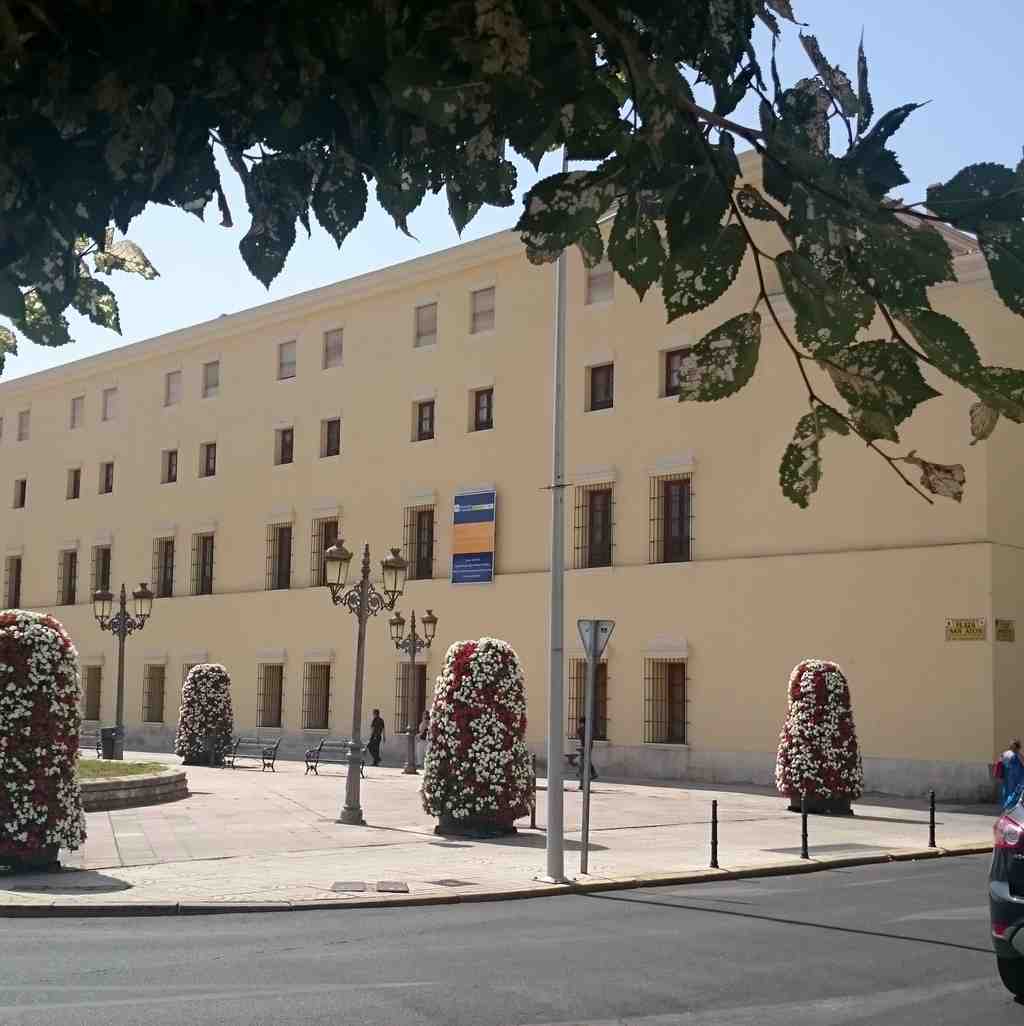
To spot the Provincial Hospital of San Sebastian, look across the street for a large, pale yellow building with rows of neat windows and charming floral displays guarding the entrance like fluffy soldiers.
Now, take a moment to imagine yourself over three centuries ago, standing on this very spot, with the air buzzing with hopes, prayers, and perhaps the slight whiff of old medicinal herbs. This is no ordinary hospital-it is a place steeped in drama and dedication, built back in 1694 when a captain with the striking name Don Sebastián Montero de Espinosa decided Badajoz needed more than just bandages; it needed big-hearted help. He didn’t just whip out his checkbook-he traded his own palace for this land, which he got from some especially resourceful nuns from the Convent of the Descalzas. I believe even reality TV isn’t this dramatic!
In its early days, the hospital was like the superhero headquarters of Badajoz, run on charity, and always bustling with urgency. Imagine frazzled doctors in flowing robes, the echoes of nurses’ footsteps in the marble halls, and a steady parade of people-orphans, the sick, the poor, and the lost-finding hope beneath these very walls. In 1757, King Fernando VI issued a royal decree, transforming it into the “Hospicio Real de la Piedad”-the Royal Hospice of Compassion. In his honor, if you look up at the first tier of the grand entrance, there’s a noble coat of arms to remind everyone who stepped in that help here was more than a duty; it was the king’s command.
The building’s style is a real “who’s who” of architectural inspiration. Designed by Nicolás de Morales Morgado but sometimes wrongly credited to Don Diego de Villanueva, it started with simple, neoclassical elegance-just two floors, easy lines, nothing too fancy. But as years rolled by and stories piled up, the place grew, sprouting another floor like a hospital stretching out to fit all the memories. The entrance shows off some late-baroque flair-the kind of dramatic curves and flourishes perfect for turning heads. Right above the door, the second tier is designed like a marble altar, sheltering a beautiful statue of the Virgin of Miracles.
After more than 300 years of service, the hospital closed its doors to patients in 2003, but-plot twist-it was reborn once again! Now it lives as “El Hospital Centro Vivo”, a lively space for culture and community. Even as you stand here, you’re part of the ongoing story-where history and hope meet, and maybe, if you listen closely, you’ll hear the echoes of gratitude, laughter, and whispers of old miracles in the gentle breeze.




