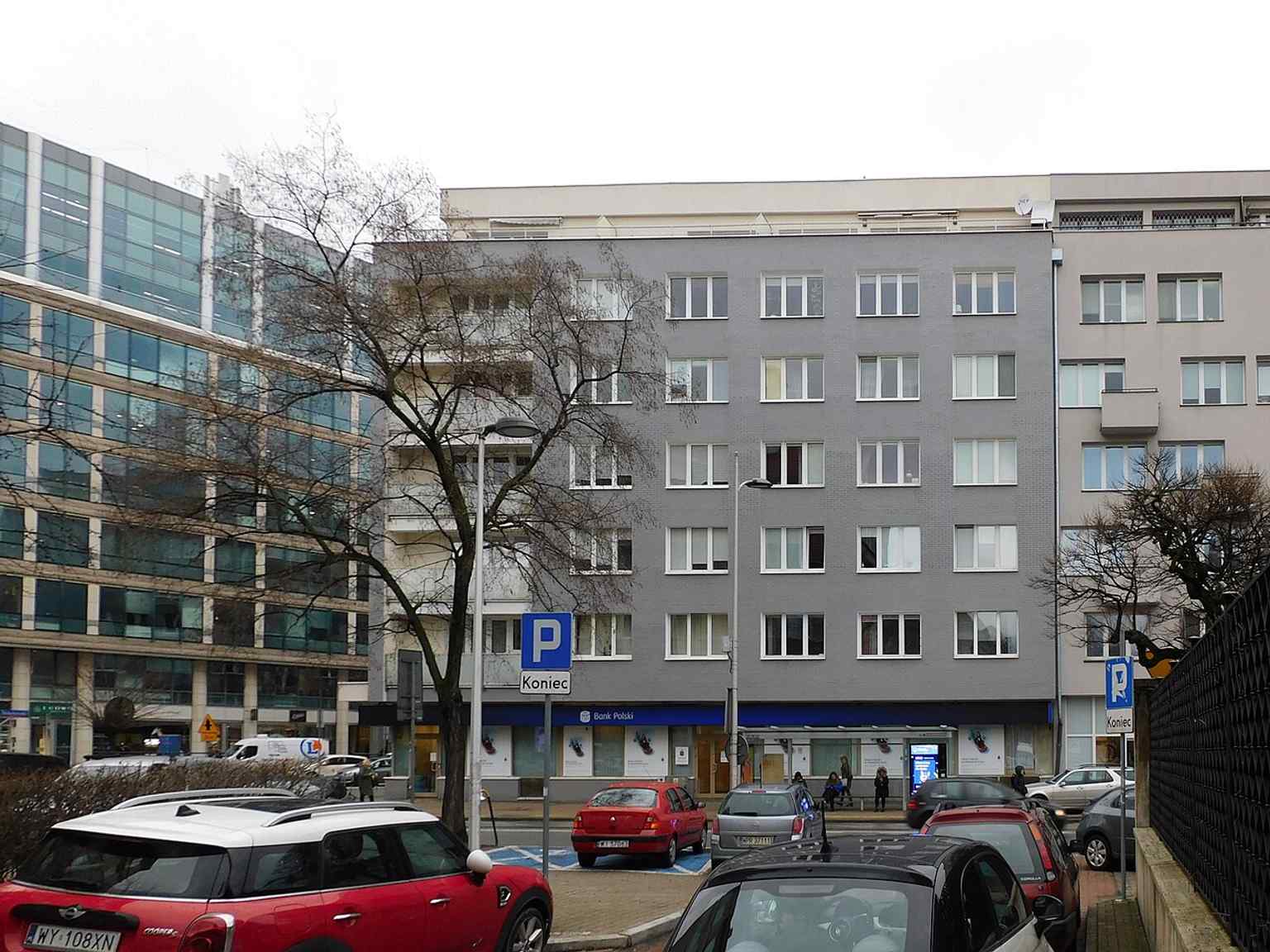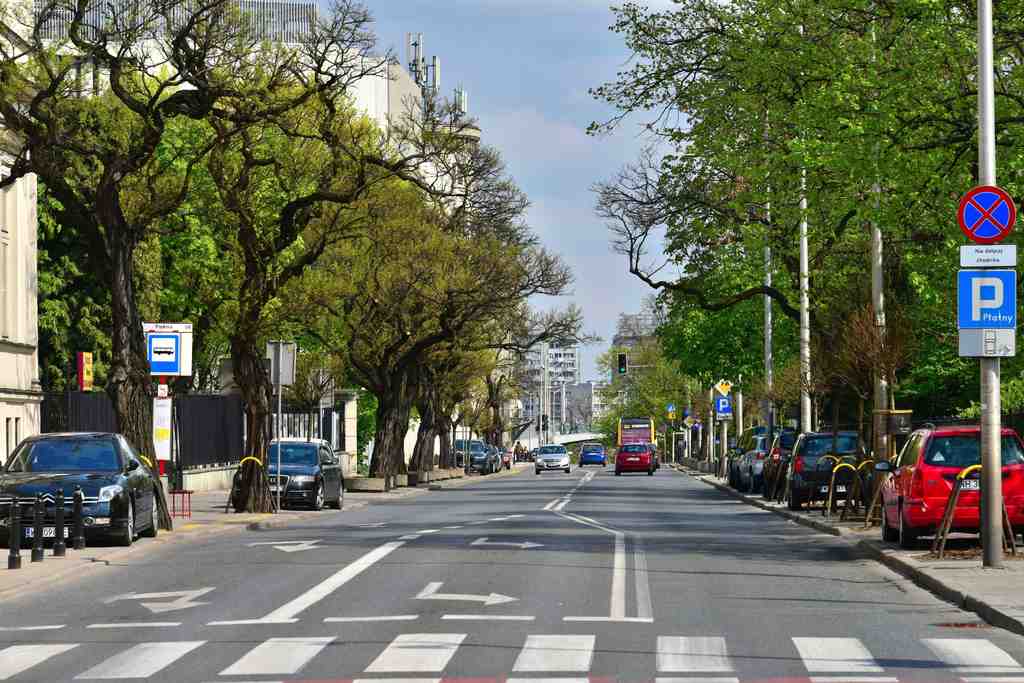
Look for a straight run of pale stone and stucco facades with orderly window grids, and near Piękna seventeen to nineteen, a surviving wall fragment that quietly marks one of the street’s darkest chapters.
Piękna began as something much less polished: a rural boundary road, marking the edge between Warsaw’s fields and those of Ujazdów. City officials regulated it in seventeen seventy, lined it with trees, and gave it a name that matched its appearance. For once, “beautiful” was not a real-estate slogan.
That beauty changed shape. Until eighteen sixty-three, villas and small palaces stood here among gardens and cultivated land. By the late nineteenth century, tenement houses moved in, density replaced open ground, and Piękna matured from leafy edge into urban address. If Krucza grew practical and commercial, Piękna aimed a little higher. It wanted status.
You can see that ambition in its residents and institutions. In eighteen sixty-five, the industrialist and banker Wilhelm Ellis Rau bought a house at Piękna ten a. His villa still recalls the era when wealthy financiers treated this street as a proper calling card. A little later, in autumn eighteen eighty-three, Cecylia Plater-Zyberkówna opened her private girls’ school at Piękna twenty-four to twenty-six, funded from her dowry. She was one of Poland’s early feminists, and she used education as a tool for equality. So this street did not only display money... it also hosted social change.
Politics arrived with less grace. On the eleventh of December, nineteen twenty-two, opponents of President-elect Gabriel Narutowicz built a barricade of benches at the corner with Aleje Ujazdowskie, trying to block his route to the Sejm, the parliament, for the oath ceremony. Piękna was not just elegant frontage; it became one of the places where the young republic showed its nerves.
Around nineteen thirty, the street even changed identity and took the name Pius the Eleventh, honoring Achille Ratti, the papal envoy who stayed in Warsaw during the Battle of Warsaw while most diplomats evacuated. Then the German occupation renamed it Piusstrasse, because tyrannies also enjoy paperwork.
If you check the image in the app, you’ll see the stretch around numbers seventeen to nineteen. On the seventeenth of October, nineteen forty-three, German forces carried out a public execution at number seventeen. Then, in the Warsaw Uprising, insurgents fought for and captured the so-called small P-A-S-T-a at number nineteen, a telephone exchange, on the night of the twenty-second to twenty-third of August, nineteen forty-four. From the sixth of September until the uprising collapsed, the Home Army used that building as its headquarters.
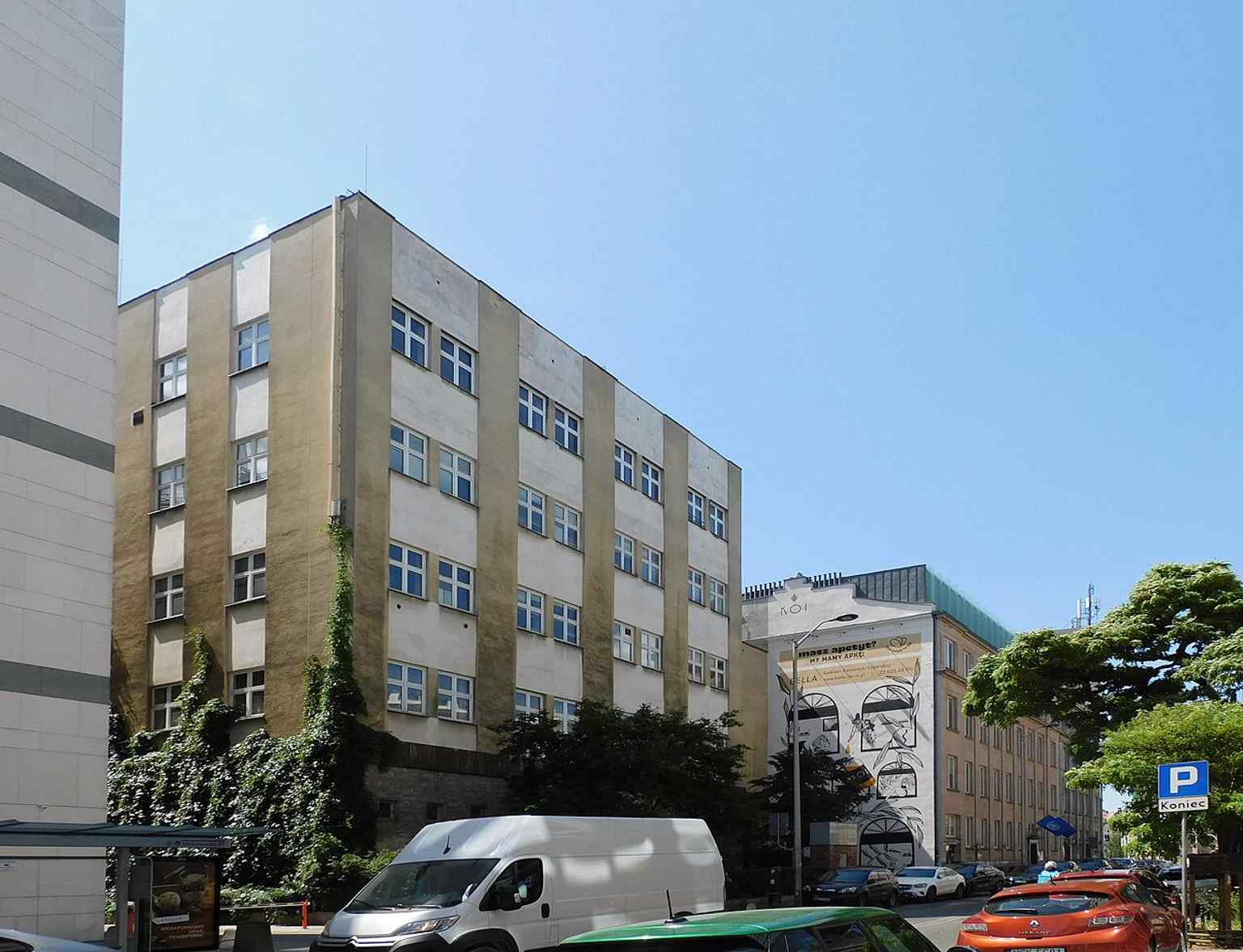
After the war, Warsaw restored the name Piękna in nineteen forty-nine, then shifted part of the street line during the construction of the Marszałkowska Residential District. Even the map got edited.
Ahead, the U-S Embassy shows what Piękna became: a prestigious address where private elegance gave way to state power. It’s about a four-minute walk.