
On your right, look for a pale stone façade with tall rectangular windows and a formal arched entrance, distinguished by the Czartoryski family crest.
This is the quieter half of the Czartoryski story. Museums get the glory; libraries do the heavy lifting. Paintings flirt, but papers testify. Behind this restrained front sat manuscripts, letters, maps, and family archives: the sort of material that lets historians stop guessing and start pointing at ink with great excitement.
Princess Izabela Czartoryska started the family’s collecting mission in the late eighteenth century with a stubborn idea: if a country could be partitioned, scattered, and bullied off the map, its memory still needed somewhere solid to live. So she gathered not just art, but evidence, relics, books, and records. Later, Prince Władysław Czartoryski brought the collection from exile in Paris to Kraków in the eighteen seventies. That move mattered. He was not simply furnishing a building. He was giving a displaced national memory a new address.
And this is where the story takes a wonderfully ridiculous turn. Our source notes for this stop suddenly abandon Kraków and roar off into south west England along the A thirty-nine. If your app screen is showing a steep road instead of a library, congratulations: you have met the archival glitch in the flesh. Now, because misfiled documents deserve at least a polite nod, here is the short version. The A thirty-nine became known as the Atlantic Highway in Devon and Cornwall. One savage stretch, Porlock Hill, climbs about one thousand three hundred feet in less than two miles, with gradients as fierce as one in four. In Porlock, locals supposedly know when drivers have descended it, because the air often smells of burning brakes. That is not scenery; that is mechanical despair.
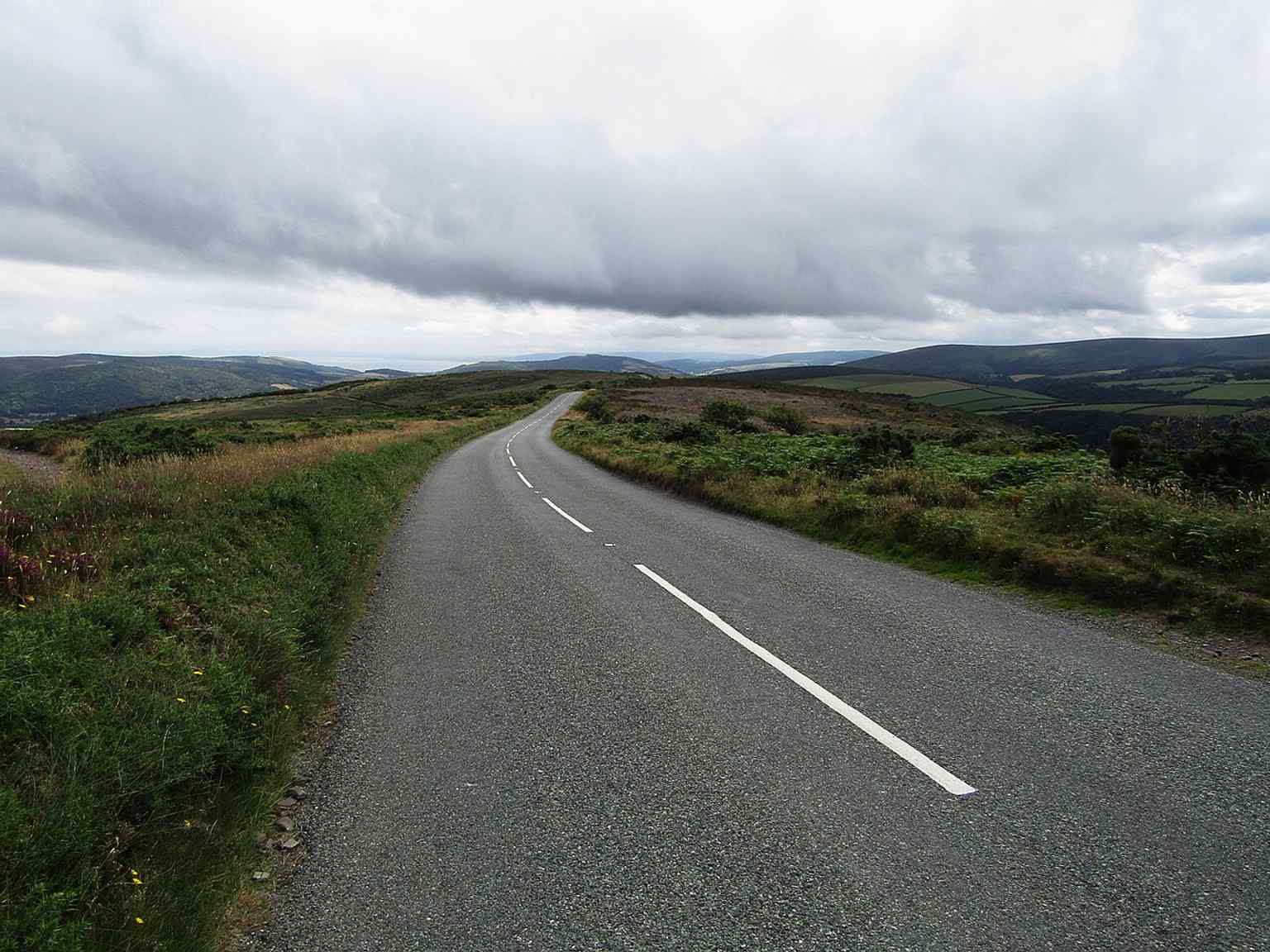
Then comes the part a librarian might secretly admire. On the twelfth of January, eighteen ninety-nine, a ten-ton lifeboat at Lynmouth could not launch into a storm, so volunteers hauled it overland for about thirteen miles, through the hills, with twenty horses, and reached Porlock Weir in time to help rescue thirteen seamen. C. Walter Hodges later turned that ordeal into a children’s novel called The Overland Launch. Strange, yes. But oddly perfect for this building. Archives do this all the time: they let distant roads, storms, and human grit drift into the wrong drawer, then dare some future reader to make sense of it.
That is the deeper point here. Collections like the Czartoryski one survived because people kept reassembling context after history scattered it. A manuscript in exile, a painting in storage, a library in Kraków, a memory dragged back into usefulness like that lifeboat over the hill.
So stand with this building a moment and give a little respect to the paper keepers. They are the reason a city can reinvent itself without pretending it has no past.
Next, in about three minutes, we head to the Phoenix Building, where Kraków makes a much louder argument about what belongs inside the old city and what absolutely does not want to behave itself.





