AudaTours logoAudaTours

Stop 8 of 15

Pałac Pod Krzysztofory

Pałac Pod Krzysztofory
Palais Krzysztofory
Palais KrzysztoforyPhoto: Zetpe0202, Wikimedia Commons, CC BY-SA 4.0. Cropped & resized.

On your right, Krzysztofory shows itself as a long pale baroque façade of stone and stucco, with a strong central portal and a figure of Saint Christopher set high on the front.

Krzysztofory is Kraków in one wonderfully tangled package: baroque grandeur out front, a name that may come from Saint Christopher or from Krzysztof Morsztyn, who owned this place in fifteen fifty-one, and much older medieval fabric tucked below the polished face. It did not begin as one grand palace at all. Adam Kazanowski, the Crown Court Marshal, pulled together three narrow Gothic houses between sixteen forty and sixteen forty-nine and turned them into something that could stare confidently across the Main Square and say, “Yes, I belong here.”

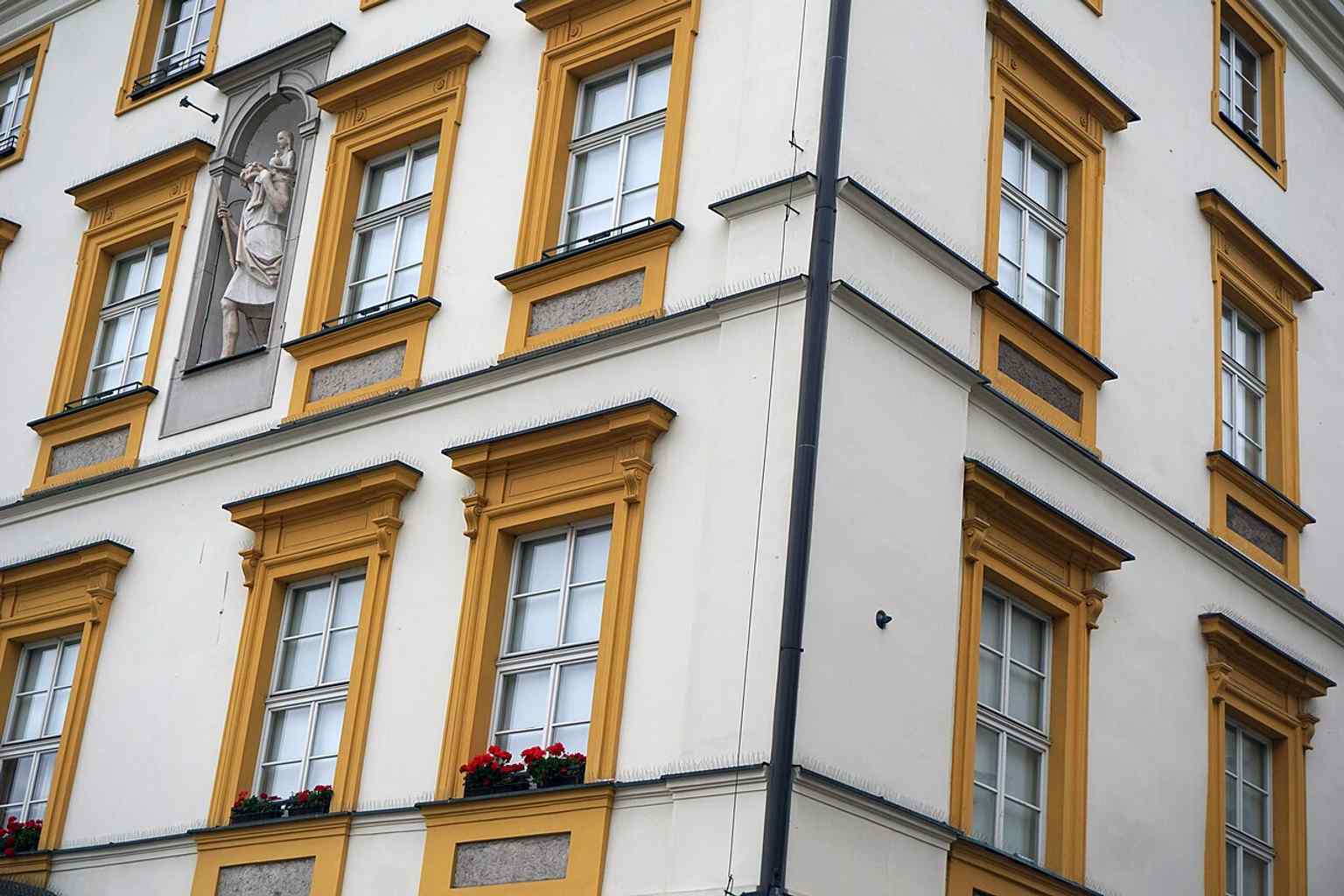
If you look at the detail image on your screen, you can spot Saint Christopher on the façade, the clue that helped the palace’s name stick. Most visitors admire the baroque frontage and stop there. Locals know the real plot twist lies lower down. Archaeologists traced one of Kraków’s largest medieval przedproże here - that means the raised forecourt in front of the house, the in-between zone between street and doorway - and they found brick vaults and stone portals still surviving in almost unchanged form. So this building did not replace earlier Kraków; it stacked itself on top of it. Rather like the Barbican built defense in layers, Krzysztofory built identity the same way.
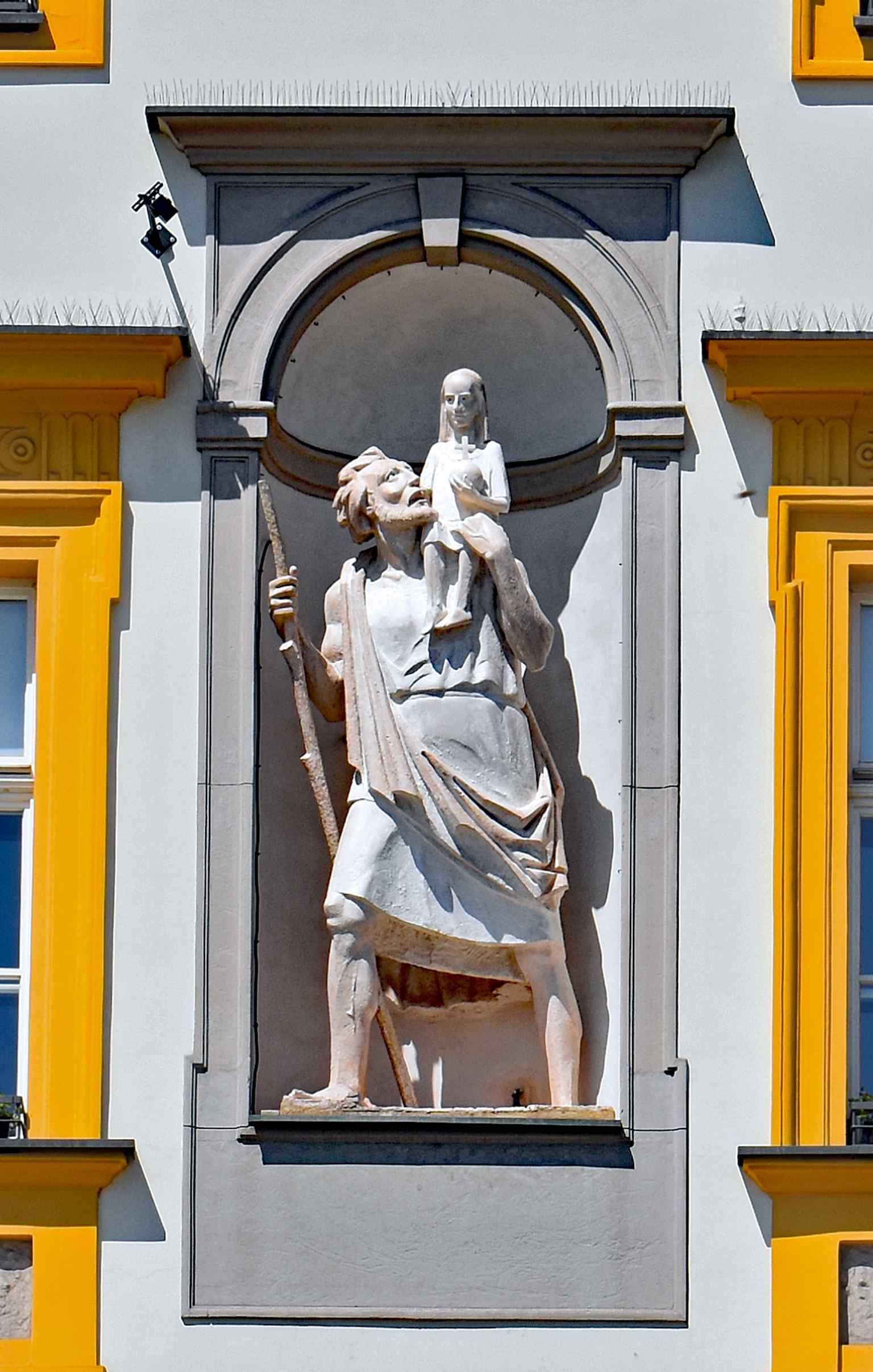
St. Christopher on the façade — a clue to the palace’s name and to the old association with medieval tenements and Krzysztof Morsztyn.
St. Christopher on the façade — a clue to the palace’s name and to the old association with medieval tenements and Krzysztof Morsztyn.Photo: Zygmunt Put, Wikimedia Commons, CC BY-SA 4.0. Cropped & resized.

Then came more additions, not substitutions. Jakub Solari renovated the palace in the sixteen eighties. Baldassare Fontana covered the Fontana Hall with stucco so dramatic it practically needs applause: his Fall of Phaeton sends a myth crashing across the ceiling, now watched by portraits of old Kraków citizens. In the late nineteenth century, Antoni Hawełka opened the popular Pod Palmą restaurant on the ground floor. Imagine noble ceilings upstairs and dinner downstairs - very Kraków, very efficient.

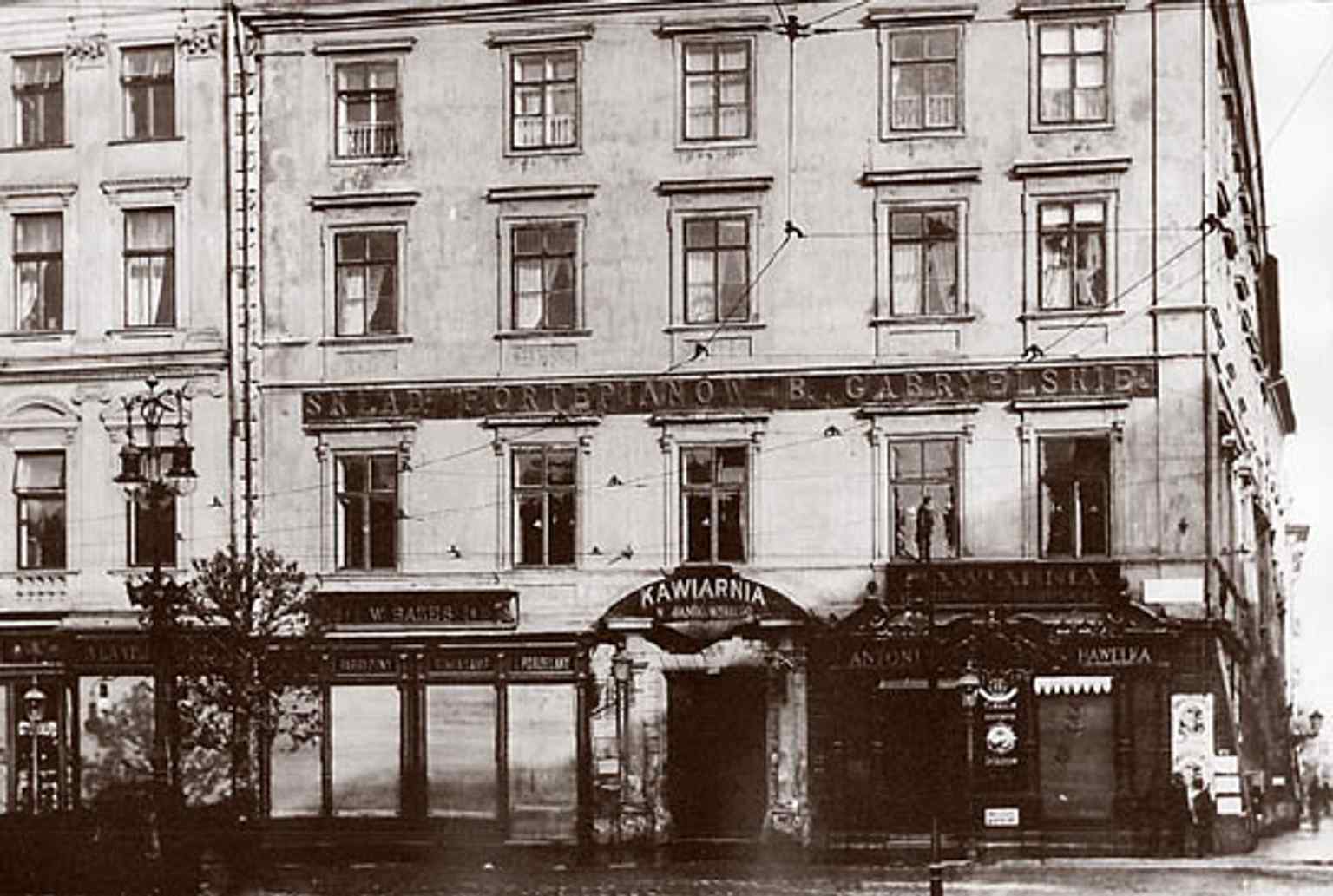
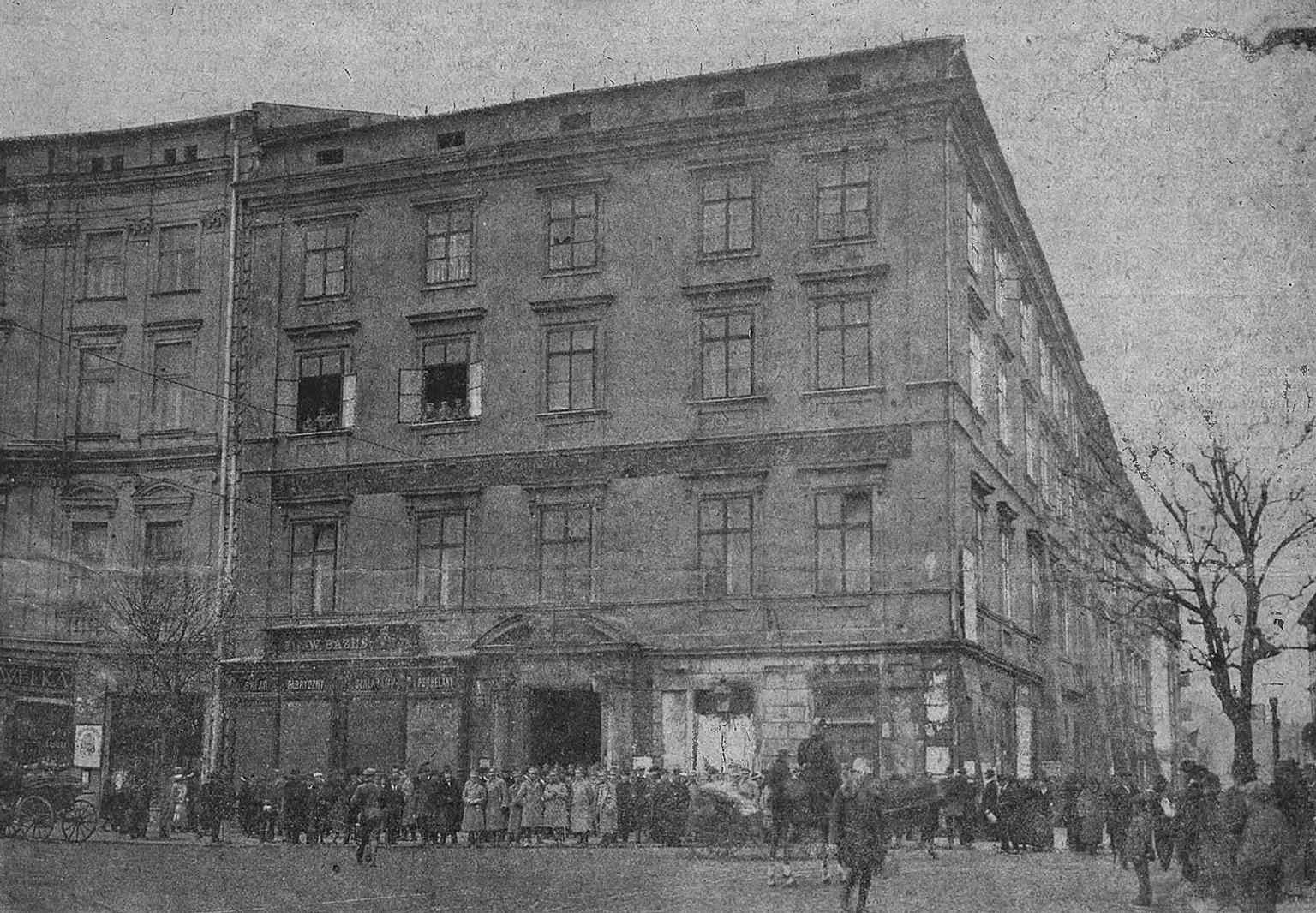
And here is the part that flips the story. In nineteen twelve, this palace nearly disappeared. Demolition threatened it, and it survived only because institutions, newspapers, local campaigners, and finally Archduke Franz Ferdinand pushed back. If you want a quick comparison, check the before-and-after image; the nineteen thirteen shopfronts make today’s museum frontage feel like the same actor in a new costume. Since nineteen sixty-five, Krzysztofory has served as the headquarters of Muzeum Krakowa. Its exhibition, Kraków from the beginning, to no end, keeps retelling the city with treasures like the Lajkonik costume and nativity scenes, and even its final object changes with current events. In eighteen forty-six, Jan Tyssowski made this palace the seat of the National Government during the Kraków Uprising, so as you study this square, remember: here, new roles rarely erase old ones. They pile up. In about two minutes, we’ll head toward the story of the Free City of Kraków. For this stop, the site is listed as accessible all day, every day.
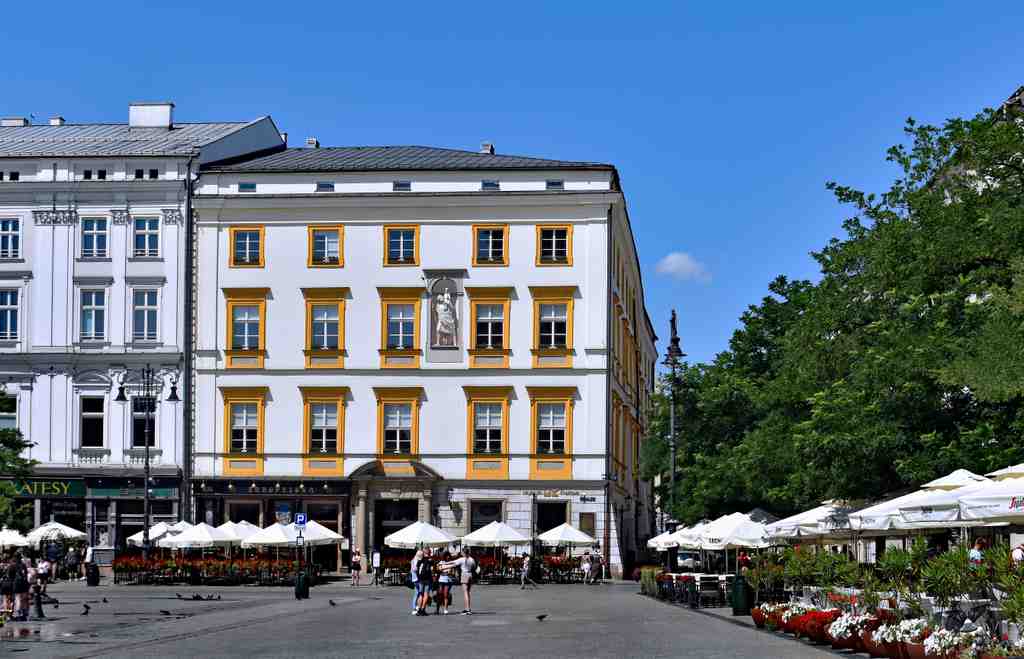
A crisp modern view of Krzysztofory on Kraków’s Main Square, now home to the Historical Museum of Kraków.
A crisp modern view of Krzysztofory on Kraków’s Main Square, now home to the Historical Museum of Kraków.Photo: Igor123121, Wikimedia Commons, CC BY 4.0. Cropped & resized.
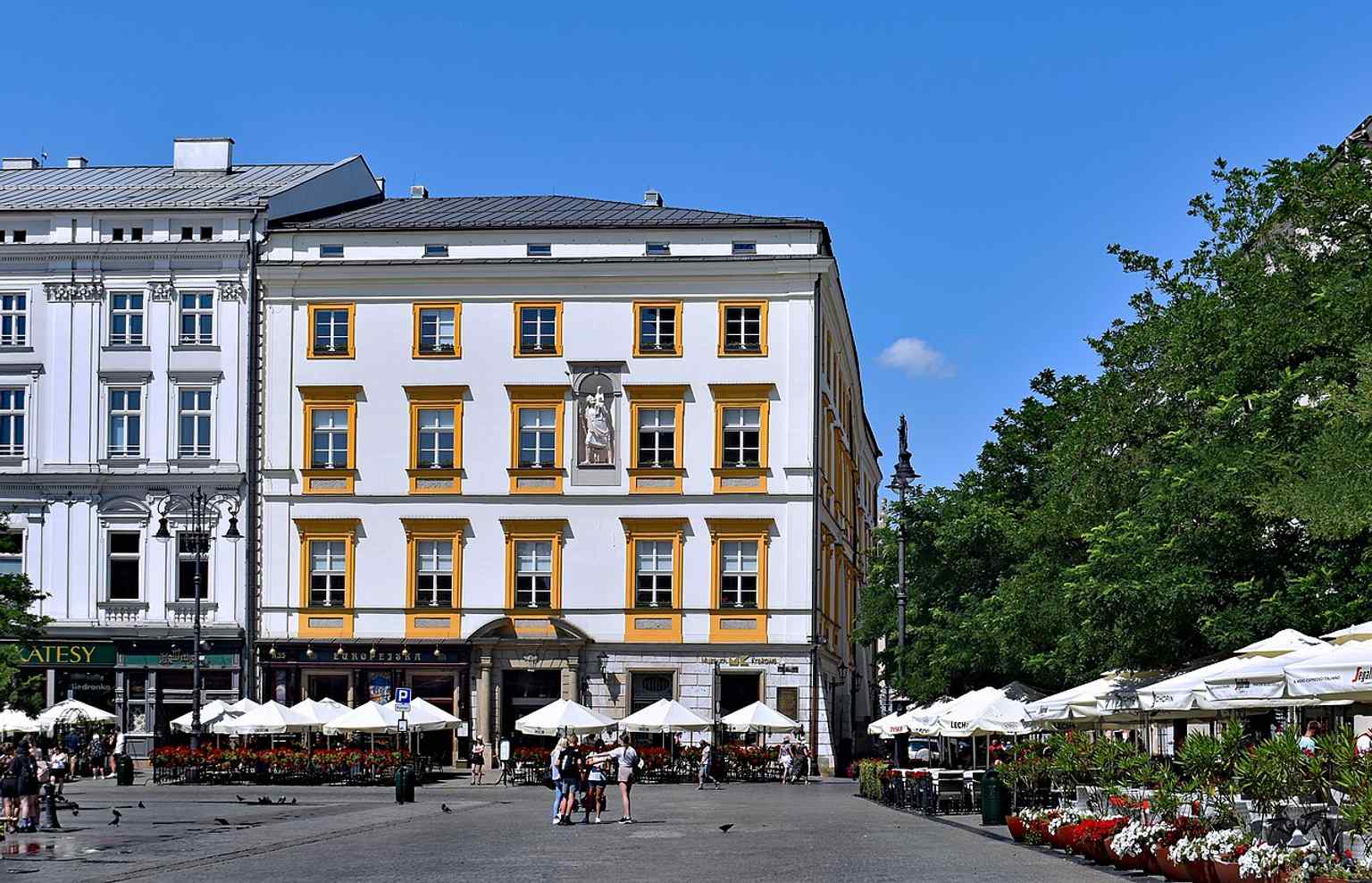
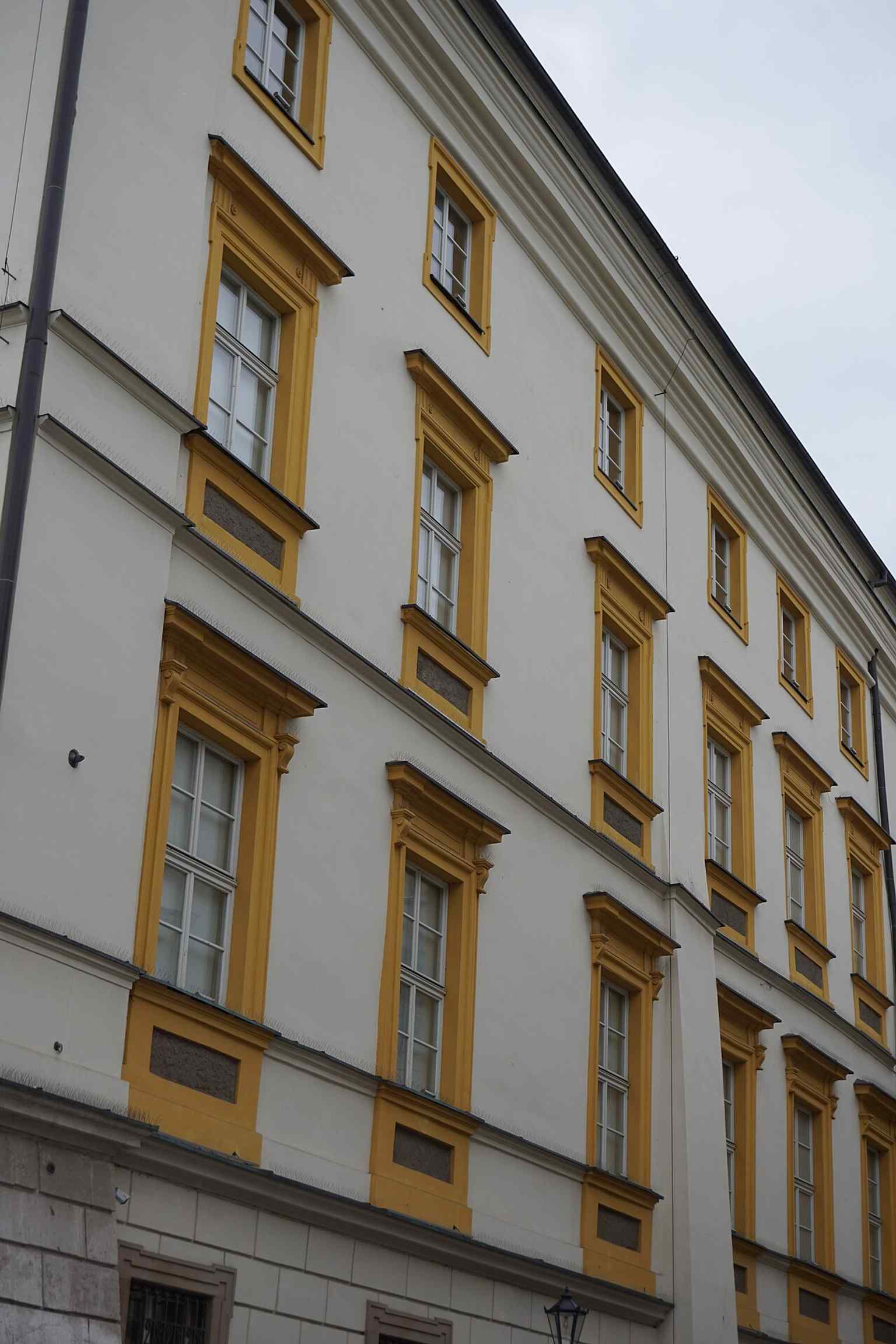
The palace façade in full, showing the elegant baroque frontage that grew from three narrow Gothic houses.
The palace façade in full, showing the elegant baroque frontage that grew from three narrow Gothic houses.Photo: Igor123121, Wikimedia Commons, CC BY 4.0. Cropped & resized.
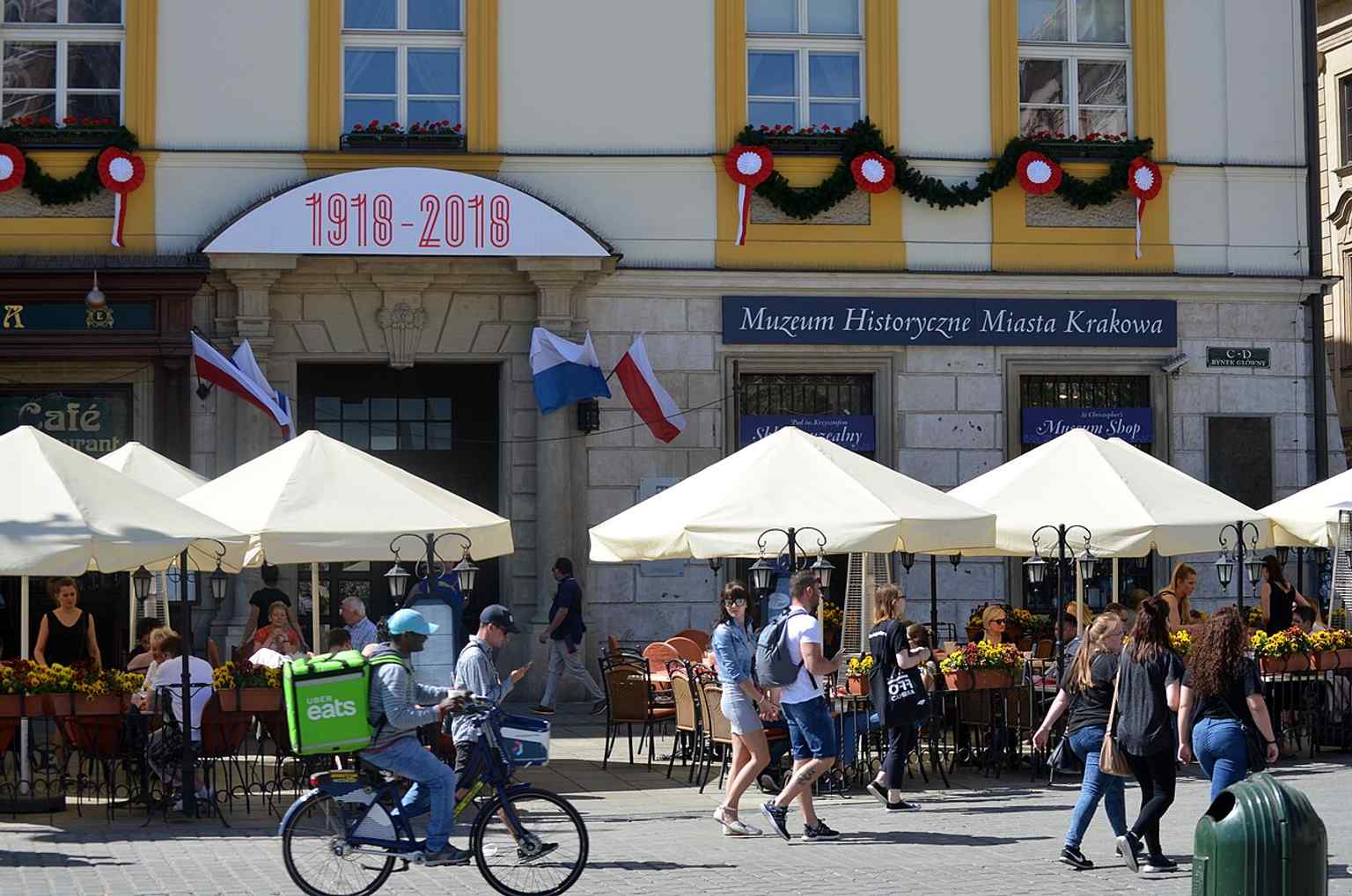
The museum entrance at Krzysztofory, a fitting stop for the palace’s role as the headquarters of Muzeum Krakowa since 1965.
The museum entrance at Krzysztofory, a fitting stop for the palace’s role as the headquarters of Muzeum Krakowa since 1965.Photo: Silar, Wikimedia Commons, CC BY-SA 4.0. Cropped & resized.
The palace beside the Main Market Square, in the heart of the historic old town where so many of its stories played out.
The palace beside the Main Market Square, in the heart of the historic old town where so many of its stories played out.Photo: Zygmunt Put Zetpe0202, Wikimedia Commons, CC BY-SA 4.0. Cropped & resized.
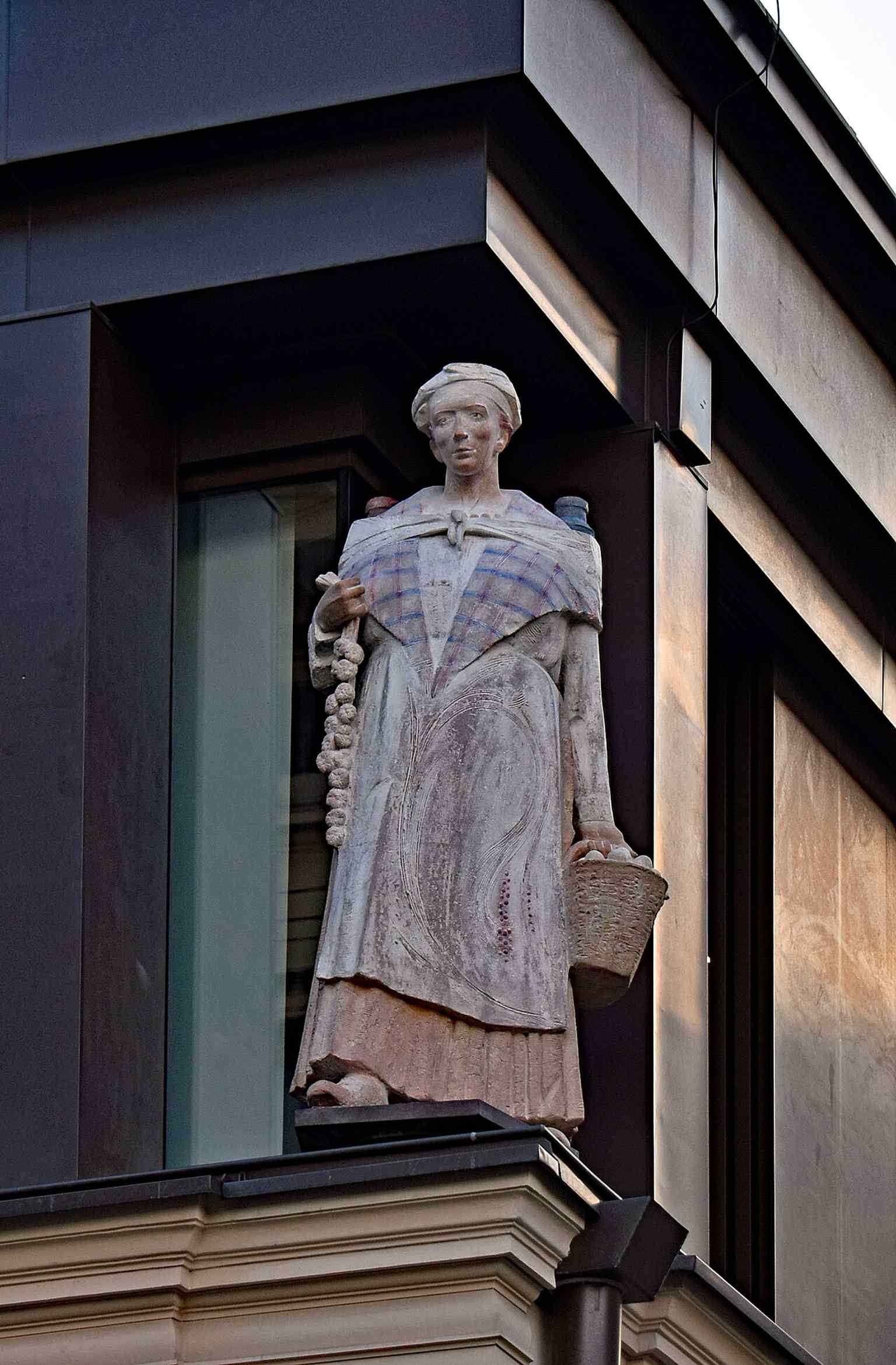
‘Miedzianna’ honors the women vendors who supplied Kraków’s market, adding a new public artwork to the palace corner in 2021.
‘Miedzianna’ honors the women vendors who supplied Kraków’s market, adding a new public artwork to the palace corner in 2021.Photo: Zygmunt Put, Wikimedia Commons, CC BY-SA 4.0. Cropped & resized.
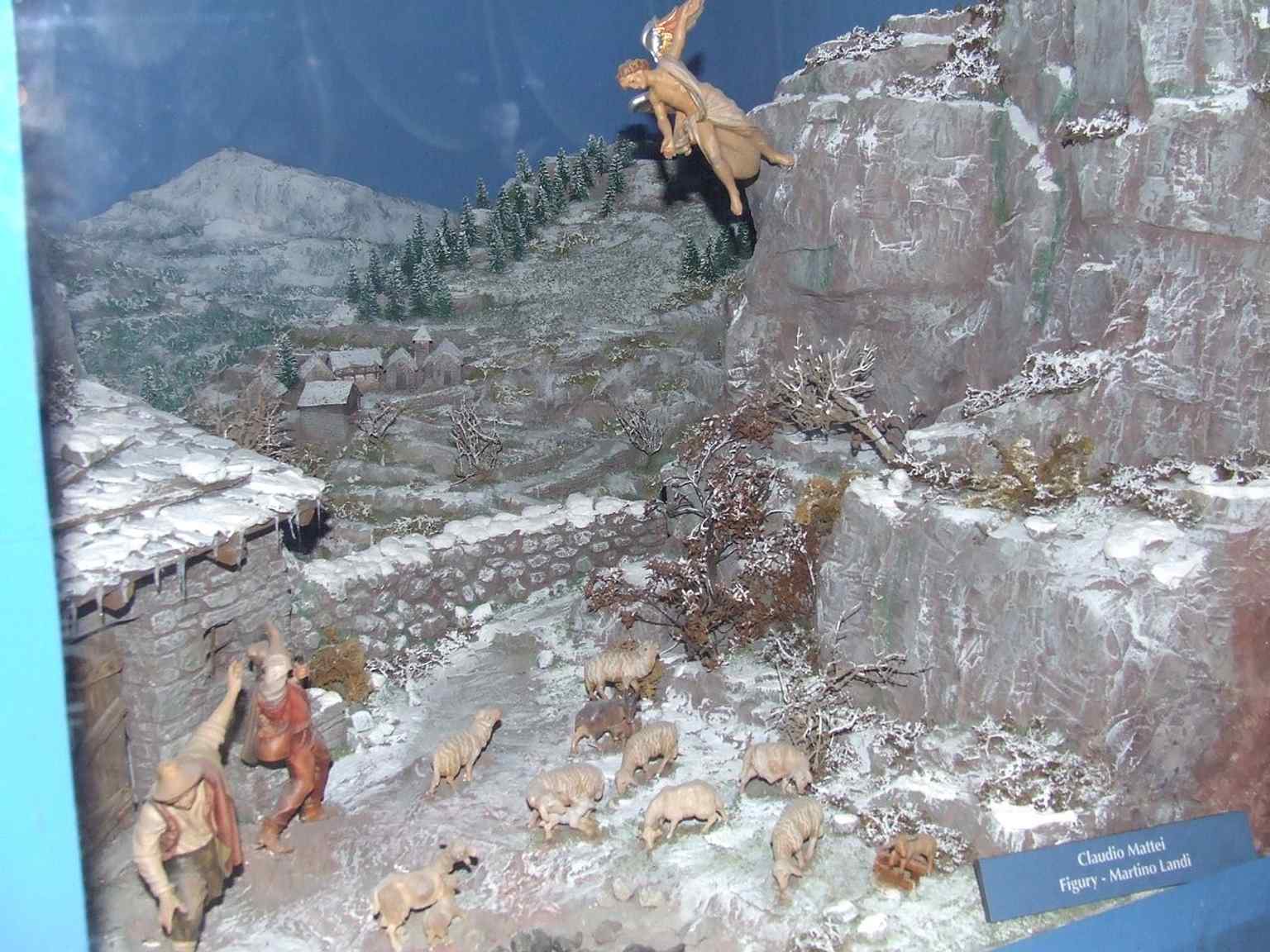
A life-size Neapolitan nativity scene from the museum’s collection, part of the famous Kraków crèche tradition displayed at Krzysztofory.
A life-size Neapolitan nativity scene from the museum’s collection, part of the famous Kraków crèche tradition displayed at Krzysztofory.Photo: own work, Wikimedia Commons, CC BY-SA 3.0. Cropped & resized.
Inside the palace museum, a view of the Krzysztofory headquarters that now hosts exhibitions, talks, and workshops.
Inside the palace museum, a view of the Krzysztofory headquarters that now hosts exhibitions, talks, and workshops.Photo: No machine-readable author provided. Cancre assumed (based on copyright claims)., Wikimedia Commons, CC BY-SA 3.0. Cropped & resized.
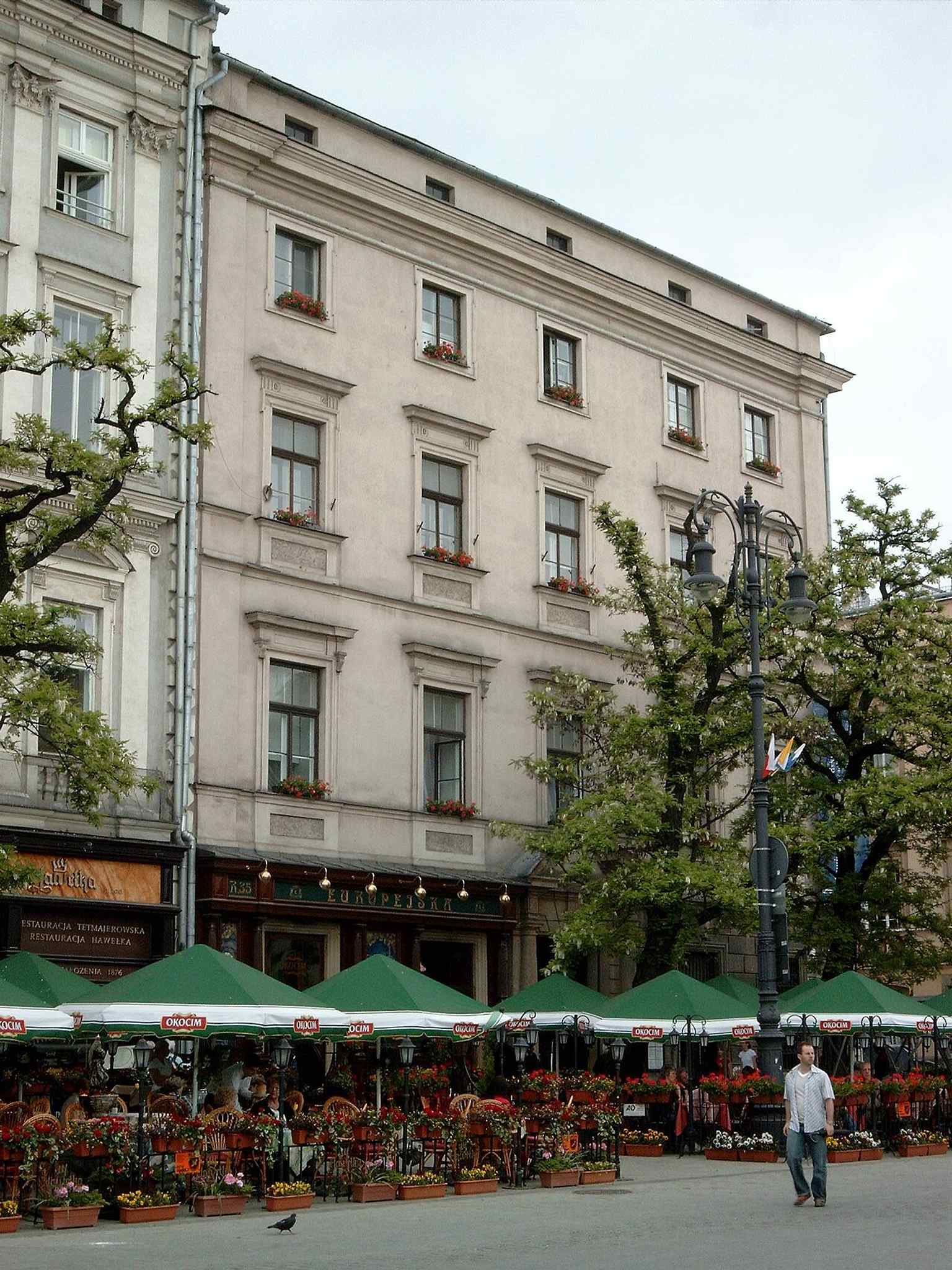
A rare early-20th-century view of Krzysztofory, before the palace became a modern museum centerpiece.
A rare early-20th-century view of Krzysztofory, before the palace became a modern museum centerpiece.Photo: Unknown authorUnknown author, Wikimedia Commons, Public domain. Cropped & resized.
Krzysztofory in 1914, the year it briefly served national causes during the mobilization around the Polish Legions.
Krzysztofory in 1914, the year it briefly served national causes during the mobilization around the Polish Legions.Photo: Unknown authorUnknown author, Wikimedia Commons, Public domain. Cropped & resized.
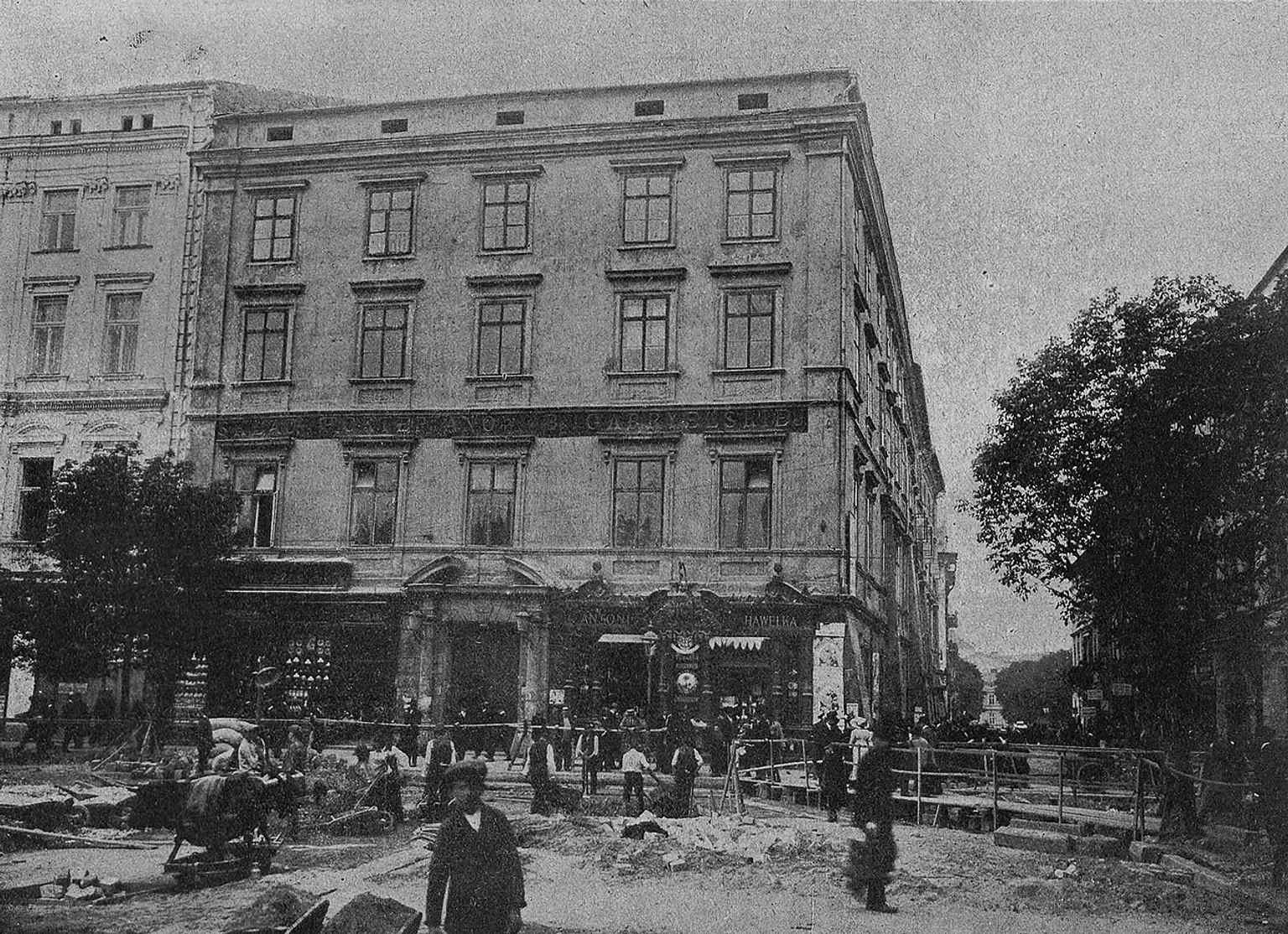
Antoni Hawełka’s famed shop on the square recalls the late-19th-century restaurant Pod Palmą that once occupied the palace ground floor.
Antoni Hawełka’s famed shop on the square recalls the late-19th-century restaurant Pod Palmą that once occupied the palace ground floor.Photo: Unknown authorUnknown author, Wikimedia Commons, Public domain. Cropped & resized.
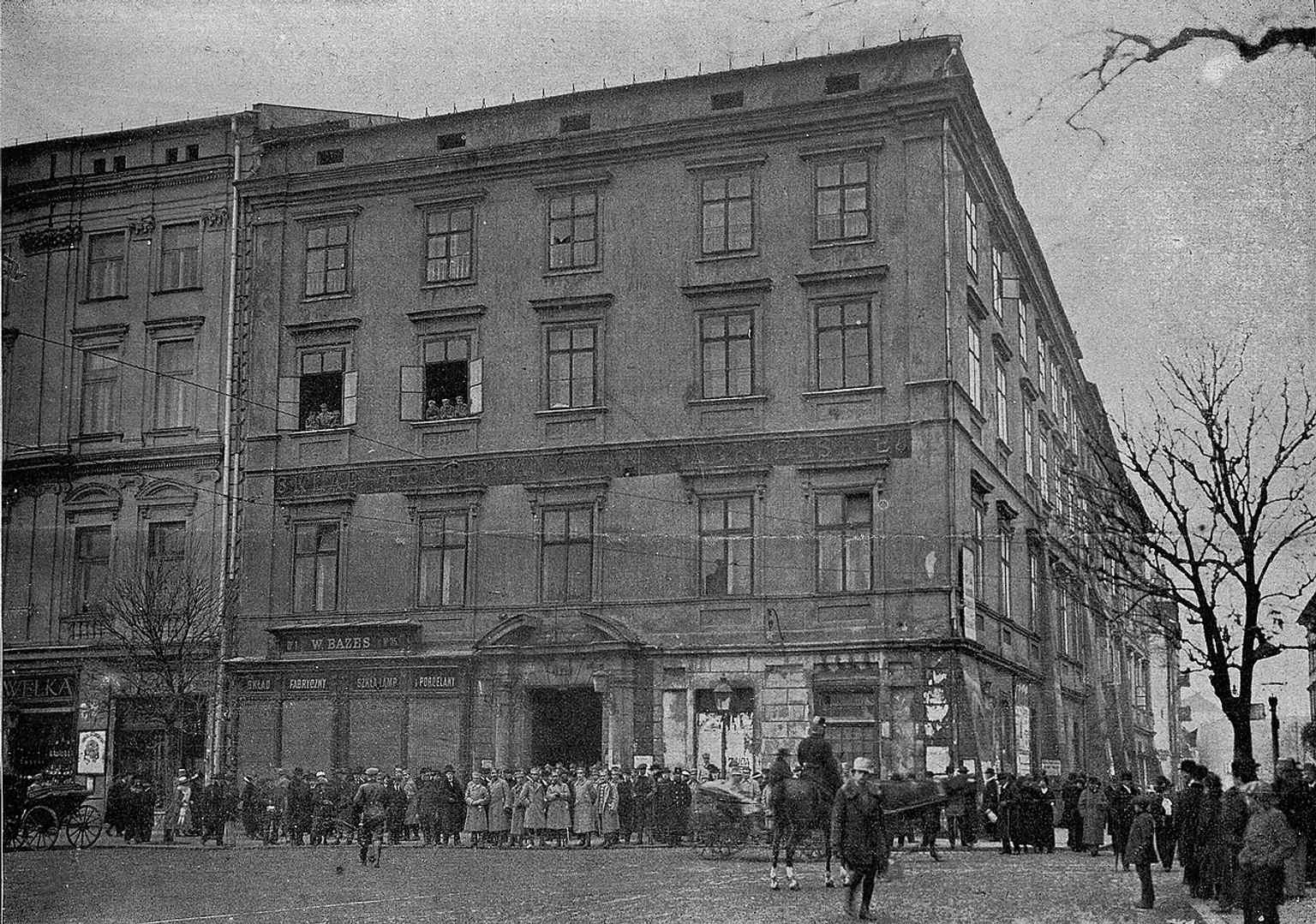
Krzysztofory in 1919, reflecting the building’s long life through political upheaval and public debate.
Krzysztofory in 1919, reflecting the building’s long life through political upheaval and public debate.Photo: Unknown authorUnknown author, Wikimedia Commons, Public domain. Cropped & resized.
arrow_back Back to Krakow Audio Tour: Riddles, Art and Treasures of the Medieval Heart
Loved by travellers

Thousands of tours started.
Plenty of opinions.

4.8 across the App Store and Google Play. Here's a few we keep coming back to.

starstarstarstarstar
This was a solid way to get to know Brighton without feeling like a tourist. The narration had depth and context, but didn't overdo it.
Christoph
Christoph
Brighton Tour
starstarstarstarstar
Started this tour with a croissant in one hand and zero expectations. The app just vibes with you, no pressure, just you, your headphones, and some cool stories.
download Get the app

Pop your headphones in.
Step outside.

Free to download. Tours in every city. Start in 60 seconds — no account, no card.

Download on the App StoreGet it on Google Play
starstarstarstarstar_half
4.8
AudaTours app icon
headphones
~ 4 min until your first tour starts
public
1,000+ cities worldwide
all_inclusive
AudaTours
Unlimited

Every tour. Every city. One subscription.

3101 tours2271 cities138 countries50+ languages