
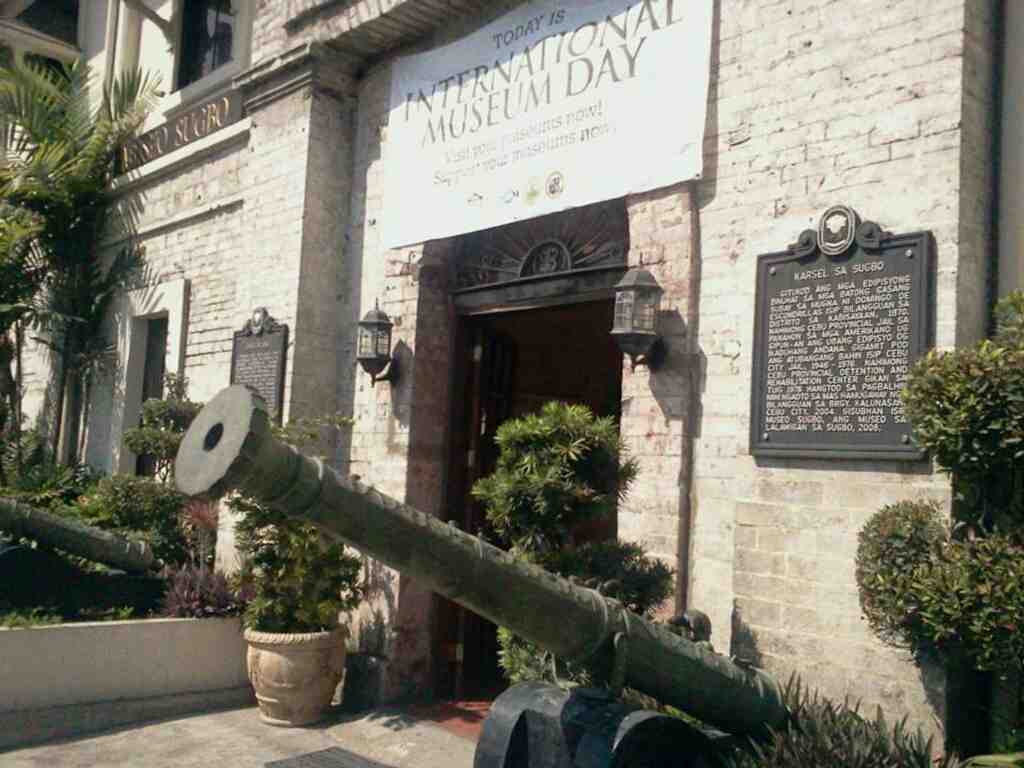
To spot Museo Sugbo, look for a sturdy stone building with weathered, light-colored bricks and big black cannons out front, along with a large welcoming doorway decorated with plants and historical signboards on either side.
Now, let’s step back in time together. Imagine standing in front of these thick stone walls under the hot Cebu sun, feeling the long history radiating from every block. At first glance it may just look like a museum, but this place was once the Cárcel de Cebú, the busiest and perhaps most dramatic jail in the Visayas! These stones, believe it or not, were once part of an old church, taken down after a court case, and then given new life as the fortress-like walls of a giant jail, designed back in 1869 by Cebu’s one and only architect, Domingo de Escondrillas.
Back in those days, the clang of prison gates echoed across the courtyard, and not just criminals paced these grounds. During the revolution, brave Katipuneros were imprisoned here, some waiting for fate at the nearby Carreta cemetery. In a strange twist, during the early American days, these cells held not just people, but actual horses for the nearby racetrack! (I bet those horses were hoping for early parole.)
But as the years ticked by, the jail filled with stories more serious. When the Japanese occupied Cebu in World War II, the air was thick with fear and resistance - tortured guerrillas were held here by the dreaded Kempeitai. Even after the war, accused collaborators did their time within these solid walls.
The name shifted as often as the prisoners. From Provincial Jail to Cebu Provincial Detention and Rehabilitation Center, these walls watched as the decades passed, each adding layers of drama, sorrow, and sometimes, hope.
When the last cell was emptied in 2004 and the jail moved to a newer home, this site found a new purpose. No more prison food-now it serves as the keeper of Cebuano culture! Walk around the courtyard and you can discover over ten galleries, from old prison cells turned into art halls to memorabilia of local legends. There’s even a mysterious Spanish-era well, called the Well of Good Fortune and Happiness, unearthed like a buried secret during renovations.
So look around, breathe in the history, and remember: where you’re standing today, thousands once waited, dreamed, and hoped that someday, someone would hear their story. Now you can!


